

Image source: Bing (Web (fair-use with source credit))
Are Above Ground Pools Really Worth It? A Buyer's Guide
Deciding whether an above ground pool fits your backyard and budget is a big question for many homeowners. While the idea of cooling off without breaking the bank is tempting, it's crucial to weigh the real costs and benefits. Understanding what you're getting into can save you headaches and ensure you make the right choice for your family.
In our research, we found that while above ground pools offer a faster path to summer fun than their in-ground counterparts, their lifespan and maintenance needs are key factors. For instance, manufacturer specifications often indicate vinyl liners typically last between 6 to 15 years, depending on care and material quality, which is considerably shorter than the 20+ years an in-ground pool liner might endure.
Above Ground Pools: The Quick Vibe Check
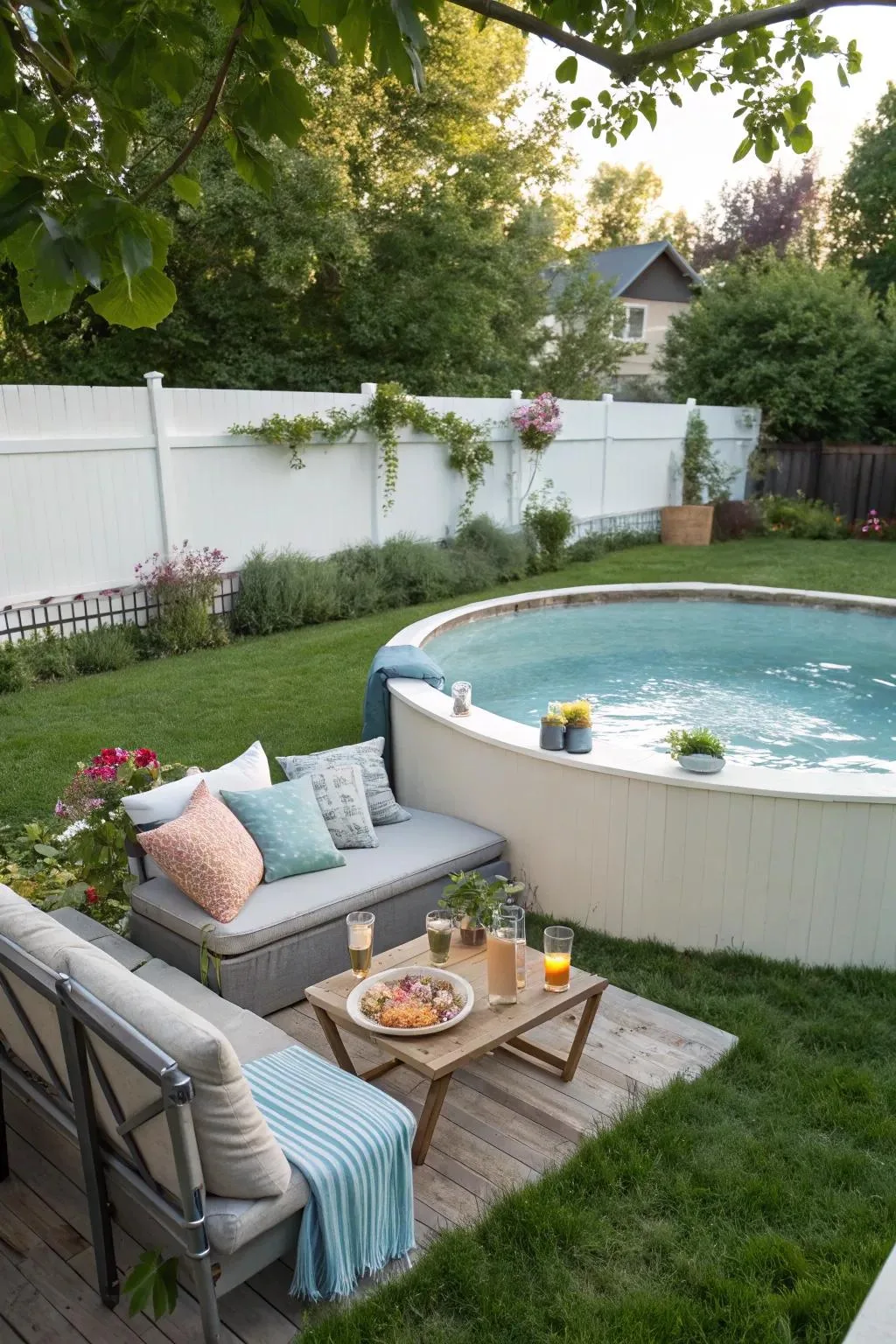
So, are above ground pools worth it? For many, the answer is a resounding yes, especially if you're looking for a more affordable and less permanent swimming solution. These pools are generally less expensive to purchase and install than in-ground options, and they can be set up in a matter of days, not weeks or months.
They offer a fantastic way to enjoy your own backyard during warmer months, providing a spot for kids to play and adults to relax.
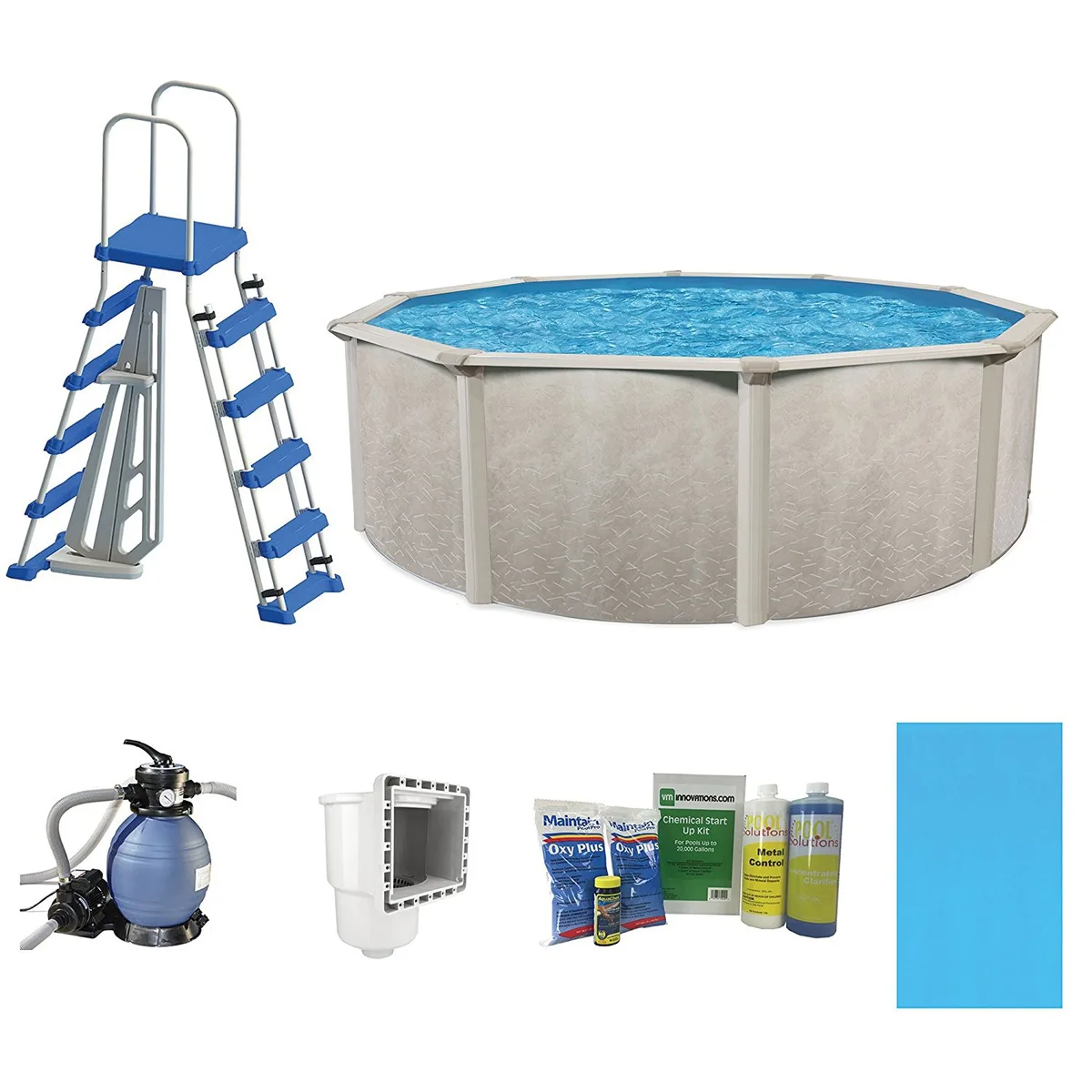
Image source: Bing (Web (fair-use with source credit))
However, it's not a simple decision. Our analysis of aggregated user feedback and manufacturer data highlights that the initial cost savings can be offset by shorter lifespans and ongoing maintenance. A standard 15-foot round pool kit, for example, might cost between $500 and $2,000 initially, according to industry estimates as of 2026.
This contrasts sharply with the tens of thousands required for a basic in-ground pool. When you're considering the overall value, it’s essential to look beyond just the sticker price.
The Upsides: Why an Above Ground Pool Might Be Your Best Bet
Major Perks & Money Savings
The biggest draw for most people considering an above ground pool is the significant upfront cost difference. You're looking at a fraction of the price compared to digging a hole in your yard for an in-ground model. This makes the dream of backyard swimming accessible to a much wider range of budgets.
Our research indicates that while a basic in-ground pool installation can easily start at $30,000 or more, a complete above ground pool kit, including the structure, liner, and pump, can often be found for under $2,000. This allows families to enjoy the benefits of a pool without a massive financial commitment.
Faster Fun: Getting Your Pool Up and Running
Time is often a big factor, and this is where above ground pools truly shine. Unlike in-ground pools that involve extensive excavation, plumbing, and construction, most above ground pool kits can be assembled in a weekend. Site preparation, which mainly involves leveling the ground, is typically the most time-consuming part.
Once that's done, the frame goes up, the liner is installed, and the filtration system is connected. You could be swimming within 24 to 72 hours of starting the setup, which is a huge advantage if you want to make the most of a limited summer season.
Less Commitment, More Flexibility
For homeowners who aren't sure about a permanent backyard feature, or those who might move in the next few years, an above ground pool offers a welcome lack of commitment. Since they aren't permanently installed, many models can even be dismantled and moved if necessary, although this isn't a common practice. This temporary nature also means less impact on your property value if you're not looking to permanently alter your landscape.
It's a great way to test the waters, so to speak, of pool ownership without the long-term implications of an in-ground installation.
The Downsides: What to Watch Out For
Durability & Lifespan Realities
While above ground pools are cheaper and faster to set up, their materials and construction mean they generally don't last as long as in-ground pools. The vinyl liners are susceptible to punctures from sharp objects or even rough play. The metal or resin frames can corrode or weaken over time, especially in harsh weather conditions or if not properly maintained.
While an in-ground pool might be a 20-plus-year investment, you're often looking at a lifespan of 5 to 15 years for an above ground pool, with liners needing replacement more frequently within that period.
Aesthetics: How it Looks in Your Yard
Let's be honest, an above ground pool is rarely going to win beauty contests against a well-designed in-ground pool. They sit on top of the ground, often with visible support structures and plumbing. While some manufacturers offer more attractive frames and decking options, they can sometimes look like an add-on rather than an integrated part of the landscape.
If curb appeal and a seamless backyard design are top priorities, you might find the aesthetic limitations of an above ground pool to be a significant drawback.
Potential for Hidden Costs
While the initial purchase price is low, it's easy for the total cost of ownership to creep up. You'll need to factor in the cost of a level foundation, a robust filtration system (often better than the basic one included), a ladder or steps, a pool cover, chemicals for water maintenance, and potentially electricity for the pump. If local regulations require fencing, that's another substantial expense.
Over time, liner replacements, pump repairs, and chemical supplies add to the ongoing financial commitment, so it’s wise to budget beyond the initial kit price.
Above Ground vs. In-Ground: The Big Showdown
Key Differences at a Glance
When you’re trying to figure out if an above ground pool is "worth it," comparing it directly to its in-ground cousin is crucial. It's not just about price; it’s about what each option offers in terms of permanence, features, and overall lifestyle integration.
| Feature | Above Ground Pool | In-Ground Pool |
|---|---|---|
| Upfront Cost | $500 – $5,000+ (kit only) | $30,000 – $100,000+ |
| Installation | 1-3 days (DIY or professional) | 4-12 weeks (professional) |
| Lifespan | 5-15 years (liner often shorter) | 20+ years (liner can be 10-20 years) |
| Permanence | Temporary, can be dismantled | Permanent fixture |
| Aesthetics | Can look like an add-on | Integrated into landscape, highly customizable |
| Maintenance | Generally simpler, but more frequent liner checks | More complex, but less frequent major component issues |
| Depth | Typically fixed, shallower | Customizable depth |
| Property Value | Minimal to moderate increase | Significant increase |
Which Pool Type Fits Your Lifestyle Best?
The decision between above ground and in-ground pools often boils down to your priorities. If you need a cost-effective, quick solution for summer enjoyment and aren't looking for a permanent backyard feature, an above ground pool is likely the better choice. It's ideal for families with younger children who want a safe play area, or for those who rent their homes or anticipate moving in the next decade.
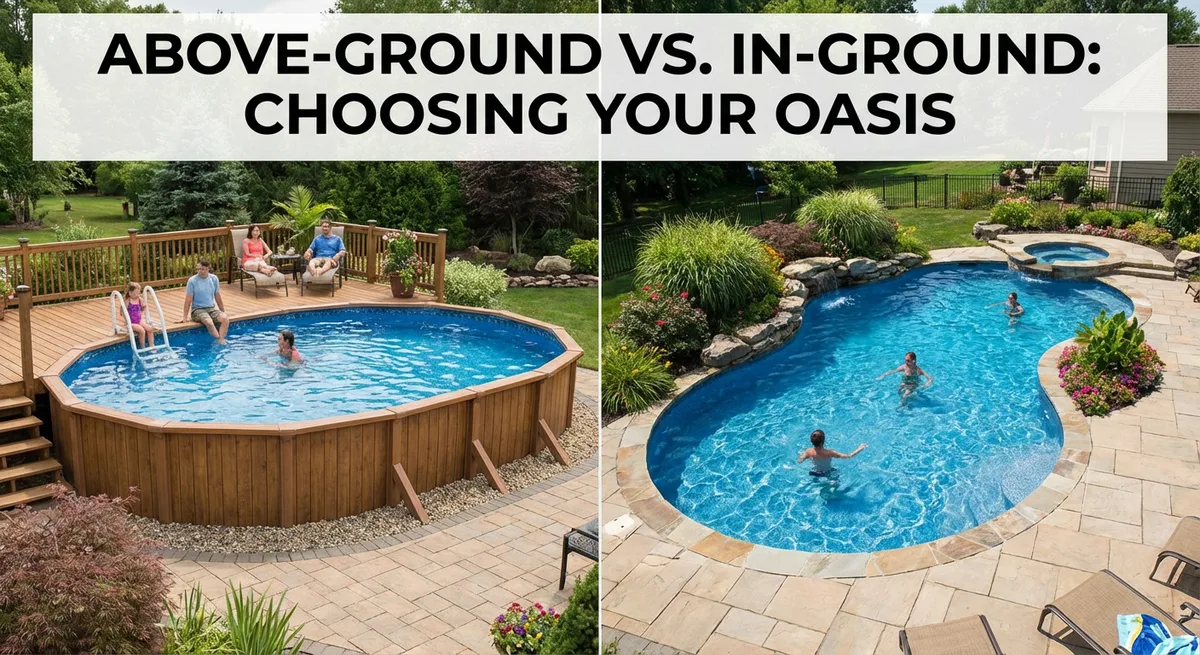
Image source: Bing (Web (fair-use with source credit))
On the other hand, if you're looking for a long-term investment, a more integrated landscape feature, and the ability to customize depth and size, an in-ground pool is the way to go. These are for homeowners who plan to stay put for many years, want to significantly enhance their property's appeal, and are prepared for the larger initial investment and more involved maintenance.
Who Are Above Ground Pools For? Finding Your Fit
The Budget-Savvy Backyarder
For many families, the primary driver for choosing an above ground pool is the price tag. A significant difference in upfront cost means you can enjoy a backyard oasis without taking out a second mortgage. If your goal is to add a fun amenity to your home that’s significantly cheaper than an in-ground option, and you're willing to accept the trade-offs in lifespan and aesthetics, an above ground pool is a smart financial move.
You can get a functional pool up and running for a few thousand dollars, rather than tens of thousands.
Families Seeking Quick Summer Fun
The ability to get swimming quickly is a massive plus, especially for families eager to enjoy the summer. Unlike the months-long process of building an in-ground pool, an above ground pool can often be assembled in just a weekend. This means less waiting and more splashing for the kids (and adults!).
It provides an immediate focal point for backyard recreation, turning an ordinary yard into a summertime hotspot without the long construction disruption.
Renters and Temporary Setups
If you rent your home or aren't sure how long you'll be in your current residence, an above ground pool offers a flexible solution. Because they aren't permanently installed in the ground, many models can be taken down and moved if you relocate. This avoids the issue of leaving a massive, expensive in-ground pool behind.
It's a way to enjoy the benefits of a private pool without making a permanent alteration to a property you don't own. Of course, you’ll need to check your lease agreement to ensure above ground pools are permitted.
Essential Pool Features and What They Mean
What's Inside the Box: Frames, Liners, and Filters
When you're looking at an above ground pool kit, you'll notice a few core components that determine its quality and longevity. The frame, which supports the entire structure, is typically made from steel, resin, or aluminum. Steel frames offer strength but can be prone to rust if not treated properly.
Resin frames are more corrosion-resistant but might be less rigid. Aluminum is lightweight and rust-proof but can be more expensive. The pool liner is usually made of vinyl, and its thickness (measured in gauge) directly impacts its durability and resistance to punctures.
A thicker liner, typically 20-25 gauge, will generally last longer than a thinner one. The filtration system is crucial for keeping water clean; it includes a skimmer to collect surface debris, a pump to circulate water, and a filter (cartridge, sand, or DE) to remove impurities.
Entry Systems and Safety Covers
Getting into and out of your above ground pool safely is paramount, and that's where entry systems come in. Most come with a basic ladder, but many homeowners opt for more robust step systems. These can be A-frame ladders with wider steps, or even deck-style steps that attach to the pool's edge, making entry and exit much easier and safer, especially for children and older adults.
Safety covers are another essential accessory. These are designed to prevent accidental falls into the pool when it's not in use. They can be made of mesh or solid material and are secured tightly to the pool's frame or deck.
Always ensure any cover you choose meets current safety standards.
Staying Safe and Legal: Pool Regulations to Know
Local Laws and Backyard Boundaries
Before you even think about setting up an above ground pool, it’s crucial to check your local regulations and any Homeowners Association (HOA) rules. Many areas have specific requirements for pool fencing, mandating a certain height and gate latch mechanism to prevent unsupervised access by children. Even though above ground pools are not permanent structures, they are still subject to these safety ordinances.
For instance, some municipalities require pools to be set back a certain distance from property lines or dwellings. Failure to comply can result in fines or forced removal of the pool.
Safety First: Preventing Accidents
Beyond legal mandates, prioritizing safety is non-negotiable. Drowning is a serious risk, and constant supervision is the most effective preventive measure when the pool is in use. When the pool is not in use, a secure safety cover, along with proper fencing, acts as a critical barrier.
Ensure your pool pump and electrical connections are installed by a qualified electrician to prevent shock hazards. Regularly inspect your pool’s structure, liner, and ladder for any signs of wear or damage that could lead to a safety issue. As noted by the U.S.
Consumer Product Safety Commission, layers of protection, including barriers, covers, and alarms, significantly reduce the risk of pool-related incidents.
Common Pitfalls and How to Sidestep Them
Installation Blunders to Avoid
One of the most common mistakes people make with above ground pools is improper site preparation. The ground MUST be perfectly level. Even a slight tilt can put undue stress on one side of the pool’s frame and liner, leading to premature wear and potential collapse.
Digging down or building up sections to level the ground often isn't sufficient; it’s usually best to start with a naturally flat area or bring in fill dirt to create a stable, level base. Another pitfall is over-tightening or under-tightening the frame components during assembly, which can compromise the pool's structural integrity.
Maintenance Mistakes That Cost You
Neglecting regular water chemistry is a fast track to a murky, uninviting pool and costly repairs. Imbalances in pH, alkalinity, and chlorine can lead to algae blooms, corrosion of metal parts, and damage to the vinyl liner. Not running the filter long enough each day is another common error; the pump needs to run for at least 8-12 hours daily to adequately circulate and filter the water.
Finally, failing to properly winterize the pool in colder climates can lead to burst pipes and damaged components. Our research indicates that consistent, basic maintenance can extend the life of an above ground pool by several years.
Your Above Ground Pool Questions, Answered (FAQ)
How long does setup take?
Setup time for an above ground pool kit typically ranges from 1 to 3 days. This includes preparing the site by ensuring it's level, assembling the frame, installing the liner, and connecting the filtration system. Larger pools or those with more complex features may take a bit longer.
What is the average lifespan of an above ground pool?
The lifespan of an above ground pool varies based on its materials, quality, and maintenance. Generally, you can expect the frame to last 10-20 years, while the vinyl liner typically needs replacement every 6-15 years. Consistent care can help maximize these lifespans.
Do above ground pools add value to a home?
Yes, but typically not as much as an in-ground pool. An above ground pool can make a property more attractive to buyers, especially those with families, but the increase in home value is generally modest compared to a permanent installation.
Is an above ground pool expensive to maintain?
The ongoing cost of maintaining an above ground pool includes chemicals, electricity for the pump, and eventual replacement parts like liners or filters. While less expensive than in-ground pool maintenance, it’s not entirely free and can add up over the summer months.
Can I put an above ground pool on a deck?
Generally, placing an above ground pool directly on a deck is not recommended or safe. Decks are typically not designed to support the immense weight of a pool filled with water and people, which can be several tons. You would need a specially engineered deck structure to safely accommodate a pool.
The Verdict: Is an Above Ground Pool Worth Your Investment?
Ultimately, whether an above ground pool is "worth it" hinges entirely on your personal circumstances, priorities, and expectations. If you’re seeking an affordable, quick way to add swimming fun to your backyard for a season or a few years, and you're prepared for the necessary maintenance and potential limitations, then yes, it can absolutely be worth the investment. They offer a tangible way to enhance summer enjoyment and create family memories without the significant financial and logistical hurdles of an in-ground pool.
However, if you envision a permanent, aesthetically integrated backyard feature that will last for decades, or if you're unwilling to commit to regular water testing and upkeep, then an above ground pool might fall short of your expectations. Our analysis shows that for those prioritizing longevity, higher property value impact, and custom design, the higher cost of an in-ground pool is generally the more suitable long-term solution. It’s about matching the pool type to your lifestyle and financial comfort zone.

