

Dreaming of a cool dip on a hot summer day but worried your backyard is just too small? You're not alone. Many homeowners wonder if an above-ground pool is a realistic option when space is tight.
Our research shows that with careful planning, these pools can absolutely be a fantastic addition to even the most compact yards.
The decision hinges on a few key factors, from the exact dimensions of your available space to local regulations. For instance, manufacturer specifications for many common round above-ground pools indicate diameters starting at just 8 feet, with heights around 30 inches, making them surprisingly adaptable. We'll walk you through everything you need to consider.
Quick Answer
Yes, above-ground pools can be great for small backyards. They offer a cost-effective way to enjoy swimming without extensive excavation. Key considerations include pool size, shape, and local zoning laws.
Careful planning ensures a fun, safe addition to limited outdoor spaces.
Is an Above-Ground Pool Right for Your Small Backyard? (The Big Question)
So, you’ve got a compact yard and the urge for a personal oasis. The big question you're probably wrestling with is: Are above-ground pools good for small backyards? The short answer is yes, but with important caveats.
They’re often more budget-friendly and quicker to install than their in-ground counterparts, making them an attractive option.
However, "small" is relative, and what fits comfortably for one person might feel cramped for another. It’s not just about whether the pool physically fits, but also about leaving enough space for circulation, safety features, and any desired surrounding deck or patio. Our analysis of various residential pool setups indicates that careful measurement and realistic expectations are your best first steps.
If you’re looking for a way to maximize enjoyment in limited outdoor square footage, an above-ground pool warrants serious consideration.
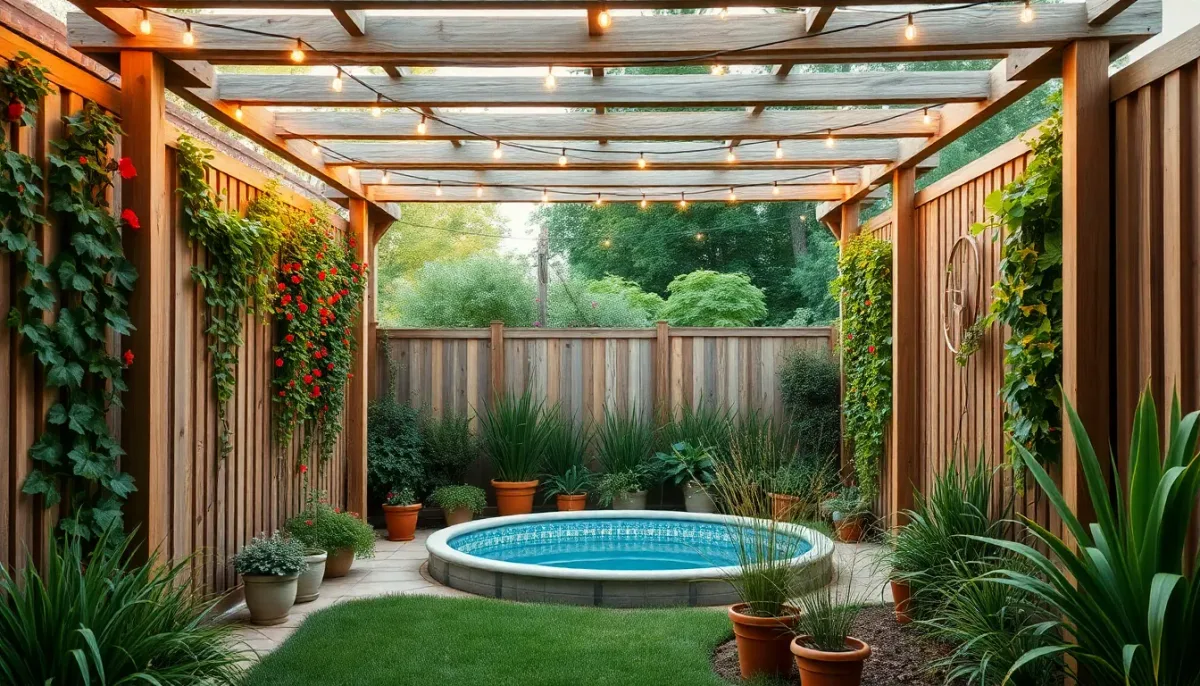
Image source: Bing (Web (fair-use with source credit))
Your Yard's Limitations: What Size Pool Can Actually Fit?
This is where the rubber meets the road, or rather, where the pool meets your property line. When you're working with a small backyard, understanding the actual space you have is paramount. It's easy to get excited about pool sizes you see advertised, but you need to be realistic about what will fit without making your yard feel like a water park crammed into a closet.
Measuring Your Space: Actual Dimensions Matter
First things first: grab a tape measure and get precise. Don't just guess. You need to know the length and width of the usable area you're willing to dedicate to a pool.
Consider not just the pool itself, but also the required clearance around it.
- Clearance: Most experts recommend at least 3 feet of clear space around the perimeter of the pool. This is for safety, access to the pump and filter, and general maintenance. Some local codes might even require more, especially if you plan to add a deck.
- Obstacles: Factor in existing structures like sheds, patios, trees, and fences. You can't place a pool right up against a wall or under low-hanging branches.
- Slopes: Is your yard perfectly level? If not, you'll need to factor in the cost and effort of excavation and leveling for the pool site. Even a slight slope can make installation tricky.
Pool Shapes for Tight Spots: Round vs. Oval vs. Rectangular
The shape of your above-ground pool can significantly impact how well it fits into a smaller yard. Each shape has its own advantages and disadvantages when space is at a premium.
- Round Pools: These are often the most space-efficient for their water capacity. Because they have no corners, they tend to fit into tighter spots more easily. They also distribute water pressure evenly, which can be a plus. A 10-foot round pool, for example, can offer a decent amount of swimming room without taking up a massive footprint.
- Oval Pools: While they offer more swimming length, oval pools require more complex yard planning. They need extra space for the longer sides, and ensuring even tension on the frame can be more challenging in a tight setup.
- Rectangular Pools: These are generally the least suitable for very small yards. They require the most linear space and can be difficult to position without cutting into other usable yard areas.
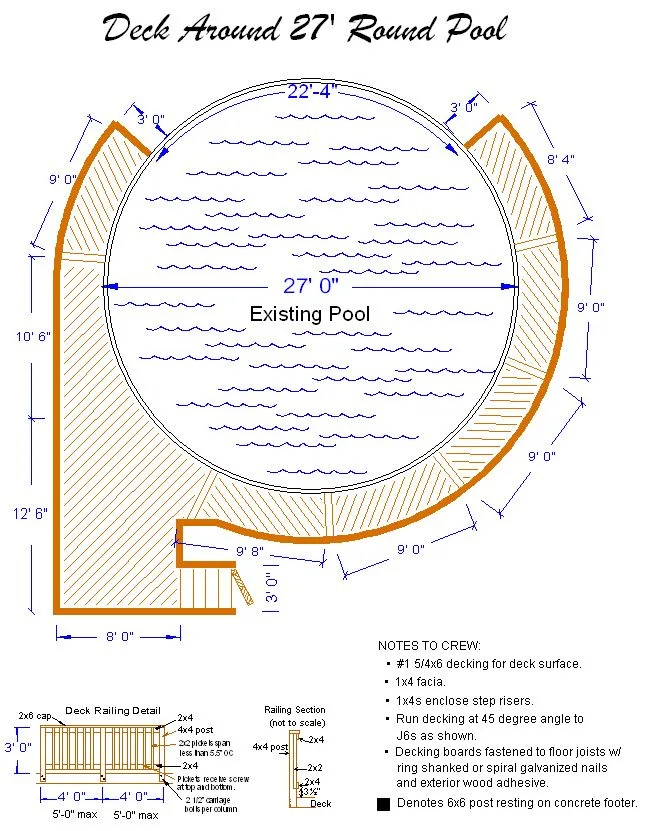
Image source: Bing (Web (fair-use with source credit))
When evaluating sizes, remember that a pool's diameter or dimensions are just one part of the equation. You also need to account for the pump and filter system, which typically sit beside the pool.
Beyond the Pool Itself: Essential Components & Setup Needs
An above-ground pool isn't just the inflatable ring or the metal frame you see. To make it functional, safe, and clean, there are several essential components that come with it, or that you'll need to purchase separately. Understanding these parts is crucial, especially in a small yard where space for equipment might be limited.
The core of your pool system revolves around keeping the water clean and ensuring safe entry and exit. This typically includes a pump, a filter, and a ladder. Manufacturer specifications often detail the power and flow rate of the included pump and filter, with common pump sizes ranging from 300 to 1500 gallons per hour (GPH) depending on the pool size.
A smaller yard means you need to find efficient placements for all this gear.
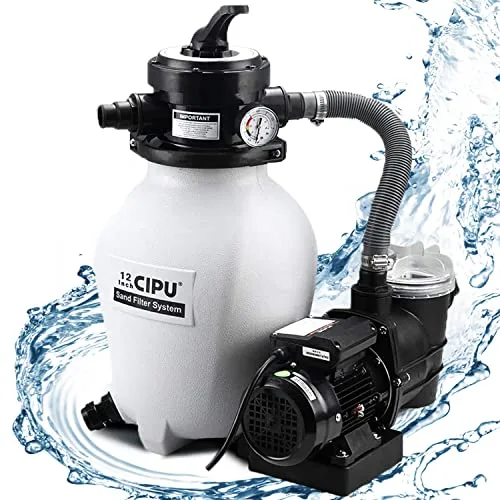
Image source: Bing (Web (fair-use with source credit))
The Pool Kit: What's Typically Included?
Most above-ground pool kits are designed for DIY assembly, though some larger models might recommend professional installation. A standard kit usually includes:
- The Pool Structure: This is the main body, made of vinyl (the liner) and a supporting frame (steel, resin, or hybrid).
- Pump and Filter System: This is vital for circulating water and removing debris. The type and size depend on the pool's capacity.
- Entry/Exit System: Usually a ladder or steps. Safety is a big factor here, especially for pools intended for children.
- Maintenance Kit: Sometimes basic items like a skimmer net and a cleaning brush are included.
- Draining/Circulation Hoses: To connect the pump and filter to the pool.
Pumps, Filters, and Ladders: Keeping It Running Smoothly
The pump and filter work together to keep your pool water sparkling. The pump circulates water from the pool, through the filter, and back into the pool. The filter traps dirt, debris, and other impurities.
Without a properly sized and maintained system, your water can quickly become murky and uninviting.
When space is tight, consider where the pump and filter will sit. They need to be accessible for maintenance but shouldn't be a tripping hazard or block pathways. Ladder systems also vary, some are simple A-frame ladders that can be folded up, while others are more substantial step-entry systems that take up more room.
Weighing the Trade-Offs: Pros and Cons for Small Yards
Deciding on an above-ground pool for a small yard involves looking at both the exciting possibilities and the potential challenges. It’s about maximizing the fun while minimizing the complications that limited space can bring. Our analysis of user experiences and manufacturer data highlights several key points for homeowners in this situation.
For many, the primary draw is the accessibility and affordability. However, you also need to be realistic about how the pool will impact the rest of your limited outdoor living space.
The Upside: Why It Might Be Perfect
- Cost-Effectiveness: Compared to in-ground pools, above-ground options are significantly less expensive, both for the initial purchase and installation. This is a major plus for budget-conscious homeowners.
- Faster Installation: Many above-ground pools can be set up in a weekend, meaning you can be enjoying your pool much sooner. This is a big advantage over the weeks or months an in-ground pool typically takes.
- Portability: While not as simple as deflating an inflatable pool, most above-ground pools can be disassembled and moved if necessary. This is a valuable flexibility, especially for renters or those who might move in the future.
- Customizable Sizes for Small Spaces: As mentioned, there are many smaller diameter round pools that can fit surprisingly well in compact yards without overwhelming the space.
- Safety: For families with young children, the elevated walls of an above-ground pool can act as a natural barrier, and the entry ladders can often be removed when the pool is not in use to prevent unsupervised access.
The Downside: Potential Headaches to Consider
- Aesthetics: Let's be honest, not everyone finds the look of an above-ground pool particularly appealing, especially in a well-manicured small garden. You might need to get creative with landscaping or decking to make it blend in better.
- Durability: While modern above-ground pools are quite robust, they generally aren't built to last as long as in-ground concrete or fiberglass pools. Liners can be punctured, and frames can degrade over time.
- Water Maintenance Demands: Even in a smaller pool, keeping the water clean and balanced requires regular effort. You'll be testing chemicals, brushing walls, and backwashing the filter.
- Yard Impact: Setting up a pool, especially a larger one, requires a perfectly level and stable base. This might involve significant ground preparation, potentially altering your yard's natural grade. The area around the pool can also become muddy or worn with use.
Navigating Backyard Rules: Safety, Permits, and HOAs
Before you even think about buying an above-ground pool, you absolutely must look into the rules governing them in your specific area. What's allowed in one town or neighborhood might be strictly prohibited in another, and ignoring these regulations can lead to costly fines or the dreaded order to take your pool down.
Local governments and Homeowners Associations (HOAs) have rules designed for safety and to maintain neighborhood aesthetics. These regulations are critical for above-ground pools, even small ones, as they impact where you can place the pool and what safety measures you must implement. For instance, some jurisdictions require pools, regardless of size, to be enclosed by a fence.
Checking Local Regulations: Don't Get Caught Out
This is non-negotiable. Contact your local building or zoning department. They can provide you with specific guidelines regarding:
- Setback Requirements: How far the pool must be from property lines, your house, and other structures. This is especially important in small yards where space is already at a premium.
- Permits: Many areas require permits for above-ground pools, even temporary ones. There might be fees associated with this.
- Fencing: Many municipalities mandate that any pool, above-ground or in-ground, must be surrounded by a fence of a certain height (e.g., 4 feet) with self-latching gates. This is a critical safety measure.
- Electrical Safety: If your pump requires electricity, ensure it meets local electrical codes and is installed safely.
Safety First: Fencing, Covers, and Access
Safety is paramount, particularly in small yards where children might have easy access. Beyond fencing, consider other safety features:
- Pool Covers: A sturdy pool cover can prevent accidental falls when the pool is not in use. Retractable or lockable covers offer the best protection.
- Ladder Removal: For above-ground pools, the ability to remove or secure the ladder is a key safety feature. This prevents unauthorized access, especially by young children.
- Emergency Preparedness: Know how to shut off the pump in an emergency and keep essential safety equipment nearby.
A common standard to be aware of is ASTM F1346-91, which outlines requirements for pool safety covers. Understanding these standards emphasizes the importance of secure covers.
The Installation Journey: Steps from Box to Backyard Oasis
Getting your above-ground pool from the box to being filled with water involves a series of crucial steps, and doing them correctly from the start saves a lot of headaches later. For small backyards, precision and careful preparation are even more important because there’s less room for error. You're not just installing a pool; you're reshaping a part of your outdoor living space.
Our research into DIY pool setups confirms that skipping steps or rushing the process is the most common cause of problems down the line, from a wobbly structure to water leakage. Each stage requires attention to detail, from ensuring the ground is perfectly flat to properly connecting the filtration system.
Preparing Your Site: Level Ground is Key
This is arguably the most critical step. An above-ground pool, especially a larger one, holds thousands of gallons of water. This immense weight will shift and settle.
If the ground beneath it isn't perfectly level, the pool structure will be under uneven stress, which can lead to:
- Structural Damage: The frame can bend or break, and the liner can stretch or tear unevenly.
- Water Leakage: Uneven water levels can cause water to pool on one side, putting extra pressure on that section of the liner and potentially leading to leaks.
- Compromised Safety: A tilted pool is a safety hazard.
To level the ground, you'll typically need to excavate a bit. You'll remove sod, clear rocks and debris, and then use a tamper to compact the soil. A builder's level or a laser level is essential here.
Some people opt for a layer of sand over the compacted soil for added cushioning and a smoother base, though this isn't always required by manufacturers.
Assembly and Filling: Getting It Ready for Water
Once your site is perfectly prepped, you can begin assembling the pool structure according to the manufacturer's instructions. This usually involves connecting the frame pieces and installing the liner. Be sure to smooth out all wrinkles in the liner before you start filling it with water.
As the pool begins to fill, you'll need to position and connect the pump and filter system. Make sure the hoses are securely attached and that the intake and outlet fittings are correctly placed in the pool wall. Many manufacturers recommend using a ground cloth beneath the pool liner for added protection against punctures.
Filling a pool, even a small one, can take many hours, depending on your water source and the pool's capacity. For a 10-foot round pool with a 30-inch height, you're looking at roughly 3,700 gallons of water, which can take over 24 hours to fill from a standard garden hose. Monitor the process, ensuring the water level is even and the pool structure is sitting flush on the ground as it fills.
Common Pitfalls and What to Watch Out For
Even with the best intentions and careful planning, mistakes can happen when installing an above-ground pool, especially in a confined backyard. Recognizing these potential issues upfront can save you a lot of stress and money. Many of these errors stem from trying to cut corners or not fully understanding the requirements of the pool.
One common pitfall is inadequate ground preparation. If the area isn't perfectly level, you'll face structural issues down the line. Another mistake is not properly installing or maintaining the pump and filter system.
Aggregate reviews indicate that neglecting regular filter cleaning can quickly lead to cloudy, unsanitary water, turning your pool into a problem rather than a pleasure.
Mistakes That Can Ruin Your Fun (or Your Yard)
- Ignoring Local Regulations: Failing to check zoning laws, HOA rules, or permit requirements before buying and installing can result in fines or forced removal.
- Improper Site Leveling: This is critical. A pool that isn't level puts uneven stress on the frame and liner, leading to premature wear or failure.
- Underestimating Maintenance: Thinking a small pool requires no work is a mistake. Regular chemical balancing, cleaning, and filter maintenance are essential for water quality and pool longevity.
- Overcrowding: Trying to fit too large a pool into a tiny yard leaves no room for seating, play, or safe passage, making the backyard feel claustrophobic.
- Skipping Safety Features: Not installing adequate fencing or a secure cover is a serious safety oversight, particularly with children.
Who Should Consider an Above-Ground Pool in a Small Yard?
So, who is the ideal candidate for an above-ground pool when your backyard is on the smaller side? It’s a decision that depends on your lifestyle, priorities, and realistic expectations for outdoor space usage. If you're looking for a fun way to cool off without a massive investment or permanent landscaping change, an above-ground pool can be a great fit.
The key is understanding that it will likely become a focal point, and you'll need to plan the rest of your yard around it. If your primary goal is a refreshing escape during hot weather and you can accommodate the space and maintenance, then it’s certainly worth exploring.
It's Not for Everyone: Who's the Ideal Candidate?
- Families with Young Children: For them, an above-ground pool offers a contained and relatively safe way for kids to enjoy water play under supervision. The elevated walls provide an extra layer of security.
- Budget-Conscious Homeowners: If an in-ground pool is financially out of reach, an above-ground option provides a significant portion of the swimming enjoyment for a fraction of the cost.
- Renters (with landlord permission): The semi-permanent nature of above-ground pools makes them a viable option for renters who get the go-ahead from their landlord. They can often be disassembled when moving.
- Those Seeking Quick Installation: If you want to enjoy a pool within days or weeks, not months, an above-ground pool is the clear choice for speed.
- Individuals Prioritizing Function Over Form: If a practical solution for cooling off is more important than a high-end aesthetic, an above-ground pool delivers.
FAQs: Your Quick Questions Answered
How long does setup take?
Setup time for an above-ground pool varies widely. For smaller pools, it can often be completed in a single day with two people. Larger or more complex models might take two to three days.
This timeframe does not include ground preparation, which can add significant time if your yard requires extensive leveling.
What's the typical lifespan of an above-ground pool?
The lifespan depends on the quality of the pool, the materials used, and how well it's maintained. Higher-end models with durable frames and thick liners can last 10-20 years or more. Budget-friendly options might last 5-10 years.
Regular maintenance, proper winterization, and protecting the liner from punctures are key to maximizing longevity.
Do I need a permit for an above-ground pool?
It's crucial to check with your local building or zoning department. Permit requirements can depend on the pool's size, depth, and whether it's considered a permanent or temporary structure. Failure to obtain necessary permits can result in fines or mandated removal.
How much maintenance is really involved?
Above-ground pools require regular maintenance. This includes daily skimming of debris, weekly testing of water chemistry (pH, chlorine levels), brushing walls, and cleaning or backwashing the filter system. As of 2026, these tasks are considered standard for any backyard pool.
Neglecting them leads to poor water quality and potential equipment damage.
Can I put an above-ground pool on a deck?
Generally, it's not recommended to place a standard above-ground pool directly on a deck. The weight of the water, which can be several tons for a moderately sized pool, puts immense stress on the deck's structure, potentially causing it to collapse. Specialized, smaller wading pools designed for decks might exist, but always consult with a structural engineer and your local building codes first.

