

Thinking about getting an above ground pool for your kids? You're not alone! Many families wonder if these backyard additions are a good bet for summer fun.
The truth is, when set up and used safely, above ground pools can be fantastic for children, offering a contained and accessible way to cool off and play.
Our research shows that a typical 15-foot round above ground pool, about 30 inches deep, can hold over 4,000 gallons of water. When considering these pools for children, safety and supervision are paramount, a point consistently emphasized by organizations like the Pool and Hot Tub Alliance (PHTA). Let's dive into what makes them work well for kids.
Above Ground Pools: A Kid-Friendly Backyard Win?
Are Above Ground Pools a Good Fit for Kids?
Above ground pools can be an excellent choice for kids, providing a dedicated space for fun and cooling off. They offer a more affordable and quicker installation compared to in-ground options, making them accessible for many families. With proper setup and diligent supervision, they deliver immediate backyard enjoyment throughout the warmer months.
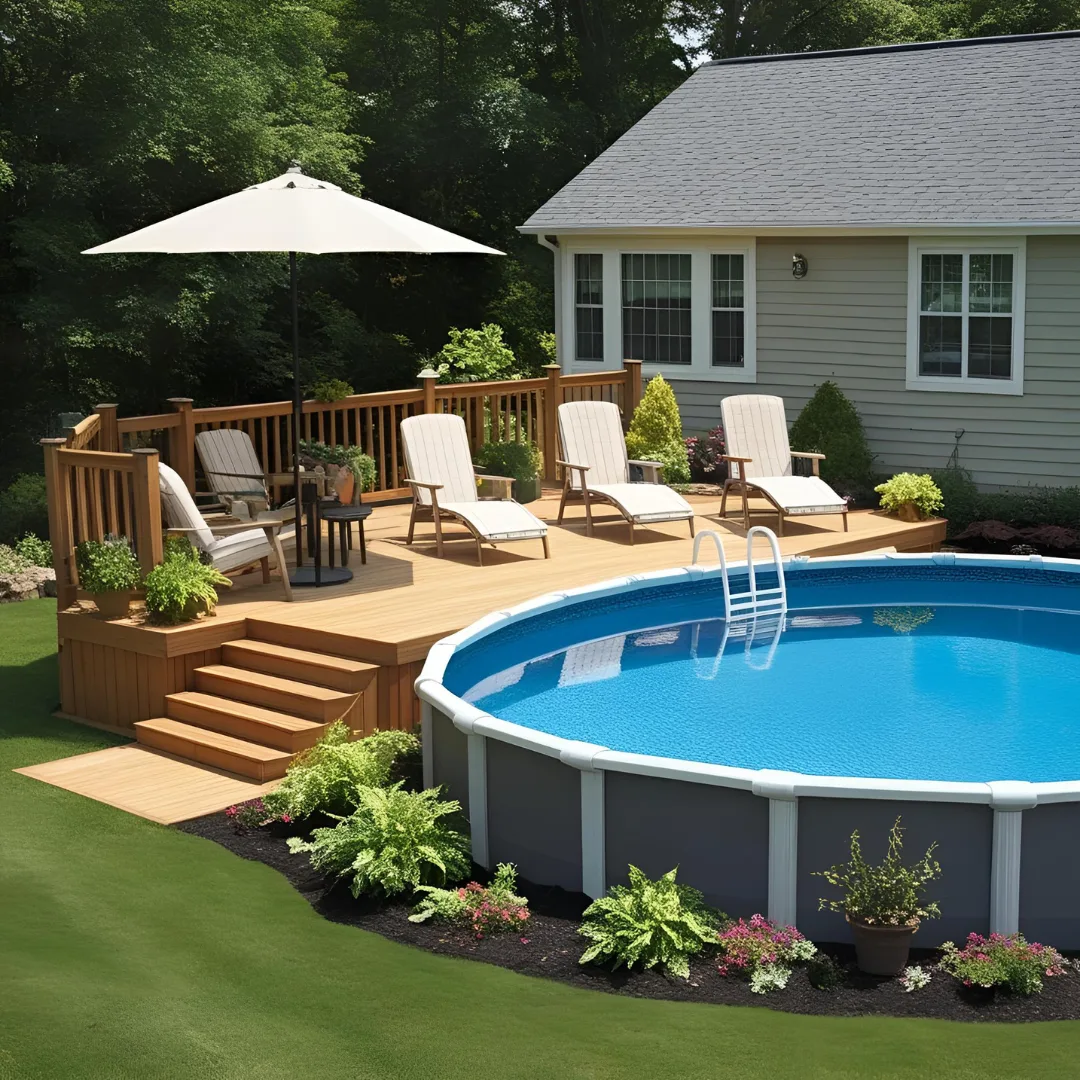
Image source: Web (Bing) / storage.googleapis.com (Web image (fair-use with source credit))
Quick Answer: Weighing the Fun vs. the Factors
Yes, above ground pools are generally good for kids. They offer affordability and quicker setup. Controlled depths are safer for younger children.
However, constant supervision is crucial. Proper maintenance ensures water safety. Many families find them a perfect solution for summer entertainment.
The Upsides: Why Kids (and Parents) Love Them
For families with children, the advantages of an above ground pool often outweigh the alternatives. They’re a direct ticket to immediate fun without the major commitment of in-ground installations. Our research indicates that the overall cost, from purchase to setup, is significantly lower, making them a practical choice.
- Affordability: You'll generally spend less on an above ground pool than an in-ground one. This includes the initial purchase, installation, and even ongoing maintenance costs.
- Faster Setup: Most above ground pools can be set up in a day or two, meaning the kids can be splashing around much sooner. This is a huge plus when you're eager for summer activities.
- Controlled Depth: Many models come with fixed depths that are suitable for children who are still learning to swim or are on the younger side. This provides a safer environment where little ones can often stand with ease.
- Backyard Entertainment Hub: An above ground pool quickly becomes the center of summer activity. It encourages outdoor play, which is great for kids' health and development.
- Portability: While not as simple as an inflatable kiddie pool, many above ground pools can be disassembled and moved if needed, offering a flexibility that in-ground pools lack.
Image source: Web (Bing) / pngtree.com (Web image (fair-use with source credit))
Potential Downsides: What to Watch Out For
While the benefits are clear, it’s important to look at the other side of the coin. Like any backyard feature, above ground pools come with their own set of challenges and potential problems. Being aware of these can help you avoid frustrations and ensure a better experience for everyone.
- Liner Durability: The vinyl liner, while strong, can be punctured by sharp objects. Kids playing with toys or even roughhousing can pose a risk. Repairs might be needed over time.
- Frame Corrosion: If the pool frame is made of steel and not properly treated or maintained, it can rust, especially in humid environments or if the protective coating is damaged. This can affect the pool's structural integrity.
- Water Quality Management: Keeping the water clean and safe requires regular effort. Without consistent filtering and chemical balancing, algae blooms and bacteria can quickly make the pool unsanitary, posing a health risk.
- Installation on Uneven Ground: For safety and longevity, the ground beneath an above ground pool must be perfectly level. Uneven ground can stress the frame and liner, leading to premature wear or even collapse.
- Assembly/Disassembly Hurdles: While quicker than in-ground, putting together some models can still be a complex and time-consuming task, often requiring more than one person. Taking them down for winter can be equally challenging.
Key Features That Matter for Kids' Pools
When you're shopping for an above ground pool with kids in mind, certain features really stand out. You're not just looking for a big tub of water; you want something that's safe, durable, and enjoyable for little ones. Think about these specifics as you browse different models.
- Depth: For younger children, a shallower depth is safer. Look for models that are around 24 to 30 inches deep. Some larger pools might have liners that allow for a shallower water level.
- Liner Material and Thickness: Thicker vinyl liners (measured in gauges) tend to be more durable and resistant to punctures. Look for liners that are at least 20-gauge or higher.
- Frame Strength and Material: Steel frames offer robust support but can rust if not treated. Resin or PVC frames are often more corrosion-resistant but might not be as strong for very large pools. Manufacturer specifications confirm frame load capacities.
- Ladder/Entry System: A sturdy, easy-to-climb ladder is essential. Some ladders have a removable lower section, which is a great safety feature to prevent unsupervised access by very young children.
- Filtration System: A reliable pump and filter are non-negotiable for maintaining water clarity and hygiene. Ensure the system is appropriately sized for the pool's volume to effectively circulate and clean the water.
Setting Up for Safe Backyard Adventures
Getting an above ground pool ready for action involves more than just unfolding it and filling it with water. Proper site preparation and assembly are crucial for the pool's longevity, your family's safety, and overall enjoyment. This is where you lay the groundwork for a fun and worry-free summer.
Site Selection: Where to Put It?
- Level Ground: This is the absolute most important factor. The pool must be placed on a perfectly level surface. Use a spirit level to check. Even a slight slope can cause uneven stress on the pool structure, leading to damage or collapse.
- Drainage: Consider where the water will go when you eventually drain the pool or if it overflows. Avoid placing it where it will flood a basement or damage landscaping.
- Proximity to Utilities: Make sure you're not placing the pool over underground utility lines. Check your local utility company’s guidelines.
- Sun Exposure: While some sun is nice, all-day direct sun can heat the water excessively and potentially degrade the liner faster. Partial shade can be ideal.
Assembly Essentials: What You'll Need
- The Pool Kit: Naturally, you'll need the pool itself, including the liner, frame, and pump/filter system.
- Ground Cloth/Pad: Many kits come with one, but if not, it's highly recommended. This protective layer shields the liner from rocks, roots, and sharp objects on the ground.
- Tools: Depending on the pool, you might need screwdrivers, wrenches, a level, a shovel (for minor leveling), and possibly a step stool. Manufacturer instructions will detail specific tool requirements.
- Water Source: You'll need a hose to fill the pool. Be prepared for it to take many hours, even days, for larger pools.
Keeping the Fun Safe: Essential Safety & Compliance
The best part about an above ground pool for kids is the safety it can offer when managed correctly. However, water and children always require vigilance. Adhering to safety guidelines isn't just about preventing accidents; it’s about ensuring your pool is a secure place for endless summer memories.
Constant Supervision is Key
No child should ever be in or around an above ground pool without active, uninterrupted adult supervision. This means no distractions from phones, books, or other chores. For younger children, an adult should be within arm's reach at all times.
This is the most critical safety rule, as drowning can happen quickly and silently.
Access Control: Preventing Unsupervised Entry
- Removable Ladders: Many pools come with ladders that can be removed or folded away when the pool is not in use. This is a fantastic deterrent for very young children who might wander into the pool area.
- Fencing: Check your local building codes and ordinances. Many areas require a fence around any pool, including above ground models, with specific height and gate requirements to prevent unauthorized access. The Pool and Hot Tub Alliance offers guidelines on pool fencing standards.
- Pool Covers: While not a substitute for supervision, a sturdy pool cover can prevent accidental falls into the water when the pool is not in use. Ensure it's securely fastened.
Water Quality Matters for Health
- Regular Testing: Use a pool test kit or strips to check the water’s pH, chlorine levels, and alkalinity regularly. According to manufacturer maintenance guides, these should typically be maintained within specific ranges for optimal sanitation and comfort. For instance, pH should ideally be between 7.2 and 7.6.
- Filtration: Ensure your pump and filter are running daily, circulating the water to remove debris and impurities. Clean or replace the filter cartridge as recommended by the manufacturer.
- Shocking the Pool: Periodically "shocking" the pool with a higher dose of sanitizer helps kill bacteria and algae that regular chlorination might miss.
Other Safety Considerations
- Non-Slip Surfaces: The area immediately surrounding the pool can get wet and slippery. Consider using non-slip mats or pool decking to reduce the risk of slips and falls.
- First Aid: Keep a basic first-aid kit readily accessible, and ensure someone in the household knows CPR.
Above Ground vs. Other Pool Options for Kids
Deciding on an above ground pool means you're likely weighing it against other ways to give your kids a water play area. Each option has its own set of pros and cons, especially when your main goal is kid-friendly fun. Understanding these differences helps you pick the best fit for your family's needs, budget, and space.
- In-Ground Pools: These are the most permanent and expensive option. While they offer a premium look and feel, they require significant investment in construction, permits, and ongoing maintenance. For families focused on simpler, less costly water fun for children, in-ground pools are often overkill.
- Inflatable Pools: These are typically much smaller and less durable than above ground pools. They are easy to set up and take down, making them great for very young children or temporary use. However, they lack the structure and filtration of a proper above ground pool, meaning water can stagnate quickly.
- Kiddie Pools (Small Plastic Pools): These are the most basic and affordable. They are perfect for toddlers and very young children to splash in under direct supervision. Their small size means they fill and drain quickly, but they offer very limited play space as kids grow.
- Splash Pads: These offer a safe, water-play experience without deep water. They often feature various sprayers and water jets. While great for little ones, they might not provide the same "swimming" experience that older kids crave.
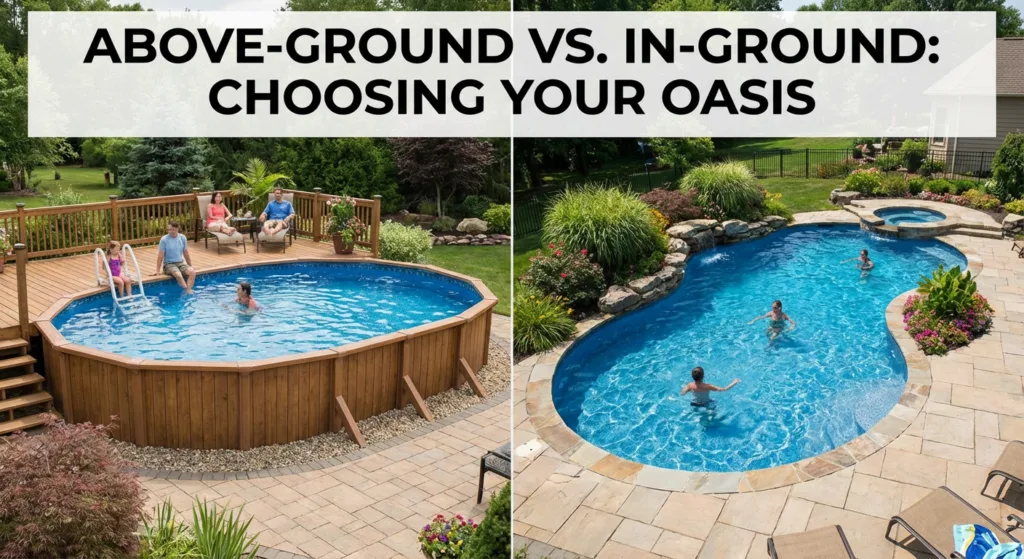
Image source: Bing (Web (fair-use with source credit))
Who Are Above Ground Pools Best For?
Above ground pools shine brightest when certain family needs and preferences are met. They’re not a one-size-fits-all solution, but for many, they hit a sweet spot of affordability, fun, and manageability. Consider if these scenarios sound like your family.
- Families on a Budget: If the cost of an in-ground pool is out of reach, an above ground model offers a way to get a substantial backyard pool experience for a fraction of the price. This makes them ideal for those looking for value.
- Renters or Those with Temporary Housing: Because many above ground pools can be disassembled, they offer a solution for families who don't own their home or anticipate moving. This portability is a significant advantage.
- Younger Children or Beginner Swimmers: Pools with controlled, shallower depths are fantastic for toddlers and young kids who are still gaining water confidence. It provides a safe space to play without deep-water risks, provided supervision is constant.
- Homeowners Seeking Quick Fun: If you want to add a pool for the current summer season without months of construction delays, an above ground pool can be set up in a weekend. This offers immediate gratification.
- Those Who Prefer Easier Maintenance: Generally, above ground pools are simpler to maintain than their in-ground counterparts. Fewer parts are underground, and the systems are often more straightforward.
Mistakes to Avoid When Using Pools with Kids
Even with the best intentions, some common missteps can turn pool time from fun to frustrating, or worse, unsafe. Being aware of these potential pitfalls can help you sidestep them and ensure your kids have a safe and enjoyable experience all summer long.
- Insufficient Supervision: This is the number one mistake. Never leave children unattended near or in the pool, even for a moment. Assume they can get into trouble faster than you can react.
- Ignoring Water Chemistry: Letting the water become cloudy or develop a green tint means bacteria and algae are growing. This isn't just unsightly; it can lead to skin infections or more serious illnesses. Regular testing and treatment are vital.
- Improper Site Leveling: Placing the pool on anything less than a perfectly flat, level surface puts immense stress on the structure. This can lead to liner tears, frame damage, and even catastrophic pool failure.
- Unsecured Access: Not having a fence or a way to secure the pool ladder means young children might get into the pool unsupervised, which is extremely dangerous. Local regulations often dictate fencing requirements.
- Overcrowding the Pool: A pool designed for a family of four might not be safe or enjoyable for six or more children playing vigorously. Stick to recommended capacity limits to avoid accidents.
Costs, Sizes, and Specs to Consider
When budgeting for an above ground pool, it's helpful to have a general idea of what different sizes and types might cost and what specifications matter. Pricing can vary widely based on brand, materials, and included accessories.
| Pool Size (Diameter x Depth) | Typical Gallon Capacity | Estimated Price Range (USD) | Frame Type | Filtration Type |
|---|---|---|---|---|
| 10 ft x 30 in | ~3,500 gallons | $200 – $500 | Steel or Resin | Cartridge Filter |
| 12 ft x 30 in | ~5,000 gallons | $300 – $700 | Steel or Resin | Cartridge Filter |
| 15 ft x 48 in | ~10,000 gallons | $500 – $1,200 | Steel or Resin | Skim Filter or Sand |
| 18 ft x 48 in | ~14,000 gallons | $700 – $1,500 | Steel Frame | Skim Filter or Sand |
| 20 ft x 48 in | ~17,000 gallons | $900 – $2,000+ | Heavy-Duty Steel | Sand Filter System |
- Lifespan: With proper care and maintenance, many above ground pools can last between 10 to 20 years. The liner might need replacement sooner, typically within 5-10 years, depending on usage and UV exposure.
- Setup Time: A smaller pool might be set up in 2-3 hours, while larger, more complex models can take a full day or even two.
- Pump and Filter Power: Pump flow rate is measured in gallons per hour (GPH). Ensure the pump is powerful enough to turn over the pool's total volume at least once every 24 hours.
Frequently Asked Questions About Kids and Above Ground Pools
How long does setup typically take?
Setup time varies significantly by pool size and complexity. Smaller pools (10-12 feet) might take 2-4 hours for two people. Larger, more robust models (18-20 feet) can take 1-2 full days to assemble and fill.
Is an above ground pool safe for toddlers?
Yes, but only with constant, vigilant adult supervision. Toddler pools are often shallower, allowing them to stand. Ensure the pool is secured against unsupervised access when not in use, and consider a removable ladder.
What kind of maintenance is involved?
Maintenance includes daily skimming of debris, running the filter daily, weekly water testing and chemical balancing (pH, chlorine), and periodic cleaning of the filter. Winterizing the pool in colder climates is also necessary.
Can I put an above ground pool on a deck?
Generally, this is not recommended unless the deck is specifically engineered to support the immense weight of a filled pool. The stress can cause structural damage to the deck and the pool. It’s best to place it on level ground.
How often should I change the pool water?
You don't need to drain and refill the entire pool water every time. Proper filtration and chemical treatment can keep the water clean for extended periods. Draining might be necessary annually or biannually for a deep clean, or if the water quality becomes unmanageable.
Making the Decision: Is It the Right Choice for Your Family?
After looking at all the ins and outs, the question remains: is an above ground pool the right addition to your backyard for the kids? For many families, the answer is a resounding yes, offering a blend of fun, affordability, and manageable upkeep. It's about finding that sweet spot between exciting summer activities and practical family life.
Consider your backyard space, your budget, and how much time you're willing to dedicate to maintenance. If you're seeking an accessible way to introduce swimming and water play without the massive commitment of an in-ground pool, above ground options are hard to beat. They provide immediate enjoyment and a central hub for family fun.
However, remember that safety and consistent care are non-negotiable. Always prioritize adult supervision, proper water chemistry, and secure access to prevent accidents. When these crucial elements are in place, an above ground pool can truly transform your backyard into a seasonal oasis for the kids.

