

Are above ground pools durable? It’s a question that sits at the heart of whether they’re a good long-term investment for your backyard fun. You want to know if that sparkling water is going to be a reality for years to come, or just a fleeting summer fling.
We’ve dug into what makes these pools tick and how long you can realistically expect them to hold up. It turns out, durability isn't just about the pool itself, but also how you set it up and take care of it. Let’s explore the factors that contribute to their longevity.
Image source: Web (Bing) / storage.googleapis.com (Web image (fair-use with source credit))
Quick Answer
Above-ground pools can be durable, typically lasting 10-20 years with proper care. Their lifespan depends heavily on material quality, installation precision, and regular maintenance. Cheaper models may last 5-10 years.
Investing in higher-quality steel or resin components and diligently maintaining water chemistry and structural integrity significantly extends their useful life.
Understanding Above-Ground Pool Durability
When we talk about how durable an above-ground pool is, we're really asking about its ability to withstand the elements and regular use over time without significant failure or deterioration. It's not just about surviving a single summer; it's about consistent performance and structural integrity year after year. The answer to "Are above ground pools durable?" depends on a mix of manufacturing quality, how well they're installed, and the owner's commitment to maintenance.
What "Durable" Means for Above-Ground Pools
Durability in this context means the pool can maintain its intended function and structural soundness for a reasonable period. For above-ground pools, this generally translates to a lifespan of anywhere from 5 to 20 years or more, depending on several key factors. A durable pool resists leaks, liner tears, frame collapse, and corrosion.
It holds water securely and remains aesthetically pleasing without constant, major repairs.
How Pool Materials Impact Lifespan
The materials used in the construction of an above-ground pool are the primary drivers of its durability. Different components, from the walls to the liner and the frame, are made from various substances, each with its own strengths and weaknesses. These material choices directly influence how well the pool will resist wear and tear, environmental factors like UV radiation and moisture, and the simple passage of time.
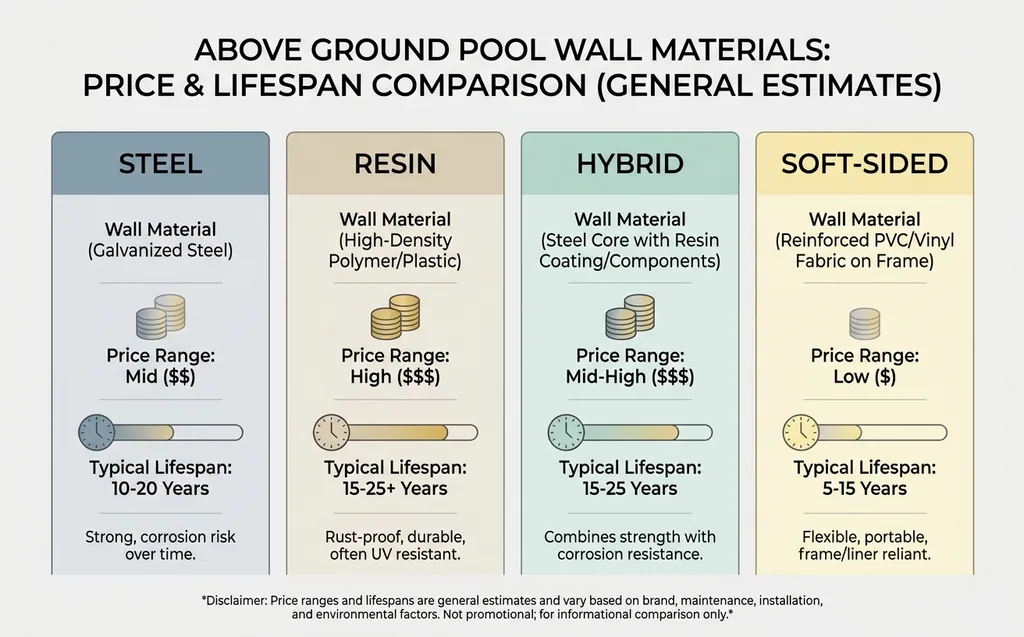
Image source: Bing (Web (fair-use with source credit))
For example, manufacturer specifications indicate that while steel walls offer robust support, they require diligent rust prevention. Conversely, resin and hybrid materials often boast superior resistance to corrosion and fading from sun exposure, which can be a major advantage in warmer climates or pools that receive direct sunlight for extended periods. The quality and thickness of these materials, as confirmed by industry standards, directly correlate with the pool's potential longevity.
Key Components Affecting Pool Longevity
Beyond just the general material type, specific components within an above-ground pool system play critical roles in its overall lifespan. Think of it like a car; the engine, transmission, and chassis all need to be sound for the vehicle to last. In a pool, the wall structure, the liner, and the supporting frame are the most crucial elements.
The Role of Walls: Steel vs. Resin vs. Hybrid
The walls of an above-ground pool are its primary structural barrier against the water. Steel walls are strong and can support significant water pressure, but they are susceptible to rust and corrosion, especially if the protective coating is scratched or compromised. This means careful attention to maintaining the coating is vital.
Resin walls, often made from high-impact plastics, are inherently resistant to rust and corrosion, making them a popular choice for durability. Hybrid walls combine elements of both steel and resin, aiming to offer the strength of steel with the corrosion resistance of resin. The engineering and gauge of these wall materials, often rated by industry standards, determine their load-bearing capacity and resistance to deformation over time.
Why Your Pool Liner Matters So Much
The pool liner is the waterproof membrane that actually holds the water. It's typically made from heavy-duty vinyl. Its thickness, often measured in gauges (e.g., 20-gauge, 25-gauge), is a direct indicator of its durability and resistance to punctures and tears.
A thicker liner will naturally withstand more abuse, whether from everyday use or accidental scrapes. However, even the toughest liners can degrade over time due to prolonged exposure to UV rays from the sun, which can make the vinyl brittle and prone to cracking. Improper water chemistry, particularly high chlorine levels or extreme pH imbalances, can also accelerate the breakdown of the vinyl.
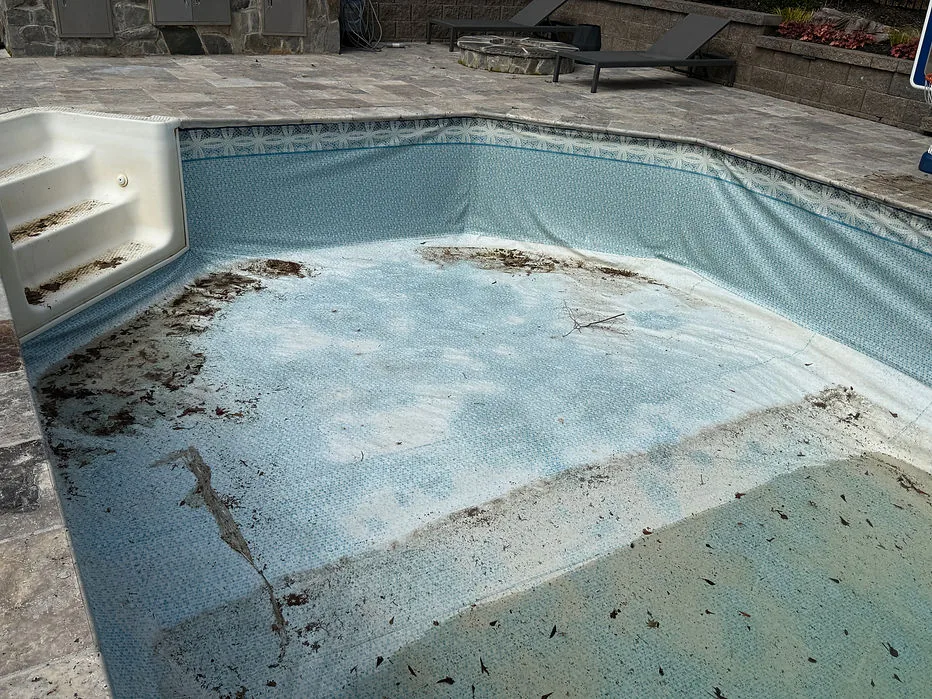
Image source: Bing (Web (fair-use with source credit))
According to consumer feedback analysis, liners are often the first component to show significant wear. A well-maintained liner, kept clean and protected from excessive sun and chemical damage, can last many years, but it's a component that requires regular inspection for signs of wear, such as fading, stiffness, or small tears.
How Long Can You Expect an Above-Ground Pool to Last?
When you're investing in an above-ground pool, you're naturally looking for value over time. The question of how long they'll last is key to that decision. While there's no single, definitive answer, a realistic expectation can be set based on several factors, including the pool's initial quality and how it's treated throughout its life.
Lifespan Estimates by Pool Quality
Generally, you can expect a lifespan of 5 to 10 years for basic, entry-level above-ground pools. These often use thinner gauge liners and less robust frame components. For mid-range to higher-quality above-ground pools, which feature thicker liners, more substantial steel or resin frames, and better protective coatings, the expected lifespan can extend to 10 to 20 years, and in some cases, even longer. Manufacturer documentation for premium models often highlights features designed for extended durability.
Factors That Shorten Pool Life
Several factors can significantly shorten the lifespan of an above-ground pool, regardless of its initial quality. One of the most critical is improper installation, particularly not setting the pool on perfectly level and stable ground. An uneven base puts undue stress on the frame and walls, leading to premature wear and potential structural failure.
Harsh weather conditions, such as heavy snow loads in winter or intense, prolonged sun exposure in summer without adequate protection, can also accelerate degradation. Lastly, neglecting regular maintenance, especially concerning water chemistry and keeping the pool clean, can damage the liner and pool components over time.
Above-Ground vs. In-Ground Pool Durability: A Comparison
When considering the durability of an above-ground pool, it's natural to compare it to the more traditional in-ground pool. While both offer a way to enjoy swimming at home, their construction, lifespan, and long-term maintenance needs differ significantly. Understanding these differences helps clarify what "durable" truly means for each type.
Initial Cost vs. Long-Term Value
The most striking difference is the initial investment. Above-ground pools are considerably less expensive to purchase and install than in-ground pools. This lower upfront cost makes them accessible to more families.
However, their typical lifespan is shorter. In-ground pools, while costing significantly more initially (often tens of thousands of dollars), are built with more permanent materials and can last 20 to 50 years or more, depending on the construction type and materials used. So, while an above-ground pool is more affordable now, an in-ground pool may offer better long-term value if its lifespan is considerably longer than multiple above-ground pool replacements.
Installation and Maintenance Differences
Installation for above-ground pools is generally straightforward and can even be a DIY project, typically taking a day or two. In-ground pools require extensive excavation, plumbing, and often professional construction, which can take weeks or months. Maintenance for both types involves regular cleaning and water balancing.
However, above-ground pools might require more frequent checks on their frame and liner for wear and tear. In-ground pools, while more robust, can suffer from more complex and costly repairs if structural issues like cracks in the concrete or leaks in the plumbing arise, which can be challenging to pinpoint and fix.
Avoiding Common Mistakes That Damage Your Pool
Even the most robust above-ground pool can have its lifespan dramatically cut short by a few common, yet preventable, mistakes. Many of these relate directly to the installation process and ongoing care. Being aware of these pitfalls is crucial for ensuring your pool remains durable for as long as possible.
The Critical Importance of Level Ground
This point cannot be stressed enough: installing an above-ground pool on anything less than perfectly level ground is a recipe for disaster. If the ground is not completely flat and stable, the weight of the water will press unevenly on the pool walls and frame. This can cause the structure to bulge, sag, or even collapse.
Manufacturer specifications universally emphasize the need for a level base, and it’s one of the most common reasons for premature pool failure. A slight tilt can put immense, concentrated pressure on one side, leading to liner tears or frame damage.
Water Chemistry: Your Liner's Best Friend (or Worst Enemy)
Maintaining proper water chemistry is fundamental to the longevity of your pool liner and its overall components. The vinyl used in liners is a type of plastic, and like many plastics, it can be degraded by harsh chemicals or extreme pH levels. If your pool's pH is too high or too low, or if chlorine levels are consistently unbalanced (either too high or too low), it can cause the vinyl to become brittle, discolored, or even break down prematurely.
Consistent testing and balancing of your pool water, following guidelines from reputable sources like the Pool & Hot Tub Alliance, is essential for preventing this type of damage.
Expert Tips for Maximizing Your Pool's Lifespan
If you’re aiming for maximum durability from your above-ground pool, smart practices are key. Think of it as an ongoing investment in enjoyment. These aren't complex, but they make a world of difference in how long your pool will serve you well.
Proper Installation and Setup Secrets
The foundation of a durable pool is impeccable installation. Ensure the ground is perfectly level and free of sharp objects before any assembly begins. Most manufacturers, including those referenced by standards bodies like the Association of Pool & Spa Professionals (APSP), recommend a stable, prepared surface.
Using a ground cloth or pad beneath the liner adds a crucial protective layer against abrasion and punctures from the ground below. Don't skip any steps in the manufacturer's assembly guide, as each connection is designed for structural integrity.
Effective Maintenance for Year-Round Health
Consistent maintenance is the secret weapon for pool longevity. Regularly test and balance your water chemistry, aiming for a pH between 7.2 and 7.6 is standard practice. This prevents liner damage and corrosion of metal components.
Keep the pool free of debris; skimming leaves and vacuuming the bottom prevents staining and potential liner snags. Inspect the frame, walls, and liner for any signs of wear or damage weekly. Addressing small issues like minor punctures or loose fittings promptly can prevent them from becoming major problems later on.
Frequently Asked Questions About Pool Durability
How long does setup typically take?
Setup time for an above-ground pool can vary significantly, but for a standard 15-24 foot round pool, it generally takes between 6 to 12 hours. This often includes ground preparation, assembly of the frame and walls, and filling the pool. Larger or more complex shapes might require more time.
Can I leave my above-ground pool up year-round?
Yes, most above-ground pools are designed for year-round use and can remain set up. However, in freezing climates, proper winterization is crucial to prevent damage from ice expansion. This usually involves lowering the water level, removing certain equipment, and adding winterizing chemicals.
What's the biggest factor affecting pool liner life?
The biggest factor affecting pool liner life is often UV exposure combined with improper water chemistry. Prolonged exposure to sunlight can degrade the vinyl, making it brittle. Similarly, inconsistent or unbalanced water chemistry, especially high chlorine or extreme pH levels, can accelerate this breakdown, leading to premature cracking or tearing.
How often should I inspect my pool for damage?
You should conduct a quick visual inspection of your pool at least weekly, looking for any obvious tears in the liner, loose fittings, or structural sagging. A more thorough inspection of all components, including the frame, walls, and liner seams, should be done at the beginning and end of each swimming season.
Is it worth investing in a more expensive above-ground pool?
Yes, investing in a higher-quality above-ground pool often proves worthwhile for durability. Models with thicker vinyl liners, more robust steel or resin frames, and better corrosion-resistant coatings tend to last significantly longer than basic, less expensive options. This can lead to lower overall costs over many years by avoiding frequent replacements.
Making the Right Choice for Your Backyard
Choosing an above-ground pool means balancing affordability with expected longevity. While they may not have the multi-decade lifespan of a professionally installed in-ground pool, a well-chosen, properly installed, and diligently maintained above-ground pool can provide years of summer enjoyment. The key is understanding the materials, committing to careful setup, and performing regular maintenance.
By following these guidelines, you can ensure your investment holds up well and delivers countless memories for your family.

