

Deciding on a backyard pool is exciting, but the cost can be a major hurdle. If you're wondering, "Are above ground pools cheaper than inground pools?", the straightforward answer is generally yes, but there's a lot more to unpack than just the sticker price. We've dug into the numbers and real-world factors to help you understand the true cost difference.
From initial purchase to long-term upkeep, these two pool types offer very different financial commitments. While an above ground pool can be a fraction of the cost to install, an inground pool often comes with a higher price tag but can offer greater longevity and property value. As of 2026, understanding these variances is key to making a smart investment for your home.
Quick Answer
Above ground pools are significantly cheaper than inground pools, both for initial purchase and installation. You can expect to pay between $1,000 and $7,000 for an above ground pool kit, while inground pools typically start at $30,000 and can easily go much higher. This price gap reflects differences in materials, labor, site preparation, and longevity.
The Big Picture: Upfront vs. Long-Term Costs
When you're thinking about putting a pool in your backyard, it's easy to get fixated on that initial purchase price. But just like buying a car or a house, the upfront cost is only part of the story. We've found that the true difference between above ground and inground pools often lies in how those costs break down over the years you'll own them.
An above ground pool offers a much lower entry barrier, making it accessible for many families. However, its lifespan and the potential for replacements mean you might spend more over the long haul than you initially planned. Conversely, an inground pool demands a substantial investment upfront, but its durability can sometimes make it more economical in the decades to come.
Understanding this upfront versus long-term cost dynamic is crucial for making the right choice for your budget and your lifestyle.
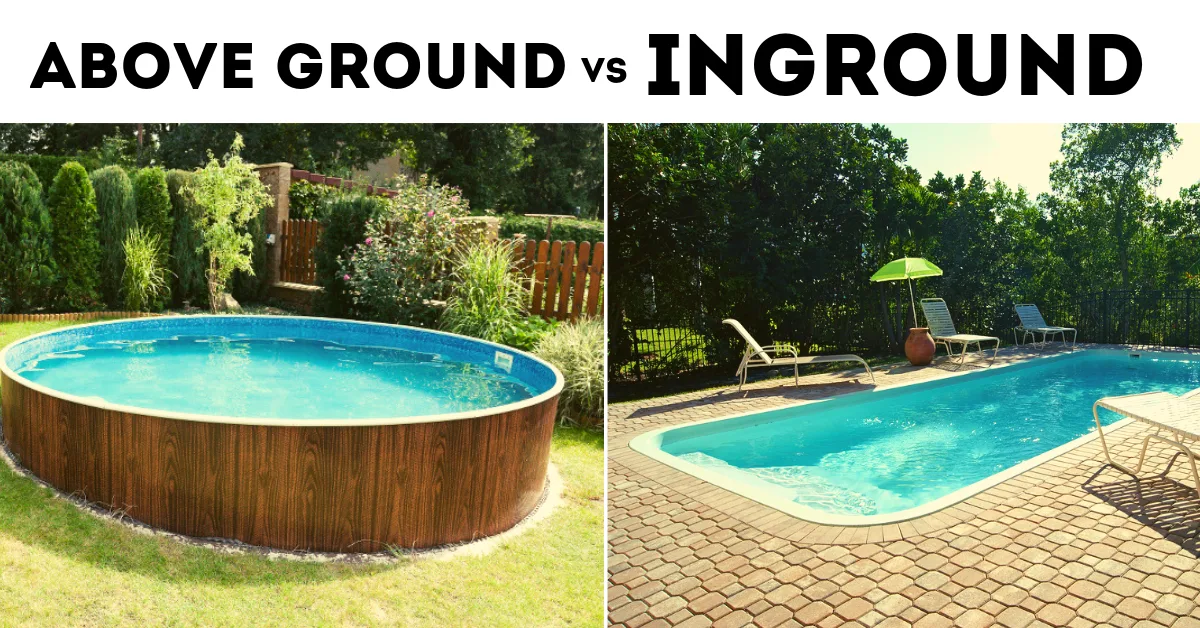
Image source: Bing (Web (fair-use with source credit))
Diving into Above Ground Pool Costs & Considerations
For many homeowners, the appeal of an above ground pool lies squarely in its affordability and speed of installation. These pools are essentially large, self-contained units that sit on top of the ground, requiring minimal disruption to your existing landscape. This simplicity translates directly into lower costs compared to their inground counterparts.
The basic structure usually involves a metal or resin frame supporting a durable vinyl liner. When you purchase an above ground pool kit, it typically includes most of the essentials to get you swimming, like the frame, liner, and basic filtration system. This package approach helps keep the initial outlay manageable.
What You Get with an Above Ground Pool
When you opt for an above ground pool, you're usually looking at a kit that contains the main components needed to assemble the structure. These kits are designed for relatively straightforward DIY installation, though professional help is also an option. The core elements are:
- Frame: This is the skeletal support for the pool, usually made from steel or resin. Steel offers strength and durability, while resin is lighter and more resistant to corrosion. Hybrid models combine both for added resilience.
- Walls: These are typically corrugated steel or a heavy-duty resin material that forms the sides of the pool.
- Liner: A thick vinyl liner holds the water and is secured to the top of the frame. These liners come in various patterns and thicknesses, impacting both aesthetics and longevity.
- Filtration System: Most kits include a basic pump and filter, often a sand or cartridge filter, to keep the water clean.
- Ladder: A basic ladder is usually part of the package, allowing access into the pool.
These kits can range in size from small kiddie pools to large family-sized pools, typically between 12 and 33 feet in diameter for round models.
Hidden Costs of Above Ground Pools
While the initial purchase price of an above ground pool kit can be as low as $1,000 to $7,000 for larger, more robust models, it's crucial to be aware of potential additional expenses. These aren't always obvious when you're browsing at the store or online.
- Site Preparation: Even though it sits on top of the ground, you'll need a level, stable surface. This might involve removing sod, grading the land, and laying down a sand base or concrete pad for larger pools, which adds labor and material costs.
- Accessories: The basic kit might not include everything you want. Think about upgrading the ladder to a more secure entry system, adding a pool cover for safety and debris protection, or purchasing a better filtration system for clearer water.
- Electrical Work: The pump and any lighting will require a power source, which may mean hiring an electrician to install a dedicated outdoor outlet and ensure proper safety grounding.
- Water Delivery: Filling a large pool can take days with a garden hose. Many people opt for water delivery services, which can add a few hundred dollars to the setup cost.
- Maintenance Supplies: Beyond the initial setup, you'll need chemicals (chlorine or other sanitizers, pH balancers), testing kits, and cleaning tools like skimmers and brushes.
These add-ons can easily increase the total cost of getting your above ground pool ready for its first dip by another $500 to $2,000, depending on your choices.
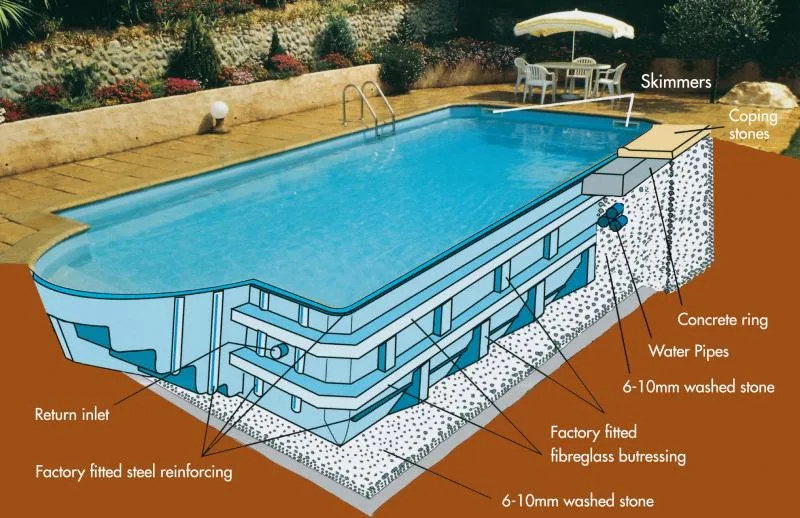
Image source: Bing (Web (fair-use with source credit))
Breaking Down Inground Pool Expenses
Inground pools represent a significant home improvement investment, and for good reason. They involve substantial excavation, specialized construction, and integration with your existing property. This complexity is the primary driver behind their higher cost, but it also leads to a more permanent and often more valuable addition to your home.
The process begins with extensive site preparation, including digging a large hole, reinforcing the walls, and installing plumbing and electrical systems. Materials like concrete, vinyl, fiberglass, or specialized liners are used to create the pool shell, followed by tiling, decking, and landscaping. Each step requires skilled labor and specific equipment, all contributing to the final price tag.
The Price Tag of an Inground Pool
When we talk about inground pools, the cost jumps considerably. Based on current market data, a basic vinyl liner inground pool can start around $30,000 to $40,000. If you're looking at fiberglass or concrete (gunite/shotcrete) pools, the price range often begins at $40,000 and can climb well over $100,000 depending on size, features, and finishes.
These figures are for the pool itself and the immediate surrounding area. Additional landscaping, fencing, pool houses, or elaborate water features can push the total project cost much higher. It's not uncommon for comprehensive inground pool projects to reach $50,000 to $75,000 or more.
Inground Pool Installation: What Drives the Cost?
Several factors influence the final cost of an inground pool, making each project unique. Understanding these elements can help you anticipate expenses and budget more accurately.
- Pool Type: As mentioned, vinyl liner pools are generally the least expensive to install, followed by fiberglass, and then concrete pools which are the most costly due to the labor-intensive construction process.
- Size and Depth: Naturally, a larger and deeper pool requires more materials, more excavation, and more water. Custom dimensions can also increase costs over standard sizes.
- Site Conditions: Rocky soil, steep slopes, or poor drainage can significantly increase excavation and site preparation costs. You might need specialized equipment or retaining walls.
- Decking and Surrounds: The material you choose for your pool deck, from poured concrete and pavers to natural stone or wood, greatly impacts the overall expense.
- Features: Adding extras like automatic pool covers, built-in steps, benches, tanning ledges, water features (waterfalls, fountains), lighting, and heating systems all add to the bill.
- Permits and Inspections: Most municipalities require permits for inground pool construction, and these fees can range from a few hundred to over a thousand dollars, depending on your location.
- Labor: This is a major component. Skilled contractors for excavation, plumbing, electrical work, concrete pouring, and finishing are essential and command professional rates.
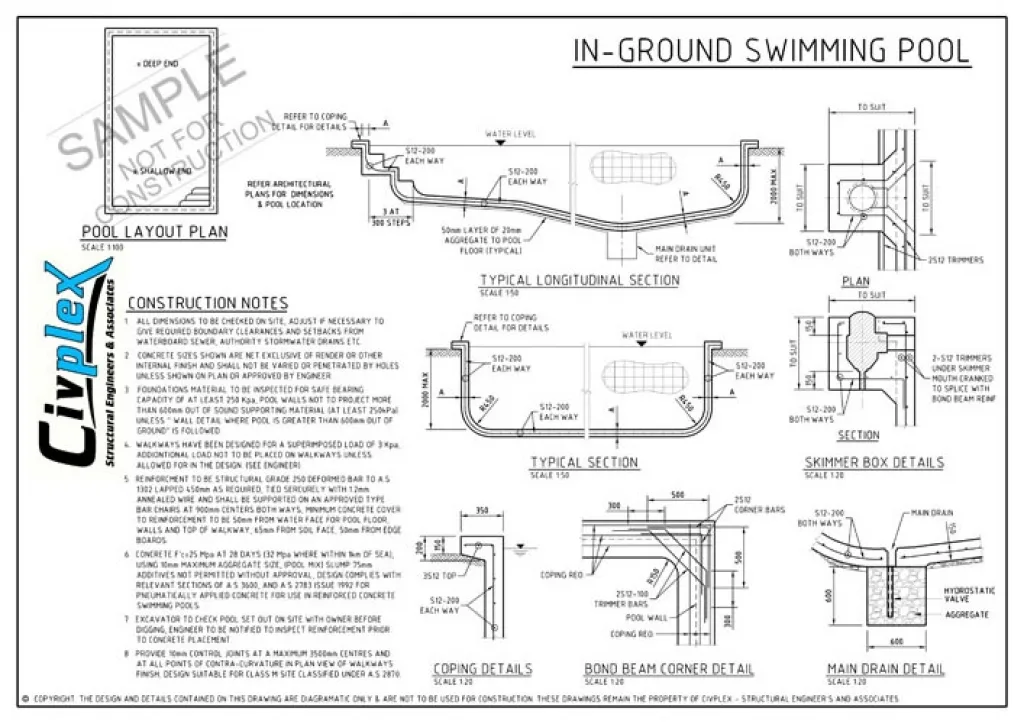
Image source: Bing (Web (fair-use with source credit))
Side-by-Side Cost Comparison: Above Ground vs. Inground
To truly grasp the financial difference, let's put above ground and inground pools head-to-head on key cost points. This comparison focuses on the typical ranges you can expect, keeping in mind that unique circumstances can always cause fluctuations.
Initial Purchase & Installation
This is where the most significant disparity lies. For an above ground pool, the cost is primarily for the kit itself and basic site preparation.
Above Ground Pools:
- Kit Price: $1,000, $7,000 (for most residential sizes)
- Site Prep: $200, $1,500 (leveling, sand/gravel base)
- Basic Accessories (pump, filter, ladder): Often included, but upgrades can add $300, $1,000
- Professional Installation: $500, $2,000 (optional, but recommended for larger pools)
- Total Initial (Typical): $1,700, $10,500
Inground Pools:
- Basic Vinyl Liner: $30,000, $45,000
- Fiberglass Shell: $40,000, $60,000
- Concrete (Gunite/Shotcrete): $45,000, $75,000+
- Excavation & Site Prep: $5,000, $15,000+ (highly variable)
- Decking & Surrounds: $3,000, $20,000+
- Permits & Inspections: $500, $2,500
- Total Initial (Typical): $38,500, $112,500+
As you can see, the upfront cost for an inground pool is at least 4 to 10 times higher than for an above ground pool.
Ongoing Maintenance & Lifespan Expenses
While the initial savings with above ground pools are clear, we must also look at how costs evolve over time.
Above Ground Pools:
- Lifespan: Liners typically last 6-15 years; frames can last 10-20 years. Complete replacement might be needed sooner if damage occurs.
- Annual Maintenance: $500, $1,500 (chemicals, electricity for pump, potential liner patch/replacement, winter cover)
- Replacement Costs: A new liner can cost $300, $800; a new pool kit might be $1,000, $7,000.
Inground Pools:
- Lifespan: Concrete pools can last 20-30 years (resurfacing needed), fiberglass 15-25 years (gel coat can fade), vinyl liners 7-15 years (like above ground). The shell itself is very long-lasting.
- Annual Maintenance: $800, $2,500+ (chemicals, electricity, professional cleaning, filter replacement, potential leak detection/repair, pump/heater maintenance)
- Major Repairs: Resurfacing a concrete pool can cost $10,000-$20,000; replacing a vinyl liner $2,000-$5,000.
Over a 20-year period, an above ground pool might require multiple liner replacements and possibly a new frame, potentially bringing its total cost closer to a very basic inground pool, though rarely exceeding it. However, the initial investment for an inground pool remains substantially higher.
Who is Each Pool Type Best For?
Choosing between an above ground and an inground pool often comes down to your specific needs, budget, and long-term vision for your property. They cater to different priorities and situations.
Above Ground Pools: The Budget-Friendly Choice
These pools are ideal for:
- First-time pool owners: They offer a lower-risk entry point to experience pool ownership without a massive financial commitment.
- Families on a tighter budget: The significant cost savings make them accessible to more households.
- Renters or those planning to move: Since they can often be disassembled and moved (or left behind), they don't tie you to a permanent structure.
- Quick setup needs: If you want to be swimming within a week or two, an above ground pool is the way to go.
- Smaller yards: Some configurations fit better into compact outdoor spaces.
If your primary goal is to have a place to cool off and play in the water without breaking the bank or undertaking major construction, an above ground pool is likely your best bet.
Inground Pools: The Premium Investment
Inground pools are better suited for:
- Homeowners looking for a permanent fixture: They are designed to last for decades and become a stable part of your property.
- Those seeking enhanced property value: A well-designed inground pool can significantly increase your home's resale value.
- Individuals prioritizing aesthetics and customization: You can design an inground pool to perfectly complement your home's architecture and landscaping.
- Owners wanting specific features: Built-in steps, tanning ledges, integrated spas, and custom lighting are exclusive to inground designs.
- Higher-end recreational use: For those who see a pool as a central feature for entertaining and serious relaxation.
If you have the budget and intend to stay in your home for the long term, an inground pool offers a more integrated, luxurious, and potentially value-adding experience.
Key Decisions & Potential Pitfalls
Making the right choice between these two pool types involves looking beyond the initial price tag. Several factors can unexpectedly inflate costs or lead to buyer's remorse if not considered carefully.
What Can Drive Up Your Pool Costs?
For above ground pools, the cost can climb due to:
- Upsizing: Opting for a larger diameter or deeper pool than initially planned.
- Premium Materials: Choosing resin frames or thicker, more durable liners over basic steel models.
- Extensive Site Prep: Needing significant grading or a full concrete pad, especially for larger, round pools.
- High-End Accessories: Purchasing elaborate entry systems, premium covers, or advanced filtration.
- Professional Installation: While not always necessary, hiring pros adds to the upfront expense.
- Water Delivery: Opting for a service to fill the pool quickly.
For inground pools, costs can skyrocket because of:
- Complex Site Conditions: Dealing with rocky terrain, high water tables, or steep slopes.
- Custom Designs: Elaborate shapes, multiple levels, or integrated spas.
- Premium Finishes: Natural stone decking, custom tile work, or high-end pool finishes like pebble aggregate.
- Advanced Features: Automatic covers, variable-speed pumps, heaters, or elaborate water features.
- Landscaping and Fencing: Integrating the pool with a complete backyard renovation.
- Permit Complications: Navigating difficult zoning laws or needing special variances.
Common Mistakes to Sidestep
When choosing between these pools, avoid these common errors:
- Underestimating Site Prep: Forgetting that even an above ground pool needs a perfectly level and stable base. A foundation failure can lead to structural damage.
- Ignoring Ongoing Costs: Focusing only on purchase price and overlooking annual maintenance, chemical, and energy expenses.
- Skimping on Filtration: Buying the cheapest pump and filter you can find. This often leads to cloudy water and more frequent cleaning, increasing overall effort and chemical use. For inground pools, failing to properly size the system for the pool volume and desired features.
- Forgetting Electrical Safety: Not hiring a qualified electrician for pump hookups or lighting can be a serious safety hazard and a code violation.
- Overlooking Permits: For inground pools, failing to secure necessary permits can result in fines or the forced removal of the pool. Even above ground pools sometimes require permits depending on local regulations.
- Choosing the Wrong Location: Placing a pool in a spot with excessive shade can promote algae growth, while one too close to trees will constantly be filled with leaves and debris.
Real-World Pool Cost Scenarios
Let's look at a couple of hypothetical situations to illustrate how the costs can play out for different homeowners. These scenarios simplify things but highlight key financial differences.
Scenario 1: The Budget-Conscious Family
The Miller family wants a pool for their kids but has a strict budget. They opt for a 24-foot round above ground pool kit that costs $3,500. They choose to do most of the setup themselves, renting a tiller to level a small section of their yard for $150.
They hire an electrician to install a dedicated outdoor outlet for the pump for $400. Filling the pool with water via hose takes a few days.
- Initial Investment: $3,500 (kit) + $150 (tiller rental) + $400 (electrical) = $4,050.
- First Year Maintenance: ~$800 (chemicals, electricity, basic cleaning tools).
- After 10 Years: They replaced the liner once ($500). Total spent: ~$12,050.
Scenario 2: The Property Value Investor
The Chen family is renovating their home and wants to add a permanent backyard feature. They decide on a 16'x32' rectangular vinyl liner inground pool with a concrete patio. The total project cost, including excavation, installation, basic landscaping, and permits, comes to $55,000.
They also add an automatic pool cover for $5,000.
- Initial Investment: $55,000 (pool & installation) + $5,000 (cover) = $60,000.
- First Year Maintenance: ~$1,500 (chemicals, electricity, opening/closing service).
- After 10 Years: They replaced the vinyl liner once ($3,500). Total spent: ~$75,000.
These examples show the stark difference in initial outlay, even when factoring in some maintenance and replacements.
Frequently Asked Questions About Pool Pricing
How much does a basic above ground pool typically cost?
A basic round above ground pool kit, often around 15-18 feet in diameter, can range from $1,000 to $3,000. This usually includes the frame, liner, and a simple pump and filter system.
What is the average cost for a small inground pool?
A small inground pool, often a 10'x20' fiberglass or vinyl liner model, can start around $30,000 to $40,000. Larger sizes or concrete construction will significantly increase this figure.
Does pool installation cost vary by region?
Yes, labor and material costs, as well as local permit fees, can vary widely by region. Areas with higher costs of living and more stringent building codes will generally see higher installation prices.
Are there any hidden costs for above ground pools?
Absolutely. Beyond the kit price, expect costs for site preparation (leveling, sand), electrical hookups for the pump, water delivery, and essential maintenance supplies like chemicals and testing kits.
Can an inground pool add value to my home?
Generally, yes, a well-maintained inground pool can increase your home's resale value, though often not by the full amount of its cost. The perceived value depends heavily on the local market and the pool's condition and features.

