

If you have a vacuum cleaner at home, you probably don’t think much about its belt. But this small part has a big job. The vacuum belt moves the brush roller, which sweeps dirt and dust from your floors. When the belt wears out or breaks, your vacuum won’t clean well—even if the motor sounds fine.
So, how often should you replace your vacuum belt? The answer isn’t the same for everyone. Let’s break down what you need to know to keep your vacuum working at its best.
Why The Vacuum Belt Matters
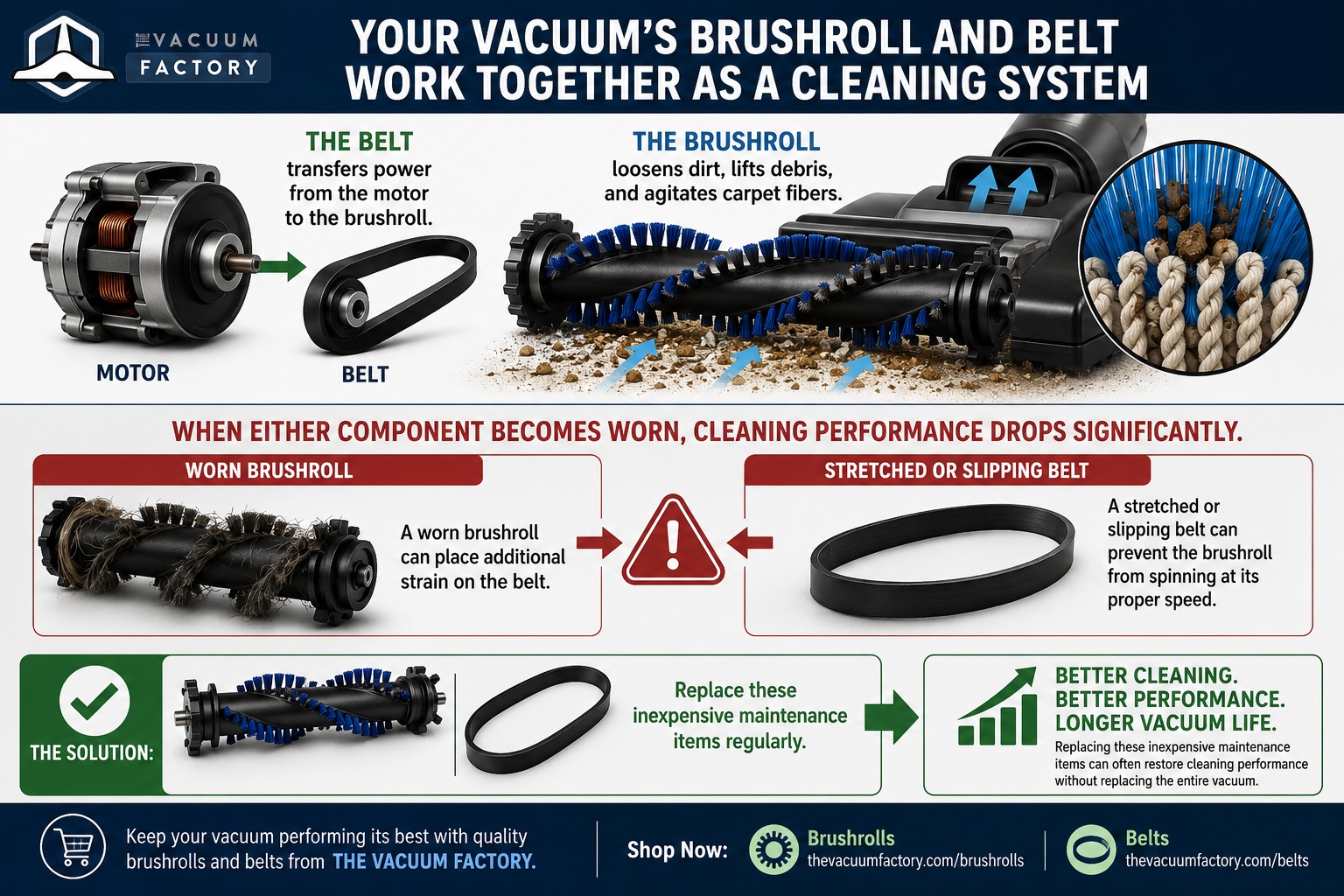
The vacuum belt is a loop of rubber or similar material. It connects the vacuum’s motor to the brush roller. As the motor spins, the belt turns the roller, letting it sweep and lift debris from carpets and hard floors.
When the belt is old or stretched, the roller slows down or stops. Dirt stays in the carpet. You might notice the vacuum leaves behind lint, pet hair, or dust that it used to pick up. Often, people think their vacuum is broken, but it’s just a worn belt.
How Often Should You Replace A Vacuum Belt?
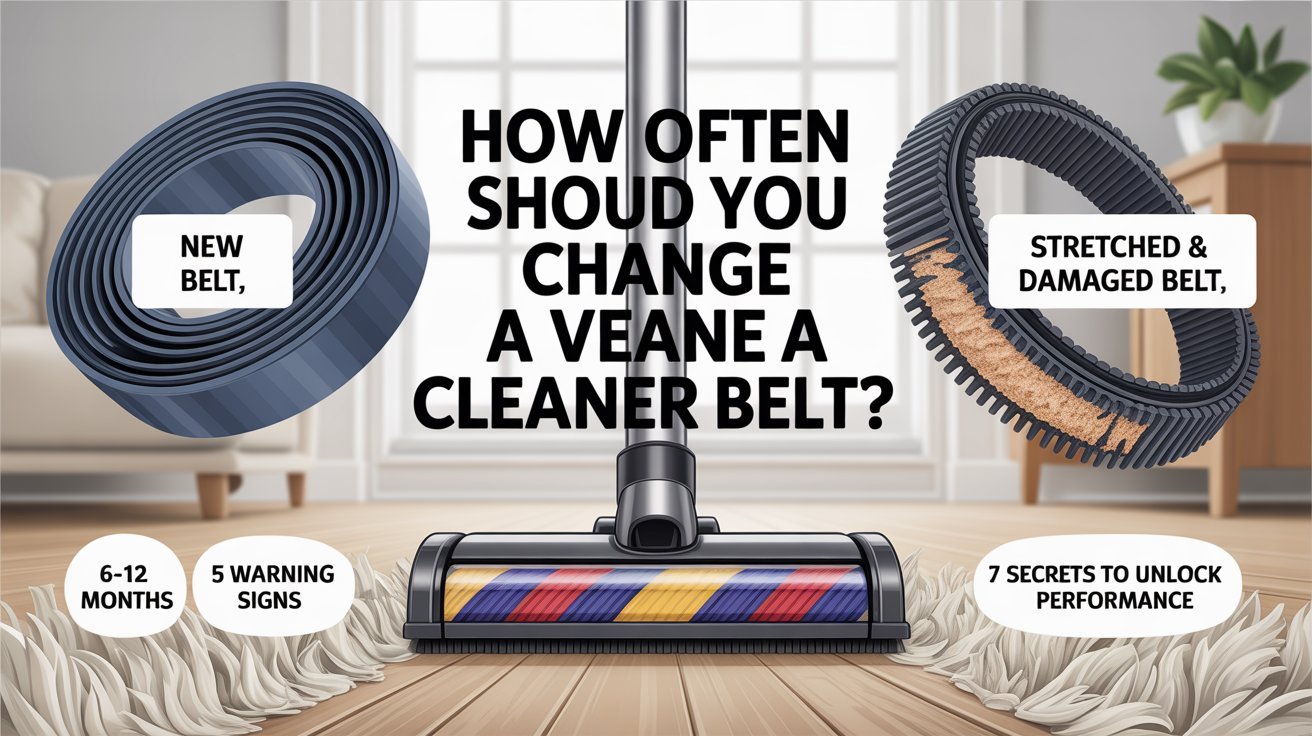
Most manufacturers suggest changing the vacuum belt every 3 to 12 months. But this is just a guideline. The right timing depends on several factors:
- Vacuum Usage: If you vacuum daily, the belt will wear out faster than if you clean once a week.
- Floor Types: Carpets with long fibers or lots of pet hair put more strain on the belt. Hard floors are easier on belts.
- Belt Type: Some belts last longer than others (more on this below).
- Vacuum Model: Older vacuums or certain brands might need more frequent changes.
On average, most households should plan to replace the belt every 6 to 12 months. If you have pets, thick carpets, or a large home, check the belt every 3 to 6 months.

Types Of Vacuum Belts And Their Lifespans
Not all belts are the same. Knowing what kind you have helps you plan maintenance.
| Type of Belt | Typical Lifespan | Main Features |
|---|---|---|
| Flat Belt | 3–9 months | Simple, inexpensive, stretches easily |
| Round Belt | 6–12 months | More durable, thicker rubber |
| Geared/Banded Belt | 1–2 years | Teeth or grooves, less slipping, lasts longer |
| Stretch Belt | 3–6 months | Very flexible, can wear out quickly |
Flat belts are the most common in older vacuums and should be checked often. Geared belts are usually found in newer or high-end models and can last much longer. Always check your owner’s manual to find out which belt your vacuum uses.
Signs Your Vacuum Belt Needs Replacing
You don’t have to wait for the vacuum to stop working. Here are some early warning signs:
- The vacuum isn’t picking up as well as before.
- You smell burning rubber during use.
- The brush roller doesn’t spin, even though the motor runs.
- You hear a slapping or squealing noise.
- The belt looks stretched, cracked, or broken when you check.
If you notice any of these, turn off the vacuum and unplug it. Check the belt right away. Replacing it sooner saves you from bigger problems like a damaged motor or brush roller.
How To Check And Replace A Vacuum Belt
Changing a vacuum belt is easier than many people think. Here’s a step-by-step guide:
- Unplug the Vacuum: Safety first. Never open a vacuum while it’s plugged in.
- Access the Brush Roller: Usually, you remove a few screws or unlatch a cover on the bottom.
- Locate the Belt: Find the belt wrapped around the motor shaft and the brush roller.
- Inspect the Belt: Look for cracks, stretching, or shiny spots (a sign of slipping).
- Remove the Belt: Slide the old belt off the roller and motor.
- Install the New Belt: Loop the new belt around the motor shaft and the roller. Stretch it into place.
- Reassemble the Vacuum: Put the cover back and tighten any screws.
- Test: Plug in and turn on the vacuum. The roller should spin smoothly.
Tip: Always use the correct belt size and type for your vacuum. Using the wrong belt can cause poor performance or damage.
Common Mistakes When Replacing Vacuum Belts
Many beginners make simple errors that lead to problems later. Here’s what to watch for:
- Using the wrong belt: Even belts that look similar may not fit or perform correctly.
- Forgetting to clean the brush roller: Hair and threads wrapped around the roller add strain and wear out new belts faster.
- Not checking for hidden damage: Sometimes, the roller bearings or motor shaft are worn, not just the belt.
- Installing the belt backwards: Some belts have a direction—check for arrows or markings.
- Overtightening screws: This can crack the vacuum’s plastic parts.
What Affects How Long A Vacuum Belt Lasts?
It’s not just about time. Several things can make a belt wear out faster:
Frequency And Type Of Use
Vacuuming high-traffic areas daily will wear a belt faster than cleaning a small room once a week.
Floor Surface
Thick or shaggy carpets force the brush to work harder, heating and stretching the belt. Hard floors are easier on belts, but sand or grit can still cause wear.
Debris Type
Pet hair and long threads can wrap around the roller, jamming it and stressing the belt. Regularly clean the roller to avoid this.
Heat And Storage
Leaving the vacuum in a hot closet or garage can dry out and crack belts. Store your vacuum in a cool, dry place.
Vacuum Maintenance
Dirty filters or clogged hoses make the motor work harder, which strains the belt. Keep your vacuum clean for longer belt life.
How To Make Your Vacuum Belt Last Longer
You can’t avoid replacing belts forever, but you can help them last:
- Clean the brush roller often—remove any hair or threads.
- Replace filters regularly to keep airflow strong.
- Don’t push the vacuum too hard—let it roll at its own pace.
- Store your vacuum indoors, out of direct sunlight or heat.
- Check the belt every few months, even if you don’t notice problems.
Do All Vacuums Use Belts?
Not every vacuum has a belt. Some use direct-drive motors or different mechanisms, especially stick vacuums and robot vacuums. Here’s a quick comparison:
| Vacuum Type | Uses a Belt? | Maintenance Needs |
|---|---|---|
| Upright (Traditional) | Usually Yes | Belt and roller checks |
| Canister | Often Yes | Belt and roller checks |
| Stick/Handheld | Sometimes | Usually direct drive, less belt use |
| Robot Vacuum | Rarely | Brush and wheel maintenance |
If you’re not sure if your vacuum uses a belt, check the manual or look up your model online.
Does Brand Matter For Belt Replacement?
Big brands like Hoover, Bissell, Eureka, and Dyson often have their own belt designs. Using a genuine brand belt is usually best. Generic belts might fit but can stretch or break faster. Some vacuums even void the warranty if you use non-brand parts.
Still, many third-party belts work well and cost less. Look for good reviews or buy from a reputable store. If you’re unsure, start with a genuine belt for the first replacement.
Real-world Example: When Regular Replacement Pays Off
Consider a home with two dogs and thick carpets. The owner vacuums five times a week. If the belt isn’t changed every 3–4 months, the vacuum’s cleaning drops by 30–40%, and pet hair builds up. After switching to a schedule of replacing the belt every season, the vacuum picked up more hair, smelled fresher, and the brush roller lasted longer.
This shows that timely belt changes don’t just keep your vacuum running—they protect your investment and improve home cleanliness.
Cost Of Replacement Belts
Vacuum belts are one of the most affordable replacement parts. Most cost between $3 and $12 each. Geared belts for high-end vacuums may cost a bit more. Compare this with the cost of a new vacuum, and regular belt changes make sense.
Some stores sell multi-packs, which can save money if you plan to replace belts regularly.
What To Do With Old Vacuum Belts
Most vacuum belts are rubber and not widely recycled. Throw them in the regular trash. Don’t try to reuse a stretched or cracked belt—it won’t work properly, and it could damage your vacuum.
How To Find The Right Replacement Belt
Check your vacuum’s model number—usually found on a sticker or plate. Use this number to look up the correct belt online or at a store. Bring the old belt with you if possible, but don’t rely on looks alone. Even small size differences matter.
Some vacuums have unique belt designs. If you can’t find the right part, contact the manufacturer’s support or visit their website. For more guidance, check this vacuum cleaner overview.
Frequently Asked Questions
How Do I Know If My Vacuum Needs A New Belt?
If your vacuum stops picking up dirt, makes odd noises, or you smell burning rubber, check the belt. Also, inspect the belt every few months for cracks or stretching.
Can I Use Any Vacuum Belt That Looks Similar?
No. Belts must match your vacuum’s model and type. A similar-looking belt may not fit properly or may wear out quickly.
What Happens If I Don’t Replace The Vacuum Belt?
The vacuum will lose cleaning power, and dirt will stay on your floors. It can also strain the motor or damage the brush roller, leading to expensive repairs.
Are Vacuum Belts Hard To Replace?
Most vacuum belts are easy to change with simple tools. Your vacuum’s manual often has clear instructions, or you can find video guides online.
Do Bagless And Bagged Vacuums Use Different Belts?
The belt type depends on the brush roller and drive system, not whether the vacuum is bagless or bagged. Always check your model’s requirements.
Keeping your vacuum’s belt fresh is a small job that makes a big difference. With a little care, your vacuum will clean better, last longer, and keep your home feeling fresh. So, set a reminder, check your belt every few months, and enjoy the benefits of a well-maintained machine.

