

Is Miele Classic C1 Good For Allergies?
If you or someone in your family struggles with allergies, you know that finding the right vacuum cleaner can make a big difference. Dust, pollen, pet dander, and other tiny particles are everywhere in the home. The wrong vacuum can spread these allergens instead of trapping them. The Miele Classic C1 is a popular vacuum, but is it really good for allergies? Let’s look at the facts, features, and real-life performance to help you decide.
Understanding Allergies And Vacuum Cleaners
Allergies are triggered by particles like dust mites, pet hair, mold spores, and pollen. These can hide deep in carpets, furniture, and even on hard floors. When you vacuum, the air flow can stir up these particles. If your vacuum doesn’t filter them well, they go back into the air, making allergy symptoms worse.
A good vacuum for allergies needs:
- Powerful suction to pull up allergens
- Reliable filters to trap tiny particles
- Sealed design to prevent leaks
- Easy cleaning and maintenance
Many vacuums claim to help with allergies, but not all do the job well. So, does the Miele Classic C1 meet these requirements?
Key Features Of Miele Classic C1
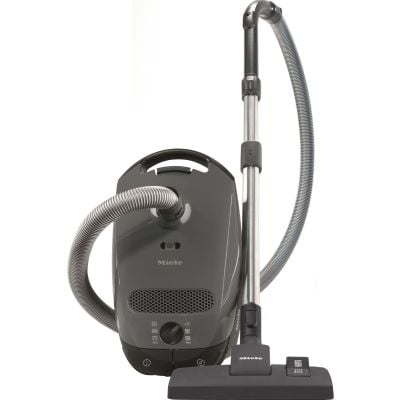
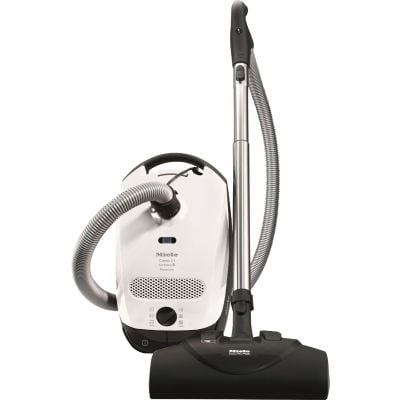
The Miele Classic C1 is a canister vacuum designed for everyday cleaning. While it is not the most advanced model from Miele, it has several features that are important for allergy sufferers.
- Suction Power: The Classic C1 uses a 1200-watt motor, which delivers strong suction. It can pull up dust and dirt from carpets and hard floors.
- Filtration System: This model comes with an AirClean filter. It is not a HEPA filter by default, but HEPA filters can be added. HEPA (High-Efficiency Particulate Air) filters trap at least 99.97% of particles down to 0.3 microns.
- Sealed System: Miele vacuums are known for their sealed systems. This means that air doesn’t leak out before going through the filter. All the air drawn in passes through the filtration stage.
- Dust Bag: The Classic C1 uses a self-sealing bag. When you remove the bag, it closes automatically, trapping dust inside.
- Accessories: The vacuum includes a dusting brush, crevice tool, and upholstery tool. These help clean surfaces where allergens collect.
Below is a comparison of filtration options for the Miele Classic C1:
| Filter Type | Particle Removal Efficiency | Recommended For Allergies? |
|---|---|---|
| AirClean Filter | 99.9% (larger particles) | Good, but not ideal |
| HEPA Filter | 99.97% (0.3 microns) | Excellent |

Filtration: The Most Important Factor
For allergy sufferers, filtration is the single most important feature. The standard Miele Classic C1 comes with the AirClean filter. This is effective against larger particles, but it does not trap the smallest ones. Many allergens are tiny—smaller than 1 micron.
Switching to a HEPA filter changes the game. HEPA filters can trap pollen, mold spores, and even bacteria. The Miele Classic C1 can use Miele’s HEPA filter (SF-HA 50), but you need to buy it separately.
Some users miss this detail. They think the vacuum is perfect for allergies without realizing the standard filter is not HEPA. If you want the best protection, make sure to upgrade.
Sealed Bag System
The self-sealing dust bag is another advantage. Changing the bag is less messy, and you don’t have to breathe in a cloud of dust. This helps keep allergens from escaping during maintenance.
Here’s a quick comparison of bag systems:
| Bag Type | Exposure to Dust | Ease of Change |
|---|---|---|
| Self-sealing (Miele) | Very Low | Easy |
| Open Bag | High | Medium |
| Bagless Bin | Medium-High | Varies |
Cleaning Performance On Allergens
The Classic C1 is suitable for both carpets and hard floors. It has adjustable suction settings, so you can lower the power for delicate surfaces and increase it for deep cleaning.
People with allergies often need to vacuum more often and more thoroughly. Strong suction helps remove dust mites, pet hair, and pollen trapped in carpet fibers. The vacuum’s floorhead can reach under furniture and into corners, which are common places for allergens to hide.
Real-life Example
A family with two cats and a member with asthma used the Miele Classic C1 with a HEPA filter. After a week of daily cleaning, they noticed less sneezing and coughing. The bag was easy to change, and there was no visible dust released.
However, they mentioned that the standard filter did not control pet odors as well as the HEPA.
Comparing Miele Classic C1 To Other Allergy-friendly Vacuums
How does the Classic C1 stack up against other models? Here’s a side-by-side comparison with two popular options:
| Feature | Miele Classic C1 | Dyson Ball Animal 2 | Shark Navigator Lift-Away |
|---|---|---|---|
| Filtration | AirClean (optional HEPA) | HEPA | HEPA |
| Bagged/Bagless | Bagged | Bagless | Bagless |
| Sealed System | Yes | Yes | Yes |
| Pet Hair | Good | Excellent | Good |
| Odor Control | Moderate | Good | Moderate |
| Noise Level | Low | Medium | Medium |
| Weight | Light (12 lbs) | Heavy (17 lbs) | Medium (14 lbs) |
Miele’s sealed bag system is a big plus for allergy sufferers, since bagless vacuums can release dust when emptying. But you must add the HEPA filter for the best results.
Maintenance And Long-term Use
To get the most from the Miele Classic C1, you need to:
- Change the bag regularly (usually every 1-2 months for allergy sufferers)
- Replace the filter every 6-12 months (HEPA may need more frequent changes)
- Clean the accessories to prevent buildup
Neglecting maintenance can reduce performance. For example, a full bag lowers suction and can let dust escape. A clogged filter cannot trap allergens well.
Some people forget to replace filters, thinking the vacuum will still protect them. This is a common mistake. Set reminders or check the filter indicator if your model has one.
Limitations Of The Classic C1 For Allergies
While the Classic C1 is a strong contender, it has a few limitations:
- No HEPA filter included by default: You must buy this separately.
- No powered brush head: For homes with lots of carpets, a powered head can lift more allergens.
- Basic odor control: The AirClean filter does not neutralize smells as well as some specialized filters.
- Manual cord rewind: Not a major issue, but some allergy-friendly models have automatic systems.
Despite these, the vacuum is reliable and easy to use. For homes with mostly hard floors and area rugs, the Classic C1 is excellent. If you have thick carpets or pets, consider adding the HEPA filter and possibly a powered brush head.
Two Insights Most Beginners Miss
- Filtration upgrades matter more than vacuum brand: Many buyers focus on the brand but ignore the filter type. Upgrading to a HEPA filter turns a basic vacuum into an allergy powerhouse.
- Bagged vacuums are often safer for allergies than bagless: While bagless vacuums are popular, emptying them can expose you to dust clouds. The Miele Classic C1’s self-sealing bag is a big advantage for sensitive users.
Practical Tips For Allergy-friendly Vacuuming
- Always vacuum slowly to let the suction pull up deep particles.
- Use the crevice tool and brush for baseboards and upholstery.
- Open windows after vacuuming to let fresh air in.
- Clean and change filters and bags often—don’t wait for them to look dirty.
- Consider vacuuming twice a week if you have pets or pollen issues.
If you want more detailed information on HEPA filtration, you can check this Wikipedia page.
Is Miele Classic C1 Good For Allergies?
The answer depends on how you use it. With the standard AirClean filter, the Classic C1 is decent, but not ideal. Upgrade to the HEPA filter, and it becomes an excellent tool for reducing allergens in your home. Its sealed bag system and strong suction are real benefits, especially for people with asthma or severe allergies.
If you have mostly hard floors, light carpets, or want a lightweight vacuum, the Classic C1 is a smart choice. For homes with thick carpets, pets, or odor problems, invest in the HEPA filter and consider extra accessories. Maintenance is key—don’t let bags or filters get full.
In short, the Classic C1 can be very good for allergies, but only if you add the HEPA filter and follow best practices. It’s a simple, reliable machine with strong results for those who take care of it.
Frequently Asked Questions
Can I Use The Miele Classic C1 Without A Hepa Filter For Allergies?
Yes, but it’s less effective. The AirClean filter is good for larger particles, but many allergens are tiny. For best results, buy and install the HEPA filter.
How Often Should I Change The Bag And Filter?
For allergy sufferers, change the bag every 1-2 months or sooner if it looks full. Replace the HEPA filter every 6-12 months, depending on usage and air quality.
Is A Bagged Vacuum Like The Classic C1 Better Than A Bagless Vacuum For Allergies?
Yes, because bagged vacuums trap dust and allergens inside a sealed bag. When you remove the bag, less dust escapes. Bagless models often release clouds of dust during emptying.
Does The Classic C1 Help With Pet Allergies?
With the HEPA filter installed, it can trap pet dander and hair well. However, it does not include a powered brush head, so homes with lots of pet hair may need that extra accessory.
What Is The Price Difference Between Standard And Hepa Filters For The Classic C1?
The standard AirClean filter is included. The HEPA filter costs around $40–$50 extra, but is worth it for allergy protection. Check prices from Miele or official dealers.
Finding the right vacuum for allergies can change your home life. The Miele Classic C1, with the right filter and care, offers solid protection and easy maintenance. For many allergy sufferers, it’s a smart investment.

