

Many people worry about dust mites in their homes, especially if they or their family members suffer from allergies or asthma. These tiny creatures are invisible to the naked eye, yet they can cause big problems for our health. One of the most common questions people ask is: Can vacuums remove dust mites? While vacuuming is a popular cleaning method, its true effectiveness against dust mites is often misunderstood. In this article, we’ll explore how dust mites live, how vacuuming works against them, and what really helps reduce their numbers at home. If you want a healthier, cleaner living space, understanding these details will help you make the right choices.
What Are Dust Mites?
Dust mites are microscopic insects that live in household dust. They thrive in warm, humid environments, especially in bedding, carpets, and upholstered furniture. Dust mites feed on dead skin cells from humans and pets. Their waste contains proteins that can trigger allergic reactions and asthma symptoms.
A single gram of dust can contain thousands of dust mites. Most homes have dust mites, no matter how clean they look. They are most active in areas where people spend a lot of time, like beds and sofas.
Why Are Dust Mites A Problem?
For most people, dust mites are not dangerous by themselves. The problem comes from the allergens they produce. These include:
- Fecal matter (dust mite droppings)
- Shed skins
- Enzymes
These particles become part of the dust in your home. When you breathe them in, your body can react by sneezing, coughing, or having watery eyes. For people with asthma, dust mites can make symptoms worse.
According to the American Academy of Allergy, Asthma & Immunology, dust mite allergies affect around 20 million Americans. Children are especially sensitive, and dust mites can even make asthma harder to control.

How Do Vacuums Work Against Dust Mites?
Vacuum cleaners are designed to remove dust, dirt, and small debris from floors and furniture. But can vacuums really remove dust mites themselves, or just the dust they live in?
What Vacuums Can Remove
- Loose dust and debris
- Dust mite waste (allergens)
- Some live and dead dust mites
What Vacuums May Leave Behind
- Dust mites deep inside fabrics or mattresses
- Dust mites clinging tightly to fibers
- Allergen particles too small for basic filters
The type of vacuum and filter system makes a big difference. Standard vacuums without special filters can suck up dust but often blow tiny particles back into the air. This can actually spread dust mite allergens around your home.
Types Of Vacuum Cleaners: Which Work Best?
Not all vacuums are equal when it comes to removing dust mites and their allergens. Here’s a comparison of common types:
| Vacuum Type | Effectiveness Against Dust Mites | Key Features |
|---|---|---|
| Standard Vacuum | Low | Basic suction, no special filter |
| HEPA Vacuum | High | HEPA filter traps fine particles |
| Bagless Vacuum | Medium | Easy to empty, may release dust when opened |
| Upright/Canister Vacuum | Varies | Depends on filter and suction power |
| Steam Cleaner | Very High | Kills dust mites with heat |
HEPA vacuums are the most effective for allergies. HEPA stands for “High-Efficiency Particulate Air.” These filters trap at least 99.97% of particles as small as 0.3 microns, which includes dust mite allergens.
Can Vacuuming Remove All Dust Mites?
Vacuuming helps reduce the number of dust mites and their allergens, but it rarely removes all of them. Here’s why:
- Dust mites burrow deep inside carpet fibers, mattresses, and upholstery.
- Many vacuums cannot reach mites hidden below the surface.
- Dust mite eggs and waste may remain even after cleaning.
A study published in the journal Allergy found that vacuuming with a HEPA filter can reduce dust mite allergen levels by about 20-50% over several weeks. However, regular vacuuming alone cannot eliminate dust mites.
How To Vacuum For Maximum Dust Mite Control
If you want to get the most out of vacuuming, use these practical tips:
- Use a HEPA-filtered vacuum. This is the single most effective step.
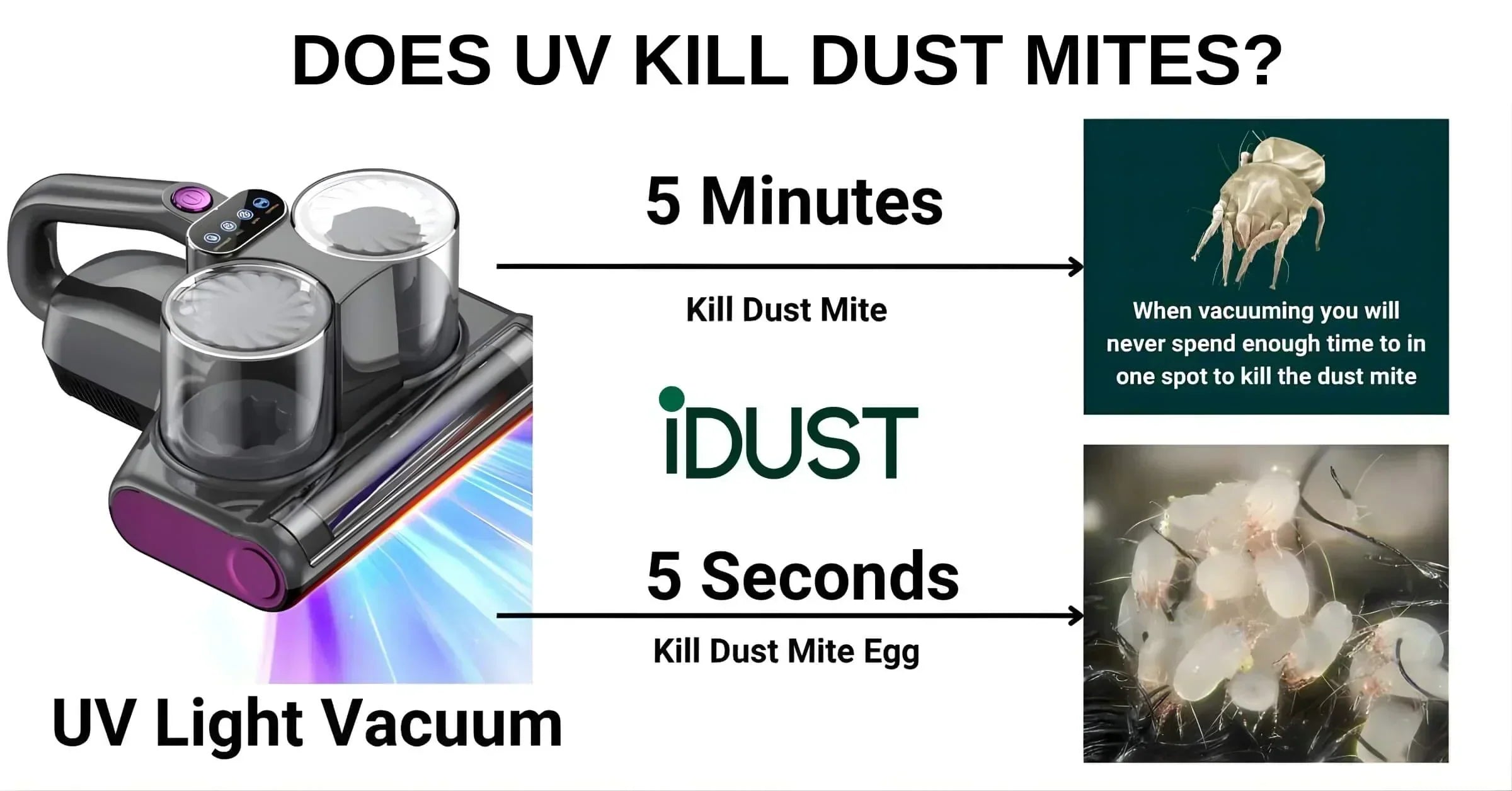
- Vacuum slowly. Moving slowly gives the vacuum more time to pull up mites and allergens.
- Go over each area multiple times. One pass is not enough, especially on carpets or rugs.
- Vacuum all soft surfaces. Don’t forget sofas, chairs, and mattresses.
- Empty the vacuum outside. Avoid spreading dust back inside your home.
- Wear a mask if you’re sensitive to dust.
Common Mistakes People Make
- Using a regular vacuum with no filter, which blows allergens back into the air
- Not vacuuming mattresses and furniture
- Only vacuuming once a week
- Forgetting to clean vacuum filters and bags regularly
Comparing Cleaning Methods For Dust Mite Removal
Vacuuming is just one part of a complete dust mite control plan. Here’s how it compares with other methods:
| Method | Removes Dust Mites? | Removes Allergens? | Extra Benefits |
|---|---|---|---|
| Vacuuming (HEPA) | Some | Most | Reduces loose dust |
| Steam Cleaning | Most | Most | Kills mites with heat |
| Washing Bedding (Hot Water) | All | All | Simple and effective |
| Freezing | All | Most | Good for small items |
| Dust Mite Sprays | Some | Some | Quick but may have chemicals |
Washing bedding in hot water (at least 130°F or 54°C) is the most reliable way to remove both dust mites and their allergens from sheets, pillowcases, and blankets. Steam cleaning works well for carpets and large furniture.
What Really Works For Dust Mite Control
Vacuuming helps, but it’s not enough by itself. To truly keep dust mite numbers low, use a combination of methods:
- Wash bedding weekly in hot water. This removes dust mites and their waste.
- Cover mattresses and pillows with dust-proof encasements. These covers block mites from getting in or out.
- Reduce humidity. Dust mites need moisture to survive. Keep indoor humidity below 50%.
- Vacuum with a HEPA filter regularly.
- Remove carpets if possible, especially in bedrooms.
- Minimize clutter. Less clutter means fewer places for dust and mites to hide.
- Steam clean carpets and upholstery occasionally.
Two Insights Most People Miss
- Humidity Control Is Key: Many people focus on cleaning but forget that dust mites cannot survive without moisture. Using a dehumidifier or air conditioner can dramatically lower dust mite populations.
- Mattress and Pillow Covers Matter: Even the best vacuum can’t pull mites out from deep inside your mattress. Dust-proof covers are an easy, long-lasting solution that most people overlook.
Real-world Example: Allergic Family
Consider a family with a child who has dust mite allergies. They vacuum every week but still notice sneezing and itchy eyes. After switching to a HEPA vacuum, adding mattress covers, and running a dehumidifier, allergy symptoms improve in two weeks. This shows that combining methods is more effective than relying on vacuuming alone.
How Often Should You Vacuum?
For most homes, vacuuming carpets and rugs twice a week is a good goal. If someone in your home has allergies or asthma, vacuuming three times a week may be needed, especially in bedrooms and living areas. Always vacuum slowly and overlap your passes to pick up as much dust as possible.
Are Robot Vacuums Helpful?
Robot vacuums are popular for keeping floors clean with less effort. Most are good at picking up dust and pet hair, but only some high-end models have HEPA filters. Robot vacuums can help reduce surface dust, but they should not replace deep cleaning with a powerful upright vacuum or steam cleaner.
The Truth About “allergen-free” Vacuums
Some vacuums are sold as “allergen-free” or “anti-dust mite.” Be careful with these claims. The most important feature to look for is a true HEPA filter. Marketing terms can be misleading—check for real filter ratings and reviews before buying.
For more information on dust mites and allergy management, visit the CDC’s Dust Mites and Asthma page.

Frequently Asked Questions
Can Vacuuming Alone Get Rid Of Dust Mites?
Vacuuming alone cannot eliminate all dust mites, especially those deep inside mattresses, pillows, or carpets. It does remove some live mites and their waste, but combining vacuuming with washing bedding, using covers, and controlling humidity is much more effective.
How Do I Know If My Vacuum Has A Hepa Filter?
Check your vacuum’s product label or manual. True HEPA filters are labeled with the HEPA standard (trapping 99.97% of particles down to 0.3 microns). If your vacuum does not mention HEPA, it likely does not have this filter.
Is Steam Cleaning Better Than Vacuuming For Dust Mites?
Steam cleaning is more effective at killing dust mites because it uses heat to destroy them. Vacuuming mainly removes loose dust, some mites, and allergens. For best results, use both: vacuum regularly and steam clean carpets and furniture occasionally.
Do Dust Mites Live Only In Carpets?
No. Dust mites live in many soft materials, including bedding, mattresses, pillows, sofas, and curtains. Any place that collects dust and stays warm and humid can harbor dust mites.
Can Air Purifiers Help With Dust Mites?
Air purifiers with HEPA filters can reduce airborne dust mite allergens, especially if you use them in bedrooms. However, air purifiers cannot remove dust mites from bedding, carpets, or furniture.
Dust mites are a common problem, but you can control them with the right cleaning and prevention strategies. Vacuuming—especially with a HEPA filter—plays an important role but works best when combined with other steps like washing bedding, using protective covers, and lowering humidity.
By understanding how dust mites live and what methods are most effective, you can create a healthier home for yourself and your family.

