

Choosing the right vacuum isn’t just about style or price. One of the most important factors is suction power. Many buyers focus on features like bagless design or HEPA filters, but ignore suction power—often because it’s confusing. If your vacuum doesn’t have enough suction, cleaning will be slow, frustrating, and ineffective. On the other hand, too much suction can damage delicate carpets or make the vacuum hard to push. So, how much suction do you really need? Let’s break down the numbers, explain the science, and help you make a confident choice.
What Is Suction Power?
Suction power refers to how strongly a vacuum pulls in dirt, dust, and debris. Manufacturers measure suction in several ways:
- Air Watts (AW): Combines airflow and water lift to show actual cleaning power.
- Water Lift (inches): Indicates the force a vacuum can pull water vertically.
- Cubic Feet per Minute (CFM): Measures how much air is moved per minute.
- Pascal (Pa): Used in robot vacuums, shows pressure difference.
The right suction power depends on your cleaning needs. For example, picking up fine dust needs high airflow, while heavy debris requires strong water lift. Some vacuums list only motor wattage, which can be misleading—higher wattage doesn’t always mean better suction.
Why Suction Power Matters
Without enough suction, a vacuum leaves dirt behind. You may have to go over the same spot multiple times. Too much suction can make it hard to move the vacuum or even damage rugs. Suction power is especially crucial for:
- Deep carpet cleaning
- Removing pet hair
- Picking up large debris
- Cleaning thick or shaggy rugs
For hard floors, suction is less critical, but still important for picking up fine dust.
Suction Power Benchmarks
Let’s look at some typical numbers for popular vacuum types.
| Vacuum Type | Air Watts (AW) | CFM | Water Lift (inches) |
|---|---|---|---|
| Stick Vacuum | 50–100 | 40–70 | 30–60 |
| Upright Vacuum | 100–200 | 70–100 | 60–90 |
| Canister Vacuum | 200–350 | 100–150 | 90–120 |
| Robot Vacuum | 10–30 | 10–20 | 5–15 |
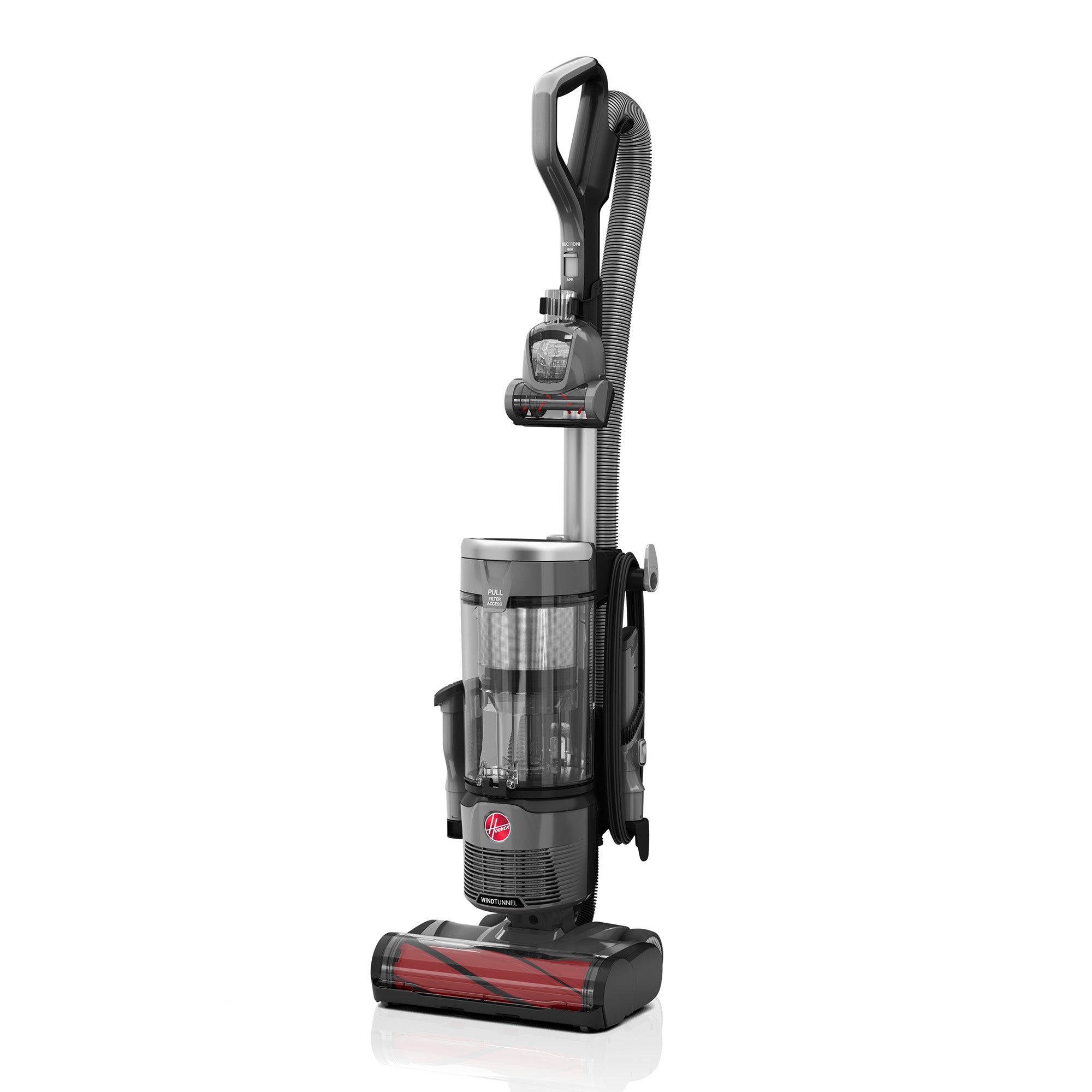
For most homes, a full-size upright with at least 100 AW is enough. If you have thick carpets or pets, aim for 150 AW or more. Robot vacuums are weaker, but suitable for daily dusting.
Matching Suction Power To Your Needs
Vacuum shopping isn’t one-size-fits-all. Here’s how to match suction to your home:
Carpets
- Low pile: 100–150 AW
- High pile/Shag: 150–250 AW
- Delicate rugs: Under 100 AW
Hard Floors
- Tile, wood, laminate: 50–100 AW
- Concrete/garage: 100–150 AW
Pet Owners
Pet hair is stubborn. If you have pets, choose:
- 150 AW or higher
- Strong brush roll for carpets
- HEPA filter for dander
Allergies
For dust allergies, look for:
- High CFM (over 100)
- HEPA filtration
- Sealed system to avoid leaks
Large Debris
If you clean up cereal, sand, or small stones:
- High water lift (over 80 inches)
- Wide intake
These numbers are not strict rules—they’re guidelines. If your vacuum is adjustable, you can lower suction for delicate surfaces.
Real-world Examples
Let’s compare three vacuum models for clarity.
| Model | Type | Air Watts | CFM | Best Use |
|---|---|---|---|---|
| Dyson V11 | Stick | 185 | 66 | Carpet, pets |
| Shark Navigator | Upright | 120 | 90 | Mixed floors |
| iRobot Roomba 980 | Robot | 22 | 12 | Light daily clean |
Notice that stick vacuums now rival uprights, but battery life drops at higher suction. Robot vacuums are much weaker, so don’t expect deep cleaning.
Common Mistakes When Choosing Suction Power
Many buyers make the same errors. Avoid these:
- Confusing motor watts with suction power. Motor size doesn’t equal cleaning ability.
- Ignoring airflow. High suction with low airflow won’t pick up fine dust.
- Overbuying. Too much suction can make vacuums heavy and hard to use.
- Not considering adjustability. Fixed suction isn’t good for mixed surfaces.
- Skipping filtration. High suction is useless if dust leaks out.
How Manufacturers Hide Suction Ratings
Most brands highlight motor wattage or “peak power,” but don’t show air watts or CFM. This can mislead buyers. For example, a vacuum might say “1400 watts,” but have poor suction. Always ask for air watts or water lift if not listed.
Some makers use “sealed suction” tests—these measure power with the intake blocked. Real cleaning is less than this number. Look for independent reviews or lab tests for real-world data.
How To Test Suction Power At Home
If you already own a vacuum and want to know if it’s strong enough, try these simple tests:
- Paper test: Place a sheet of paper on the floor. The vacuum should lift it easily.
- Edge cleaning: Sprinkle baking soda near baseboards. Good suction will pull it from edges.
- Pet hair test: Rub pet hair into carpet, then vacuum. Weak suction leaves hair behind.
- Hand feel: Put your hand over the hose opening. Strong suction pulls tightly.
If your vacuum fails these tests, it’s likely underpowered.
Adjusting Suction For Different Jobs
Modern vacuums often have adjustable suction. Use high power for carpets and low for drapes or rugs. Some models have automatic sensors that change suction based on floor type.
Here are common adjustment features:
- Manual dial or slider
- Floor type button
- Eco mode for battery saving
If your vacuum doesn’t have adjustment, be careful with delicate surfaces.
Suction Power Vs. Other Features
A powerful vacuum isn’t always the best. Consider these features:
- Weight: High suction models are often heavier.
- Noise: More power means more noise.
- Battery life: Cordless vacuums lose suction as battery drains.
- Dust capacity: Small bins need frequent emptying.
- Filters: HEPA and sealed systems are vital for allergies.
Balance suction with usability and filtration for best results.
How Much Suction Is Too Much?
Very high suction can damage rugs, pull up loose carpet fibers, or make vacuums hard to push. If you notice your vacuum sticking to the floor, reduce suction or use a lower setting. For delicate Persian rugs, stay under 100 AW.
Suction Power For Commercial And Special Uses
If you clean offices, workshops, or construction sites, higher suction is vital. Commercial vacuums often use 300–400 AW and 150+ CFM. Shop vacs for wet/dry messes need high water lift (over 120 inches). For car detailing, look for vacuums with strong suction and narrow nozzles.
How Suction Power Changes Over Time
A vacuum’s suction drops as filters clog, bags fill, or hoses leak. Clean filters regularly, empty bags, and check for blockages. Replace filters every 6–12 months for best performance. If your vacuum is losing power, maintenance is often the fix.
Latest Trends In Suction Power
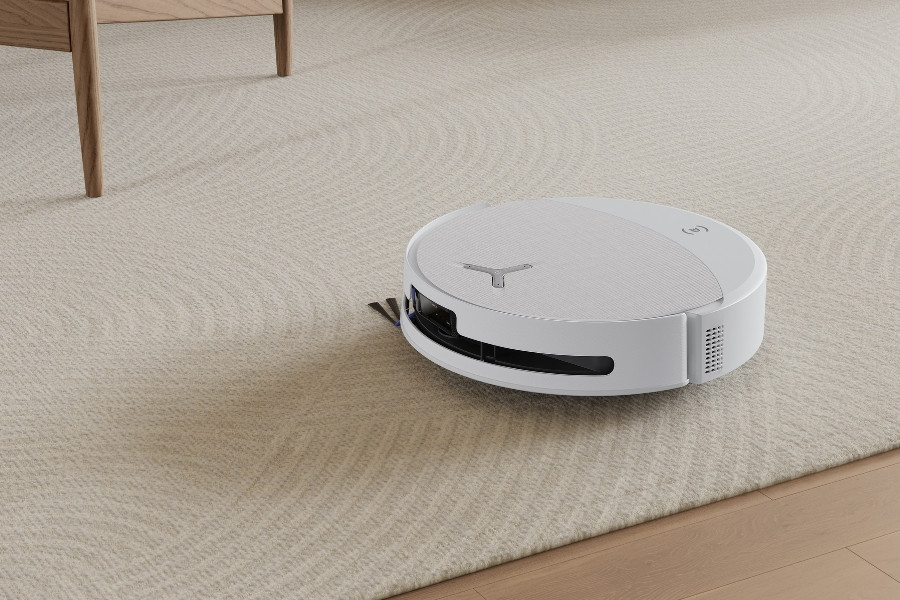
Technology is improving. New models use brushless motors for more power and longer life. Some robot vacuums now reach 5,000 Pa—strong enough for daily dust but not deep cleaning. Cordless vacuums are approaching upright power, but battery life limits long sessions.
Comparing Suction Power: Quick Reference
Here’s a handy summary of recommended suction levels:
| Cleaning Need | Recommended Air Watts | CFM | Water Lift (inches) |
|---|---|---|---|
| Hard Floors | 50–100 | 40–70 | 30–60 |
| Low Carpet | 100–150 | 70–90 | 60–80 |
| High Carpet/Pets | 150–250 | 90–120 | 80–100 |
| Commercial | 300+ | 120+ | 100+ |
Non-obvious Insights For Beginners
- Suction power isn’t everything. Good airflow and filtration matter just as much. A vacuum with strong suction but poor airflow won’t pick up fine dust.
- Adjustable suction saves money. Instead of buying separate vacuums for carpets and hard floors, choose a model with variable power.
- Battery drain affects suction. Cordless vacuums lose power as batteries weaken. Clean on full charge for best results.
How To Choose The Right Suction Power
- Check air watts, not motor watts.
- Match suction to your main cleaning task: Carpets, pet hair, or hard floors.
- Look for adjustable suction if you have mixed surfaces.
- Don’t overbuy: More power means more weight and noise.
- Read independent reviews for real-world suction tests.
For more technical details, see Wikipedia.
Frequently Asked Questions
How Many Air Watts Do I Need For Carpets?
For most carpets, 100–150 AW is enough. For thick or shaggy carpets, aim for 150–250 AW. If you have pets, stay in the higher range.
Is Motor Wattage The Same As Suction Power?
No. Motor wattage measures energy use, not cleaning ability. Always check air watts, CFM, or water lift for true suction.
Can High Suction Damage My Floors?
Yes. High suction can pull up fibers or damage delicate rugs. Use adjustable suction and stay under 100 AW for fragile surfaces.
Why Is Airflow (cfm) Important?
Airflow helps move dust into the bin. High suction with low airflow can leave fine dust behind. For allergies, high CFM is crucial.
Do Robot Vacuums Have Enough Suction?
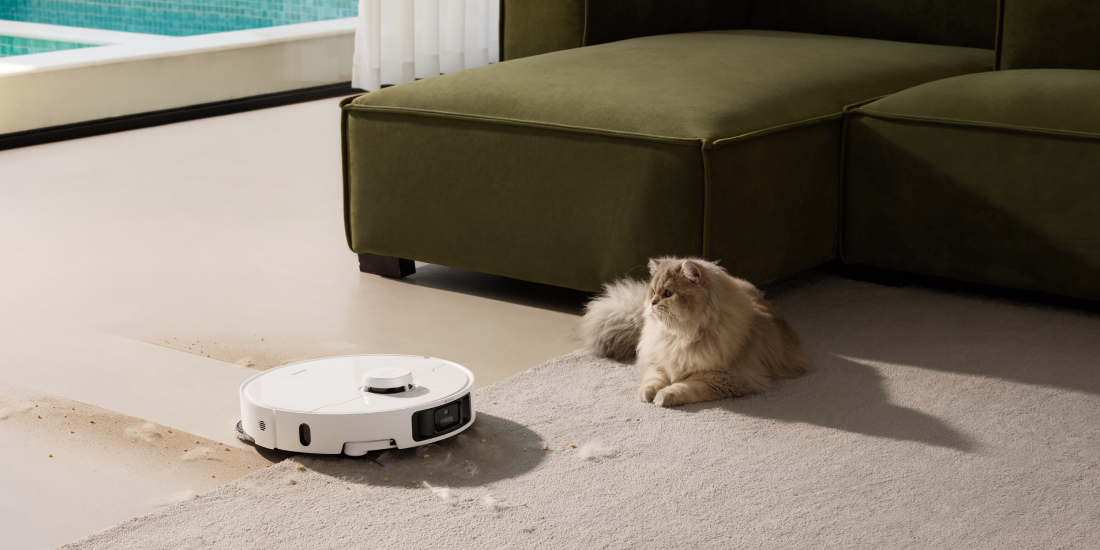
Most robot vacuums have less suction—around 10–30 AW—but can handle light daily cleaning. Don’t expect deep carpet cleaning from robots.
Finding the right vacuum means understanding suction power, matching it to your needs, and avoiding common mistakes. With the right numbers, you’ll clean faster, deeper, and smarter—without wasting money or damaging your floors.


1 Comment
Pingback: Can Upright Vacuums Clean Concrete Floors: Best Tips - Vacuum Cleaner Tips