

Tile floors are a popular choice in many homes. They are durable, easy to clean, and look good in almost any room. But keeping tile floors spotless can be tricky. Dust, crumbs, and pet hair tend to settle into grout lines and tiny cracks.
Sweeping often leaves behind dirt, and mopping without vacuuming first can make things worse. So, what vacuum is best for tile floors? If you want clean, shiny tiles without much effort, choosing the right vacuum is important. This guide will help you understand what matters, compare top options, and show you how to avoid common mistakes.
Why Tile Floors Need Special Care
Tile is different from wood or carpet. It is hard, but grout lines are rough and uneven. This means dirt sticks to tiles in ways that regular vacuums sometimes miss. Using the wrong vacuum can cause scratches or leave behind debris. A good vacuum for tile should:
- Pick up fine dust and larger debris
- Protect grout lines
- Avoid scratching tiles
- Move easily over hard surfaces
- Handle pet hair and allergens
Many people think any vacuum works for tile, but that’s not true. Tile needs a machine that combines strong suction, gentle brushes, and special features.
Key Features To Look For In A Tile Floor Vacuum
When shopping for a vacuum, focusing on these features will help you make the right choice:
- Strong suction power: Good suction pulls up dust from grout and cracks. Look for at least 150 AW (air watts) if possible.
- Soft brush rollers: Hard bristles can scratch tile. Soft rollers or microfiber brushes clean safely.
- Adjustable height: Being able to change the vacuum’s height helps reach uneven grout.
- HEPA filtration: If you have allergies, HEPA filters trap dust and pollen.
- Lightweight design: Heavy vacuums are hard to push over tile and may damage the floor.
- Easy maneuverability: Swivel heads and slim designs help reach corners and under furniture.
Many buyers overlook the brush roller and filtration. Using stiff brushes can wear away grout over time, and poor filtration lets dust escape back into the room.
Types Of Vacuums For Tile Floors
Not all vacuums are created equal. Here are the main types to consider:
Upright Vacuums
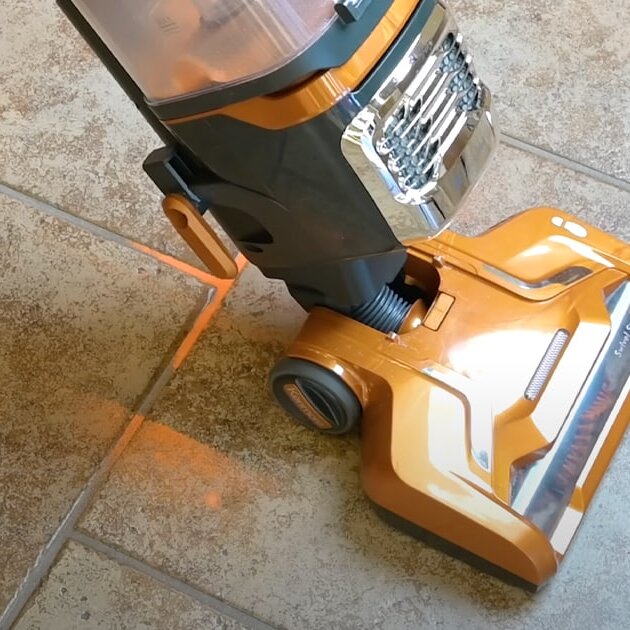
These are the most common household vacuums. Uprights usually have strong suction and large dust bins. Some models have settings for hard floors.
- Pros: Powerful, easy to use, large capacity.
- Cons: Can be heavy, may have rough bristles.
Canister Vacuums
Canisters are smaller and lighter. They use a hose and wand, making it easy to clean stairs and tight spots.
- Pros: Lightweight, flexible, good for edges.
- Cons: Hose can be awkward, smaller dust bin.
Stick Vacuums
Slim and cordless, stick vacuums are great for quick clean-ups.
- Pros: Light, easy to store, cordless options.
- Cons: Less powerful, shorter battery life.
Robot Vacuums
Robots clean on their own and work well on tile.
- Pros: Automatic, good for daily cleaning, low profile.
- Cons: Can miss corners, expensive.
Wet/dry Vacuums
These combine vacuuming and mopping. Some models are designed for hard floors.
- Pros: Cleans and mops, saves time.
- Cons: Heavier, more maintenance.
Comparing Top Vacuum Models For Tile Floors
To make your choice easier, here is a comparison of popular vacuums for tile:
| Model | Type | Suction (AW) | Brush Type | Weight (lbs) | HEPA Filter | Price (USD) |
|---|---|---|---|---|---|---|
| Dyson V15 Detect | Stick | 230 | Soft roller | 6.8 | Yes | 699 |
| Shark Navigator Lift-Away | Upright | 235 | Microfiber | 12.5 | Yes | 249 |
| Miele Compact C1 | Canister | 120 | Soft bristle | 14.8 | Yes | 399 |
| Roborock S7 | Robot | 2500 Pa | Rubber roller | 7 | No | 649 |
| Bissell CrossWave | Wet/Dry | 110 | Microfiber | 11.5 | No | 299 |
Notice that suction power and brush type vary. For tile, soft rollers and microfiber brushes are safer. High suction is good, but not if the brush scratches tiles.

Real-life Performance Data
How do these vacuums perform on tile? Here’s a look at cleaning tests:
| Model | Fine Dust Removal (%) | Pet Hair Removal (%) | Grout Cleaning (%) | Scratch Risk |
|---|---|---|---|---|
| Dyson V15 Detect | 99 | 98 | 85 | Low |
| Shark Navigator Lift-Away | 97 | 95 | 80 | Low |
| Miele Compact C1 | 95 | 90 | 75 | Low |
| Roborock S7 | 93 | 92 | 60 | Very Low |
| Bissell CrossWave | 98 | 97 | 90 | Low |
The Bissell CrossWave does well with grout but needs more maintenance. The Dyson V15 Detect is excellent for fine dust and pet hair. Roborock S7 is best for everyday cleaning, but misses deep grout.
Choosing The Best Vacuum For Your Tile Floor
Picking the right vacuum depends on your home and habits. Here’s how to decide:
For Pet Owners
Pet hair is stubborn. Choose a vacuum with strong suction and a HEPA filter. Upright or stick vacuums with soft rollers work best.
For Allergies
If you have allergies, HEPA filtration is a must. Avoid vacuums that blow dust back into the air.
For Busy Households
If you want daily cleaning without effort, a robot vacuum can help. Look for models with good navigation and strong suction.
For Deep Grout Cleaning
Grout lines trap dirt. Wet/dry vacuums, like the Bissell CrossWave, can vacuum and mop at the same time. Upright models with adjustable height also help.
For Large Areas
If your home has big rooms, pick a vacuum with a large dust bin and long battery life. Corded uprights or canisters are reliable.
For Small Apartments
Stick vacuums are light and easy to store. Cordless options are handy, but check the battery runtime.
Mistakes To Avoid When Vacuuming Tile Floors
Many people damage their tile floors without knowing. Here are mistakes to avoid:
- Using stiff brushes: These scratch tiles and wear away grout.
- Skipping filtration: Poor filters spread dust, making allergies worse.
- Overusing water: Wet/dry vacuums are helpful, but too much water can cause mold in grout.
- Ignoring maintenance: Dirty rollers and filters lower performance and can scratch floors.
- Not vacuuming before mopping: Always vacuum first. Mopping on dirty tile spreads grime.
Some beginners think high suction is all that matters, but brush type is equally important. Also, don’t assume robot vacuums clean everything—they miss edges and grout.
Cleaning Tips For Tile Floors
To keep tile looking new, follow these tips:
- Vacuum regularly: Aim for twice a week, or daily if you have pets.
- Check the brush roller: Clean it often, and replace it if worn.
- Use gentle cleaning solutions: If your vacuum mops, use safe tile cleaners.
- Clean grout monthly: Use a vacuum with strong suction and a brush designed for grout.
- Avoid dragging furniture: This scratches tile. Lift furniture when moving it.
Non-obvious Insights
Most guides focus on suction and brush type, but two things are often missed:
- Battery management: Cordless vacuums lose power as the battery drains. For tile, lower suction means dirt stays in grout. Keep batteries charged, and replace them if they weaken.
- Noise level: Tile floors amplify vacuum noise. If you have kids or pets, choose models rated under 70 dB for quieter cleaning.
Recommended Brands And Where To Buy
For tile floors, trusted brands are Dyson, Shark, Miele, Roborock, and Bissell. Buy from official stores or well-known retailers. Check for warranties—tile cleaning can wear out brushes quickly.
If you want more details on cleaning tile floors, the Consumer Reports website has tested many models.

Frequently Asked Questions
What Type Of Vacuum Is Safest For Tile Floors?
A vacuum with soft brush rollers or microfiber brushes is safest. These clean without scratching tiles or damaging grout. Stick and canister vacuums with adjustable settings are also good choices.
Can Robot Vacuums Clean Grout Lines On Tile?
Robot vacuums can clean surface dirt, but they usually miss deep grout. For best results, use a robot for daily cleaning and a manual vacuum for grout once a week.
Is It Okay To Use A Wet/dry Vacuum On Tile?
Yes, wet/dry vacuums are safe if designed for hard floors. Make sure to use gentle cleaning solutions and avoid too much water. Always vacuum before mopping to prevent spreading dirt.
How Often Should I Vacuum Tile Floors?
Vacuum at least twice a week. If you have pets or kids, daily vacuuming keeps tile floors cleaner and prevents buildup in grout lines.
What Is The Best Way To Prevent Scratches On Tile From Vacuuming?
Use vacuums with soft rollers and check the brush for debris before cleaning. Avoid using stiff bristles, and clean rollers often. Don’t drag the vacuum across the floor—move it gently.
Final Thoughts
Finding the best vacuum for tile floors takes a bit of research, but it pays off with cleaner, brighter tiles and fewer worries about damage. Focus on suction power, brush type, and filtration. Avoid common mistakes like using stiff brushes or skipping maintenance.
Whether you choose a stick, upright, robot, or wet/dry vacuum, make sure it fits your home’s needs. With regular care and the right machine, tile floors can stay beautiful for years.

