

Can Robot Vacuums Clean Around Furniture?
Robot vacuums are one of the most popular smart home devices today. They promise to make cleaning easier by moving around your home and picking up dust and dirt, all on their own. But many people wonder: can robot vacuums really clean around furniture? After all, most homes have sofas, tables, chairs, beds, and other items that could block the robot’s path. If you’re thinking about buying a robot vacuum or want to know if your current one is missing spots, this guide will explain how well these machines handle furniture and what you can do to get the best results.
How Robot Vacuums Navigate Your Home
Modern robot vacuums use a mix of sensors and mapping technology to find their way around. Older models often used simple bump sensors—if they hit something, they’d turn and try another direction. Newer robots, however, usually come with more advanced systems like LiDAR (laser-based mapping), cameras, or even a combination of both.
LiDAR allows the vacuum to “see” the room by bouncing lasers off surfaces and creating a map. Camera-based robots use visual clues to recognize obstacles and plan paths. This technology helps the vacuum know where furniture is, avoid bumping too hard, and cover as much floor as possible.
Some models also use infrared sensors or ultrasonic sensors to detect nearby objects. These let the robot slow down as it approaches a chair leg or table, rather than crashing into it. With mapping and sensors, robot vacuums can remember the layout of your home and adjust their routes over time.
Common Types Of Furniture Challenges
Furniture comes in many shapes and sizes, and not all robot vacuums handle them equally well. Here are some of the most common challenges:
- Low furniture: Sofas, beds, and cabinets that are low to the ground can be a problem. If the space underneath is shorter than the robot, it won’t fit.
- Narrow gaps: Spaces between chair legs or under some tables might be too tight for the vacuum to enter.
- Complex shapes: Furniture with lots of legs or irregular bases—like rocking chairs or recliners—can confuse sensors.
- Reflective surfaces: Mirrors or shiny metal can sometimes trick sensors, causing the robot to misjudge distances.
- Heavy rugs and mats: While not furniture, thick rugs near furniture can make it hard for robots to climb or transition smoothly.

How Well Do Robot Vacuums Clean Around Furniture?
Most robot vacuums are designed to work in homes with furniture. However, their success depends on several factors:
Height And Size
Robot vacuums are usually between 3-4 inches tall. If your furniture has enough clearance, the robot will go underneath and clean. If the gap is smaller, dust and dirt can collect there, and the robot will simply go around.
Let’s compare some popular models by their height:
| Robot Model | Height (inches) | Good for Low Furniture? |
|---|---|---|
| iRobot Roomba s9+ | 3.5 | Yes (most sofas, some beds) |
| Roborock S8 Pro Ultra | 3.8 | Yes (not under 3.8”) |
| Eufy RoboVac 11S | 2.85 | Excellent (very low spaces) |
Insight: Many users forget to measure the gap under their beds or sofas before buying a robot vacuum. You can check with a ruler to see if your favorite robot will fit under your furniture.
Maneuvering Around Legs And Obstacles
Most robots can easily move around chair and table legs, but the width between legs matters. If the gap is wider than the robot, it will pass through and clean well. If it’s too tight, the robot will avoid it.
Some robots have side brushes that reach into corners or around legs. However, these brushes can only reach so far, so dust close to the legs may be left behind.
Cleaning Corners And Edges
Robot vacuums are usually round, which helps them rotate and avoid getting stuck. But a round shape can’t reach deep into tight corners. Some newer models have D-shaped designs (like the Neato Botvac) that get closer to corners.
Here’s a quick comparison:
| Shape | Corner Cleaning Ability | Example Robot |
|---|---|---|
| Round | Average | iRobot Roomba i7 |
| D-shape | Good | Neato D8 |
Pro Tip: Even with a D-shaped robot, no vacuum is perfect in corners. Occasionally, you may need to use a handheld vacuum for deep cleaning.
Under And Around Large Furniture
Sofas, beds, and cabinets often have areas that are hard to reach. If the robot fits underneath, it can do a good job. But when the gap is too small, the robot will only clean around the edges.
A study by Consumer Reports found that robot vacuums collect about 80-90% of surface debris in open areas but can miss up to 20% in spots that are blocked or hard to reach.
Multi-level And Cluttered Rooms
Rooms with many items—like toys, baskets, or cables—make it harder for the robot to move smoothly. Some higher-end models can recognize and avoid obstacles, but most robots will just go around them.
Cluttered floors often mean more spots are skipped. Keeping the area tidy helps the robot clean more completely.
Tips For Better Cleaning Around Furniture
You can help your robot vacuum perform better with a few simple steps:
- Measure furniture clearance before buying a robot vacuum.
- Move chairs away from the table before cleaning, so the robot can reach more floor.
- Pick up small objects like toys, shoes, or loose cables to avoid blockages.
- Use boundary markers (physical strips or virtual “no-go” zones) if your robot supports them, to avoid delicate areas.
- Lift lightweight rugs if they tend to get bunched up by the vacuum.
- Schedule cleaning when rooms are less crowded, like during work hours or overnight.
Insight: Some users overlook simple things, like lowering chair seats or moving pet beds before a scheduled clean. Even a few extra minutes of prep can make a big difference.
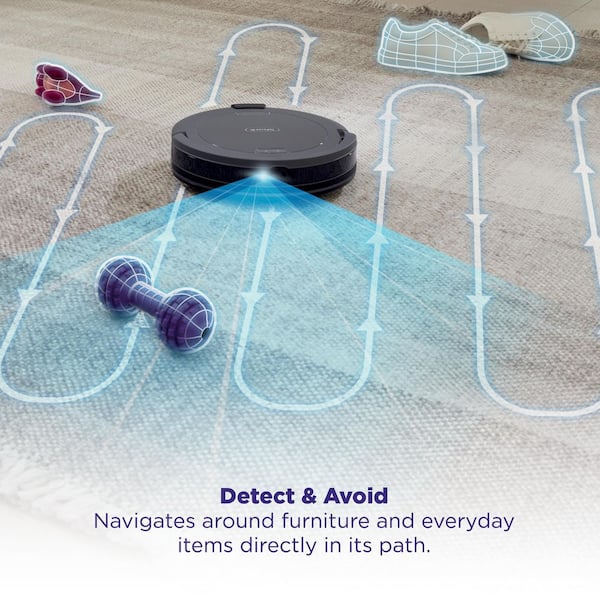
Advanced Features That Help With Furniture
Not all robot vacuums are the same. Some premium models come with features that make cleaning around furniture easier:
Object Recognition
High-end robots like the Roborock S8 MaxV Ultra or Roomba j7+ have cameras and AI to recognize common obstacles, such as socks, cables, or pet waste. This helps them avoid getting stuck and plan better routes around furniture.
Smart Mapping
With smart mapping, you can tell the robot to clean specific rooms or avoid certain areas. You can also set “no-mop zones” if your robot has a mopping function and you want to protect carpets near furniture.
Adjustable Suction And Cleaning Modes
Some robots let you increase suction when cleaning rugs near sofas or under beds, where dust often collects. This can be set automatically by sensors or manually through an app.
Slim Design
Ultra-thin models are designed to fit under most furniture. However, slimmer robots sometimes have smaller dust bins or weaker suction, so there’s a trade-off.
Here’s a comparison of key features:
| Feature | Benefit | Example Model |
|---|---|---|
| Object Recognition | Avoids socks, cables, pet waste | Roomba j7+ |
| Smart Mapping | Room-by-room cleaning | Roborock S7 MaxV |
| Slim Design | Cleans under low beds, sofas | Eufy RoboVac 11S |
What Robot Vacuums Still Can’t Do
Even with the best technology, robot vacuums have limits when it comes to furniture:
- Deep corners and narrow gaps: No robot can fit into every tiny space.
- Climbing over tall thresholds: Robots may get stuck on thick rugs or floor trims near furniture.
- Heavy debris or tangled hair: These can get trapped around wheels or brushes, especially near chair legs.
- Multi-level homes: Robots can’t move between floors or climb stairs, so furniture on upper levels stays untouched unless you move the robot.
When Manual Cleaning Is Still Needed
Robot vacuums are great for daily dirt and dust, but they can’t fully replace manual cleaning. You’ll still need to:
- Vacuum deep into corners with a stick or handheld vacuum.
- Move furniture occasionally to clean hidden dust.
- Wipe down furniture legs and bases, where robots can’t reach.
Experienced owners often schedule a deeper clean once a month, moving furniture and using traditional vacuums to handle the spots robots can’t reach.
Real User Experiences
Many users are happy with how much time a robot vacuum saves, even if it doesn’t get every single spot. For example, a survey by Statista in 2022 found that about 65% of robot vacuum owners were satisfied with cleaning under and around most furniture.
However, complaints usually focus on:
- Getting stuck under recliners
- Missing dirt in tight spaces
- Struggling with chair legs and cables
Users say that with a little prep, like moving chairs or picking up clutter, the robot does a great job for everyday cleaning.
Are Robot Vacuums Worth It For Homes With Lots Of Furniture?
If you have many pieces of furniture, a robot vacuum can still be a good investment—especially if you choose a model that fits your space and you help it out a bit. Here’s how to decide:
- Measure the lowest clearance under your furniture.
- Choose a robot with smart navigation if your rooms are crowded.
- Be ready to do a little extra prep before cleaning runs.
- Plan for occasional manual cleaning in corners and tight spots.
If you follow these steps, a robot vacuum will keep your floors much cleaner with less effort. But if you expect it to do everything—every corner, every gap—you may be disappointed.
For more details about how robot vacuums work, you can check out this Wikipedia page.
Frequently Asked Questions
How Do I Know If My Robot Vacuum Will Fit Under My Sofa?
Measure the height from the floor to the bottom of your sofa using a ruler or tape measure. Compare this to the height of your robot vacuum (usually found in the product specifications). The robot should be at least half an inch shorter than the gap to move freely.
Can Robot Vacuums Clean Between Chair Legs?
Most robot vacuums can clean between chair legs if the gap is wider than the robot itself. If the space is too tight, the robot will go around the legs. For best results, move chairs away from the table before cleaning.
What Can I Do If My Robot Vacuum Keeps Getting Stuck Under Furniture?
Try blocking the area with a small object or use boundary strips (if your robot supports them). Some people attach foam bumpers to the robot to make it taller, but this could affect sensors. Check for any cables or loose fabric under the furniture that could catch the robot.
Do Robot Vacuums Work Well On Rugs Near Furniture?
Most robots can move from hard floors to rugs, but thick rugs or ones with tassels may cause trouble. Robot vacuums often increase suction on rugs, but if the rug is high-pile, the robot may get stuck, especially near furniture legs.
Is It Safe To Leave My Robot Vacuum To Clean Unsupervised Around Expensive Furniture?
Robot vacuums are generally safe, but if you have delicate furniture or items that could be knocked over, supervise the first few cleaning runs. Many robots have soft bumpers and slow down near obstacles, but it’s still wise to check for risks, especially with antiques or fragile items.
With a little planning and the right model, robot vacuums can handle most furniture and keep your floors tidy. They’re not perfect, but they make daily cleaning much easier for busy homes.

