

Replacing the bag in your Miele Classic C1 vacuum might sound simple, but doing it right keeps your vacuum running strong and your home clean. Many owners are surprised by how much easier vacuuming feels with a fresh bag—and how much dust an old one can leak if ignored. If you want your Miele to last for years and keep its strong suction, understanding how to swap out the bag safely and efficiently is key.
This guide gives you clear, step-by-step instructions for changing the bag, explains what bags to choose, and covers tips that even experienced owners often miss. Whether you’re new to Miele or just want to make sure you’re caring for your vacuum the right way, you’ll find everything you need here.
Why Bag Replacement Matters For Miele Classic C1
The Miele Classic C1 is known for its powerful suction and long life. But one common mistake is waiting too long to change the bag. A full or clogged bag reduces suction, stresses the motor, and can even shorten the vacuum’s lifespan. Worse, a damaged or overfilled bag can let fine dust escape, making your air less healthy—especially for allergy sufferers.
Miele’s bags are part of a sealed system, designed to lock in over 99. 9% of dust and particles. Changing them regularly keeps your vacuum’s performance at its best. Most users notice a stronger, fresher vacuum after a new bag is installed.
What Kind Of Bags Does The Miele Classic C1 Use?
The Miele Classic C1 uses a specific type of bag called the Miele FJM bag. These bags are made of multi-layered synthetic material, not paper. This material is designed to trap fine dust and resist tearing, even when the bag is nearly full.
Here’s a comparison of Miele’s main bag types:
| Bag Type | Compatible Models | Capacity (L) | Color Code |
|---|---|---|---|
| FJM | Classic C1, Compact C1/C2 | 3.5 | Red |
| GN | Complete C2/C3 | 4.5 | Blue |
FJM bags have a red collar, making them easy to recognize. Don’t use other bag types—they won’t fit properly and may leak dust.
Why Not Use Generic Bags?
Some stores sell off-brand bags that claim to fit Miele vacuums. While these might be cheaper, they often leak dust, fit poorly, or tear easily. Genuine Miele bags are engineered for a perfect seal and best filtration. Over time, using generic bags can actually cost you more in repairs and filters.

When Should You Replace The Bag?
Knowing when to replace the bag isn’t always obvious. Here are signs it’s time for a new one:
- Bag Full Indicator: The Miele Classic C1 has a small indicator window. If it turns red, the bag is full or airflow is blocked.
- Weak Suction: If the vacuum doesn’t pick up like usual, the bag might be full—even if the indicator isn’t red yet.
- Bad Smell: A musty or dusty smell often means the bag is overdue for changing.
- Visible Dust in Bag Compartment: If you see dust escaping into the compartment, the bag may be torn or not sealed properly.
A useful tip: Even if the vacuum is used lightly, replace the bag every 2-3 months to prevent bacteria and odor buildup.
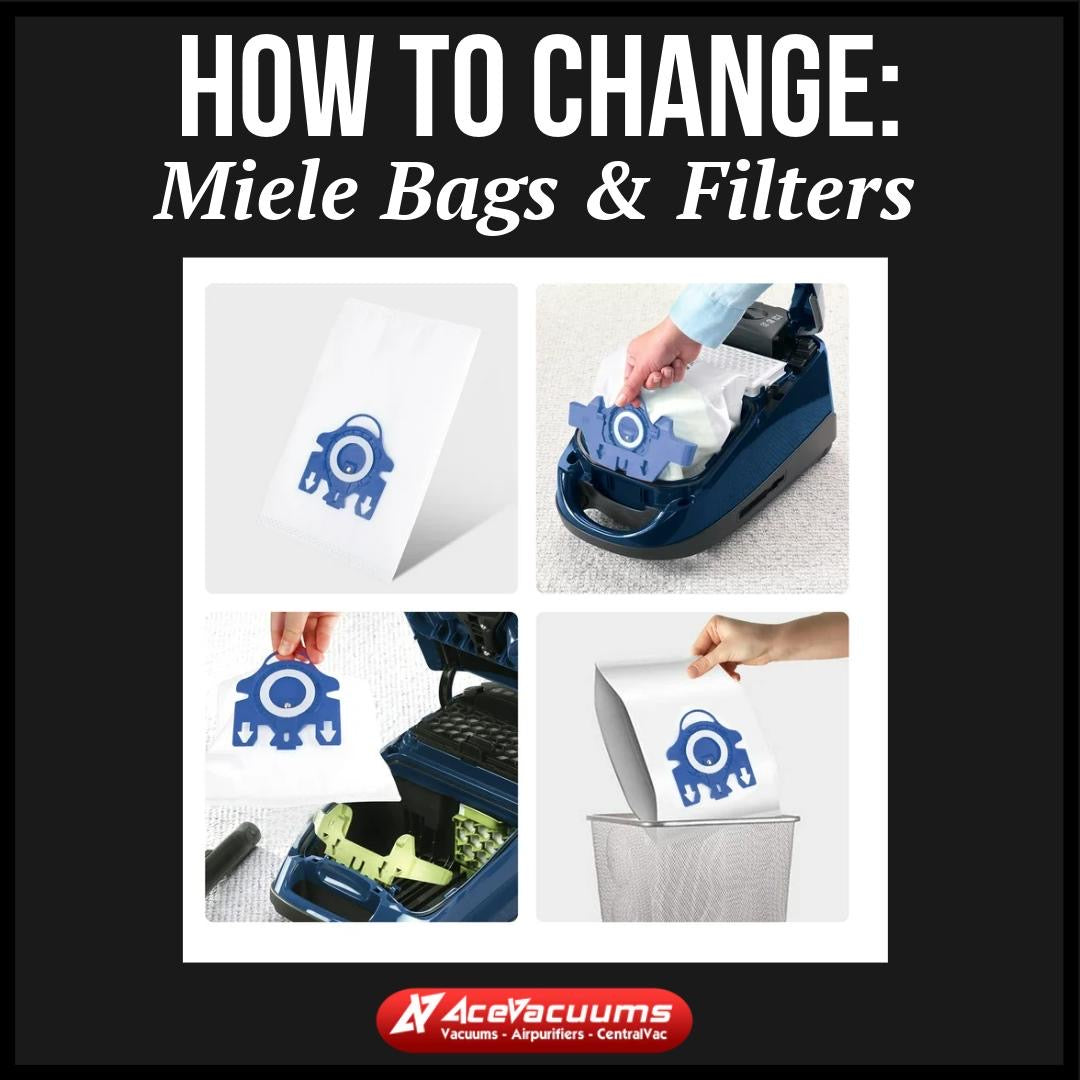
How To Replace Miele Classic C1 Bags: Step-by-step
Changing the bag only takes a few minutes, but doing it carefully prevents mess and keeps your vacuum healthy.
Step 1: Turn Off And Unplug
Always turn off the vacuum and unplug it before starting. This keeps you safe and prevents dust from blowing out.
Step 2: Open The Vacuum Lid
Press the release button on the top of the vacuum. The bag compartment lid will lift up. Hold the lid open fully—don’t force it, as the hinges are sturdy but can be damaged if pushed too hard.
Step 3: Remove The Old Bag
Gently pull the bag’s cardboard collar straight out. On Miele bags, a sliding cover automatically seals the bag’s opening as you pull it out. This keeps dust from escaping—a feature beginners often miss.
Never try to shake dust out of the old bag for “just one more use. ” This can damage the vacuum and release allergens.
Step 4: Check The Dust Compartment
Before inserting a new bag, look inside the compartment. If you see dust or debris, wipe it gently with a dry cloth. Don’t use water—moisture can harm the vacuum’s electronics.
Step 5: Insert The New Bag
Take a fresh FJM bag and slide its collar into the holder, making sure it clicks into place. The bag should hang down naturally, not bunched or twisted. If it won’t fit, double-check that you have the correct bag type and that the collar is facing the right way.
Step 6: Close The Lid
Lower the lid slowly until it clicks shut. If it won’t close, don’t force it—this usually means the bag isn’t seated properly or is the wrong type.
Step 7: Plug In And Test
Plug your vacuum back in and turn it on briefly. Check the bag indicator—it should show normal airflow (not red). Listen for a strong, smooth suction.
Step 8: Dispose Of The Old Bag
Throw the used bag directly in the trash. Since it’s sealed, you don’t need to worry about dust escaping. Wash your hands after handling.
Common Mistakes To Avoid
New users often make errors that can hurt their vacuum or reduce cleaning performance. Here’s what to watch out for:
- Using the Wrong Bag: FJM bags only! Other bags might fit, but will leak or tear.
- Overfilling: Waiting until the vacuum loses all suction puts stress on the motor.
- Forcing the Lid: If the lid won’t close, never push hard. Check bag fit instead.
- Ignoring Filters: Miele vacuums have motor and exhaust filters. Replace them regularly—usually after every four bags.
- Reusing Bags: Miele bags are single-use. Trying to empty and reuse them damages the filtration system.
How Miele Bags Compare To Other Brands
You might wonder if Miele’s bag system is really better than other brands. Here’s a quick comparison:
| Brand | Bag Material | Filtration Efficiency | Typical Cost per Bag |
|---|---|---|---|
| Miele FJM | Synthetic Multi-layer | 99.9%+ | $2.50 – $3.50 |
| Generic Paper | Paper | 80% – 90% | $1.00 – $1.50 |
| Other Premium | Synthetic | 95% – 98% | $2.00 – $3.00 |
Miele’s multi-layer bags trap much more fine dust than paper or even some synthetic generic bags. This is especially important for homes with allergies or asthma.
How Often To Change Miele Classic C1 Bags
Bag life depends on your home and cleaning habits. Here’s what most users can expect:
- Pet owners: Change every 2-4 weeks, as pet hair fills bags quickly.
- Large homes: Every 3-6 weeks, depending on usage.
- Light use/apartments: Every 2-3 months.
If you vacuum up construction dust, ash, or fine powders, you’ll need to change bags sooner. These materials clog the bag’s pores and reduce suction much faster.
Replacing Filters Along With Bags
Many Miele Classic C1 owners don’t realize that the vacuum’s filters should be changed regularly—usually after every 4 bags. The Classic C1 uses two main filters:
- AirClean exhaust filter: This is a white, flat filter that sits behind the bag. It traps fine particles before air leaves the vacuum.
- Motor filter: Located near the bag compartment, this protects the motor from dust.
Always check your vacuum’s manual for the filter locations and recommended replacement intervals. Filters are included in most Miele bag packs, so you don’t need to buy them separately unless you upgrade to a HEPA filter.
Where To Buy Genuine Miele Fjm Bags
For best results, buy bags from authorized dealers, appliance stores, or directly from Miele. Be careful with online sellers—counterfeit bags are common on auction sites and marketplaces.
Look for these signs of genuine Miele FJM bags:
- Red collar with Miele logo
- Multi-layer soft synthetic material, not stiff paper
- Comes with two white filters in the box
If you want to be sure you’re getting authentic bags, purchase directly from the Miele USA official website.
Two Non-obvious Tips For Miele Classic C1 Owners
- Don’t Ignore the Bag Holder: The plastic bag holder inside the vacuum can get dusty or sticky from old bags. Every few bag changes, wipe it with a dry cloth. This keeps the bag sliding in and out smoothly and helps with a tight seal.
- Store Extra Bags Properly: Miele bags can absorb moisture from the air if left in damp areas (like basements). Store spare bags in a dry, cool place, ideally in their original packaging, to prevent them from weakening before use.
These small habits can extend your vacuum’s life and keep suction strong.

Troubleshooting Bag Replacement Problems
Even with the right bag, things can sometimes go wrong. Here’s how to handle common issues:
- Bag won’t fit: Double-check it’s an FJM bag. If it’s a real Miele bag and still won’t fit, inspect the holder for obstructions.
- Bag indicator stays red: Check for blockages in the hose or wand. The bag might be installed wrong, or filters could be clogged.
- Dust escaping into the compartment: The bag might be torn, overfilled, or not locked in properly. Replace with a new bag immediately.
- Lid won’t close: Ensure the bag is seated flat and the collar is pushed all the way in.
If problems continue, consult your Miele manual or contact customer service.
Frequently Asked Questions
How Do I Know When The Bag Is Full?
Check the bag full indicator window on your vacuum. When it turns solid red during use, the bag is full or airflow is blocked. If you notice weak suction or a dusty smell, it’s also a sign to replace the bag—even if the indicator isn’t red.
Can I Reuse Miele Classic C1 Bags?
No, Miele bags are designed for single use only. Trying to empty and reuse them damages the filter layers and lets dust escape, which can harm your vacuum and your health.
What Happens If I Use Non-miele Bags?
Non-Miele or generic bags often don’t fit perfectly and may leak dust. They also don’t filter as well, which can reduce air quality and clog your vacuum’s motor. For best results, always use genuine Miele FJM bags.
How Often Should I Change The Filters In My Vacuum?
Replace the AirClean exhaust and motor filters about every four bags, or sooner if they look dirty. Most Miele bag packs include two new filters. If you have a HEPA filter, check the indicator strip or your manual for guidance.
Where Can I Find Miele Classic C1 Replacement Bags?
Buy from authorized retailers, appliance stores, or the official Miele website. Avoid auction sites and unknown sellers to prevent getting counterfeit bags, which can harm your vacuum.
Taking care of your Miele Classic C1 is straightforward once you know the basics. Regularly changing the bag and filters keeps your vacuum strong and your air clean, so you get the best performance with every use. With these tips, you’ll get more years from your investment and a cleaner, healthier home.

