

Can Icu Beds Be Moved Easily?
When you walk into an intensive care unit (ICU), you notice advanced equipment everywhere. Among these, the ICU bed stands out. It looks large, complex, and filled with technology. But can these ICU beds be moved easily? Many hospitals, caregivers, and even patients wonder about this. Maybe you’re planning a hospital renovation or preparing for an emergency. Or perhaps you’re just curious about how flexible hospital spaces can be. Let’s explore what makes moving ICU beds unique, the challenges involved, and the solutions hospitals use today.
What Makes Icu Beds Different?
ICU beds are not the same as regular hospital beds. They are designed for patients who need the highest level of care. This means they have special features to help both the patient and medical staff.
Some key features include:
- Adjustable height and angles for the head, feet, and whole bed
- Built-in side rails to prevent falls
- Electronic controls for easy adjustments
- Integrated monitoring systems to track vital signs
- IV pole attachments and spaces for life-support devices
- Strong frames to support heavier equipment and patient needs
All these features make ICU beds heavier and more complex than regular beds. The average ICU bed weighs between 180 to 250 kilograms (about 400 to 550 pounds). Compare this to a standard hospital bed, which usually weighs 100 to 150 kilograms (220 to 330 pounds).
But being heavier and more advanced does not mean they can’t be moved. The answer depends on many factors, which we’ll look at next.
Why Move Icu Beds?
There are many reasons why hospitals might need to move ICU beds:
- Cleaning and Maintenance: Deep cleaning is vital to prevent infection. Moving beds helps staff clean every corner.
- Patient Transfers: Sometimes, a patient needs to be moved to another room, department, or even another hospital.
- Emergency Situations: During disasters (like fires or earthquakes), fast movement of beds can save lives.
- Renovation or Reorganization: Hospitals often reconfigure ICUs to improve workflows or expand capacity.
- Upgrading Equipment: Bringing in new medical devices often requires shifting beds around.
Now, let’s dive into what makes moving these beds challenging.
Key Challenges In Moving Icu Beds
1. Size And Weight
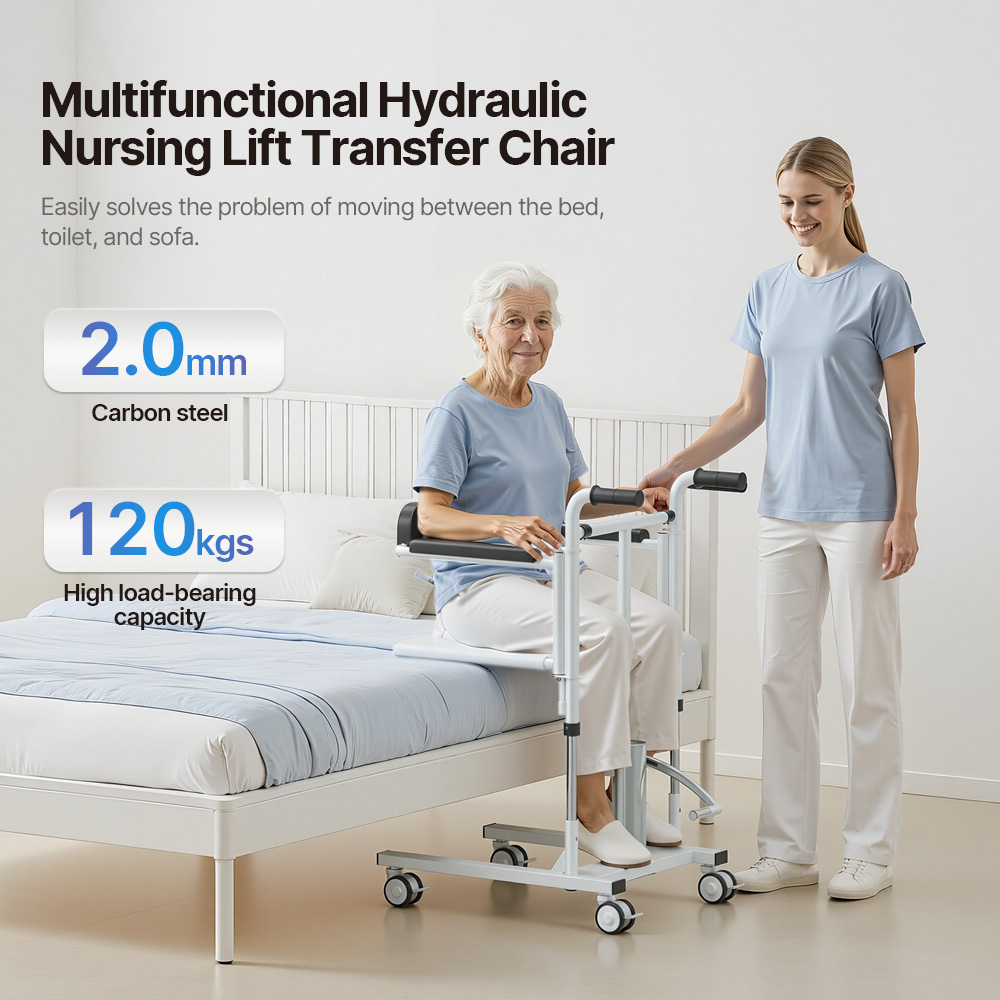
ICU beds are designed to be sturdy. The strong frame and added electronics make them much heavier than regular beds. One person usually cannot move an ICU bed alone, especially when a patient and medical equipment are attached.
2. Attached Medical Devices
Patients in the ICU often need:
- Ventilators
- Monitors
- Infusion pumps
- Feeding tubes
These devices are often connected directly to the bed or to the patient. Moving the bed means moving all these devices too, without disrupting patient care.
3. Power And Data Cables
ICU beds require electricity to power their electronic features. They also have cables for data transfer to monitoring systems. Unplugging or tangling these can be dangerous.
4. Space Constraints
ICUs are busy and crowded. Beds are close together, and there’s equipment everywhere. Moving a large bed in these tight spaces is tricky.
5. Infection Control
ICU patients are vulnerable to infections. Moving beds increases the risk of spreading germs if not done properly. Special cleaning and protocols are needed before and after movement.
6. Staff Training
Not every hospital staff member knows how to move an ICU bed safely. Proper training is required to avoid accidents or damage to equipment.
Are Icu Beds Designed For Mobility?
You might be surprised to learn that most modern ICU beds are designed to be mobile. Here’s how manufacturers help make movement easier:
Built-in Wheels
All ICU beds come with strong, lockable wheels. These wheels are bigger and stronger than those on regular beds. They can support heavy loads and move over uneven surfaces.
Steering And Brakes
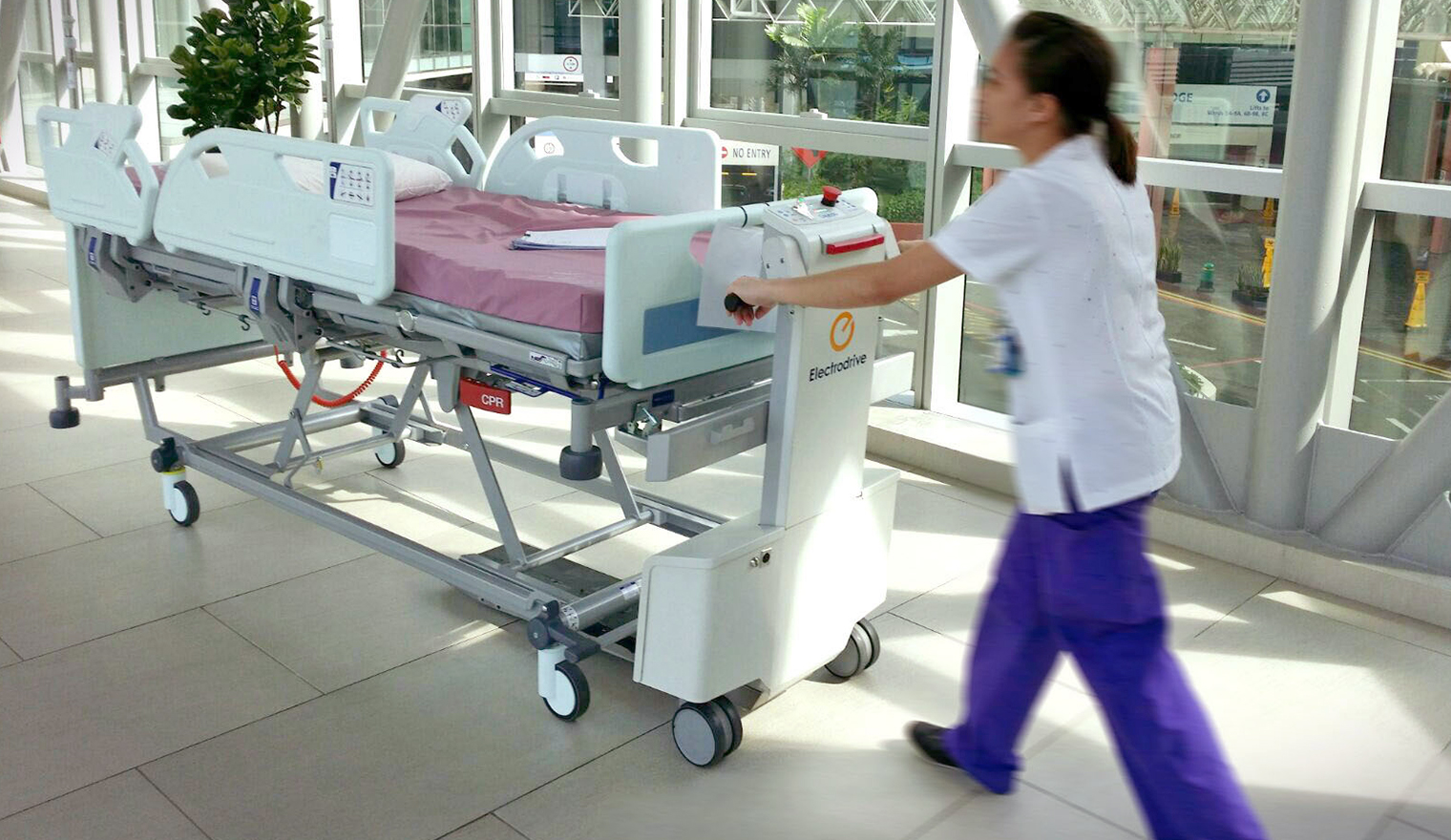
ICU beds often have steering handles and centralized brake systems. This helps staff move the bed in a straight line and stop quickly if needed.
Power Backup
Some beds have battery backups. This means electronic features keep working even if the bed is unplugged briefly during movement.
Modular Design
Many ICU beds are built in sections. This allows staff to detach some parts (like side rails or headboards) to make movement through narrow spaces easier.
Cable Management
Modern beds include cable management systems to keep wires organized and prevent tangling.
But even with these features, some beds are easier to move than others. Let’s compare some popular ICU beds:
| ICU Bed Model | Weight (kg) | Max Load (kg) | Wheel Size (cm) | Special Mobility Feature |
|---|---|---|---|---|
| Hillrom Progressa | 220 | 250 | 15 | Power Drive System |
| Stryker iBed | 210 | 230 | 14 | EasyBrake™ Pedal |
| LINET Multicare | 200 | 250 | 12 | ErgoMove™ Steering |
As you can see, top brands focus on making beds both strong and mobile.
How Are Icu Beds Moved In Practice?
Moving an ICU bed is a team effort. Here’s how hospitals usually do it:
Step 1: Planning
Before moving, staff review why the bed needs to be moved and how far it must go. They check the route for obstacles.
Step 2: Preparing The Patient
If the bed has a patient, nurses and doctors prepare them for transport. This means:
- Securing all tubes and catheters
- Making sure all devices are attached or ready to move
- Informing the patient and family, if possible
Step 3: Securing Equipment
All attached devices (monitors, IV poles) are checked. Some may be temporarily detached if safe.
Step 4: Managing Cables
Staff unplug the bed from power and data sources. If the bed has a battery, it switches to backup power.
Step 5: Unlocking And Steering
The wheels are unlocked. Two or more staff members position themselves at the head and foot of the bed. They use handles to steer.
Step 6: Moving Slowly And Safely
The team moves slowly, watching for bumps or tight corners. They communicate clearly to avoid sudden stops.
Step 7: Reconnecting
Once at the new location, the bed is locked in place. All devices and cables are reconnected. The patient is checked for any problems.
This process can take 5 to 15 minutes for a short move within the ICU, and up to 30 minutes or more for longer moves to another department.
When Is It Hard To Move Icu Beds?
Even with wheels and planning, some situations make moving ICU beds much harder:
During Emergencies
In a fire or earthquake, there is little time to plan. Staff must move quickly, sometimes carrying the patient separately if the bed cannot fit through a damaged hallway.
Narrow Doorways
Older hospitals may have narrow doors or corridors. Sometimes, the bed must be partially disassembled to fit.
Multiple Patients At Once
During pandemics or disasters, many patients may need to be moved at the same time. This can create traffic jams and confusion.
Heavy Attachments
Some patients need extra equipment like dialysis machines or ECMO (heart-lung) devices. These are heavy and hard to move with the bed.
Stairs And Elevators
If elevators are not working, moving a bed up or down stairs is almost impossible. In these cases, patients are moved on stretchers instead.
Icu Beds Vs. Regular Hospital Beds: Mobility Comparison
To understand how ICU beds compare with regular beds, look at this side-by-side overview:
| Feature | ICU Bed | Regular Hospital Bed |
|---|---|---|
| Weight | 180–250 kg | 100–150 kg |
| Wheel Size | Large, heavy-duty | Medium |
| Mobility Features | Power drive, central brakes | Manual push |
| Patient Monitoring | Integrated | Rare |
| Common Attachments | Multiple (IV, ventilator, etc.) | Few |
This shows why ICU beds need more planning and people to move them safely.
Common Mistakes When Moving Icu Beds
Many hospitals face problems when moving ICU beds. Here are some mistakes to avoid:
- Not Checking for Obstacles: Moving without checking the route can lead to accidents or stuck beds.
- Forgetting to Lock Wheels: Failing to lock wheels after moving the bed can cause it to roll and injure someone.
- Unsecured Devices: Leaving devices loosely attached can lead to them falling or disconnecting.
- Poor Communication: Not talking with the team during movement increases risk.
- Skipping Patient Safety Checks: Not checking the patient’s condition before and after the move can miss health problems.
How Hospitals Prepare For Moving Icu Beds
Hospitals use several strategies to make moving ICU beds safer and easier:
- Regular Staff Training: Simulation drills teach staff the right way to move beds, especially in emergencies.
- Clear Protocols: Written procedures help teams know their roles.
- Route Planning: Marked paths and wide doors help beds move smoothly.
- Upgrading Equipment: Newer beds are lighter and have better wheels.
- Special Transport Teams: Some hospitals have teams trained in patient and equipment transport.
These steps can make a big difference in how smoothly ICU beds can be moved.
The Role Of Technology In Icu Bed Mobility
Technology is changing how hospitals manage ICU beds.
Smart Beds
Modern beds include smart features like self-diagnosis, remote control, and tracking systems. Some can even alert staff if a bed is being moved without permission.
Automated Movement
Some high-end ICU beds come with powered drive systems. This allows staff to push a button and have the bed move itself, reducing physical strain.
Real-time Location Tracking
Hospitals use RFID tags to track beds and equipment. This helps staff find the nearest available bed quickly during emergencies.
Battery Improvements
Longer-lasting batteries mean electronic features keep working during long moves, reducing the need to unplug vital functions.
Mobile Apps
Some hospitals use mobile apps to coordinate bed movement, track cleaning status, and schedule maintenance.
These advances help reduce mistakes and make ICU beds easier to move, even in complex situations.
Can You Move Icu Beds At Home?
Some patients leave the hospital but still need an ICU-level bed at home. Can these beds be moved easily in a home setting?
Delivery And Setup
Medical supply companies deliver the bed to the home. They use special tools and staff to move the heavy bed safely.
Inside The Home
Once inside, moving the bed is still possible but challenging. Most home hallways and doors are smaller than those in hospitals. The bed may need to be partially disassembled.
Maintenance
At home, the bed should stay in one spot most of the time. Moving it often is not recommended unless absolutely necessary. If you must move it, always have at least two people and follow the manufacturer’s instructions.
Power Needs
ICU beds need strong, stable power. Use a dedicated outlet and avoid using extension cords.
Safety Tips
- Keep floors clear of clutter and liquids.
- Lock wheels when not moving the bed.
- Check all cables and devices before and after each move.
Moving an ICU bed at home is possible, but careful planning and help are needed.
Real-life Example: Icu Bed Movement During Covid-19
During the COVID-19 pandemic, hospitals worldwide faced the challenge of moving ICU beds quickly. In Italy, hospital staff had to turn regular wards into ICUs overnight. This meant moving dozens of beds, machines, and patients in just a few hours.
Hospitals used mobile transport teams and real-time tracking to coordinate movement. Beds were moved in groups, with clear communication between teams. This experience showed that with planning and teamwork, even the heaviest ICU beds can be moved in emergencies.
Insights That Beginners Miss
- Moving the bed is only half the challenge: Many people think it’s just about wheels and weight. In reality, the most difficult part is moving the patient and all the attached devices safely, without causing any harm or interruption.
- Newer beds are not always easier to move: Some high-tech ICU beds have more electronics and heavier batteries, making them harder to move than older, simpler models. Always check the specifications before assuming a new bed will be easier to handle.
Key Factors That Affect How Easily Icu Beds Can Be Moved
Several things impact how easy it is to move an ICU bed:
- Bed Design: Lighter, modular beds are easier to move.
- Flooring Type: Smooth, non-slip floors help beds roll better.
- Room Layout: Wide doors and clear hallways are essential.
- Staff Numbers: More trained staff mean safer moves.
- Equipment Load: Fewer attached devices make movement simpler.
- Emergency Protocols: Good planning and drills help staff handle difficult situations.
What Hospitals Should Consider When Buying Icu Beds
If you’re choosing ICU beds for a hospital, mobility should be a top priority. Here’s what to look for:
- Strong, large wheels that can lock securely
- Centralized brake and steering systems
- Battery backup for uninterrupted care during moves
- Easy-to-clean surfaces for infection control
- Modular sections for easier movement in tight spaces
Always test the bed in your hospital’s actual environment before making a final purchase. Some beds that look great in a catalog may not fit well through your doors or halls.
When Not To Move An Icu Bed
There are times when it’s safer to leave the bed where it is:
- If the patient is unstable or connected to many life-support systems
- When the path is blocked or unsafe (e.g., wet floors, construction)
- If there is not enough trained staff available
In these cases, it’s better to move the patient with portable devices or wait until it’s safe.
Legal And Safety Regulations
Hospital equipment, including ICU beds, must meet strict safety rules. Most countries have guidelines for:
- Maximum bed weight
- Minimum wheel size
- Electrical safety
- Infection control
These rules are set by organizations like the U.S. Food and Drug Administration (FDA) and European Union Medical Device Regulation (MDR). Hospitals must follow these when moving and using ICU beds. For more details, you can visit the Wikipedia Hospital Bed page.
Final Thoughts
So, can ICU beds be moved easily? The answer is: sometimes yes, sometimes no. Modern ICU beds are designed for mobility, with strong wheels, brakes, and even power drives. But their size, weight, and the needs of critically ill patients make movement a complex task. The right staff training, planning, and equipment can make it safer and easier. In emergencies, teamwork and clear protocols are the key to success. If you ever need to move an ICU bed—whether in a hospital or at home—take time to prepare, get the right help, and always put patient safety first.
Frequently Asked Questions
How Many People Are Needed To Move An Icu Bed?
Usually, at least two trained staff members are needed to move an ICU bed safely, especially if a patient and equipment are attached. For longer moves or tight spaces, three or four people may be required.
Can Icu Beds Fit Through Standard Doorways?
Most modern ICU beds are designed to fit through standard hospital doors, which are usually at least 1 meter wide. However, older buildings may have narrower doors, and sometimes beds need to be partially disassembled.
What Should You Do Before Moving An Icu Bed With A Patient?
Always secure all medical devices and check that the patient is stable. Unplug power and data cables carefully, switch to battery backup if possible, and have enough staff to guide and support the bed during movement.
Are There Special Icu Beds For Emergencies?
Yes, some companies make emergency transport ICU beds that are lighter and have quick-release features. These beds are used in ambulances, field hospitals, or disaster situations.
Can You Rent An Icu Bed For Home Use?
Many medical supply companies offer ICU bed rentals for home care. Delivery and setup are usually included, but always ask about maintenance, power needs, and moving instructions before renting.
—
By understanding the design, challenges, and best practices for moving ICU beds, hospitals and caregivers can improve patient safety and workflow—even in the most difficult situations.

