

Every hospital’s Intensive Care Unit (ICU) is a place of hope, challenge, and advanced care. When a loved one is admitted to the ICU, every detail matters — especially the bed they rest on. While most people think of hospital beds as simple, the ICU hospital bed is a complex tool designed to help both patients and caregivers. These beds are far more than a place to sleep. They offer life-saving features, comfort, and support in critical moments.
But not all ICU beds are the same. Over the past decades, technology, patient needs, and medical standards have changed the way these beds are designed and used. From basic manual beds to advanced smart beds with sensors and connectivity, the differences are important.
This article explores the main types of ICU hospital beds, why they matter, and how their features can impact recovery and care. If you want to understand what makes an ICU bed special — or need to choose the right one for a hospital or home ICU — this guide will give you clear, in-depth answers.
What Makes An Icu Hospital Bed Unique?
ICU beds are not regular beds. They are engineered for critical care. Their design supports medical teams in treating very ill patients who often need constant monitoring, quick interventions, and special positioning. Key features found in most ICU beds include:
- Adjustable height, head, and foot sections
- Side rails for safety
- Wheels for mobility
- Built-in weight scales
- IV pole and monitor holders
- Emergency CPR function
- Easy-to-clean surfaces
The right ICU bed can reduce complications like bedsores, help with breathing, and make it easier to deliver care. For example, special beds can tilt a patient to prevent fluid in the lungs, or help nurses move a patient safely.
In high-risk situations, these details may mean the difference between life and death.
Main Types Of Icu Hospital Beds
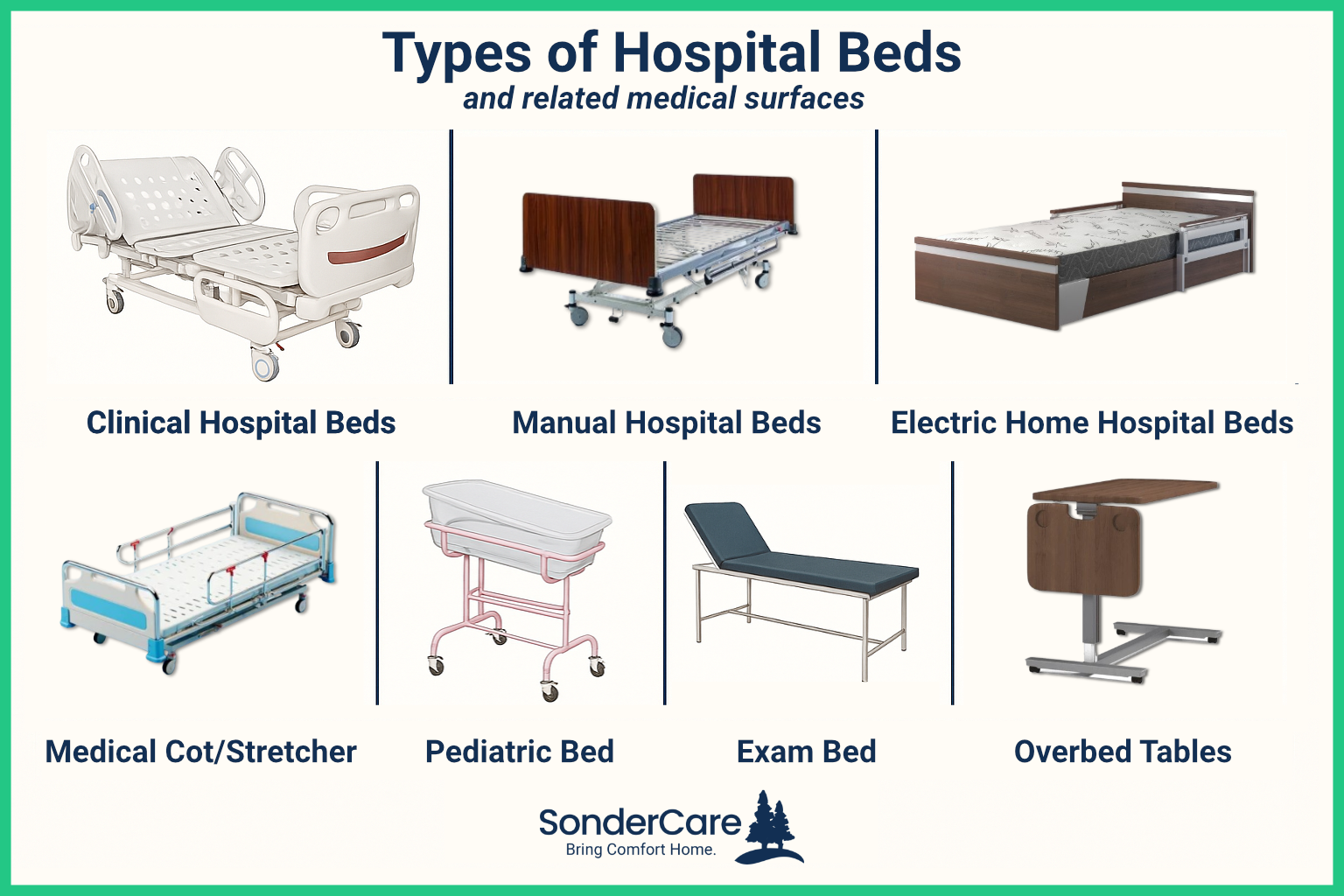
There are many types of ICU hospital beds, each serving different patient needs and hospital budgets. Let’s explore the most important types in detail.
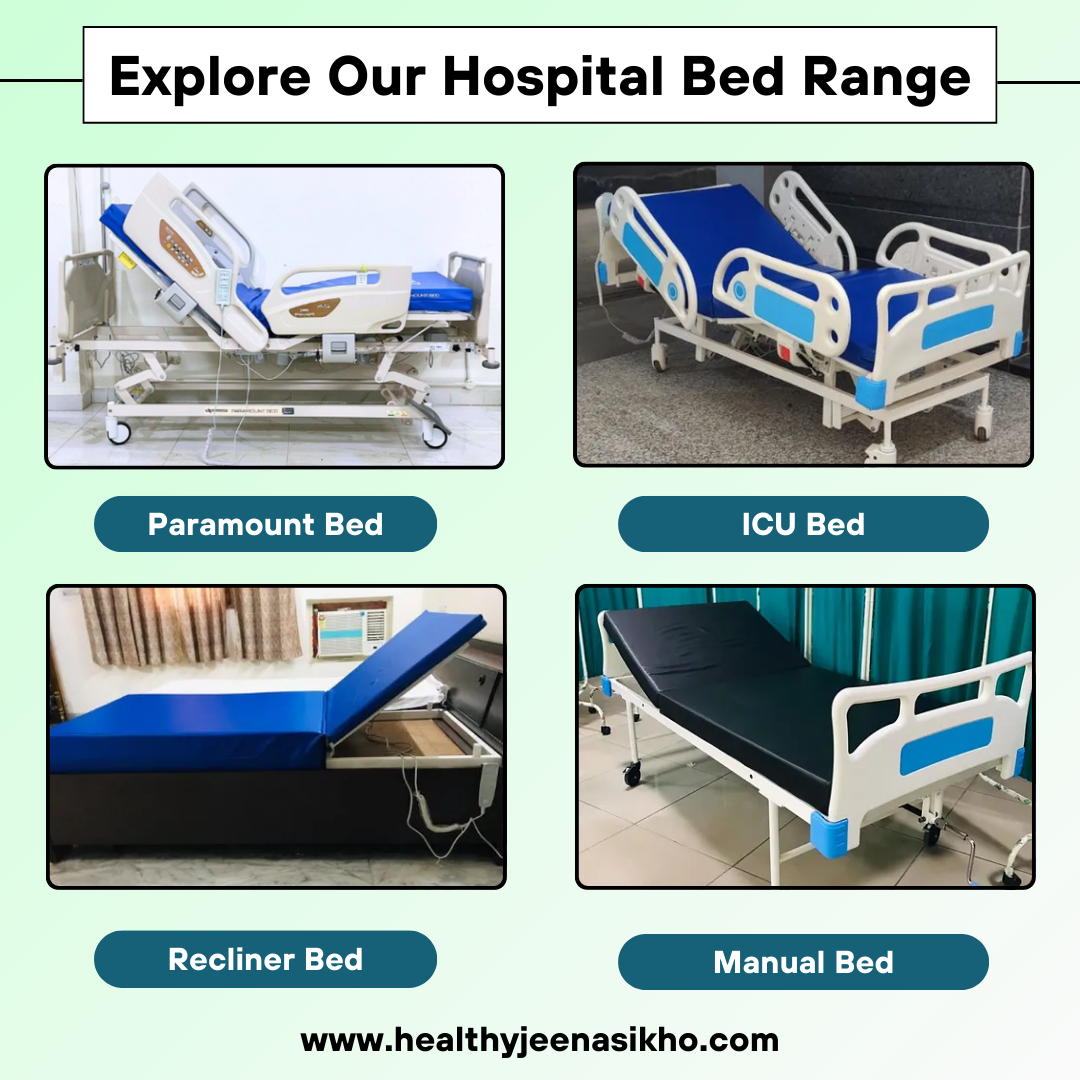
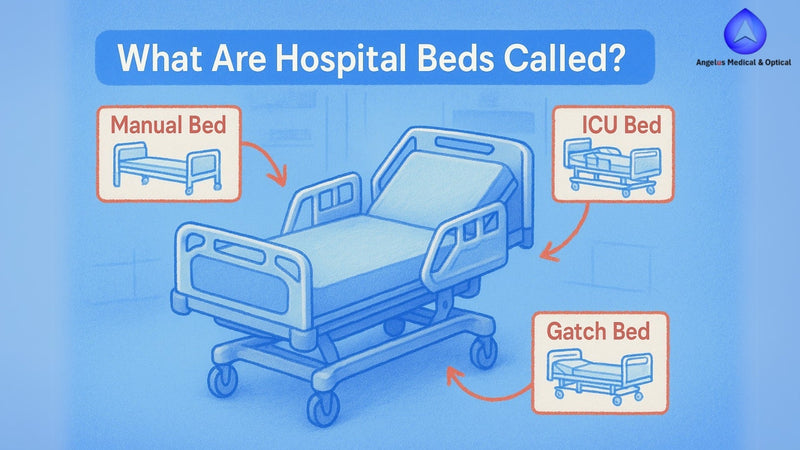
1. Manual Icu Beds
Manual ICU beds are the most basic type. They use mechanical cranks or levers to adjust the bed’s position. While less expensive than electric beds, they require physical effort from staff or caregivers. These beds are often found in resource-limited hospitals or as backup beds.
Key features:
- Head and foot adjustment by hand
- Basic safety rails
- Sturdy frame, often made of steel
- Simple design, easy to maintain
Limitations:
Manual beds are less convenient for frequent adjustments, especially in emergencies. They do not usually include advanced features like electronic monitoring or integrated scales.
2. Semi-electric Icu Beds
Semi-electric beds use a mix of electric motors and manual controls. Typically, the head and foot positions are adjusted electrically, but the bed height is changed by hand. This design balances convenience with affordability.
Key features:
- Electric head/foot adjustment
- Manual height adjustment
- Basic remote control for patients
- Suitable for moderate care settings
Limitations:
Semi-electric beds still require some manual effort, and may not have advanced patient monitoring or positioning features.
3. Fully Electric Icu Beds
These beds are common in modern ICUs. Fully electric ICU beds allow staff or patients to adjust head, foot, and height positions with the push of a button. They improve safety and save caregiver time.
Key features:
- Full electrical adjustment (height, head, foot)
- Simple-to-use remote or control panel
- Safety rails with controls
- Often have battery backup for power failure
- Integrated scale for weighing patients
Limitations:
They cost more than manual or semi-electric beds, but their ease of use and safety features often justify the price.
4. Advanced Icu Beds (smart Beds)
Smart beds are the top tier of ICU beds. They include advanced technology for both patient care and data management. These beds may have built-in sensors, touch screens, and even wireless connectivity to hospital records.
Key features:
- Automatic patient monitoring (heart rate, weight, movement)
- Out-of-bed alerts for staff
- Connectivity with nurse call systems
- Multiple preset positions (e.g., Trendelenburg, CPR)
- Fall prevention sensors
Unique insight:
Some smart beds track how long a patient stays in one position, helping to prevent pressure ulcers. They can also send real-time alerts if a patient tries to get up alone.
Limitations:
Smart beds require more maintenance and training. Their advanced features may be unnecessary in some settings.
5. Icu Beds With Lateral Rotation
These beds can automatically rotate the patient side-to-side. Lateral rotation helps prevent pneumonia, pressure sores, and deep vein thrombosis in patients who cannot move themselves.
Key features:
- Programmable rotation schedule
- Adjustable rotation angles (often 20–40 degrees)
- Can be combined with air mattresses for extra pressure relief
Non-obvious tip:
Lateral rotation beds can reduce nurse workload, as fewer staff are needed to turn patients manually.
Limitations:
These beds are more expensive and require regular checks to ensure correct positioning.
6. Low Air Loss (lal) Icu Beds
Low air loss beds use a special air mattress system. Air flows through tiny holes to keep the patient cool and dry, reducing skin breakdown and ulcers. The mattress can be adjusted for firmness and support.
Key features:
- Airflow keeps skin dry
- Adjustable pressure for different body parts
- Helps prevent and treat pressure ulcers
- Often includes alarms for leaks or power loss
Example:
A patient with severe burns or high risk of bedsores may be placed on a low air loss bed for better healing.
Limitations:
They require regular maintenance, and the air pump can be noisy in quiet environments.
7. Air Fluidized Icu Beds
These beds are even more advanced than LAL beds. The air fluidized bed uses fine sand-like beads and air flow to create a “floating” effect. The bed surface molds to the patient, reducing pressure points to almost zero.
Key features:
- Best for patients with severe skin wounds or grafts
- Minimizes friction and shear
- Heats and dries air to manage moisture
- Bed surface feels almost liquid
Unique insight:
Air fluidized beds are often used in burn units or for patients with stage 4 pressure ulcers. They can speed healing but are complex to operate.
Limitations:
They are large, heavy, and require special training. Maintenance costs are high.
8. Bariatric Icu Beds
Bariatric beds are designed for very large or obese patients. Standard beds may not support patients over 250 kg (550 lbs), but bariatric beds can hold up to 450 kg (1,000 lbs) or more.
Key features:
- Extra-wide frames (often 1.2 meters or more)
- Reinforced structure for heavy weight
- Powerful motors for adjustment
- Larger, stronger wheels for safe movement
Non-obvious insight:
Bariatric beds often include wider side rails and extra-strong safety features to protect both patient and staff during transfers.
Limitations:
These beds are larger and heavier, requiring more space in the ICU.
9. Pediatric Icu Beds
Children need special care, so pediatric ICU beds are scaled down in size and adjusted for child safety.
Key features:
- Smaller frame and mattress
- Adjustable side rails to prevent falls
- Bright colors or friendly designs to reduce anxiety
- Can include all features of adult ICU beds
Example:
A pediatric ICU bed might include rails high enough to keep toddlers safe, while still allowing quick access in emergencies.
Limitations:
These beds may not fit older children or teenagers, so hospitals often need several sizes.
10. Neonatal Icu Beds (nicu Incubators)
For newborns and preterm babies, special beds called incubators are used in the Neonatal Intensive Care Unit (NICU).
Key features:
- Closed, temperature-controlled environment
- Humidity and oxygen control
- Ports for IV lines and monitoring
- Protection from infection
Unique insight:
NICU beds are not just beds — they are life-support systems. Their precise control of temperature and moisture helps fragile babies survive and grow.
Limitations:
They are expensive and require constant monitoring and cleaning.
11. Tilt Table Icu Beds
Tilt tables can move a patient from lying flat to standing upright. This helps with blood flow, muscle tone, and early rehabilitation.
Key features:
- Adjustable tilt angle (from 0 to 90 degrees)
- Safety straps to secure patient
- Used for neurological or spinal injury patients
Example:
After a stroke, a patient might be put on a tilt table to help their body adjust to being upright again.
Limitations:
Not suitable for all patients; may cause dizziness or drop in blood pressure.
12. Cardiac Icu Beds
These beds are designed for patients with heart conditions. They allow for special positioning and easy access for emergency procedures.
Key features:
- Quick “CPR release” to flatten bed instantly
- Easy access for defibrillators
- Removable head section for better airway management
- Integrated monitoring for heart and breathing
Unique insight:
Some cardiac beds can be adjusted for “Fowler’s position” (sitting at 45–60 degrees) to help with breathing and reduce heart strain.
Limitations:
May lack features for other conditions (e. g. , skin care or rotation).
13. Trauma Icu Beds
Trauma beds are built for patients with multiple injuries. They are designed for fast changes in position and quick movement within the hospital.
Key features:
- X-ray transparent sections for imaging
- Sturdy design to support splints, traction, or casts
- Height adjustment for surgery or transfer
- Strong side rails for safety during transport
Example:
After a car accident, a patient may be placed on a trauma bed that can go straight to the imaging department without moving the patient.
Limitations:
Usually heavier and more expensive than standard ICU beds.
14. Prone Position Icu Beds
Prone beds can move a patient from lying on their back to lying face-down (prone). This is important for some lung conditions, such as severe ARDS (a type of respiratory failure).
Key features:
- Safe and controlled rotation to prone position
- Padding to protect face and body
- Designed for use with ventilators and monitoring lines
Unique insight:
Prone positioning can improve oxygen levels in patients with severe COVID-19 or pneumonia. Special beds make this safer and easier.
Limitations:
Not all hospitals have these beds, and they require trained staff.
15. Icu Beds For Infectious Isolation
These beds are used in isolation rooms for patients with highly contagious diseases (e.g., tuberculosis, COVID-19).
Key features:
- Materials that are easy to clean and disinfect
- Sealed or covered surfaces to prevent germ spread
- May include built-in air filtration
- Designed for use with negative pressure rooms
Example:
During the COVID-19 pandemic, isolation beds helped protect both patients and staff from infection.
Limitations:
Isolation beds may lack some comfort features due to focus on infection control.
Icu Bed Comparison: Key Features At A Glance
To help you compare the main types, here’s a summary of important features in a simple table.
| Type | Position Adjustment | Special Features | Best For |
|---|---|---|---|
| Manual | Hand cranks | Low cost, basic rails | Resource-limited hospitals |
| Fully Electric | Motorized, all sections | Remote control, battery backup | Modern ICUs |
| Smart Bed | Automatic, programmable | Sensors, connectivity | Advanced care, monitoring |
| Lateral Rotation | Side-to-side rotation | Pressure relief, pneumonia prevention | Immobile patients |
| Bariatric | Motorized, reinforced | Wide frame, high weight limit | Obese patients |
How To Choose The Right Icu Bed
Selecting the right ICU bed is not just about price. Hospitals and families need to consider the patient’s condition, the care team’s needs, and the available space and budget. Here are some practical points to consider:
1. Patient’s Medical Needs:
A trauma patient may need imaging features; a burn patient may need a low air loss or air fluidized bed.
2. Mobility And Safety:
Patients at risk of falls or with limited movement need beds with strong side rails, alarms, and easy height adjustment.
3. Staff Convenience:
Electric or smart beds reduce nurse strain and save time during frequent adjustments.
4. Infection Control:
For infectious patients, choose beds with smooth, easy-to-clean surfaces.
5. Weight Capacity:
Standard beds support up to 250 kg (550 lbs), but bariatric beds are needed for heavier patients.
6. Special Features:
Consider built-in scales, X-ray transparency, or prone positioning if needed for treatment.
7. Budget And Maintenance:
Smart and air fluidized beds cost more and require more training and maintenance. Manual beds are cheaper but less convenient.
Common mistake:
Focusing only on the lowest price can lead to higher costs later (e. g. , treating pressure ulcers or injuries from falls).
Data Table: Icu Bed Weight Capacity And Price Range
To give you a clearer idea of ICU bed differences, here is a summary of weight limits and typical price ranges (USD):
| Type | Weight Capacity | Typical Price (USD) |
|---|---|---|
| Manual | 150–250 kg | 800–2,000 |
| Fully Electric | 180–250 kg | 2,500–6,000 |
| Smart Bed | 200–250 kg | 7,000–20,000 |
| Bariatric | 250–450 kg | 5,000–12,000 |
| Pediatric/Neonatal | 10–60 kg | 2,000–15,000 |
Note: Prices vary widely by region and features.
Common Misunderstandings About Icu Beds
Many people think all ICU beds are the same or that any hospital bed will do. This is not true. Here are two insights beginners often miss:
- Advanced beds can reduce hospital costs. By preventing pressure ulcers and injuries, advanced ICU beds can save money, even if their initial price is higher.
- One size does not fit all. Using the wrong bed for a patient (for example, a standard bed for a bariatric patient) increases risk and may delay recovery.
The Impact Of Icu Beds On Patient Recovery
The type of ICU bed can directly affect how fast and how well a patient recovers. Here’s why:
- Better positioning helps breathing and reduces pneumonia risk.
- Pressure relief features prevent bedsores, which can be life-threatening in the ICU.
- Mobility features reduce falls and make early rehabilitation possible.
- Integrated monitoring saves staff time and can alert to problems early.
In short, the right ICU bed does much more than offer a place to rest. It is a tool for healing, safety, and support.
Frequently Asked Questions
What Is The Main Difference Between An Icu Bed And A Regular Hospital Bed?
An ICU bed is more advanced. It allows for multiple position changes, has stronger safety features, and often includes integrated monitoring and emergency controls. Regular hospital beds are simpler and may not offer the same level of support for very sick patients.
Can Icu Beds Be Used At Home?
Yes, some ICU beds can be used at home, especially electric or semi-electric models. However, advanced beds (like smart beds or air fluidized beds) may need special installation, training, and maintenance.
How Often Should Icu Beds Be Cleaned?
ICU beds should be cleaned and disinfected after every patient and at least once daily. Beds in isolation rooms may need extra cleaning. Cleaning prevents infection and keeps the bed’s features working well.
What Is A Trendelenburg Position, And Why Is It Used?
The Trendelenburg position involves tilting the bed so the patient’s head is lower than the feet. It is used to improve blood flow to the brain or for some surgical procedures. Many ICU beds can do this automatically.
Where Can I Find More Information On Icu Bed Safety Standards?
You can learn more about ICU bed safety standards from organizations like the U.S. Food and Drug Administration (FDA) or the International Organization for Standardization (ISO). For further reading, see the Wikipedia Hospital Bed Article.
Final Thoughts
ICU hospital beds are a vital part of critical care. Their design, features, and technology can make a big difference for patients, families, and staff. There is no one “best” ICU bed — the right choice depends on patient needs, hospital resources, and the level of care required.
By understanding the different types, their strengths, and their limits, you can make better decisions in times of crisis. The right bed does not just offer comfort — it can help save lives.

