

When you walk into an Intensive Care Unit (ICU), you might notice that patient beds look different from those in a regular hospital ward. The design of ICU beds is not just about safety or medical care—these beds are carefully built to provide comfort and support healing for the most critically ill patients. But how exactly do these beds adjust to meet such high demands for patient comfort? If you or someone you care about spends time in an ICU, understanding the technology and thought behind these beds can reduce anxiety and improve communication with healthcare staff.
ICU beds are not just flat platforms with wheels; they are complex, adaptive machines. They can change shape, respond to body pressure, and even help prevent serious complications like bedsores or pneumonia. Over the years, as medical technology advanced, so did the features of ICU beds.
Today’s beds are a blend of engineering, ergonomic design, and digital intelligence, all working together to support the patient’s body and well-being. Let’s take a closer look at the many ways ICU beds adjust for comfort and why these features matter so much in critical care.
What Makes Icu Beds Different?
Not all hospital beds are created equal. ICU beds stand out because they are designed for patients who need constant monitoring, multiple medical devices, and frequent care interventions. Comfort is more than a luxury in the ICU—it is a necessity for healing and even survival.
Here’s what sets ICU beds apart from standard hospital beds:
- Advanced adjustability: Multiple sections move independently.
- Integrated technology: Sensors, alarms, and controls built into the bed.
- Support surfaces: Special mattresses that reduce pressure points.
- Mobility aids: Features to help reposition or transfer patients safely.
These differences are not just about convenience. They play a direct role in preventing complications, reducing pain, and helping patients recover faster.
Key Adjustment Features For Patient Comfort
The primary goal of an ICU bed is to adapt to the patient’s changing needs, often without requiring the patient to move much themselves. Here’s how modern ICU beds achieve this:
1. Multiple Positioning Functions
ICU beds can be moved into many positions with the touch of a button. These adjustments help patients breathe better, reduce pain, and prevent pressure injuries.
- Backrest elevation: Raising the upper body helps with breathing, digestion, and communication.
- Knee and leg adjustments: Bending the knees or raising the legs can improve circulation and comfort.
- Trendelenburg and reverse Trendelenburg: Tilting the entire bed head-down or foot-down helps with certain medical treatments and comfort.
Example Positioning Table
| Bed Position | Main Purpose | Comfort Benefit |
|---|---|---|
| Fowler’s (45° backrest) | Respiratory support | Less shortness of breath |
| Flat (0°) | Spinal alignment | Reduces back strain |
| Reverse Trendelenburg | Improved circulation | Less swelling in legs |
2. Pressure Redistribution Mattresses
One of the biggest risks for ICU patients is pressure ulcers (bedsores). These can develop after just a few hours of lying in one position. To combat this, ICU beds use high-tech mattresses that automatically adjust to the patient’s body.
- Air-fluidized surfaces: Tiny beads or air pockets distribute weight evenly.
- Alternating pressure systems: Air cells inflate and deflate to change pressure points.
- Foam and gel layers: Supportive but soft, reducing skin breakdown.
These surfaces are not only comfortable—they are life-saving, especially for patients who cannot move themselves.
3. Microclimate Management
Sweating or overheating can make patients uncomfortable and increase the risk of skin problems. Many ICU mattresses have microclimate management features:
- Airflow channels: Keep the skin cool and dry.
- Moisture-wicking covers: Draw sweat away from the body.
- Active cooling/warming: Some beds even adjust temperature for comfort.
This technology helps maintain a healthy skin environment, even for patients with fever or heavy perspiration.
4. Side Rail Adjustments
Falls are a serious risk in the ICU. Adjustable side rails are designed to keep patients safe without making them feel trapped.
- Multiple positions: Rails can be raised or lowered as needed.
- Easy-release mechanisms: Allow quick access in emergencies.
- Built-in controls: Some rails have controls for bed adjustments, so patients can change position without help.
Well-designed side rails balance safety with the need for comfort and independence.
5. Bed Height And Mobility
Adjusting bed height is important for both patient and caregiver comfort. ICU beds have power height adjustments:
- Easier transfers: Bed can be lowered for getting in/out or raised for care tasks.
- Reduced strain: Caregivers avoid back injury by setting the bed at a comfortable level.
- Patient empowerment: Some beds lower close to the floor for patients able to stand.
Height adjustability reduces anxiety and helps patients feel more in control.
6. Built-in Massage And Vibration
Some ICU beds include gentle massage or vibration functions. These are not just for relaxation—they help stimulate circulation and reduce the risk of blood clots.
- Timed sessions: Short bursts of vibration at intervals.
- Targeted areas: Focus on legs or back to prevent stiffness.
- Customizable intensity: Adjust to patient preference.
These features are especially helpful for long-stay patients.
7. Smart Controls And Custom Presets
Modern ICU beds are operated by digital control panels. Both staff and patients (if able) can use them:
- One-touch presets: Common positions (like sitting up) set with a button.
- Fine adjustments: Move each section of the bed in small steps.
- Lock-out options: Staff can limit access for safety.
Some beds even remember favorite positions or automatically adjust based on weight and movement.
8. Integrated Weighing Systems
Frequent weighing is important in the ICU, but moving a patient can be painful or unsafe. Many beds have built-in scales:
- Non-intrusive: Weigh without moving the patient.
- Monitor fluid changes: Track swelling or dehydration.
- Data integration: Results go directly to the medical record.
This technology keeps patients comfortable and provides valuable information for care.
9. Easy Access For Care
Comfort is not just about the patient lying in bed—it’s about making care smoother and less disruptive. ICU beds are designed with access panels, removable sections, and swing-out features:
- Removable head/foot boards: For quick access in emergencies.
- Split side rails: Open only the area needed.
- Bed extension: Lengthens the bed for taller patients.
These adjustments mean less movement for the patient, which equals less pain and more comfort.
10. Patient Engagement Features
Many ICU beds now include integrated entertainment and communication systems:
- TV screens or tablets: Mounted on the bed for distraction and relaxation.
- Nurse call buttons: Within easy reach.
- Lights and speakers: Adjustable for reading, music, or family video calls.
Engagement reduces anxiety and can even speed recovery.

Customizing For Individual Needs
No two ICU patients are alike. Comfort needs change based on diagnosis, body shape, age, and even personal preferences. Nurses and doctors can customize bed settings for each patient.
For example:
- Obese patients: Require wider beds with reinforced support.
- Pediatric patients: Need smaller beds with extra padding and fun distractions.
- Spinal cord injury: Must avoid certain movements, so beds are locked in safe positions.
Customization is ongoing, with frequent adjustments as the patient’s condition changes. Family input is often encouraged.
Comparing Icu Bed Types
There are several main types of ICU beds. Understanding their differences helps explain which features might be chosen for comfort in different situations.
| Bed Type | Main Features | Best For |
|---|---|---|
| Electric ICU Bed | Motorized adjustments, advanced controls | Most adult ICU patients |
| Air-fluidized Bed | Microbead surface, pressure relief | High bedsore risk |
| Bariatric ICU Bed | Wider, reinforced, high weight capacity | Obese patients |
| Pediatric ICU Bed | Smaller size, child-friendly features | Children and infants |
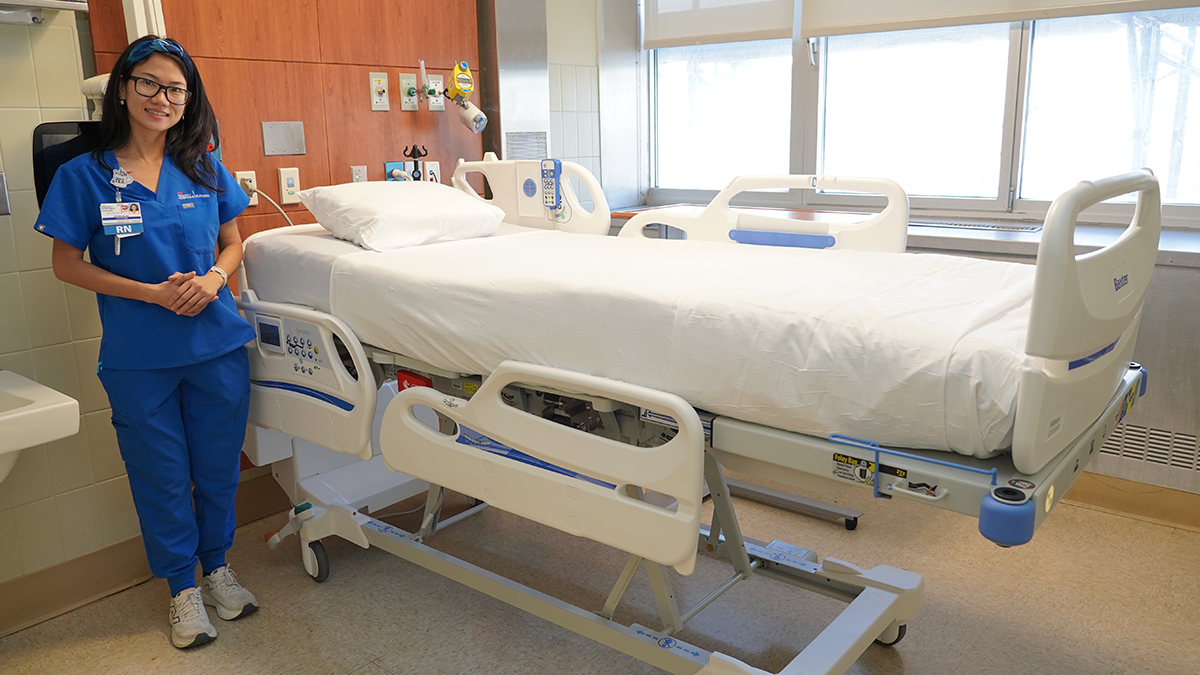
Addressing Common Patient Comfort Challenges
Even with advanced beds, ICU patients face unique comfort challenges:
Immobility
Being unable to move increases the risk of pain, stiffness, and pressure injuries. ICU beds address this through:
- Frequent repositioning: Beds can tilt or shift automatically.
- Zero-gravity positions: Distribute weight evenly to relieve pressure.
- Early mobility programs: Beds support sitting or standing, when possible.
Pain And Sensitivity
Critically ill patients may have lines, tubes, or wounds. Beds must adjust to avoid these sensitive areas.
- Customizable padding: Extra cushions for sore spots.
- Targeted relief: Raise or lower only specific sections.
- Gentle motion: Avoid sudden jolts or pressure changes.
Anxiety And Sleep
ICU environments are noisy and bright, making sleep difficult. Bed features that help include:
- Quiet motors: Reduce noise during adjustments.
- Dimmable lighting: Allows rest without full darkness.
- Soothing features: Massage, gentle vibration, or white noise.
Communication
Patients may be unable to speak or move. Beds with integrated call buttons, communication devices, or even eye-tracking controls help patients ask for what they need, increasing comfort and safety.
The Role Of Nurses And Family
Even the best bed can’t provide comfort without human care. Nurses are trained to use every adjustment to help patients feel better. They check for:
- Skin redness or breakdown
- Body alignment
- Signs of pain or discomfort
- Patient feedback
Family members can also help by noticing signs of discomfort and asking for adjustments. Most ICUs encourage family involvement, as it leads to better outcomes.

Non-obvious Insights For Patient Comfort
While most people focus on the mattress or position, two less obvious factors are:
- The timing of bed adjustments: Adjusting the bed at the right moment (such as after pain medication or before a procedure) reduces discomfort. Experienced nurses coordinate these changes with the patient’s care schedule.
- The importance of micro-movements: Even very small shifts—just a few degrees—can relieve pain and improve circulation. ICU beds allow these tiny changes, which are often more comfortable than major position changes.
These insights show that comfort is not just about the technology, but also about how and when beds are adjusted.
Safety Versus Comfort: Striking The Balance
Sometimes, medical needs require positions that are not the most comfortable—like lying flat for spinal injuries. In these cases, the care team explains the reasons and uses extra supports (pillows, pads) to minimize discomfort. The goal is always to return to a more comfortable position as soon as it’s safe.
Recent Innovations In Icu Beds
Bed technology is always advancing. Some of the latest developments include:
- Sensors for movement and vital signs: These alert staff before a problem occurs.
- Voice-activated controls: For patients who cannot use their hands.
- Telemedicine integration: Allows doctors to adjust bed settings remotely.
These features are still being studied, but early results show improved comfort and fewer complications.
How Icu Beds Support Faster Recovery
Comfort is not just about feeling good—it speeds healing. When patients are comfortable:
- Stress hormones drop
- Sleep improves
- Infection risk is lower
- Participation in rehab is higher
Hospitals that invest in advanced beds see better outcomes and shorter ICU stays.
Example: Icu Bed Adjustment In Action
Imagine a patient with pneumonia who is struggling to breathe. The nurse raises the backrest to 45 degrees, switches on the airflow mattress, and activates a gentle leg massage. The patient can now breathe more easily, has less pain, and is less likely to develop a bedsore or blood clot.
Family members notice the patient looks more relaxed.
This scenario repeats thousands of times each day in ICUs around the world.
Icu Bed Comfort Compared To Regular Beds
How do ICU beds compare to regular hospital beds or home beds? Here’s a quick comparison:
| Feature | ICU Bed | Regular Bed | Home Bed |
|---|---|---|---|
| Motorized adjustments | Yes (multi-section) | Limited (head/foot only) | No |
| Pressure relief mattress | Advanced (air/gel/foam) | Basic foam | Standard mattress |
| Integrated weighing | Yes | No | No |
| Microclimate control | Yes | Rarely | No |
| Side rail options | Multiple positions | Basic | None |
This comparison makes it clear: ICU beds are the gold standard for comfort and safety during critical illness.
Practical Tips For Maximizing Comfort In The Icu
If you are a patient or a family member, here’s how to get the most out of ICU bed features:
- Ask questions: Nurses are happy to explain each function.
- Request adjustments: If something hurts or feels wrong, speak up.
- Watch for skin changes: Redness, warmth, or pain may mean a pressure issue.
- Use entertainment features: Distraction can make time pass faster.
- Coordinate with care team: Time bed changes with medication or therapy for best results.
Remember: Comfort is not a luxury in the ICU—it is a critical part of healing.
Frequently Asked Questions
How Often Should Icu Bed Positions Be Changed For Comfort?
Nurses typically adjust patient positions every two hours to prevent pressure ulcers and improve comfort, but this can vary depending on the patient’s condition. Some beds can make small automatic adjustments throughout the day and night.
Are Patients Able To Control Icu Bed Adjustments Themselves?
If a patient is alert and able, most ICU beds have easy-to-use controls within reach. For safety, some adjustments might be locked by staff, but patients can usually change head/foot elevation and call for help.
What Type Of Mattress Is Best For Preventing Bedsores In The Icu?
Air-fluidized and alternating pressure mattresses are considered the best for preventing bedsores, especially for patients who cannot move. These surfaces distribute weight and keep skin dry.
Can Family Members Help Adjust The Icu Bed?
In most cases, bed adjustments are made by nurses for safety reasons. However, family can alert staff to discomfort or needs and sometimes assist with non-technical features like adjusting pillows or blankets.
Do All Hospitals Have The Same Icu Bed Features?
No, ICU bed features can vary based on hospital resources and location. Larger or specialized hospitals usually have the latest technology, but all ICUs aim to provide the best possible comfort with available equipment. For more details, see this Wikipedia entry on hospital beds.
In summary, ICU beds are a key part of patient care, designed with advanced technology and thoughtful features to maximize comfort, safety, and healing. If you or a loved one is in the ICU, understanding these features helps you take an active role in care and recovery.

