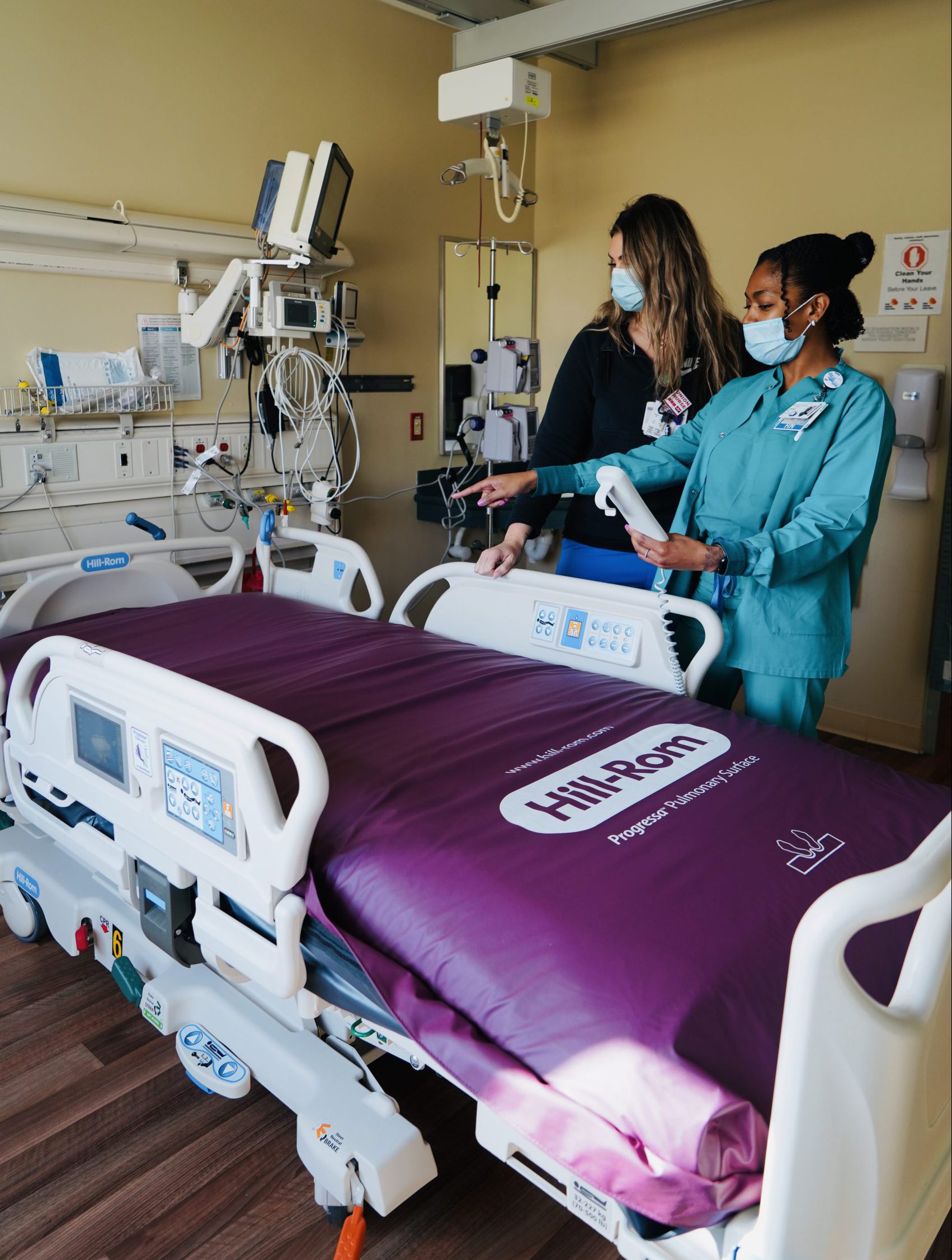
Operating an ICU hospital bed is more than just pushing a few buttons or raising a side rail. These beds are advanced medical devices designed to support patients with critical health needs. They help nurses, doctors, and caregivers provide the best care, but only if they are used correctly.
Understanding how to operate an ICU hospital bed is essential for patient safety, comfort, and recovery. Whether you are a healthcare worker, a new nurse, or a family member supporting someone in the ICU, learning these steps can make a big difference.
This article will take you through everything you need to know about using an ICU hospital bed. You will learn about the types of beds, their features, safety steps, common mistakes, and what to do in special situations. By the end, you will be more confident and prepared to use these life-saving tools safely and effectively.
Understanding Icu Hospital Beds
ICU hospital beds are not like regular beds. They are special medical devices with functions that help treat very sick patients. Most ICU beds can move up and down, tilt, and change shape to suit the patient’s needs. They are designed for easy cleaning, strong support, and quick access for medical staff.
Key Features
- Electric Controls: Allow staff or patients to adjust bed positions with buttons or a remote.
- Height Adjustment: The bed can go higher or lower to help with care and transfers.
- Head and Foot Elevation: The head and feet can be raised or lowered separately.
- Trendelenburg and Reverse Trendelenburg: These positions tilt the whole bed up or down for medical reasons.
- Side Rails: Protect patients from falling.
- Brake and Mobility System: Wheels can be locked for safety or unlocked to move the bed.
- Weighing Scale: Many beds can measure a patient’s weight without moving them.
- CPR Release: A quick way to flatten the bed for emergency resuscitation.
- IV Pole Attachments: For hanging medications and fluids.
- Bed Exit Alarm: Warns staff if a patient tries to get up alone.
Types Of Icu Beds
ICU beds come in several types, each with unique features:
- Standard Electric ICU Beds: Basic adjustable beds with electric controls.
- Bariatric ICU Beds: Built for heavier patients with extra width and strength.
- Pediatric ICU Beds: Smaller beds with child-friendly safety features.
- Specialty Beds: These may include air-fluidized beds for burn patients or rotating beds to help prevent pressure injuries.
Understanding which bed you are using is the first step to safe operation.
Preparing The Icu Bed For Use
Before you use an ICU bed, preparation is key. This ensures the bed is safe, clean, and ready for the patient.
Initial Safety Checks
- Inspect for Damage: Check the bed frame, side rails, controls, and cords for any damage or loose parts.
- Test All Functions: Use the control panel to check that all movements (up, down, tilt, head, and foot) work smoothly.
- Lock the Wheels: Make sure the brakes are working, and the bed is stable.
- Check Electrical Connections: Confirm the bed is plugged in and that backup batteries (if present) are charged.
- Clean Surfaces: Wipe down all surfaces with hospital-approved disinfectant to prevent infection.
Setting Up For The Patient
- Adjust Bed Height: Lower the bed to its lowest position for the patient to get in safely.
- Prepare Linens and Mattress: Place clean, wrinkle-free sheets and check that the mattress is secure.
- Attach Accessories: Add IV poles, drainage bag hooks, or monitoring equipment as needed.
- Check Alarms: Test bed exit alarms, if available.
These steps are often skipped in a rush, but they are vital for patient safety and comfort.
Operating The Icu Bed: Core Functions
ICU beds have many controls and features. Knowing how to use them correctly helps prevent injuries and improves patient care.
Basic Bed Controls
Most ICU beds have a control panel on the side rails or a handheld remote. These are the main controls you will use:
- Height Up/Down: Raises or lowers the whole bed.
- Head Up/Down: Adjusts the angle of the head section.
- Foot Up/Down: Adjusts the foot section.
- Trendelenburg/Reverse Trendelenburg: Tilts the bed so the head is lower or higher than the feet.
Familiarize yourself with the symbols and buttons on your specific bed model. Each brand might use different icons or layouts.
How To Adjust Bed Height
Adjusting the height is important for both patient safety and caregiver comfort.
- Find the Height Control Button: Usually marked with arrows or bed icons.
- Press and Hold: The bed will move as long as you hold the button.
- Check Stability: Always make sure the wheels are locked before raising or lowering the bed.
Raising the bed to waist height helps staff avoid back injuries during care. Lowering it before moving the patient in or out reduces fall risk.
Raising And Lowering The Head And Foot
Patients often need their head or legs lifted for breathing or comfort.
- Head Up: Eases breathing and helps with feeding.
- Foot Up: Helps reduce swelling in the legs.
Tip: Avoid raising the head too much if the patient has neck or spinal injuries.
Using Trendelenburg And Reverse Trendelenburg
These positions are often used in ICU care.
- Trendelenburg: Head down, feet up. Used for low blood pressure or some surgeries.
- Reverse Trendelenburg: Head up, feet down. Used for breathing problems or to prevent reflux.
How to Set:
- Press the Trendelenburg button on the control panel.
- Hold until you reach the desired angle.
- Watch the patient for dizziness or discomfort.
Never use these positions without a doctor’s order.
Side Rail Operation
Side rails keep patients from falling out of bed but must be used correctly.
- To Raise: Pull up until you hear a click.
- To Lower: Press the release lever or button and guide the rail down slowly.
- Check Locks: Make sure rails are locked in place before leaving the patient.
Common Mistake: Leaving all four rails up can trap a confused patient, so follow your hospital’s policy.
Using The Bed’s Weighing Scale
Many ICU beds have a built-in scale.
- Set to Zero: Make sure the scale is reset before use.
- Weigh with All Equipment: Include blankets and medical equipment in the reading.
- Record Weight: Always write down the weight in the patient’s chart.
Weighing in bed prevents the risks of moving a critically ill patient.
Mobilizing The Bed
Moving a patient’s bed in the ICU must be done with caution.
- Unlock Wheels: Press the brake pedal to release.
- Check for Obstacles: Clear the path before moving.
- Use Two People: One at the head, one at the foot, especially for heavy beds.
- Re-Lock Wheels: Always lock brakes when the bed is in place.
Never move the bed with equipment or lines stretched tight—they can pull out and cause harm.
Advanced Icu Bed Features
ICU beds often include high-tech options for complex patient needs. These features may not be used every day but are important to understand.
Cpr Release Function
This function quickly flattens the bed for emergency chest compressions.
- How to Use: Pull the red CPR lever or press the emergency button.
- Bed Flattens Instantly: This saves time in life-threatening situations.
Insight: Practice this function regularly. In a real emergency, delays can cost lives.
Integrated Patient Monitoring
Some modern ICU beds link with hospital monitors.
- Vital Signs Display: Shows heart rate, oxygen, and more on the bed’s screen.
- Alarms: Warn staff if something changes suddenly.
Always double-check readings with standard monitors. Bed monitors are a helpful tool but not a replacement.
Built-in Air Mattress Systems
These help prevent pressure ulcers (bedsores) in patients who cannot move.
- Automatic Inflation/Deflation: Adjusts firmness and reduces pressure points.
- Alternating Pressure: Shifts air to different parts of the mattress on a timer.
Check the mattress daily for leaks and proper operation.
Bed Exit Alarms
Bed exit alarms alert staff if a patient tries to leave the bed alone.
- Set Alarm: Turn on when the patient is at risk of falling.
- Respond Quickly: Go to the patient if the alarm sounds.
Non-obvious Tip: Some alarms use weight sensors. Make sure the sensor pad is under the patient, not tangled in sheets.
Safe Patient Handling And Transfers
Moving a patient in or out of an ICU bed needs skill and teamwork. Done wrong, it can hurt both the patient and staff.
Preparing For A Transfer
- Explain the Process: Tell the patient what you are doing.
- Clear the Area: Remove clutter and make space.
- Lower Bed Height: Set the bed as low as possible.
- Lower Side Rails: Only the ones needed for transfer.
Using Transfer Aids
- Slide Sheets: Reduce friction and make moving easier.
- Transfer Boards: Help move patients to stretchers or chairs.
- Lifting Devices: For patients who cannot move at all.
Always ask for help if the patient is heavy or uncooperative.
Step-by-step Patient Transfer
- Adjust Bed Position: Flat or semi-Fowler’s (head up 30°) for comfort.
- Use Proper Body Mechanics: Keep your back straight and bend your knees.
- Move Slowly: Watch for signs of pain or distress.
- Secure Equipment: Make sure IV lines and tubes are free and not pulled.
Common Mistake: Forgetting to check all lines before a move—this can cause serious injury.
Infection Control And Maintenance
ICU beds are used by many patients. Keeping them clean and working well is vital.
Daily Cleaning
- Use Hospital-Grade Disinfectant: Wipe all surfaces, controls, and side rails.
- Change Linens Regularly: Use gloves to prevent spread of germs.
- Clean Mattress and Frame: Pay attention to cracks and joints.
Routine Maintenance
- Check All Functions Weekly: Report broken controls or alarms.
- Inspect Power Cords and Batteries: Replace if worn or not working.
- Lubricate Moving Parts: Keeps the bed running smoothly.
Insight: A faulty bed can cause injuries or delay treatment—never ignore small problems.

Troubleshooting Common Problems
Even the best ICU beds can have issues. Knowing what to do saves time and keeps patients safe.
Bed Controls Not Working
- Check Power Supply: Is the bed plugged in? Is the battery charged?
- Try Manual Override: Some beds have a manual crank.
- Call Maintenance: Do not use the bed if controls are unreliable.
Bed Making Noise
- Identify the Sound: Squeaks may mean it needs lubrication; grinding may mean a broken part.
- Stop Using if Unsafe: Report right away for repair.
Side Rails Stuck
- Check for Obstruction: Linens or wires may block rails.
- Do Not Force: Forcing can break the rail or injure the patient.
Bed Will Not Move
- Check Brakes: Make sure all are released.
- Check Floor: Sometimes wheels get caught on cables or debris.
Non-obvious Tip: Always keep a backup plan. Have a spare bed ready if possible.
Comparing Icu Bed Models
Choosing the right ICU bed depends on patient needs, budget, and hospital policies. Here is a comparison of three common ICU bed types:
| Feature | Standard Electric ICU Bed | Bariatric ICU Bed | Pediatric ICU Bed |
|---|---|---|---|
| Max Weight Capacity | 250 kg | 400 kg | 120 kg |
| Bed Width | 90 cm | 120 cm | 70 cm |
| Special Features | Standard controls, side rails | Extra-wide, reinforced frame | Child safety rails, smaller size |
| Typical Patients | Adults | Obese adults | Children |
Icu Bed Safety: Key Points
Keeping patients safe is the top priority in the ICU. Here are the most important safety steps:
- Always Lock the Wheels: Prevents rolling or shifting during care.
- Adjust Bed Height for Each Task: Low for sleeping, high for procedures.
- Use Side Rails Wisely: Not all patients need all four rails up.
- Test All Controls Daily: Faulty controls can cause injury.
- Respond to Alarms Quickly: Bed exit alarms are not to be ignored.
- Keep Pathways Clear: Cords, equipment, and bags can trip staff or block bed movement.
Non-obvious Tip: Document bed settings for each patient—especially after changing positions. This avoids confusion during shift changes.
Icu Bed Features: What Matters Most
When hospitals choose ICU beds, several features stand out as most important for both patient care and staff use.
| Feature | Why It Matters | Benefit |
|---|---|---|
| Electric Adjustability | Easy to change positions | Reduces staff injury, improves patient comfort |
| Integrated Weighing Scale | Monitor weight without moving patient | Safer for critical patients |
| Bed Exit Alarms | Warn staff of patient movement | Prevents falls |
| CPR Release | Quick emergency response | Saves crucial seconds |
| Easy-to-Clean Surfaces | Infection control | Reduces hospital-acquired infections |

Training And Staff Education
Even the best equipment is only as good as the people who use it. Regular training helps prevent accidents and keeps staff up to date on new features.
- Hands-On Training: Practice with real beds, not just manuals.
- Simulation Drills: Practice emergencies like CPR release or power failure.
- Ongoing Education: Beds change over time; keep learning.
Non-obvious Tip: Include cleaning staff in training—they often move and adjust beds during their work.
Special Situations In Icu Bed Operation
Every patient is different. Some situations need extra care.
For Patients With Spinal Injuries
- Always Keep Bed Flat: Unless the doctor says otherwise.
- Use Log-Rolling: Move the whole body as one unit.
For Obese Patients
- Use Bariatric Beds: Do not overload standard beds.
- Extra Help Needed: More staff or special lifts may be required.
For Children
- Use Pediatric Beds: Adult beds are not safe for small children.
- Extra Padding: Reduce gaps and prevent injuries.
During Power Failure
- Manual Cranks: Know where they are and how to use them.
- Backup Power: Hospitals should have generators, but always check.
Real-life Example: Operating An Icu Bed In An Emergency
Imagine a patient suddenly stops breathing. Staff must start CPR immediately.
- Hit the CPR Release: Bed flattens instantly.
- Lower Bed Height: Set to the right height for compressions.
- Remove Headboard: Some beds allow this for better access.
- Call for Help: Start chest compressions while others get emergency equipment.
Practicing these steps makes real emergencies less stressful and more effective.
Frequently Asked Questions
What Is The Most Important Safety Rule When Operating An Icu Hospital Bed?
The most important rule is to always lock the bed’s wheels before providing care or transferring a patient. This prevents the bed from moving unexpectedly, which can cause falls or injuries.
Can Family Members Adjust An Icu Bed?
Family members should only adjust the bed under guidance from medical staff. ICU beds have advanced features that, if used incorrectly, can harm the patient. Always ask a nurse before making adjustments.
How Often Should Icu Beds Be Cleaned?
ICU beds should be cleaned daily and after each patient. Surfaces, controls, and mattresses must be disinfected with approved cleaners to reduce infection risk.
What Should I Do If The Bed’s Controls Stop Working?
First, check the power supply and make sure the bed is plugged in. If the controls still do not work, use the manual override if available and call maintenance right away. Never use a faulty bed for patient care.
Where Can I Learn More About Icu Bed Safety And Technology?
Many hospitals provide training, and you can find reliable information on the Wikipedia hospital bed page for further reading.
Operating an ICU hospital bed is a key skill for anyone caring for critically ill patients. With practice, attention to detail, and ongoing learning, you can use these beds safely and effectively to support healing and save lives.