

When you walk into an intensive care unit (ICU), you might notice how different the beds look compared to those in a regular hospital room. ICU beds seem more like complex machines than simple places to sleep. This is not just for show—these beds are designed with advanced features to help the sickest patients recover. If you or a loved one are facing an ICU stay, you may wonder: Can ICU beds recline or elevate the legs? The short answer is yes, but there’s much more to understand about how and why these beds move in specific ways. Knowing these details can make you feel more confident and informed if you ever need to use one.
This article takes you deep inside the world of ICU beds. We’ll explore how they recline, why elevating the legs is important, the science behind these movements, and what patients, families, and even medical staff should know. You’ll find comparisons, practical explanations, and insights that go beyond the basics.
By the end, you’ll have a complete picture of how ICU beds support healing—and how their special features can make a real difference.
What Makes An Icu Bed Unique?
ICU beds are not just regular hospital beds with a few extra buttons. They’re engineered to address the complex needs of critically ill patients. Here’s what sets them apart:
- Adjustable positions: These beds can recline, sit up, and move in many ways.
- Motorized controls: Movements are powered, not manual, making adjustments smooth and precise.
- Built-in safety features: From alarms to railings, safety is always a top priority.
- Special mattresses: Many have air or gel mattresses to prevent bedsores.
Unlike standard beds, ICU beds are designed to support fast changes in a patient’s condition. For example, if a patient suddenly has trouble breathing, the bed can be raised quickly to help. If a surgery is needed, the bed can flatten and move the patient with minimal effort.
Can Icu Beds Recline?
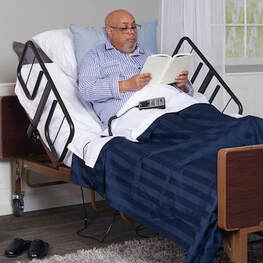
Reclining is one of the most basic but critical movements in ICU beds. Reclining means adjusting the upper part of the bed so the patient is not lying flat. Instead, their head and back are raised at an angle.
How Reclining Works
ICU beds use electric motors to lift the head section of the bed. This is usually done with a remote control or buttons on the side rail. The angle can be set from almost flat (zero degrees) to upright (up to 80 degrees in some beds).
Why Is Reclining Important?
Reclining in ICU beds serves several key medical purposes:
- Improved breathing: Raising the head helps patients with lung problems get more air. It reduces the risk of fluid build-up and can make breathing easier.
- Prevents aspiration: If a patient vomits or has difficulty swallowing, reclining can stop fluids from entering the lungs.
- Comfort: Staying flat for long periods is uncomfortable. Reclining supports reading, talking, or just relaxing.
- Post-surgery care: Many operations require patients to be kept at a certain angle to heal properly.
Real-world Examples
A patient with pneumonia may be kept in a semi-reclined position to help clear their lungs. Another patient, recovering from abdominal surgery, may need to be upright to avoid putting pressure on the wound.
How Much Can Icu Beds Recline?
Most ICU beds can be adjusted in small steps, with the head section raised anywhere from 30 to 80 degrees. This range allows doctors and nurses to find the exact position that works best for each patient.
Elevating The Legs: Why And How?
Another common question is whether ICU beds can elevate the legs. The answer is yes, and it’s a crucial feature for many patients.
What Does Leg Elevation Mean?
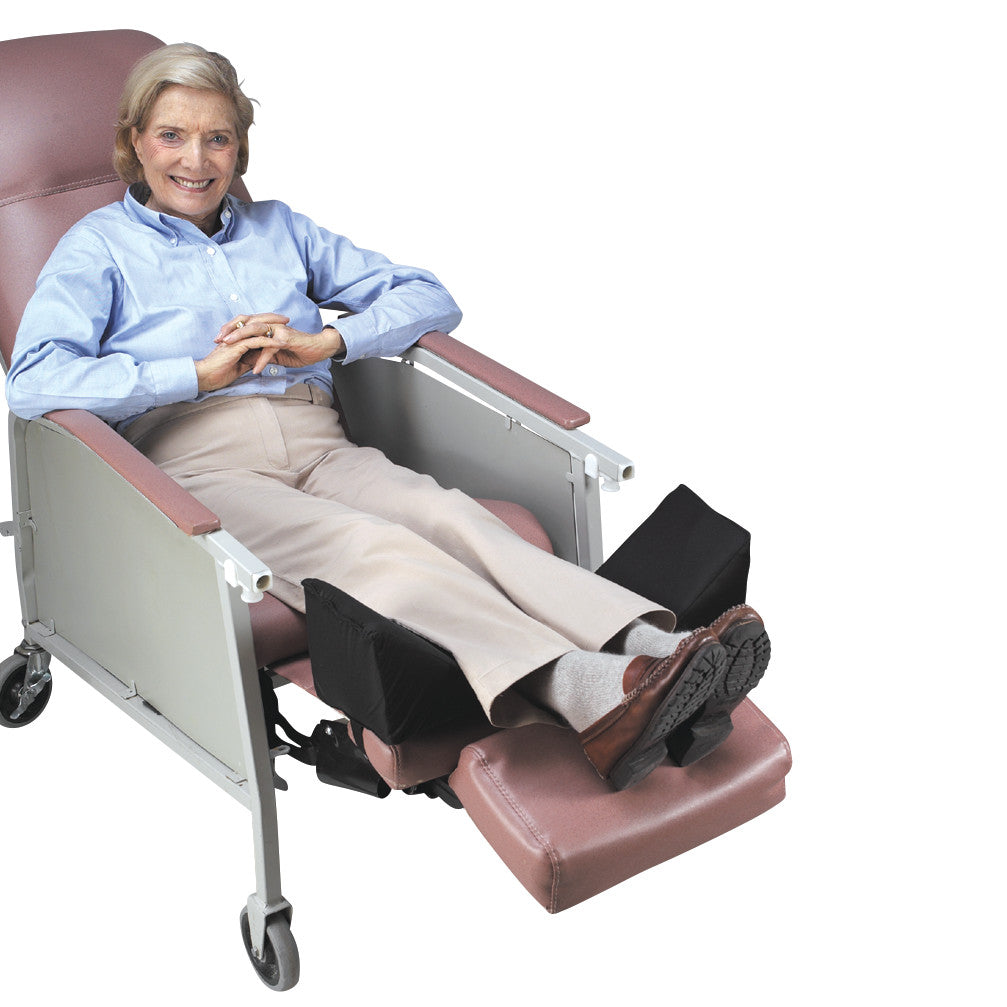
Elevating the legs means lifting the foot or knee section of the bed so the patient’s feet are higher than the hips. This is also called the Trendelenburg or reverse Trendelenburg position, depending on which way the bed is tilted.
Medical Reasons For Leg Elevation
- Reduces swelling: Keeping the legs up can move fluid away from swollen legs or feet. This is essential for patients with heart or kidney problems.
- Improves blood flow: Elevation can help return blood to the heart, reducing the risk of blood clots.
- Treats shock: In emergencies, raising the legs can help keep blood flowing to the brain and important organs.
- Pain relief: People with back pain or leg injuries often feel better with legs elevated.
Adjusting Leg Elevation
Just like reclining, ICU beds use electric motors to raise or lower the legs. The patient or nurse can control the angle, usually between 0 and 45 degrees. Some advanced beds allow “knee gatch” movement, which bends the knees slightly for extra comfort.
Example: When Is Leg Elevation Used?
A patient with deep vein thrombosis (DVT) may have their legs raised to reduce the risk of a blood clot moving to the lungs. Someone after a heart attack might need the legs up to improve blood flow.
Icu Bed Positioning: A Quick Comparison
It helps to see how ICU beds compare with standard hospital beds for reclining and leg elevation.
| Feature | ICU Beds | Standard Beds |
|---|---|---|
| Reclining Capability | Motorized, precise angles (up to 80°) | Manual or basic motor, limited angles |
| Leg Elevation | Motorized, up to 45° or more | Often manual, lower max elevation |
| Preset Positions | Yes (e.g., Fowler, Trendelenburg) | Rare or absent |
| Ease of Use | Bedside controls, nurse control | Basic controls or manual levers |
As you can see, ICU beds offer greater flexibility and safety for both reclining and elevating the legs.
Key Positions And Their Medical Uses
ICU beds can move into several special positions. Each has a unique benefit, depending on the patient’s condition.
Fowler’s Position
This is a semi-upright position where the back is raised between 45 and 60 degrees. It’s used for:
- Helping patients breathe better
- Reducing pressure on the lower back
- Feeding or talking with visitors
Semi-fowler’s Position
Here, the head is raised to about 30-45 degrees. This is often used after surgery or when a patient is at risk for aspiration.
Trendelenburg Position
In this position, the whole bed is tilted so the feet are higher than the head. It’s mainly used for:
- Treating shock
- Certain surgeries
Reverse Trendelenburg Position
The bed tilts with the head higher than the feet. This helps:
- Reduce pressure on the brain
- Assist patients with breathing difficulties
Flat Position
Sometimes, being flat is best—for example, after spinal injuries or certain surgeries.
How Do Medical Staff Use These Features?
It’s not just about comfort. Nurses and doctors change bed positions for many reasons:
- Checking vital signs: Some measurements are more accurate in specific positions.
- Performing procedures: Inserting a central line or doing CPR is easier with bed adjustments.
- Moving patients: Bed can tilt to help lift or turn a patient safely.
Medical staff get special training to use all the features correctly. They also know how to avoid common mistakes, like raising the legs too much, which can be dangerous for some heart patients.
Can Patients Control Icu Beds Themselves?
Modern ICU beds often have controls on the side rail or a remote. This lets patients adjust their position for comfort, if allowed by their doctor. However, in many cases, the bed is “locked” so only nurses can change settings.
This prevents accidental movements that could harm the patient.
Technology And Icu Bed Features
Today’s ICU beds come with advanced technology:
- Programmable positions: Nurses can save common positions and return to them with one button.
- Weight sensors: The bed knows if a patient is trying to get up (reducing fall risk).
- Built-in alarms: If the bed moves suddenly or if there’s a power issue, an alarm sounds.
- Integrated scales: Staff can weigh patients without moving them.
Some ICU beds even connect to hospital computer systems, sharing data about position changes, movement, and patient weight.
Safety Considerations With Reclining And Leg Elevation
Moving a patient is not always simple. Doctors and nurses must consider:
- Medical history: Some patients (like those with spinal injuries) should not be moved in certain ways.
- Lines and tubes: Many ICU patients have IVs, catheters, or breathing tubes. Beds must be moved carefully to avoid pulling these out.
- Risk of pressure sores: Too much time in one position can damage skin, so staff regularly change the patient’s position.
- Blood pressure changes: Suddenly sitting up or raising the legs can affect blood pressure. Changes are made slowly and with monitoring.
Example Of A Safety Protocol
Before adjusting the bed, the nurse checks all lines and asks for help if needed. Movements are done gently, and the patient’s response is checked every step of the way.
Common Myths About Icu Beds
Many people believe myths about ICU beds, such as:
- “ICU beds are always uncomfortable.” In reality, modern beds are designed for both comfort and medical needs, with special mattresses and cushions.
- “Only nurses can move the bed.” Patients can often control their bed, but sometimes for safety, the controls are disabled.
- “Reclining is dangerous after surgery.” Most surgeries require some head elevation to help breathing and healing.
Understanding the facts can reduce anxiety for patients and families.
The Science Behind Bed Positioning
There’s real science supporting how ICU beds are used.
- Respiratory support: Studies show that raising the head of the bed reduces the risk of pneumonia in ventilated patients.
- Pressure injury prevention: Alternating positions lowers the chance of bedsores.
- Circulation: Elevating the legs can improve blood flow in heart failure patients.
Hospitals follow evidence-based guidelines to decide when and how to use these features.
Comparing Icu Bed Brands And Models
Not all ICU beds are the same. Here’s a look at how some top brands compare for reclining and leg elevation features.
| Brand/Model | Head Recline (Max Angle) | Leg Elevation (Max Angle) | Special Features |
|---|---|---|---|
| Hillrom Progressa | 80° | 45° | Integrated scales, therapy surfaces |
| Stryker InTouch | 72° | 40° | Bed exit alarms, easy cleaning |
| Linet Multicare | 75° | 46° | Micro-shifting, patient turn assist |
Choosing the right bed depends on the patient’s needs and hospital resources.
Practical Tips For Patients And Families
If you or a loved one is in the ICU, here are some practical things to remember:
- Ask questions: Don’t hesitate to ask staff about bed positions and why they are used.
- Speak up about comfort: If a position feels uncomfortable, let the nurse know. There may be a better option.
- Watch for lines and tubes: If you are allowed to move the bed, be careful not to pull on any tubes or wires.
- Don’t change position without help: Especially after surgery or injury, always check with staff before moving the bed yourself.
- Regular movement: Even small changes in position can prevent complications. Staff will help with this.
Non-obvious Insights You Should Know
Most people focus on the visible movements of ICU beds, but there are a few details even many nurses and doctors sometimes miss:
- Micro-movements matter: Some advanced beds make tiny shifts automatically every few minutes. This prevents pressure injuries without waking the patient.
- Position history tracking: Some ICU beds log every position change. This helps staff spot if a patient isn’t being moved enough, which can reduce the risk of complications.
- Mattress technology: The type of mattress (air, gel, foam) can change how effective leg elevation or reclining is. For example, air mattresses can shift pressure even more precisely, supporting delicate skin or wounds.
Icu Beds And Rehabilitation
Not all patients in the ICU are unconscious or unable to move. Many are awake and starting rehabilitation. Reclining and leg elevation help with:
- Physical therapy: Beds can help patients sit up and practice moving safely.
- Strength building: Gradually increasing the angle helps patients rebuild muscles before standing.
- Early mobility: With the right support, patients can start moving sooner, which speeds up recovery.
Patient Safety: The Role Of Bed Position In Preventing Complications
Incorrect bed positioning can lead to serious problems, including:
- Pressure ulcers: Staying too long in one position damages skin and tissue.
- Pneumonia: Lying flat raises the risk, especially in patients with breathing tubes.
- Blood clots: Not elevating the legs when needed can cause dangerous clots.
Hospitals track these complications closely, and proper use of bed features is a key way to prevent them.
Icu Bed Positioning And Family Involvement
Family members play a role, too. They can help by:
- Reminding staff about comfort concerns
- Helping adjust pillows or blankets (with approval)
- Encouraging the patient to tell the nurse if something feels wrong
Being involved gives families a sense of control and helps patients feel supported.
The Future Of Icu Bed Technology
Innovation is ongoing. In the future, ICU beds may have:
- Voice controls: For patients who can’t use their hands
- Wireless monitoring: Sending data directly to doctors’ phones
- Smart sensors: Detecting early signs of complications, like pressure ulcers or breathing trouble
Some hospitals are already testing beds that adjust automatically based on patient movement, heart rate, or breathing.
For more about the latest in hospital bed technology, see this Wikipedia article on hospital beds.
Frequently Asked Questions
Can All Icu Beds Recline And Elevate The Legs?
Yes, almost all modern ICU beds have both reclining and leg elevation features. The range of movement can vary by model, but these are standard functions in intensive care settings.
Are There Risks To Raising The Legs Or Head Too Much?
There can be risks if the bed is not adjusted correctly. For example, raising the legs too high in heart failure patients may worsen breathing. Sudden changes in position can also cause blood pressure drops or discomfort. That’s why trained staff make adjustments slowly and monitor the patient closely.
Can Family Members Adjust The Icu Bed?
Usually, only medical staff are allowed to adjust ICU beds, especially when the patient has lines, tubes, or is unstable. In some cases, patients or families may be allowed to make small adjustments for comfort, but always check with the nurse first.
How Do I Know If The Bed Position Is Correct?
The right position depends on the patient’s medical needs. Nurses and doctors decide the safest and most comfortable position and will explain why a certain angle or position is used. If you have concerns, ask the care team for clarification.
Do Icu Beds Help Prevent Bedsores And Other Complications?
Yes, ICU beds are designed to reduce the risk of bedsores, blood clots, and lung infections. Features like micro-movements, alternating pressure mattresses, and easy repositioning are all part of this goal. Regular position changes, guided by staff, are essential for safety.
ICU beds are more than just a place to rest—they are a key part of intensive care. Their ability to recline and elevate the legs is not just about comfort, but about saving lives and supporting recovery. If you ever find yourself or a loved one in the ICU, understanding these features can make a challenging time a little less stressful.

