

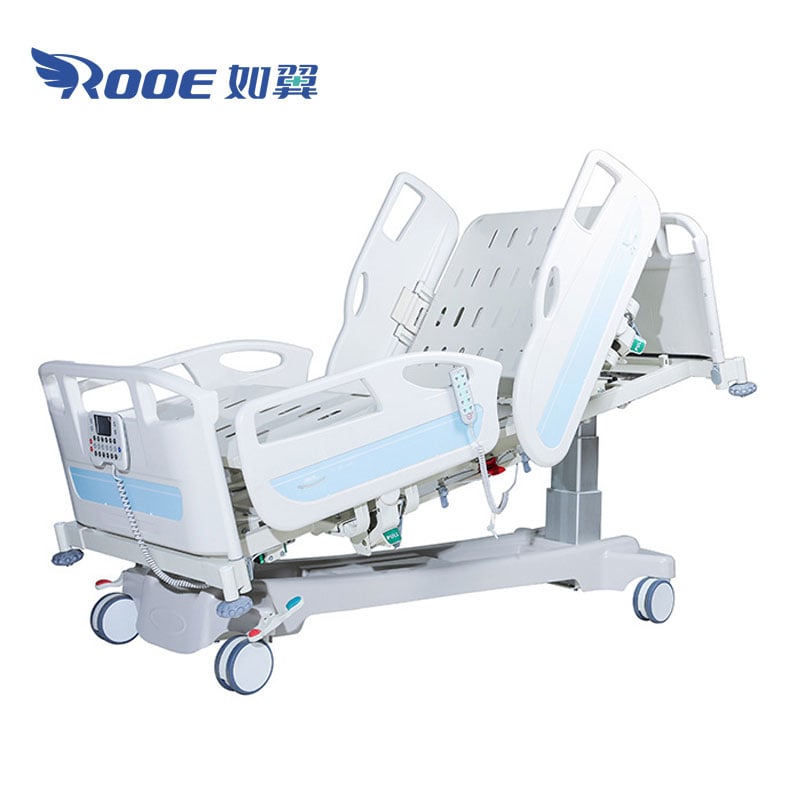
Hospital beds in intensive care units (ICUs) play a critical role in patient recovery. When you walk into an ICU, you will notice that beds are not ordinary—they are full of buttons, levers, and advanced features. These beds are designed to provide high adjustability, supporting both medical staff and patients in many ways.
But how adjustable are ICU hospital beds, really? Let’s explore all the possibilities, mechanisms, and impacts of this essential medical equipment.
What Makes An Icu Bed Adjustable?
The main purpose of an ICU hospital bed is to adapt to changing patient needs. Unlike regular beds, ICU beds allow many changes in position, height, and support. This helps with comfort, safety, and medical care. The level of adjustability can differ by brand, model, and price, but most modern ICU beds share some core features.
Adjustability in ICU beds is not just about moving up and down. It includes precise movements for the head, feet, sides, and even the entire bed platform. This adjustability is achieved through electric motors, manual cranks, or a combination of both.
Most beds are controlled via handsets, side panels, or nurse stations for easy and quick operation.
Let’s break down the main areas where ICU beds are adjustable.
Core Areas Of Icu Bed Adjustability
Height Adjustment
A key feature of ICU beds is height adjustability. This means the whole bed can move up or down. Nurses can lower the bed for patient safety or raise it to reduce strain during care. The range can be dramatic—some beds lower to 16 inches and rise to over 32 inches from the floor. This flexibility helps with transfers, procedures, and minimizing falls.
Backrest (head Section) Adjustment
The backrest, often called the head section, can be raised or lowered. This is essential for:
- Helping patients sit up for eating, breathing, or talking
- Reducing risk of pneumonia by keeping the head elevated
- Supporting procedures like intubation
Most beds allow the backrest to go from flat (0°) up to 70° or 80°, with fine control for patient comfort.
Leg And Knee Adjustment
The leg section can be adjusted up or down. Some beds let you bend the knees (knee gatch) or raise the feet (foot gatch). These adjustments help:
- Improve blood flow
- Reduce swelling in legs
- Provide comfort during long stays
Beds may let you move the knees up to 35° and feet up to 20°, depending on the model.
Trendelenburg And Reverse Trendelenburg
ICU beds often allow the whole bed to tilt. In the Trendelenburg position, the head is lower than the feet. In Reverse Trendelenburg, the feet are lower. These positions support:
- Certain surgeries and procedures
- Improving blood pressure
- Lung drainage for respiratory patients
Typical tilt angles are up to 15–20°, and these can be set quickly with electronic controls.
Lateral Tilt (side-to-side)
Some advanced ICU beds offer lateral tilt functions. The whole bed can tilt up to 30° from side to side. This is used for:
- Easier patient turning (reducing bedsores)
- Lung therapy
- Transferring patients
Not all beds have this feature, but it’s growing in popularity for critical care.
Bed Extension And Retraction
Tall patients or those needing extra space benefit from beds that can extend in length. Bed extension features can add 4–8 inches, making care more comfortable and safer.
Comparing Adjustment Ranges In Icu Beds
To better understand adjustability, here is a comparison of common ICU bed adjustment ranges:
| Adjustment Feature | Typical Range | Purpose |
|---|---|---|
| Height | 16–32 inches | Transfers, safety, care procedures |
| Backrest (Head) | 0–70° | Sitting, breathing, eating, procedures |
| Leg/Knee Gatch | 0–35° | Circulation, comfort, pressure relief |
| Foot Gatch | 0–20° | Reduce swelling, comfort |
| Trendelenburg | 0–15° down | Surgery, shock, lung drainage |
| Reverse Trendelenburg | 0–15° up | Respiratory care, circulation |
| Lateral Tilt | 0–30° each side | Turning, therapy, transfers |
| Length Extension | +4 to +8 inches | Tall patients, procedures |
How Adjustability Improves Patient Care
ICU beds are not only about comfort—they are central to patient outcomes. Let’s look at how their adjustability makes a difference.
Prevention Of Pressure Injuries
Pressure ulcers (bedsores) are a big risk in the ICU. By allowing regular position changes—side to side, up and down—adjustable beds help reduce skin pressure. This lowers the chance of sores, which can be hard to treat and cause infections.
Enhanced Breathing And Ventilation
Many ICU patients have breathing problems or need a ventilator. Raising the head (backrest adjustment) or tilting the bed (Reverse Trendelenburg) can make breathing easier. It also helps prevent pneumonia and fluid buildup in the lungs.
Easy Access For Medical Procedures
Doctors and nurses often need quick access to the patient for IV lines, surgery, or emergency care. Height and tilt adjustments let staff work at a safe, comfortable level. This reduces injury risk for caregivers and patients.
Safer Patient Transfers
Raising or lowering the bed makes it easier to move patients to wheelchairs, stretchers, or the floor. Proper adjustment reduces falls and injuries—critical in an ICU where patients are weak or unconscious.
Improved Patient Comfort
Staying in bed for days or weeks is hard. Fine-tuned adjustments—raising legs, bending knees, or adjusting bed firmness—help patients feel better, sleep more, and heal faster. Comfort is essential for recovery.
Advanced Adjustment Features In Modern Icu Beds
The latest ICU beds come packed with technology. Some features go beyond standard adjustments and add extra layers of support.
Integrated Weighing Systems
Many ICU beds now have built-in scales. This allows staff to check a patient’s weight without moving them. Weight changes can show fluid buildup, which is important for kidney and heart monitoring.
Programmable Positions And Memory
Beds with memory functions can store favorite or medical positions. With one touch, the bed moves to a saved position (like “CPR” or “sitting up”). This is a time saver during emergencies.
Auto-contour Function
This feature automatically raises both the head and knees together. It prevents the patient from sliding down the bed and helps protect the lower back and skin.
Bed Exit Alarms
Some beds can detect when a patient tries to get out. This feature is critical for preventing falls, especially in confused or weak patients.
Remote Controls For Patients
Many beds offer patient handsets. Patients can adjust their own position for comfort, giving them a sense of control in a stressful ICU environment.
Comparing Basic Vs. Advanced Icu Beds
How much does adjustability differ between basic and advanced ICU beds? Here’s a side-by-side look:
| Feature | Basic ICU Bed | Advanced ICU Bed |
|---|---|---|
| Height Adjustment | Manual or Electric | Electric, programmable |
| Backrest/Leg Section | Manual or simple electric | Multiple positions, memory |
| Trendelenburg/Reverse | Manual, limited | Electric, precise, programmable |
| Lateral Tilt | No | Yes, up to 30° |
| Bed Extension | Manual | Electric, auto-adjust |
| Integrated Weighing | No | Yes |
| Patient Controls | Limited | Full, remote, nurse station |

Key Mechanisms Behind Adjustability
Understanding the technology inside ICU beds helps explain their wide range of adjustments.
Electric Motors And Actuators
Most ICU beds use electric actuators for smooth, quiet movement. These are strong, reliable, and can be controlled with buttons or touchscreens. Older beds may use hand cranks, but these are less common in modern ICUs.
Hydraulic And Pneumatic Systems
Some adjustments, like height or tilt, may use hydraulic or pneumatic power. These systems give powerful, steady movement—useful for heavier patients or fast changes.
Sensor Integration
Sensors inside the bed detect position, weight, and patient movement. This information can help prevent falls or alert staff if a patient leaves the bed.
Microprocessor Controls
Advanced beds use small computers to coordinate all movements. This allows for memory functions, “one-touch” operations, and safer, more precise adjustments.
Safety Features Related To Adjustability
High adjustability comes with risks, especially if used incorrectly. ICU beds include safety features to protect patients and staff.
- Lockout controls: Prevent accidental movements, especially during surgeries or procedures.
- Side rails: Adjustable rails can be raised or lowered to prevent falls, but must be used carefully to avoid injury.
- Emergency CPR release: Instantly flattens the bed for resuscitation.
- Battery backup: Keeps all adjustments working during power outages.
Adjustability For Special Patient Needs
Not all ICU patients are the same. Adjustability helps meet unique needs:
Bariatric Patients
For heavier patients, beds can be widened or reinforced. Adjustments are motorized for smooth, safe movement. Some beds support over 1,000 lbs.
Pediatric Patients
Children need smaller, safer beds. Pediatric ICU beds offer gentle movement, lower height, and extra safety rails.
Spinal Injury Patients
These patients often require strict alignment. Beds with fine tilt control and memory positions help keep the spine safe.
Burn And Trauma Patients
Adjustments for these patients focus on minimizing movement and supporting wound care. Specialized surfaces and gentle tilt features are common.
Non-obvious Insights About Icu Bed Adjustability
Many new ICU staff and even some caregivers miss the following key points:
- Adjustability is more than comfort—it’s a medical tool. The right bed position can prevent serious complications like pneumonia or blood clots, not just make the patient feel better.
- Over-adjustment can cause harm. For example, leaving the bed too high increases fall risks. Frequent, small changes are safer and more effective than dramatic moves.
- Bed adjustability can directly impact hospital costs. Preventing pressure ulcers and reducing staff injury lowers overall treatment expenses—a win for patients and hospitals alike.
Common Mistakes When Using Adjustable Icu Beds
Despite high-tech features, errors still happen.
- Ignoring manufacturer instructions: Each bed model has unique controls and safety steps. Skipping the manual leads to mistakes.
- Poor patient education: Patients who can use the controls should be taught how. Otherwise, they may injure themselves or avoid adjusting for comfort.
- Not locking wheels or rails: This can cause sudden movement or falls.
- Overuse of Trendelenburg/Reverse Trendelenburg: These positions are powerful but should only be used with a doctor’s order, as they can affect blood flow and breathing.
How To Choose The Right Icu Bed For Adjustability
Hospitals and clinics should look at several factors before buying ICU beds:
- Patient population: Are most patients adults, children, or bariatric cases? Choose beds with features for those needs.
- Ease of use: Controls should be simple for both staff and patients.
- Maintenance requirements: More features can mean more maintenance. Balance adjustability with reliability.
- Infection control: Beds should be easy to clean, as more moving parts can hide germs.
- Integration with hospital systems: Some advanced beds connect with electronic medical records for better tracking.
The Future Of Icu Bed Adjustability
Innovation is moving fast. Future ICU beds may include:
- Voice or gesture controls for hands-free adjustments.
- Automatic repositioning to prevent pressure injuries without staff input.
- AI-powered sensors that adjust bed position based on vital signs.
- Wireless integration with hospital systems for real-time monitoring.
These advances will make ICU beds even more adaptable—and even more central to critical care.
Real-world Example: Adjustability In Action
During the COVID-19 pandemic, hospitals saw a surge in patients needing ventilation. ICU beds with advanced adjustability made it possible to:
- Reposition patients quickly for better lung function
- Transfer patients safely between departments
- Reduce injuries to overworked staff
Some hospitals reported fewer pressure ulcers and faster recovery times thanks to these beds. As a result, investment in high-tech ICU beds has grown worldwide. For more on the impact of ICU bed technology, see this Wikipedia article.

Frequently Asked Questions
How Many Positions Can An Icu Bed Adjust To?
Most modern ICU beds can adjust to at least six main positions—height, backrest, leg, foot, Trendelenburg, and Reverse Trendelenburg. Advanced models add lateral tilt, bed extension, and memory settings, giving over 10 unique positions.
Can Patients Control Their Own Icu Bed Adjustments?
Yes, many ICU beds have patient handsets or controls built into the side rails. However, some adjustments (like bed height or Trendelenburg) may be restricted to staff for safety.
Are All Icu Beds Fully Electric?
Not all. Some basic or older beds use manual cranks for some adjustments. Most modern ICU beds in large hospitals are fully electric, making adjustments faster and easier.
Why Is Lateral Tilt Important In Icu Beds?
Lateral tilt helps with patient turning, reducing pressure sores, and supporting lung therapy. It also makes it easier for staff to move or reposition the patient with less physical effort.
How Do Hospitals Clean Adjustable Icu Beds With Complex Mechanisms?
Hospitals use specialized cleaning protocols and often choose beds with removable parts and sealed motors. Beds designed for infection control have smooth surfaces and minimal gaps to prevent germ buildup.
Final Thoughts
ICU hospital beds are highly adjustable, and this flexibility is a key part of critical care. From simple height changes to advanced programmable positions, these beds support patient comfort, safety, and medical care in ways ordinary beds cannot. As technology grows, adjustability will become even more precise, making ICU beds an even more vital tool in saving lives and improving outcomes.
If you ever find yourself or a loved one in the ICU, remember that the bed beneath you is more than just a place to rest—it’s a silent partner in the healing process.

