

When you walk into an intensive care unit (ICU), you notice more than the steady beeping of monitors and the quiet urgency of nurses. What stands out are the beds—high-tech, adjustable, and often supporting the most vulnerable patients. These ICU hospital beds are not ordinary furniture; they are medical devices designed to save lives and provide comfort under critical conditions. But like any equipment, their usefulness does not last forever. How long does an ICU bed truly last? And what factors shape this lifespan? This article explores these questions in depth, unpacking everything you need to know about the lifespan of ICU hospital beds, what affects it, and how hospitals make smart choices for patient care.
Understanding Icu Hospital Beds
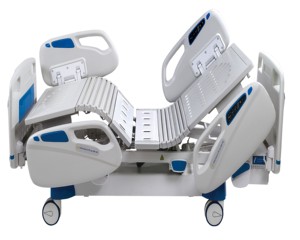
ICU beds are much more than places to rest. They are engineered to serve critically ill patients who need constant monitoring and intervention. These beds come with advanced features such as:
- Height adjustment for easy access and mobility
- Electronic controls for precise positioning
- Built-in scales to monitor patient weight
- Side rails for safety
- CPR levers for emergencies
Their complexity means they face more stress and wear than regular beds. ICU beds must also meet strict standards for hygiene, safety, and infection control.
Non-obvious insight: Many people assume ICU beds are standardized, but different models have unique lifespans depending on their technology, build quality, and intended use.
Average Lifespan Of An Icu Hospital Bed
Most hospitals expect an ICU bed to last between 7 and 15 years. This range varies due to several factors, including how heavily the bed is used and how well it is maintained. Some top-tier beds with durable frames and replaceable parts can last up to 20 years, but this is less common.
In general:
- Low-use or high-quality beds: 12-15 years
- Standard-use beds: 7-10 years
- High-use, harsh environments: 5-7 years
The lifespan is not just about the frame. Electronic components, motors, and mattresses may wear out faster and require replacement before the bed frame does.
Key Factors Affecting Icu Bed Lifespan
1. Frequency Of Use
Beds in busy ICUs often support multiple patients per week, 24 hours a day. Heavy rotation means faster wear and tear on mechanical and electronic parts.
2. Quality Of Materials
Beds made from stainless steel or other high-strength materials typically last longer than those built with cheaper metals or plastics. The quality of electronics and actuators also plays a large role.
3. Maintenance Practices
Routine checks, cleaning, and preventive repairs extend a bed’s life. Hospitals with regular maintenance schedules see fewer breakdowns and longer service.
4. Manufacturer And Model
Premium brands often use better engineering and offer spare parts for years, while budget models may have shorter lifespans and limited support.
5. Environmental Factors
Humidity, frequent disinfecting, and exposure to fluids can corrode parts or damage electronics. ICU beds in tropical climates or older facilities may age faster.
6. Upgrades And Obsolescence
New safety guidelines or technology can make older beds outdated. Sometimes beds are replaced not because they are broken, but because they lack modern features.
Non-obvious insight: Infection control rules change regularly. Beds designed for one era may not meet new standards, forcing replacement even if the bed is still functional.
Signs That An Icu Bed Needs Replacement
Hospitals do not always wait for beds to break down. There are clear warning signs that a bed should be retired:
- Frequent mechanical or electronic failures
- Damaged or malfunctioning controls
- Noisy motors or slow movement
- Rust, cracks, or visible wear on the frame
- Difficulty cleaning or disinfecting parts
- Lack of compatibility with new medical equipment
Ignoring these signs can lead to patient safety risks and more expensive emergency repairs.
Components With Different Lifespans
Not every part of an ICU bed ages at the same rate. Some parts last longer, while others need earlier replacement.
| Component | Average Lifespan | Replacement Notes |
|---|---|---|
| Bed Frame | 10-15 years | Can last longer with good care |
| Mattress | 3-5 years | Replace often for hygiene |
| Motors/Actuators | 5-8 years | May need service or swap out |
| Electronic Controls | 5-10 years | Vulnerable to wear and technology changes |
| Side Rails | 7-10 years | Check for cracks or loose parts |
How Hospitals Extend The Life Of Icu Beds
Hospital administrators take active steps to maximize the value from these expensive investments.
Scheduled Maintenance
Many hospitals follow a planned maintenance schedule. This includes:
- Lubricating moving parts
- Inspecting for loose bolts or worn wires
- Testing electrical systems
- Replacing minor parts before failure
A well-maintained bed can last years longer than a neglected one.
Staff Training
Proper use prevents accidental damage. Hospitals train staff to operate controls gently, avoid overloading beds, and report problems quickly.
Cleaning And Infection Control
ICU beds must be cleaned often, but harsh chemicals can degrade materials. Using the right cleaning agents and methods helps preserve bed integrity.
Practical tip: Never allow liquids to seep into electronic controls—this is a major cause of early failure.
Upgrading Individual Components
Instead of replacing the entire bed, hospitals can swap out worn mattresses or motors. This modular approach extends the usable lifespan.
The Economics Of Icu Bed Lifespan
ICU beds are expensive, often costing $10,000 to $50,000 each. Hospitals balance several considerations:
- Cost of new beds versus repairs
- The risk of downtime during repairs
- Insurance and regulatory requirements
- Patient satisfaction and safety
A bed that lasts 15 years instead of 7 can save thousands of dollars. However, hidden costs—like staff time lost to breakdowns or infection risks—may outweigh the savings of keeping old beds too long.
Comparing Icu Bed Lifespan: Different Models And Brands
Hospitals choose beds based on reputation, features, and expected durability. Here’s a comparison of three popular ICU bed types:
| Model Type | Expected Lifespan | Key Strengths | Common Weaknesses |
|---|---|---|---|
| Basic Electric ICU Bed | 7-10 years | Lower cost, simple repairs | Fewer advanced features |
| Advanced ICU Bed (with integrated monitors) | 10-15 years | High-tech, adaptable | Expensive repairs, complex electronics |
| Hybrid ICU/Step-down Bed | 8-12 years | Flexible use, mid-range price | May lack top ICU features |
Pro tip: Hospitals sometimes rotate older beds into less demanding areas (like step-down units) to get the most value before final retirement.
Regulatory And Safety Considerations
National health agencies and organizations like the Joint Commission set standards for hospital bed safety and performance. Beds that do not meet standards must be replaced, even if they still work mechanically.
- FDA regulations: In the US, ICU beds are classified as medical devices and must pass safety tests.
- Periodic inspections: Hospitals are often required to certify that beds are safe and functional.
- Documentation: Maintenance and repair logs are essential for passing audits.
Ignoring these standards can lead to fines, lawsuits, and risk to patients.
Real-world Data: Icu Bed Lifespan In Hospitals
A study published in the Journal of Hospital Administration found that the average ICU bed in US hospitals was replaced every 9.2 years. European hospitals reported similar numbers, with some extending to 12 years with modular upgrades. Lower-income countries sometimes keep beds for over 15 years, but often face higher breakdown rates and more safety issues.
Case example: One large hospital replaced all ICU beds after 8 years, reporting a 20% drop in maintenance calls and a 15% increase in patient satisfaction scores.
The Role Of Technology In Extending Lifespan
New technologies are making it possible for ICU beds to last longer and perform better.
Smart Sensors
Modern beds include sensors that alert staff to mechanical problems early, reducing unexpected failures.
Software Updates
Some high-end ICU beds allow firmware updates for controls and monitoring systems, keeping beds compatible with the latest medical devices.
Remote Diagnostics
Manufacturers can now remotely diagnose issues, often fixing minor problems without sending technicians to the hospital.
Non-obvious insight: Investing in beds with upgradable software and modular parts can make a big difference in long-term value.
Mattress Lifespan: The Overlooked Factor
While the frame may last a decade or more, mattresses usually need replacing much sooner. Damaged or worn mattresses increase the risk of pressure ulcers and infection. Hospitals often replace ICU bed mattresses every 3-5 years, even if the bed itself is still in use.

Environmental Impact: What Happens To Old Icu Beds?
Disposing of old medical equipment is a growing concern. Some beds are recycled for parts, while others are donated to clinics in need. However, many end up in landfills, especially when they cannot be upgraded to meet safety codes.
Sustainability tip: Hospitals can reduce waste by choosing beds with recyclable frames or working with vendors to refurbish old equipment.
Common Mistakes In Icu Bed Lifespan Management
- Delaying replacement: Waiting until beds break down can lead to unplanned downtime and patient safety risks.
- Ignoring minor faults: Small problems, if left unchecked, often become major failures.
- Improper cleaning: Using harsh chemicals or water on electronics can reduce lifespan.
- Lack of staff training: Untrained staff may damage beds by forcing controls or overloading them.
- Not budgeting for upgrades: Hospitals must plan for both replacements and regular upgrades to avoid cost spikes.
Practical example: A hospital that replaced all worn mattresses at year 4 avoided a spike in pressure ulcer cases, saving money and improving patient outcomes.
Making Icu Bed Replacement Decisions
Hospital administrators use a mix of data, safety reports, and financial planning to decide when to replace beds. They consider:
- Repair frequency and costs
- Patient safety reports
- New regulatory requirements
- Staff feedback
Life cycle analysis tools can help predict the best replacement intervals for each hospital.
Icu Bed Lifespan: At A Glance
To sum up the main points, here’s a quick reference:
| Usage Scenario | Expected Lifespan | Replacement Triggers |
|---|---|---|
| Standard ICU | 7-10 years | Mechanical/electronic failures, safety upgrades |
| Low-use or backup | 12-15 years | Obsolescence, frame wear |
| High-use, busy ICU | 5-7 years | Frequent breakdowns, infection risk |
Global Perspectives: How Bed Lifespan Varies
Wealthier countries usually replace beds more often, driven by strict regulations and the desire for the latest technology. In some regions, older beds are sent to less critical wards or even overseas to extend their use.
Example: In Canada, government guidelines suggest replacing ICU beds every 10 years, while hospitals in parts of Africa may keep beds for 15-20 years, often repairing them with locally available parts.
External resource: For more on medical device regulations, see the FDA’s Medical Devices section.
The Future Of Icu Bed Lifespan
The next generation of ICU beds will likely last longer, thanks to better materials, predictive maintenance, and modular designs. However, rapid advances in medical technology mean that functional obsolescence—becoming outdated even if not broken—will remain a key factor.
Hospitals must balance cost, safety, and innovation, always keeping patient care at the heart of their decisions.
Frequently Asked Questions
How Often Should Icu Hospital Beds Be Replaced?
Most hospitals replace ICU beds every 7 to 10 years. However, if the bed shows frequent faults, cannot be safely cleaned, or does not meet new regulations, it should be replaced sooner.
What Is The Main Reason Icu Beds Are Retired Before The End Of Their Mechanical Life?
The leading reason is regulatory or technological obsolescence. Beds may still work, but if they lack required safety features or compatibility with new devices, they must be retired.
Can Old Icu Beds Be Refurbished And Reused?
Yes, many parts can be replaced or upgraded. However, the bed must still meet current safety and infection control standards to be reused in a hospital setting.
How Does Mattress Lifespan Compare To The Frame’s Lifespan?
Mattresses last 3-5 years—much less than the bed frame. They need earlier replacement for hygiene and patient comfort.
What Happens To Icu Beds After They Are Replaced?
Some beds are recycled for metal or parts, others are donated to clinics with fewer resources, and many are disposed of if they cannot be safely refurbished.
—
Understanding the lifespan of an ICU hospital bed is not just about numbers. It involves balancing technology, safety, maintenance, and cost—all while keeping patient care as the top priority. With good planning, regular checks, and an eye on future trends, hospitals can ensure their ICU beds serve safely and reliably for as long as possible.

