

Are you uncomfortable sitting at your desk for hours? You might not have your chair set at the right height.
The height of your chair can make a huge difference in how you feel during and after work. If your chair is too high or too low, you could end up with back pain, poor posture, or even decreased focus.
But how high should a chair be for desk work to keep you comfortable and productive? Keep reading to find simple, effective tips that will transform your workspace and help you work better every day.
Ideal Chair Height Basics
Finding the right chair height is key for comfortable desk work. A chair set too high or low can cause pain. Proper height supports good posture and reduces strain on your back and neck. The goal is to keep your feet flat on the floor and your arms at desk level. Let’s explore the basics of ideal chair height to help you work better.
Measuring Your Desk Height
Start by measuring your desk height. Use a tape measure to check from the floor to the top of the desk. Most desks are about 28 to 30 inches high. This measurement helps decide your chair height for comfort. Your chair seat should be just below the desk surface.
Standard Chair Height Ranges
Standard office chairs usually have a seat height between 16 and 21 inches. This range fits most people and desks. For desks around 29 inches tall, a chair height near 18 to 20 inches works well. Adjusting within this range helps keep your arms and wrists relaxed while typing.
Adjustable Chairs Benefits
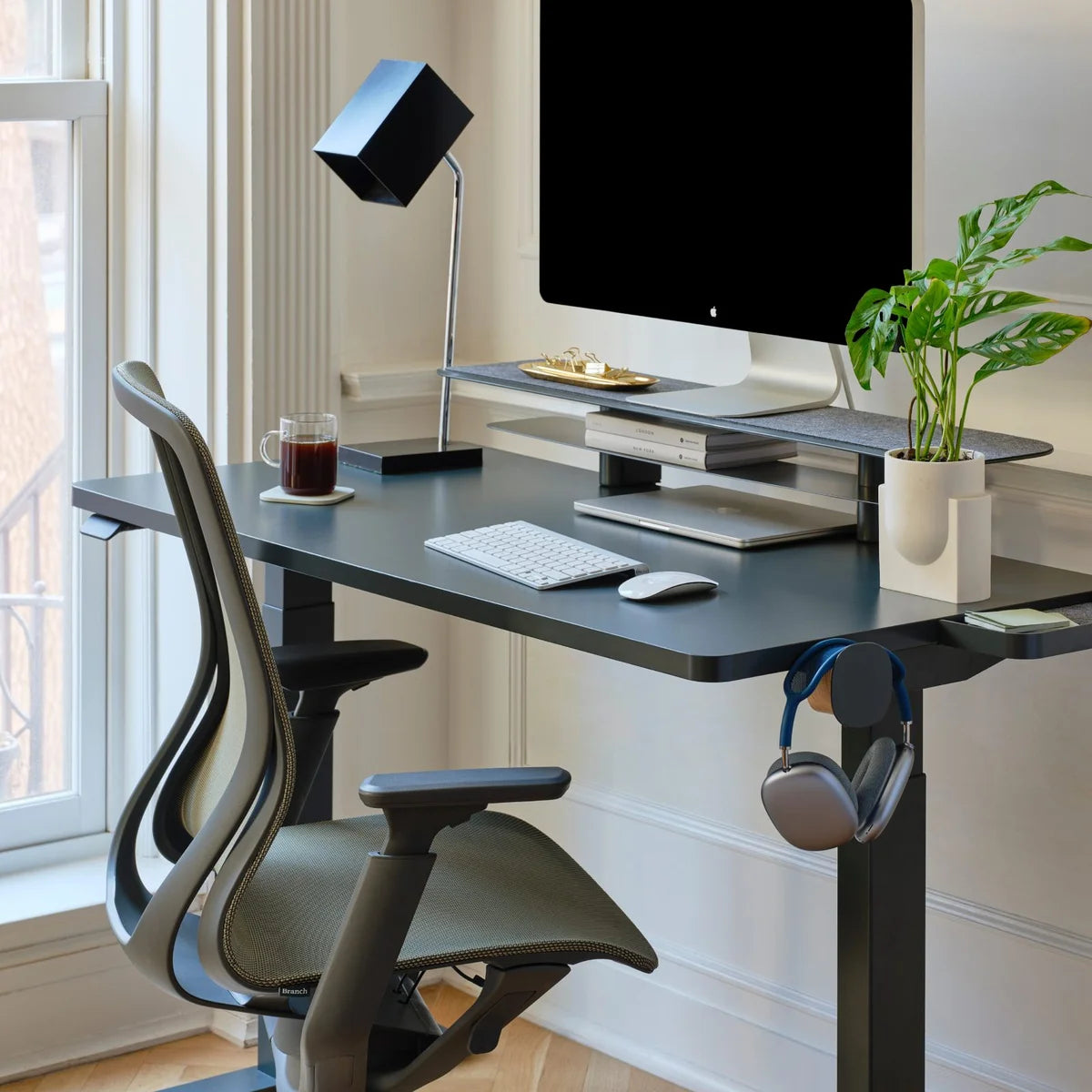
Adjustable chairs allow you to change the seat height easily. This helps fit different desk heights and body sizes. Being able to adjust prevents discomfort during long work hours. Many adjustable chairs also offer tilt and lumbar support for better posture. These features reduce muscle tension and improve focus.
Body Positioning For Comfort
Proper body positioning is key to comfort during desk work. Sitting the right way helps reduce strain and keeps you focused. Adjusting your chair height plays a big role in this. It affects how your feet, knees, hips, and spine align. Good posture lowers the risk of pain and injury.
Feet Placement And Floor Contact
Your feet should rest flat on the floor. This provides a stable base for your body. Avoid letting your feet dangle or tuck under the chair. Feet fully touching the floor helps improve blood flow. It also prevents pressure on your thighs.
Knee And Hip Angles
Bend your knees at about a 90-degree angle. Your hips should be level with or slightly higher than your knees. This position eases pressure on your joints. It allows you to sit comfortably for longer periods. Avoid crossing your legs or sitting too far forward.
Maintaining Natural Spine Curve
Keep your back straight but relaxed. Your chair should support the natural curve of your spine. Avoid slouching or leaning too far back. Proper lumbar support helps protect your lower back. It encourages good posture and reduces fatigue.
Ergonomic Factors To Consider
Choosing the right chair height is key for comfortable desk work. Ergonomic factors help prevent pain and improve posture. Focus on how the chair supports your body parts. This support reduces strain during long hours of sitting.
Seat Depth And Width
The seat should fit your body size. Depth matters so your thighs rest fully without pressure behind the knees. Width needs to be wide enough for your hips, but not too wide to lose support. A well-sized seat keeps blood flowing and avoids numbness.
Backrest Support
Backrest support is important for your spine. It should follow the curve of your lower back. Proper lumbar support prevents slouching and back pain. The backrest height should reach your shoulders for full support. A good backrest encourages a natural posture.
Armrest Height And Position
Armrests reduce shoulder and neck tension. They should be at a height where your shoulders relax. Elbows need to bend at about 90 degrees. Position armrests close enough to support your arms without stretching. Proper armrest placement helps keep wrists and shoulders safe.
Tools And Accessories
Choosing the right chair height is just one part of creating a comfortable workspace. Tools and accessories help improve posture and reduce strain. They support your body and make desk work easier. Small changes can bring big comfort.
Footrests For Additional Support
Footrests keep your feet flat and support your legs. They help reduce pressure on your lower back. A footrest is useful if your feet don’t touch the floor. It improves circulation and keeps you comfortable during long work hours.
Seat Cushions And Pads
Seat cushions add softness to hard chairs. They improve comfort and reduce pressure on your hips. Cushions with memory foam adjust to your body shape. Using a seat pad can help maintain good posture and prevent pain.
Desk Height Adjustments
Adjusting your desk height matches your chair and body size. A desk that is too high or low causes discomfort. Many desks have adjustable legs or tops for easy changes. Proper desk height keeps your arms at a 90-degree angle while typing.
Common Mistakes And Fixes
Choosing the right chair height is key for comfortable desk work. Many people make common mistakes that harm their posture and cause pain. These errors can be fixed with simple adjustments. Understanding these mistakes helps you work better and feel good.
Too High Or Too Low Seating
Sitting too high puts pressure on your thighs and lowers circulation. Your feet may dangle or not rest flat on the floor. Sitting too low forces you to lean forward, straining your back and neck. Adjust your chair so your feet rest flat on the floor. Your knees should be at a 90-degree angle. Your elbows should be near desk height for easy typing.
Slouching And Poor Posture
Slouching causes back pain and fatigue. It often happens when the chair does not support your lower back. Use a chair with lumbar support or add a small pillow. Sit back fully in the chair. Keep your shoulders relaxed and avoid leaning forward. A good chair height helps maintain a straight spine.
Ignoring Regular Breaks
Sitting for long hours leads to stiffness and discomfort. Many ignore breaks and keep the same position too long. Stand up and stretch every 30 to 60 minutes. Walk around to improve blood flow. Breaks reduce muscle tension and refresh your mind. Adjust your chair and take breaks to stay healthy and focused.
Customizing Chair Height For Specific Needs
Adjusting chair height is key for comfort at the desk. Everyone has unique needs. Setting the right height helps avoid pain and boosts focus. Customizing chair height fits your body and work style.
Tall And Short User Adjustments
Tall people need a higher chair to keep feet flat. Short users need a lower height to reach the floor. Both should keep knees at a 90-degree angle. This supports good posture and blood flow.
Accommodating Mobility Challenges
People with mobility issues may need specific chair heights. Chairs with easy height adjustment help users move smoothly. A proper height reduces strain on joints and muscles. Comfort leads to better work endurance.
Adjusting For Different Desk Types
Desk height varies by design and purpose. Adjustable chairs work well with standing desks or high tables. For fixed desks, match chair height to desk height. This keeps arms relaxed and wrists straight during work.

Frequently Asked Questions
What Is The Ideal Chair Height For Desk Work?
The ideal chair height for desk work is when your feet rest flat on the floor. Your knees should be at a 90-degree angle. Your thighs should be parallel to the floor. This position ensures comfort and reduces strain during long work hours.
How Do I Measure The Correct Chair Height?
To measure chair height, sit with your back straight. Adjust the chair so your elbows form a 90-degree angle. Your wrists should align with the desk surface. This setup promotes proper posture and minimizes discomfort while working.
Can Chair Height Affect Productivity At Work?
Yes, chair height directly impacts productivity. A well-adjusted chair reduces fatigue and prevents back pain. Comfortable seating helps maintain focus and efficiency. Proper height improves overall ergonomic support, making work sessions more productive.
Should Chair Height Vary For Different Desk Types?
Yes, chair height should match the desk height. Standard desks are usually 28-30 inches high. Adjustable chairs help customize height for various desks. This ensures ergonomic alignment and enhances comfort regardless of desk type.
Conclusion
Choosing the right chair height helps you work comfortably all day. Your feet should rest flat on the floor. Keep your knees at a 90-degree angle. Your arms should align with the desk surface. Sitting too high or low can cause pain.
Small changes make a big difference in posture. Adjust your chair before starting work. A proper chair height supports focus and health. Remember, comfort boosts your work quality and mood. Keep these tips in mind for better desk work.

