

If you suffer from back pain, choosing the right chair can make all the difference in your comfort and health. You might not realize it, but the chair you sit in every day could be causing or easing your pain.
Imagine sitting without that nagging ache, feeling supported and relaxed instead. You’ll discover which chair is best for back pain and how it can change the way you feel every day. Keep reading to find the perfect match for your back and say goodbye to discomfort.

Causes Of Back Pain
Back pain is a common problem that affects many people. It can start from different reasons. Understanding these causes helps choose the right chair. A chair that supports your back well can reduce pain and improve comfort.
Common Triggers
Back pain often begins from muscle strain or injury. Sitting for a long time without moving can cause stiffness. Poor posture is a major trigger. Slouching or leaning forward puts pressure on the spine. Lifting heavy objects incorrectly also harms the back. Stress and lack of exercise can worsen the pain. Sometimes, medical conditions like herniated discs or arthritis cause pain.
Impact Of Poor Seating
Poor seating is a main cause of back pain. Chairs without proper support make the spine bend unnaturally. This leads to muscle tension and discomfort. Sitting on soft or flat chairs can cause slumping. Over time, this harms the lower back. A bad chair can increase pain and reduce focus. Good seating helps keep the spine aligned and muscles relaxed. It lowers the risk of chronic back problems.
Key Features To Look For
Choosing the right chair for back pain is important. The right chair can help reduce discomfort. It supports your body and keeps your spine aligned. Several key features make a chair good for back pain. These features help you sit comfortably for long hours.
Lumbar Support
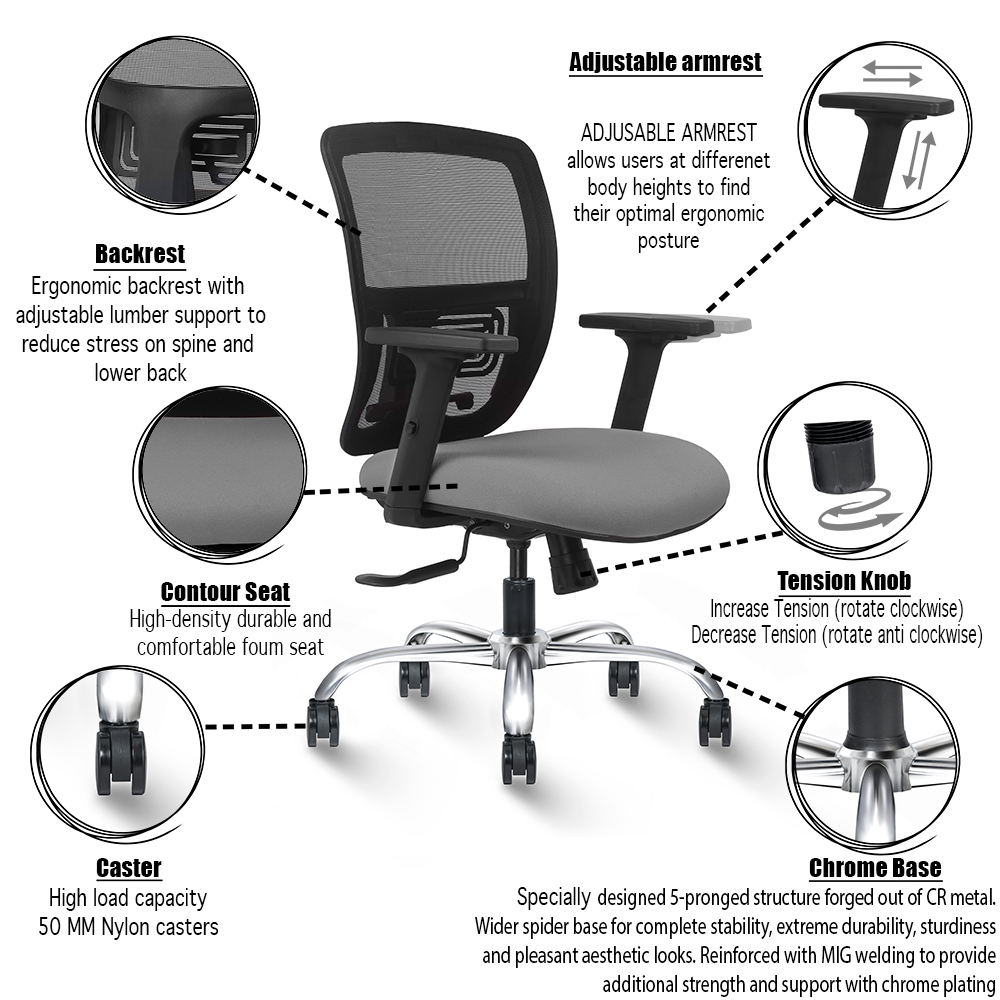
Lumbar support helps keep the lower back in its natural curve. It prevents slouching and reduces pressure on the spine. Look for chairs with adjustable lumbar support. This lets you move it to the best position for your back.
Adjustability Options
A chair with many adjustability options fits your body better. Adjustable height, armrests, and backrest angles help you find a comfortable pose. This flexibility reduces strain on your back muscles. It also helps maintain good posture throughout the day.
Seat Cushioning
Good seat cushioning provides comfort and support. It should be firm but soft enough to avoid pressure points. High-density foam or memory foam cushions work well. They keep you comfortable without sinking too deep into the seat.
Material And Breathability
The chair material affects comfort and durability. Breathable fabrics like mesh allow air to flow. This keeps you cool and prevents sweating. Avoid chairs with non-breathable materials that trap heat. Durable materials also ensure the chair lasts longer.
Types Of Chairs For Back Pain
Choosing the right chair can ease back pain and improve comfort. Different chairs support the back in unique ways. Understanding these types helps find the best fit for your needs. Below are common chair types designed to reduce back pain.
Ergonomic Office Chairs
Ergonomic office chairs support the natural curve of the spine. They have adjustable height, backrest, and armrests. These features help keep the body in a healthy posture. Many include lumbar support to reduce lower back strain. Ergonomic chairs work well for long hours of sitting.
Kneeling Chairs
Kneeling chairs shift weight to the shins and reduce pressure on the lower back. They encourage an open hip angle and better posture. This design helps keep the spine aligned. Kneeling chairs are good for short to medium sitting periods. They may take time to get used to.
Recliners And Lounge Chairs
Recliners offer a relaxed position that supports the entire back. They reduce pressure on the spine by distributing weight evenly. Lounge chairs with good padding and back support can also ease back pain. These chairs suit resting and light reading or watching TV. Choose recliners with adjustable settings for best comfort.
Exercise Ball Chairs
Exercise ball chairs improve posture by engaging core muscles. Sitting on a ball encourages balance and active sitting. This helps strengthen back muscles and reduce stiffness. These chairs are not for long sitting but good for short breaks. Use them carefully to avoid falls or discomfort.
Top Chair Recommendations
Choosing the right chair is key to easing back pain. The right chair supports your spine and reduces discomfort. Below are top chair picks for different needs and budgets. Each chair offers unique benefits for back health. Find the one that fits your situation best.
Best Overall Chair
The Herman Miller Aeron chair is a top choice. It offers excellent lumbar support and adjustability. Its breathable mesh keeps you cool during long hours. Many users report less back pain after switching to it. This chair suits office work and home use.
Best Budget Option
The Hbada Office Task Chair provides good support at a low price. It has a curved backrest that supports the lower spine. Adjustable height and tilt improve comfort. This chair is ideal for those on a tight budget. It balances cost and ergonomic design well.
Best For Lower Back Pain
The Steelcase Leap chair targets lower back pain relief. It has a flexible backrest that moves with your body. Adjustable lumbar support ensures the lower spine stays aligned. Many users find it eases chronic lower back pain. A smart choice for those with persistent issues.
Best For Sciatica Relief
The Serta Big and Tall Executive chair helps reduce sciatica pain. It features thick cushioning that relieves pressure on the hips. Extra padding supports the lower back and thighs. This chair suits people who need soft, firm support. It helps keep the sciatic nerve comfortable during sitting.
Tips For Maintaining Good Posture
Maintaining good posture plays a big role in reducing back pain. Sitting in the right way helps your spine stay strong. It also lowers the risk of muscle strain and discomfort. Small changes can make a big difference in how your back feels every day.
Proper Sitting Habits
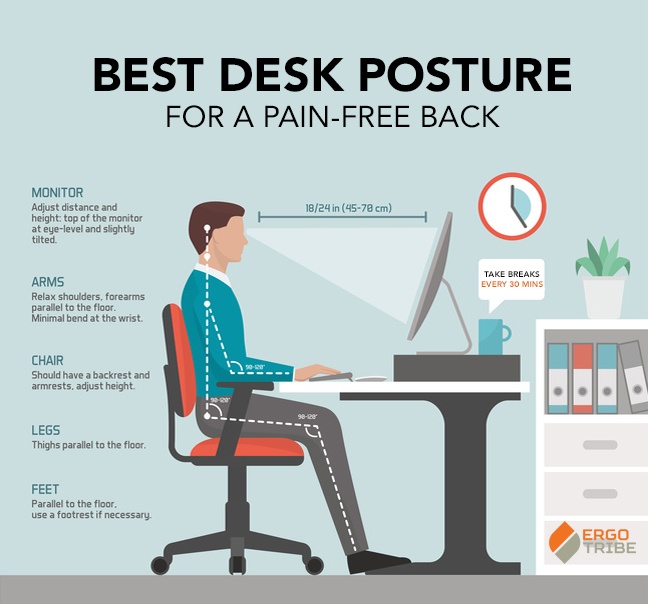
Sit with your back straight and shoulders relaxed. Keep your feet flat on the floor or on a footrest. Avoid crossing your legs to keep your hips aligned. Use a chair that supports the natural curve of your spine. Take care not to slouch or lean forward for long periods.
Regular Movement
Stand up and stretch every 30 to 60 minutes. Moving helps reduce stiffness and improves blood flow. Try simple stretches like reaching your arms overhead or gently twisting your torso. Walking around briefly can refresh your muscles and reduce back tension.
Workspace Setup
Arrange your desk and chair to keep your body neutral. Your computer screen should be at eye level to avoid bending your neck. Keep your keyboard and mouse close to prevent reaching. Adjust your chair height so your elbows are at a 90-degree angle. A well-set workspace supports good posture and reduces back pain.
When To Seek Professional Help
Choosing the right chair can ease back pain a lot. Yet, sometimes pain signals a bigger problem. Knowing when to see a doctor helps avoid lasting damage. Pay attention to your body’s warnings. Do not wait if pain worsens or lasts long.
Signs Of Serious Back Issues
Severe pain that does not improve needs quick care. Pain with numbness or weakness in legs is serious. Trouble controlling bladder or bowel calls for urgent help. Sudden, sharp pain after injury requires a doctor. If pain stops daily activities, seek professional advice.
Role Of Physical Therapy
Physical therapy guides safe exercises to strengthen back muscles. Therapists teach correct posture and movement to reduce strain. Therapy helps reduce pain without heavy medicines. Regular sessions improve flexibility and support healing. Experts tailor treatments to each person’s needs.
Frequently Asked Questions
What Type Of Chair Is Best For Back Pain Relief?
Ergonomic chairs with adjustable lumbar support are best for back pain. They maintain natural spine alignment and reduce pressure on discs. Look for chairs with adjustable height and reclining features for personalized comfort and support.
Can An Office Chair Help Reduce Chronic Back Pain?
Yes, a quality office chair can reduce chronic back pain. It promotes good posture and supports the lower back. Using an ergonomic chair prevents strain during long sitting hours, improving overall comfort and reducing pain.
Why Is Lumbar Support Important In Chairs For Back Pain?
Lumbar support maintains the natural curve of the lower spine. It prevents slouching and reduces pressure on spinal discs. Chairs with proper lumbar support help alleviate and prevent back pain effectively.
Are Standing Desks Better Than Chairs For Back Pain?
Standing desks reduce prolonged sitting, which can worsen back pain. Alternating between sitting and standing improves posture and circulation. However, a supportive chair is still essential when sitting is necessary.
Conclusion
Choosing the right chair can ease your back pain significantly. Support for your lower back matters most. Adjustable features help you find a comfortable fit. Breathable materials keep you cool and relaxed. Remember, sitting properly also plays a big role.
Take breaks and stretch often to avoid stiffness. A good chair is one part of healthy habits. Invest time in finding what suits you best. Your back will thank you every day. Pain relief starts with smart choices and care.

