

Have you ever felt uncomfortable sitting in a chair, even if it looks perfect? The secret might be in the seat depth.
Seat depth is a small detail that can make a huge difference in how your chair supports your body. If your chair’s seat is too deep or too shallow, it could cause discomfort or even pain over time. Understanding seat depth can help you choose the right chair that fits you perfectly, keeping you comfortable and focused.
Keep reading to discover why seat depth matters so much and how it can improve your sitting experience every day.
Role Of Seat Depth
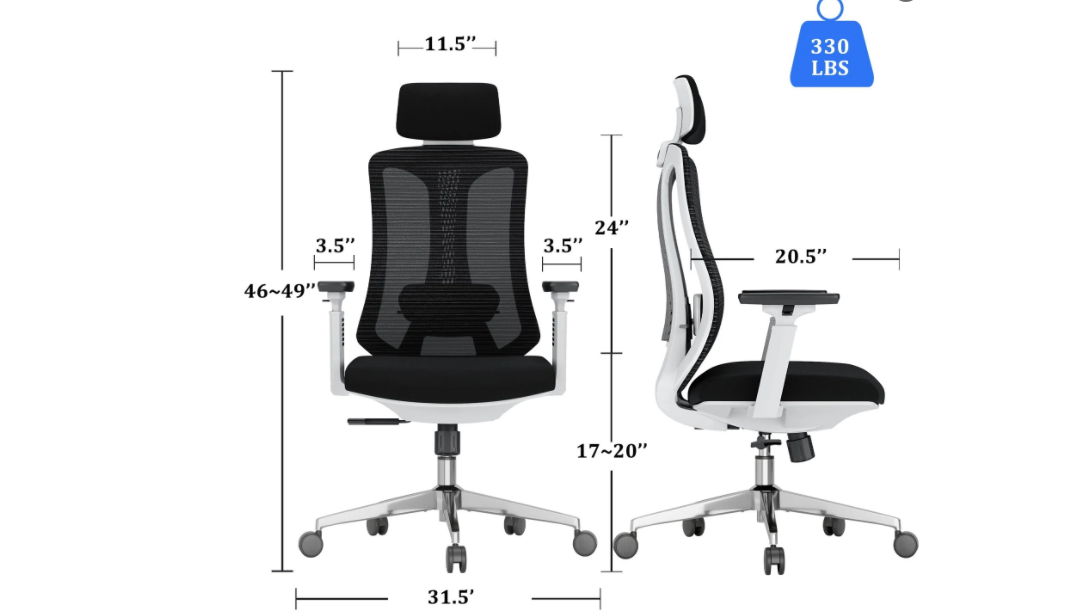
The role of seat depth in a chair is often overlooked. Yet, it plays a key part in how comfortable and supportive a chair feels. Seat depth is the distance from the front edge of the seat to the backrest. This measurement affects how you sit and how your body aligns with the chair. Understanding its role helps you choose chairs that suit your needs better.
Impact On Posture
Seat depth influences your sitting posture directly. A seat that is too deep can cause slouching. Your back may not reach the backrest, leading to poor support. A shallow seat may force you to lean forward, straining your back. The right seat depth keeps your spine aligned and reduces pressure on your lower back. This supports better posture throughout the day.
Effects On Comfort
Comfort depends heavily on seat depth. A chair with proper seat depth lets your thighs rest fully. It avoids pressure behind your knees, improving blood flow. Sitting in a chair with the wrong seat depth causes discomfort quickly. You might feel numbness or pain in your legs. Correct seat depth helps you sit longer without pain or fatigue.
Relation To Body Types
Different body types need different seat depths. Taller people usually need deeper seats to support longer legs. Shorter individuals benefit from shallower seats to avoid dangling feet or pressure. Chairs with adjustable seat depth fit a wider range of users. Matching seat depth to your body size ensures better support and comfort. It prevents common issues like leg strain and back pain.
Measuring Seat Depth
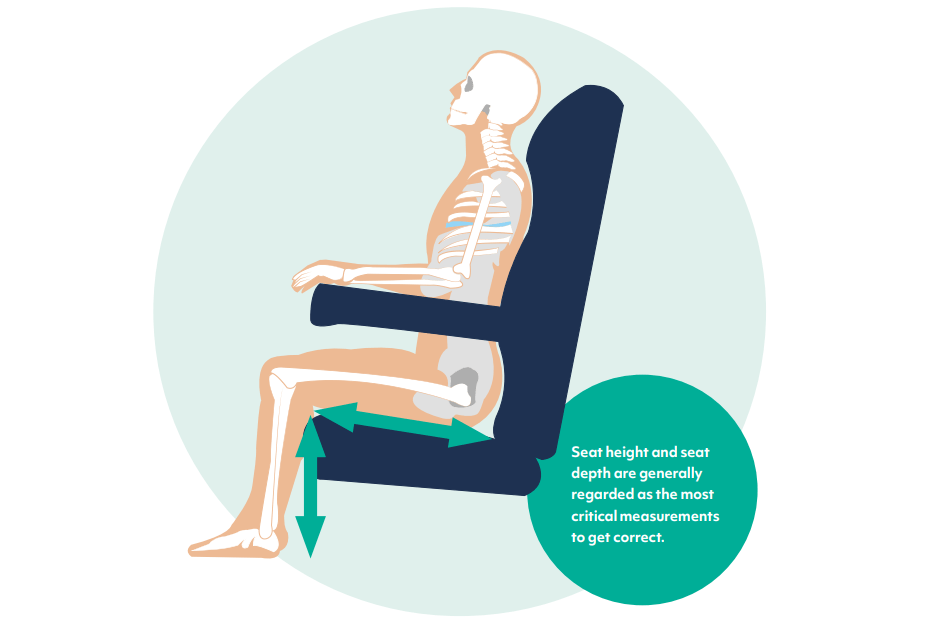
Measuring seat depth is key to choosing a comfortable chair. It helps you find the right fit for your body. A chair with the wrong seat depth can cause discomfort and poor posture. Knowing how to measure it correctly makes sitting more pleasant.
Let’s explore how to measure seat depth, what the ideal range is, and the benefits of adjustable seat depths.
How To Measure Properly
Sit on the chair with your back against the backrest. Use a tape measure to check from the back of the seat to the front edge. Make sure the tape runs straight along the seat. The measurement shows the seat depth. This helps you know if the chair supports your thighs well.
Ideal Seat Depth Range
The ideal seat depth is usually between 16 and 18 inches. This range fits most adults comfortably. It allows your back to rest on the backrest while your feet stay flat on the floor. Too deep a seat can cause pressure behind the knees. Too shallow may not support your thighs fully.
Adjustable Seat Depth Features
Some chairs offer adjustable seat depth. This lets you change the seat length to fit your body. It improves comfort and support. Adjustable seats suit different people and tasks. They help avoid discomfort during long sitting hours.
Seat Depth And Ergonomics
Seat depth plays a key role in chair ergonomics. It affects how your body sits and moves during use. A good seat depth helps keep your spine in a natural position. It also supports your legs and improves comfort. Choosing the right seat depth can reduce strain and improve posture.
Preventing Back Pain
Proper seat depth supports the lower back well. It helps the spine stay straight and aligned. Chairs with too deep a seat make you slouch forward. Too shallow seats may not support your back fully. The correct depth prevents strain on your lumbar area. This reduces the risk of back pain over time.
Supporting Thighs And Knees
Seat depth must fit your leg length comfortably. It supports your thighs without pressing behind your knees. If the seat is too long, it cuts off circulation at the knees. Too short a seat leaves thighs unsupported, causing discomfort. Good support helps keep legs relaxed and stable. This balance reduces stress on joints.
Enhancing Circulation
Proper seat depth allows blood to flow easily in your legs. It avoids pressure points that block circulation. Good blood flow prevents numbness and swelling in feet and legs. A well-fitted seat depth keeps muscles fresh and energized. Better circulation means less fatigue during long sitting periods.

Choosing The Right Chair
Choosing the right chair affects your comfort and health. The seat depth is a key factor in this choice. It impacts how you sit and support your legs. Picking the right seat depth helps avoid pain and fatigue. Consider your needs carefully before making a decision.
Matching Seat Depth To Use
Different activities need different seat depths. For short tasks, a shallower seat may work well. Long hours need a deeper seat for better support. The seat should fit your body size and work style. This match improves comfort and posture throughout the day.
Considering Task And Duration
Think about how long you will sit each day. Short periods allow more flexibility in seat depth. Long tasks need a seat that supports your thighs fully. This support reduces pressure and helps blood flow. Choose a seat depth that fits your daily routine.
Testing Comfort Before Buying
Try the chair before you buy it. Sit for a few minutes to feel the seat depth. Your back should rest against the chair while your legs are supported. Check if the seat feels too deep or too shallow. Testing helps avoid discomfort after purchase.
Common Mistakes With Seat Depth
Choosing the right seat depth is key for a comfortable chair. Many people make mistakes that cause discomfort or poor posture. Understanding these common errors helps you pick a chair that supports your body well.
Too Deep Vs Too Shallow
A seat too deep pushes your back forward, making you slouch. It can cause pressure behind your knees and reduce circulation. Too shallow, and you lack thigh support. Your legs may feel tired quickly. Both extremes reduce comfort and can cause pain over time.
Ignoring Adjustability
Not all chairs offer adjustable seat depth. Skipping this feature limits your ability to customize comfort. Everyone’s leg length differs, so fixed seats rarely fit all users well. Adjustable seats allow better posture and reduce strain on hips and legs.
Overlooking Personal Needs
People have different body shapes and needs. A chair perfect for one may not suit another. Ignoring personal factors like height, leg length, and health issues leads to discomfort. Always consider how the seat depth fits your unique body to avoid problems.
Frequently Asked Questions
What Is The Ideal Seat Depth For Ergonomic Chairs?
The ideal seat depth ranges between 16 to 18 inches. It supports thigh length without pressure behind the knees. This ensures comfort and proper posture for most adults. Adjustability in seat depth is beneficial for personalized comfort.
How Does Seat Depth Affect Back Support?
Proper seat depth allows the backrest to support the lower back. Too deep a seat reduces lumbar support and strains the spine. Correct depth helps maintain natural spinal curves, reducing back pain risk during prolonged sitting.
Can Incorrect Seat Depth Cause Discomfort Or Pain?
Yes, incorrect seat depth can cause thigh numbness or knee pressure. It leads to poor posture and muscle fatigue. Choosing the right seat depth minimizes discomfort and promotes better circulation while seated.
Is Seat Depth Important For Different Body Sizes?
Seat depth must match leg length for optimal comfort. Taller individuals usually need deeper seats, while shorter users need shallower ones. Adjustable seat depth accommodates various body types, enhancing ergonomic benefits and seating comfort.
Conclusion
Choosing the right seat depth affects comfort and posture greatly. A chair with proper seat depth supports your thighs well. It helps reduce back pain during long sitting hours. Too deep or too shallow seats can cause discomfort. Measuring your leg length can guide your choice.
Remember, comfort improves focus and productivity. So, pay attention to seat depth when buying a chair. Your body will thank you with better support and less strain. Small details like this make a big difference daily.

