

Are you spending long hours at your computer and feeling discomfort or fatigue? Choosing the right chair can make all the difference in how you feel by the end of the day.

49% off Today's Exclusive Deals
Limited-time Exclusive Deals. Check current discount on Amazon.
Check Price on Amazon As an Amazon Associate I earn from qualifying purchases.The best chair for long hours of computer work supports your body, reduces strain, and keeps you focused. But with so many options out there, how do you know which one is truly right for you? Keep reading, and you’ll discover exactly what to look for to stay comfortable, healthy, and productive every time you sit down.
Key Features For Long Hours
Choosing the right chair for long hours at the computer is important. The chair must support your body well. It should help you stay comfortable and avoid pain. Certain features make a chair better for long use. These features keep your posture correct and reduce strain.
Ergonomic Design
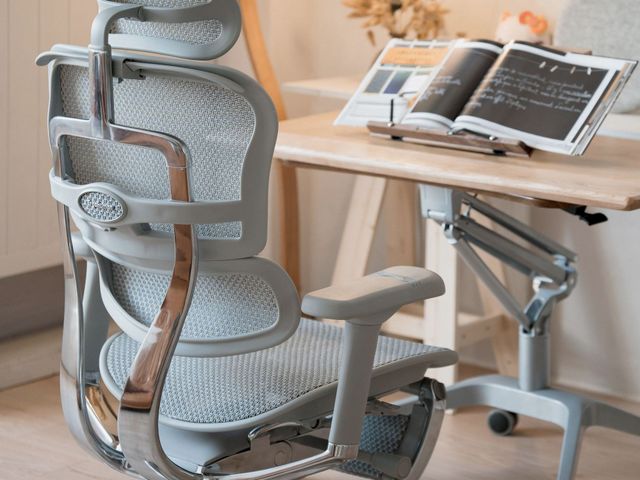
An ergonomic chair fits the natural shape of your body. It supports the spine, neck, and hips. This design helps prevent back and shoulder pain. Ergonomic chairs reduce pressure points. They promote healthy sitting habits for long hours.
49% off Today's Exclusive Deals
Limited-time Exclusive Deals. Check current discount on Amazon.
Check Price on Amazon As an Amazon Associate I earn from qualifying purchases.Adjustability Options
A good chair lets you change its height and angle. Adjustable armrests support your arms at the right level. You can tilt the backrest to reduce stress on your spine. These options allow you to find a perfect fit. Customizing the chair helps maintain comfort throughout the day.
Breathable Materials
Breathable fabrics keep air flowing around your body. Mesh chairs allow heat to escape, preventing sweat. Soft, breathable materials feel cool and dry. This feature helps you stay comfortable even in warm rooms. It reduces discomfort and distraction during work.
Lumbar Support
Lumbar support focuses on the lower back curve. It helps keep your spine aligned properly. Good lumbar support prevents slouching and back pain. Many chairs have built-in or adjustable lumbar cushions. This support is essential for long sitting sessions.
Types Of Chairs To Consider
Choosing the right chair for long hours of computer work can make a big difference. Comfort and support help you stay focused and avoid pain. Various types of chairs offer unique benefits for your posture and energy. Understanding these options helps you pick the best fit for your needs.
49% off Today's Exclusive Deals
Limited-time Exclusive Deals. Check current discount on Amazon.
Check Price on Amazon As an Amazon Associate I earn from qualifying purchases.Ergonomic Office Chairs
Ergonomic office chairs are designed to support your body well. They have adjustable features like seat height, armrests, and backrest. This helps keep your spine aligned and reduces strain. Many models include lumbar support to protect your lower back. These chairs suit most people who work at desks for hours.
Gaming Chairs
Gaming chairs look stylish and provide good comfort. They often have high backs and extra padding. These chairs usually offer adjustable armrests and tilt functions. The design supports your neck and shoulders during long sessions. They can work well for both gamers and office workers.
Kneeling Chairs
Kneeling chairs promote an open hip angle to improve posture. You sit with your knees resting on padded supports. This position helps reduce pressure on your lower back. Kneeling chairs encourage an active sitting posture and strengthen core muscles. They are best for people who want a different sitting style.
Balance Ball Chairs
Balance ball chairs combine sitting with gentle movement. You sit on a large inflatable ball that supports your spine. These chairs improve balance and engage your core muscles. They can reduce stiffness from sitting still too long. Balance ball chairs suit those who want more active sitting options.
Materials And Build Quality
The materials and build quality of a chair affect comfort and durability during long hours of computer work. Choosing the right materials helps keep your body cool and supported. Strong construction ensures the chair lasts through daily use. Understanding the differences in materials and build will guide you to a better choice.
Mesh Vs Leather
Mesh chairs offer breathability. The open design lets air flow freely. This reduces sweating and keeps you cool. Leather chairs look stylish and feel smooth. They can be warm and less breathable. Leather is easier to clean but may trap heat. Mesh is better for ventilation during long sessions.
Frame Durability
The chair frame supports your weight and moves with you. Steel frames are strong and last long. Aluminum frames are lightweight and resist rust. Plastic frames may be less durable but cost less. A sturdy frame reduces wobbling and improves stability. Check weight limits and warranty for durability clues.
Cushioning And Padding
Good cushioning supports your body without sinking too much. Foam padding provides firm yet comfortable support. Memory foam shapes to your body but stays firm. Too little padding causes pressure points. Too much padding can feel soft and unstable. Choose padding that keeps your posture and comfort balanced.
Adjustability Features
Adjustability features are key to choosing the best chair for long hours of computer work. A chair that fits your body well can reduce pain and improve comfort. These features let you change the chair to match your height, posture, and work style. Proper adjustments keep your spine aligned and reduce strain on muscles.
Seat Height And Depth
Seat height must match your desk and leg length. Your feet should rest flat on the floor. Adjustable height stops pressure behind your knees. Seat depth affects how much thigh support you get. A deeper seat supports longer legs. Adjustable depth avoids cutting off circulation.
Armrest Adjustments
Armrests support your arms and shoulders. Height adjustment keeps shoulders relaxed. Width adjustment fits different body sizes. Some armrests can pivot or slide forward and backward. Proper armrest positioning prevents wrist and shoulder pain.
Backrest Tilt And Recline
A tilting backrest lets you change your sitting angle. Reclining helps reduce pressure on the spine. You can lock the backrest at different angles. Movement encourages better blood flow and reduces stiffness.
Headrest Positioning
A headrest supports your neck and head. Adjustable height and angle improve comfort. Proper positioning reduces neck strain. It helps maintain good posture during long work hours.
Health Benefits Of The Right Chair
Choosing the right chair for long hours at the computer is very important. It affects your health more than you might think. A good chair can help keep your body comfortable and strong. It can stop pain and help you sit correctly. This section explains the health benefits of using the right chair.
Reducing Back Pain
A chair with good support helps reduce back pain. It supports the natural curve of your spine. This support lowers strain on your back muscles. Sitting in a bad chair can cause pain and stiffness. A proper chair keeps your back safe and pain-free.
Improving Posture
The right chair helps improve your posture. It encourages you to sit up straight. Good posture reduces stress on your neck and shoulders. It also helps you avoid slouching or leaning forward. A chair that fits your body promotes better posture all day.
Enhancing Circulation
Sitting too long can slow blood flow in your legs. A well-designed chair helps improve circulation. It supports your thighs without pressing too hard. This support stops numbness and swelling in your legs. Better circulation keeps you feeling fresh and alert.

Top Brands And Models
Choosing the right chair for long hours of computer work is essential. The right chair supports your body and helps prevent pain. Many brands offer models designed for comfort and durability. Some focus on budget, while others aim for premium quality. Small spaces need special chairs that fit well without crowding.
Budget-friendly Options
Many affordable chairs offer good support for long work hours. Brands like Hbada and Flash Furniture provide ergonomic designs. These chairs usually include adjustable height and tilt features. They use mesh backs to keep you cool. These options suit those who want comfort without high costs.
Premium Choices
Premium chairs offer advanced features and higher build quality. Herman Miller and Steelcase lead the market with popular models. These chairs have adjustable lumbar support and multiple recline positions. High-quality materials ensure durability and comfort. They are ideal for people who spend many hours daily at a desk.
Best For Small Spaces
Small rooms need chairs that save space but still offer comfort. Compact models from Autonomous and IKEA work well in tight areas. These chairs often have slim profiles and wheels for easy movement. They provide enough support without taking up too much room. Perfect for home offices or shared spaces.
Maintenance And Longevity
Choosing the right chair for long hours of computer work is important. Maintenance and care keep your chair in good shape. A well-maintained chair lasts longer and stays comfortable. Spending time on upkeep saves money and effort. Simple steps help your chair stay fresh and strong.
Cleaning Tips
Dust and dirt build up over time. Clean your chair regularly to avoid damage. Use a soft cloth or vacuum for fabric chairs. Wipe leather or plastic surfaces with a damp cloth. Avoid harsh chemicals that can ruin materials. Spot clean stains quickly to prevent permanent marks. Let the chair dry completely before using it again.
When To Replace Your Chair
Check your chair for wear and tear often. Signs include loose parts, broken wheels, or sagging cushions. If the chair feels uncomfortable or unstable, it may be time to replace it. A worn-out chair can cause back pain or poor posture. Do not wait until the chair breaks completely. Replacing early protects your health and work quality.

Tips For Enhancing Comfort
Spending long hours at the computer can cause discomfort and strain. Small changes can help you stay comfortable and focused. Adjusting your workspace and habits supports better posture and reduces fatigue.
Here are some simple tips to improve comfort while working at your desk for many hours.
Using Footrests
Footrests help keep your feet flat and supported. They improve blood flow and reduce pressure on your legs. Using a footrest can also help maintain the natural curve in your lower back. Choose a footrest that fits under your desk and allows easy movement.
Desk Setup Adjustments
Adjust your desk height so your arms bend at 90 degrees. Keep your monitor at eye level to avoid neck strain. Place your keyboard and mouse close to prevent overreaching. Organize your workspace to keep everything within easy reach.
Regular Breaks And Movement
Take short breaks every 30 to 60 minutes. Stand up, stretch, or walk around for a few minutes. Moving helps reduce stiffness and improves circulation. Regular breaks boost focus and reduce tiredness during long work sessions.
Frequently Asked Questions
What Features Make A Chair Ideal For Long Computer Hours?
An ideal chair offers ergonomic support, adjustable height, lumbar support, and breathable material. These features reduce strain and improve comfort during extended computer use.
How Does Lumbar Support Benefit Long-term Sitting?
Lumbar support maintains the natural curve of your lower spine. It prevents back pain and promotes better posture during long hours of sitting.
Are Mesh Chairs Better For Prolonged Computer Work?
Yes, mesh chairs provide excellent breathability and keep you cool. They also offer firm support, making them suitable for extended computer use.
Should I Choose An Adjustable Chair For Computer Work?
Absolutely. Adjustable chairs allow you to customize height, tilt, and armrests. This customization enhances comfort and reduces the risk of strain.
Conclusion
Choosing the right chair helps you work longer without pain. Comfort and support matter most for long computer hours. A good chair keeps your back straight and reduces strain. Adjustable features let you find the best fit. Don’t forget to take breaks and stretch regularly.
Sitting well improves focus and work quality. Your health benefits when you pick a proper chair. Invest time in finding a chair that suits your needs. Small changes make a big difference in daily comfort. Keep these tips in mind for better work days.

