

Does your dog become restless, whine, or even destroy things when you leave the house? If so, you’re not alone—and there’s a way to help your furry friend feel calm and safe even when you’re not around.
Understanding how to stop dog separation anxiety is key to improving both your life and your dog’s happiness. You’ll discover simple, effective steps you can take right now to ease your dog’s stress and build their confidence. Keep reading to find out how you can turn those anxious moments into peaceful ones—for both you and your beloved pet.
Causes Of Separation Anxiety
Separation anxiety in dogs happens when they feel stress after being left alone. It can cause fear and confusion. Understanding why dogs feel this way helps to manage their anxiety better.
Many factors can lead to separation anxiety. It often starts after a big change or a scary event. Some dogs are more sensitive and need extra care to feel safe.
Common Triggers
Leaving the house suddenly can trigger anxiety. Dogs notice even small changes, like packing a bag or putting on shoes. Long absences or changes in routine also cause stress. Moving to a new home or adding a new pet can upset dogs too.
Behavioral Signs
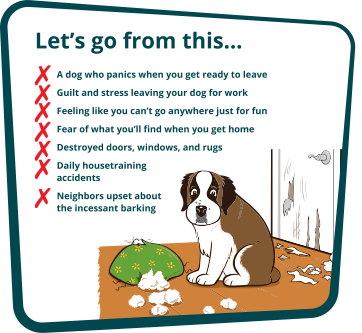
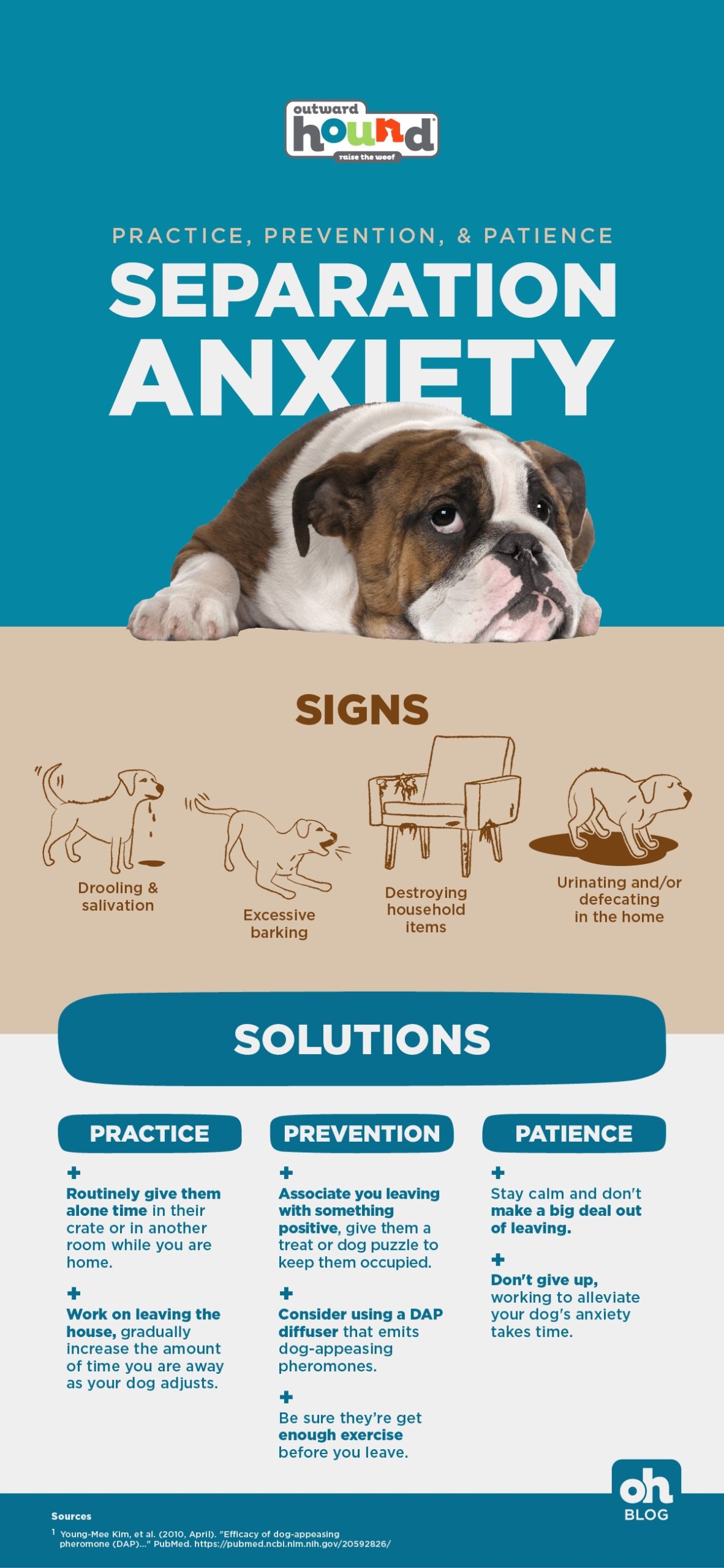
Dogs with separation anxiety may bark or howl a lot. They might chew furniture or scratch doors. Some try to escape or pace nervously. Loss of appetite and drooling are common signs too. These behaviors show their fear and need for comfort.
Preparing Your Dog For Alone Time
Preparing your dog for alone time is key to easing separation anxiety. Dogs feel safe and calm when they know what to expect. Teaching your dog to be comfortable alone helps build trust and reduces stress. Start this process early and be patient. Small, steady steps work best.
Creating A Safe Space
Make a quiet area just for your dog. Use a comfy bed or crate with soft blankets. Add some favorite toys or chew items. This spot should feel cozy and secure. Keep it free from loud noises or distractions. Your dog needs a place to relax and feel safe.
Gradual Alone Time Training
Begin by leaving your dog alone for short periods. Start with just a few minutes and slowly increase the time. Stay calm and avoid big goodbyes or welcomes. This helps your dog learn that alone time is normal. Watch your dog’s behavior and adjust the time as needed.
Training Techniques To Reduce Anxiety
Training helps your dog feel safe and calm when alone. It takes time and patience. You teach your dog that being alone is okay. This lowers anxiety and builds trust.
Desensitization Methods
Desensitization means slowly getting your dog used to being alone. Start by leaving for a few seconds. Then come back and praise your dog. Gradually increase the time you are away.
Use small steps. Avoid sudden or long absences at first. Your dog learns no harm comes from your leaving. This method reduces fear and stress over time.
Positive Reinforcement
Positive reinforcement rewards good behavior. Give treats or praise when your dog stays calm alone. This teaches your dog that calmness brings rewards.
Do not punish anxious behavior. Ignore it instead. Reward calm moments to encourage more of them. This builds confidence and reduces anxiety.
Using Tools And Products
Using tools and products can help ease your dog’s separation anxiety. These aids provide comfort and distraction. They create a sense of security for your pet. Choosing the right product can make a big difference. Many items are designed to calm and entertain dogs while alone.
Calming Aids And Toys
Calming aids include special collars and sprays with soothing scents. These products help reduce stress in anxious dogs. Soft toys or chew toys keep dogs busy and relaxed. Toys that release treats can focus their attention and reward calm behavior. A comfortable bed or blanket with your scent also helps dogs feel safe.
Technology Solutions
Technology offers new ways to ease dog anxiety. Automatic feeders provide food at set times to keep routine. Cameras let you watch your dog and talk to them remotely. Some devices play calming music or white noise to mask outside sounds. Interactive toys controlled by apps keep dogs engaged even when you are away.
Lifestyle Changes To Support Calmness
Helping a dog with separation anxiety needs more than just training. Lifestyle changes play a big role in creating calmness. Adjusting daily habits can ease your dog’s stress and build confidence. These changes make your dog feel safe and relaxed, even when alone.
Calmness starts with how you care for your dog every day. Small, steady changes bring big results. Two key areas to focus on are exercise and mental stimulation, plus keeping a consistent routine.
Exercise And Mental Stimulation
Exercise tires your dog’s body and mind. A tired dog feels less anxious. Walks, playtime, and runs help release nervous energy. Mental games like puzzle toys or training tricks keep the mind busy. A busy mind forgets fear. Both physical and mental activities reduce stress and improve mood.
Consistent Routine
Dogs trust what they know. A steady schedule helps them feel safe. Feed your dog at the same times every day. Walk and play on a set schedule. Keep departures and arrivals low-key to avoid excitement. Predictability reduces anxiety and builds calmness. Your dog learns what to expect and feels more secure.
When To Seek Professional Help
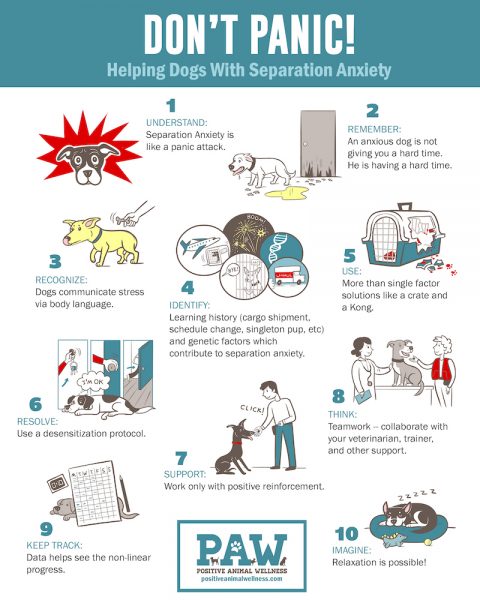
Recognizing when to seek professional help is key to managing dog separation anxiety. Some signs show the issue is beyond simple home care. Intense barking, destructive behavior, or self-harm need expert attention. Professionals offer tailored solutions that work best for your dog’s needs.
Behavioral Therapists
Behavioral therapists specialize in animal behavior problems. They assess your dog’s anxiety triggers and patterns. Therapists create training plans to reduce stress and improve coping skills. These experts use gentle, proven techniques to change your dog’s habits. Regular sessions help track progress and adjust methods as needed.
Veterinary Options
Veterinarians can rule out medical causes for anxiety. Sometimes, health issues increase nervousness or restlessness. Vets may suggest medications to ease severe anxiety symptoms. Combining medicine with behavior training often gives better results. Always follow the vet’s advice carefully for your dog’s safety.
Frequently Asked Questions
What Are Common Signs Of Dog Separation Anxiety?
Common signs include excessive barking, destructive behavior, pacing, drooling, and attempts to escape. Dogs may also show restlessness and depression when left alone.
How Can I Train My Dog To Reduce Anxiety?
Gradual desensitization to alone time helps. Start with short absences, reward calm behavior, and slowly increase duration to build confidence.
Are Calming Products Effective For Separation Anxiety?
Calming products like pheromone diffusers, anxiety wraps, and supplements can help. They support relaxation but should be combined with training for best results.
When Should I Consult A Vet For Dog Anxiety?
Consult a vet if anxiety is severe or worsening. Professional advice ensures proper diagnosis and may include medication or behavior therapy.
Conclusion
Stopping dog separation anxiety takes time and patience. Small steps help your dog feel safe alone. Consistent routines and positive reinforcement build trust. Exercise and mental games reduce stress and boredom. Seek help from a vet or trainer if needed.
Your calm and loving approach makes a big difference. Dogs can learn to stay calm and happy. Keep trying, and your dog will improve each day.

