

Have you ever noticed your dog’s breath making you step back? Bad breath in dogs isn’t just unpleasant—it can be a sign of something serious.
If you want to keep your furry friend happy and healthy, understanding what causes that foul odor is key. You’ll discover the surprising reasons behind your dog’s bad breath and simple ways to fix it. Keep reading to protect your pet and enjoy those close cuddles again!
Common Causes Of Bad Breath
Bad breath in dogs is a common problem that many pet owners notice. It often signals an underlying issue that needs attention. Understanding the causes helps to manage and prevent bad breath effectively.
Different factors can lead to bad breath in dogs. Some causes are related to the mouth, while others come from inside the body. Knowing these helps you keep your dog healthy and happy.
Dental Disease And Plaque
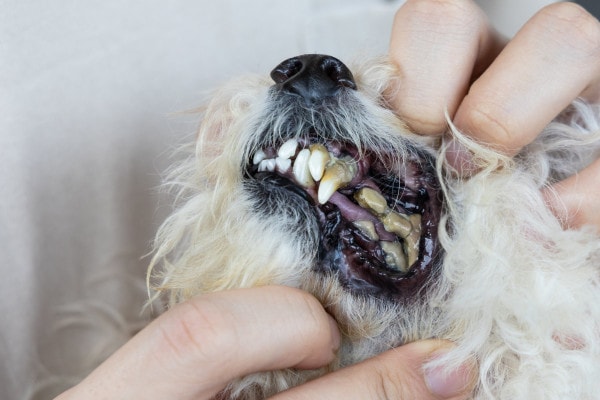
Dental disease is the top cause of bad breath in dogs. Plaque builds up on teeth and hardens into tartar. This creates an environment for bacteria to grow. Bacteria cause bad odors and can lead to gum disease and tooth loss.
Regular teeth cleaning and checkups reduce plaque and keep breath fresh.
Diet And Eating Habits
What dogs eat affects their breath. Some foods cause stronger odors. Dogs that eat spoiled food or garbage can develop bad breath quickly. Chewing on smelly items, like dead animals or feces, also causes foul breath.
Providing a balanced diet and monitoring eating habits helps prevent bad smells.
Oral Infections
Infections in the mouth can cause bad breath. These include abscesses, ulcers, or infected gums. Oral infections are painful and need veterinary care. They often produce a strong, unpleasant odor from pus and dead tissue.
Treating infections quickly stops bad breath and protects your dog’s health.
Digestive Issues
Digestive problems can cause bad breath in dogs. Stomach upset, acid reflux, or intestinal issues release foul smells through the mouth. Poor digestion also affects the overall smell of a dog’s breath.
Addressing digestive health supports fresh breath and better wellbeing.
Unusual Triggers For Bad Breath
Bad breath in dogs often points to common issues like dental problems. Yet, some causes are less known but just as important. These unusual triggers need attention to keep your dog healthy and fresh-smelling.
Foreign Objects In Mouth
Dogs explore with their mouths. Small objects like sticks, bones, or toys can get stuck between teeth. These objects trap food and bacteria. This leads to bad breath and discomfort. Regular checks help find and remove these items quickly.
Kidney Or Liver Problems
Organs like kidneys and liver filter toxins from the blood. When they fail, toxins build up in the body. This causes a strong, unpleasant smell in the breath. It may smell like ammonia or rotten eggs. Early vet visits can detect these serious problems.
Respiratory Infections
Infections in the nose, throat, or lungs cause bad breath. Mucus and bacteria grow in these infected areas. Dogs may also cough or sneeze. Treating infections helps clear breath and improves overall health.
Metabolic Disorders
Some illnesses change how the body processes food and energy. Diabetes is a common example. It can cause a sweet or fruity smell on the breath. Other metabolic issues also affect breath odor. Proper diagnosis and treatment are essential.
Home Remedies To Freshen Breath
Bad breath in dogs can be unpleasant for both pets and owners. Simple home remedies can help freshen your dog’s breath naturally. These methods keep your dog’s mouth clean and healthy. Consistent care makes a big difference in controlling bad breath. Try these easy and effective ways to improve your dog’s breath at home.
Regular Brushing Techniques
Brushing your dog’s teeth regularly reduces bacteria and plaque. Use a toothbrush made for dogs and dog-friendly toothpaste. Brush gently in small circles to clean all teeth surfaces. Aim for brushing two to three times a week. Start slowly to help your dog get used to it. Regular brushing helps stop bad breath at the source.
Healthy Diet Choices
A balanced diet supports your dog’s overall health and breath. Feed high-quality dog food with natural ingredients. Avoid table scraps and sugary treats that cause bad breath. Fresh fruits and vegetables can be healthy snacks. Carrots or apple slices help clean teeth naturally. A good diet strengthens your dog’s mouth and reduces odor.
Chew Toys And Dental Treats
Chew toys help remove plaque and massage gums. Choose toys designed to clean teeth while chewing. Dental treats contain ingredients that fight bad breath and bacteria. Give treats as rewards, but do not overfeed. Chewing helps freshen breath and keeps your dog busy. These tools support your brushing routine effectively.
Natural Breath Fresheners
Some natural ingredients can freshen your dog’s breath safely. Parsley and mint have mild breath-fighting properties. Add small amounts to your dog’s food for a fresh smell. Coconut oil also helps reduce bacteria in the mouth. Use natural options carefully and watch for allergies. These fresheners provide a simple boost to oral care.
When To See A Vet
Bad breath in dogs can signal more than just poor dental hygiene. Sometimes, it points to serious health problems. Knowing when to see a vet helps protect your dog’s health. Early care can stop small issues from becoming big ones.
Signs Of Serious Health Issues
Watch for signs like swollen gums, bleeding, or loose teeth. A yellow or green buildup on teeth is also a warning. Bad breath with vomiting or loss of appetite needs urgent vet care. These signs can indicate infections or diseases that need treatment.
Professional Dental Cleaning
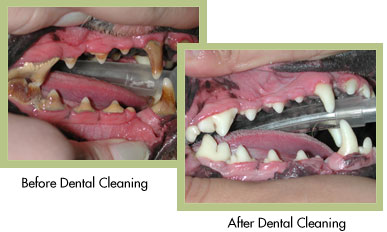
Vets offer dental cleaning that removes plaque and tartar safely. This cleaning helps stop bad breath caused by bacteria. Regular cleaning keeps your dog’s mouth healthy and fresh. Professional care prevents gum disease and tooth loss.
Medications And Treatments
Some health problems need medication to fix bad breath. Vets may prescribe antibiotics for infections or special diets. Treatment depends on the cause found during the exam. Follow all vet instructions to help your dog recover fast.
Preventing Bad Breath In Dogs
Preventing bad breath in dogs helps keep their mouth healthy and fresh. It also stops dental problems before they start. Simple steps can make a big difference in your dog’s breath and overall health.
Routine Oral Care
Brushing your dog’s teeth regularly removes plaque and food particles. Use a toothbrush and toothpaste made for dogs. Start slowly and be gentle to make brushing easy. Dental chews can also help clean teeth between brushings.
Balanced Nutrition
Feeding your dog good quality food supports healthy teeth and gums. Avoid giving sugary treats or human food that can cause bad breath. Fresh water should always be available to help wash away bacteria.
Regular Vet Checkups
Veterinarians check your dog’s mouth for signs of dental disease. They can clean teeth professionally if needed. Early care stops serious problems and keeps breath smelling better. Schedule checkups at least once a year.
Frequently Asked Questions
What Are Common Causes Of Bad Breath In Dogs?
Bad breath in dogs is often caused by poor dental hygiene, gum disease, or plaque buildup. Other causes include digestive issues, infections, and certain foods. Regular dental care and vet check-ups help prevent these problems.
Can Diet Affect My Dog’s Breath Smell?
Yes, diet plays a big role in a dog’s breath. Foods high in protein or with strong odors can cause bad breath. Feeding balanced meals and avoiding human snacks improve your dog’s oral health and breath quality.
How Does Dental Disease Cause Bad Breath In Dogs?
Dental disease causes bacteria to build up in the mouth. This leads to plaque, tartar, and gum inflammation. These bacteria produce foul odors, resulting in bad breath. Early dental care can prevent severe dental disease and bad breath.
When Should I See A Vet For My Dog’s Bad Breath?
If your dog’s bad breath persists despite good dental care, see a vet. Also seek advice if there are signs like swollen gums, loose teeth, or changes in eating habits. Early diagnosis helps treat underlying issues effectively.
Conclusion
Bad breath in dogs often signals dental or health issues. Regular teeth cleaning helps keep their breath fresh. Poor diet and infections can also cause bad breath. Watch for signs like drooling or mouth pain. Visit your vet for a proper diagnosis and care.
Taking action early prevents serious problems later. Healthy teeth mean a happy dog and a happy home. Keep your dog’s breath clean with good habits daily. Small steps make a big difference in their health.

