

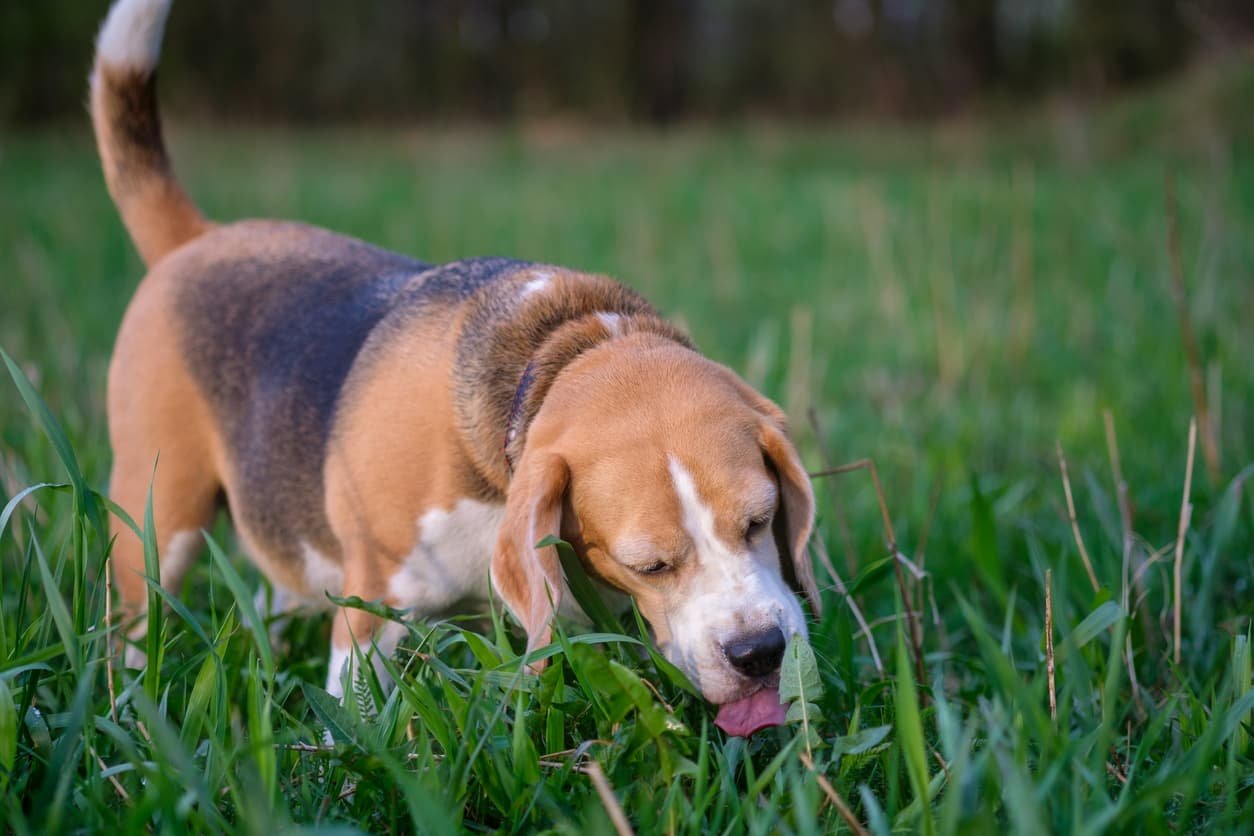
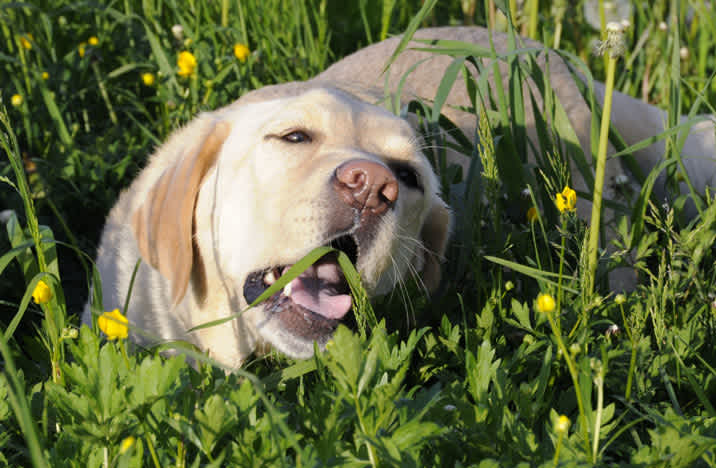
Have you ever caught your dog munching on grass and wondered, “Why does my dog eat grass?” It’s a common sight that can leave many pet owners puzzled or even worried. You might be asking yourself if it’s a sign of illness, boredom, or just a quirky habit.
Understanding why your furry friend does this can help you feel more confident about their health and happiness. Keep reading, and you’ll discover surprising reasons behind this behavior and what it means for your dog’s well-being.
Common Reasons Dogs Eat Grass
Many dog owners wonder why their pets eat grass. This behavior is common and has several reasons behind it. Understanding these reasons helps you care for your dog better. Dogs do not eat grass just to annoy or confuse their owners. Their actions often reflect natural needs or feelings.
Nutritional Needs
Dogs may eat grass to get missing nutrients. Grass contains fiber that helps their digestion. Sometimes, dogs lack certain vitamins or minerals. Eating grass can be a simple way to fill these gaps. This behavior is normal and usually harmless.
Digestive Aid
Some dogs eat grass to soothe their stomach. Grass can help them vomit if they feel sick. This helps clear their stomach and ease discomfort. It acts like a natural remedy for tummy troubles. Not all dogs vomit after eating grass, though.
Boredom And Anxiety
Dogs may chew on grass when bored or anxious. It gives them something to do and reduces stress. Lack of play or exercise can lead to this behavior. Providing more mental and physical activities can help. This habit is often a sign your dog needs attention.
Instinctual Behavior
Eating grass is a natural instinct for dogs. Their wild ancestors ate plants and grass. This helped with digestion and nutrition in the wild. Domestic dogs still carry this behavior inside. It is part of their natural way to stay healthy.
Health Implications Of Grass Eating
Many dog owners wonder about the health effects of their pets eating grass. This habit is quite common and can have both good and bad outcomes. Understanding these health implications helps keep your dog safe and healthy.
Potential Benefits
Grass can add fiber to a dog’s diet. This helps with digestion and can ease stomach upset. Some dogs eat grass to make themselves vomit. This might help remove something harmful from their stomach. Eating grass may also provide certain nutrients missing from their food.
Risks To Watch For
Not all grass is safe. Pesticides and chemicals on grass can harm dogs. Eating too much grass can cause stomach pain or diarrhea. Some dogs may eat grass because of stress or boredom. This habit could mask other health problems.
When To Consult A Vet
Contact a vet if your dog eats grass often or vomits frequently. Also seek advice if your dog shows signs of pain or diarrhea. A vet can check for allergies, digestive issues, or nutritional gaps. Regular grass eating with health changes needs professional care.
Expert Perspectives On Grass Eating
Many dog owners wonder why their pets eat grass. Experts have studied this behavior closely. Their views help us understand why dogs do this often. The reasons can be different, based on health and behavior.
Experts include veterinarians and animal behaviorists. Each offers unique insights into this common habit. Let’s explore what these professionals say about grass eating in dogs.
Veterinarians’ Insights
Veterinarians believe dogs eat grass for several health reasons. Some dogs eat grass to soothe an upset stomach. It can help them vomit and feel better. Others eat grass because they lack certain nutrients.
Grass contains fiber, which aids digestion. Dogs may eat it to improve bowel movements. Veterinarians also say eating grass is usually safe. But too much grass eating may signal health problems. If a dog eats grass often, a vet check-up is wise.
Animal Behaviorists’ Views
Animal behaviorists see grass eating as a natural habit. Dogs might do it out of boredom or curiosity. It can be a way to explore their environment. Some dogs enjoy the taste and texture of grass.
Behaviorists also note that eating grass is common in wild canines. It could be an inherited behavior from their ancestors. This habit does not always mean a problem. It often reflects dogs’ natural instincts and needs.

How To Manage Grass Eating
Managing your dog’s grass eating habit is important for their health. You can help reduce this behavior with simple steps. Understanding why your dog eats grass guides your approach. Focus on diet, environment, and safe grass choices.
Diet Adjustments
Check your dog’s diet first. Sometimes grass eating means missing nutrients. Add more fiber or greens to their meals. Use dog-safe vegetables like carrots or pumpkin. Balanced meals reduce the need to eat grass. Consult your vet for the best food plan.
Environmental Enrichment
Boredom can cause grass eating. Give your dog more toys to play with. Regular walks and exercise keep them busy. Training sessions stimulate their mind. A busy dog is less likely to eat grass out of boredom.
Safe Grass Options
Not all grass is safe for dogs. Avoid lawns treated with chemicals or pesticides. Plant dog-friendly grass types like rye or fescue. Create a small grass patch at home for them. This gives a safe place if they want to chew grass.
Myths And Facts About Dogs Eating Grass
Many dog owners notice their pets eating grass and wonder why. This behavior often raises questions and leads to many myths. Understanding the truth helps you care better for your dog. Below are some common myths and facts about dogs eating grass.
Common Misconceptions
One myth says dogs eat grass only when sick. Some believe dogs eat grass to make themselves vomit. Others think dogs eat grass because they lack nutrients in their diet. Many assume grass eating is a sign of poor health or bad behavior.
Evidence-based Facts
Research shows many healthy dogs eat grass regularly. Dogs may eat grass to add fiber to their diet. Grass can help with digestion and improve gut health. Some dogs simply enjoy the taste and texture of grass. Eating grass does not always mean a dog is sick or unhappy.
Frequently Asked Questions
Why Does My Dog Eat Grass Frequently?
Dogs may eat grass to aid digestion or relieve stomach upset. Sometimes, it’s a natural behavior for fiber intake. If frequent, monitor for health issues or dietary deficiencies and consult a vet for guidance.
Is Eating Grass Harmful To Dogs?
Generally, eating grass is not harmful to dogs. However, avoid areas treated with pesticides or chemicals. If your dog vomits frequently after eating grass, seek veterinary advice to rule out health problems.
Does Grass Eating Help Dogs Vomit?
Yes, some dogs eat grass to induce vomiting and ease nausea. It can help them expel unwanted substances. If vomiting persists, consult a veterinarian to ensure there’s no serious underlying condition.
Can Grass Eating Indicate Nutritional Deficiency?
Sometimes, dogs eat grass due to a lack of fiber or nutrients. Ensure your dog’s diet is balanced and nutritious. Consult a vet if grass eating becomes excessive or concerning.
Conclusion
Dogs eat grass for many reasons. Sometimes, they want to soothe their stomach. Other times, they just like the taste or texture. It is usually normal and not harmful. Watch your dog’s behavior closely. If grass eating increases or your dog seems sick, talk to a vet.
Understanding your dog helps keep them happy and healthy. Grass eating often means your dog is just being natural. Stay calm and observe. Your dog’s health matters most.

