

Is your dog leaving fur everywhere you look? You’re not alone.
Excessive shedding can feel overwhelming, making it hard to keep your home clean and your pup comfortable. But why is your dog shedding so much all of a sudden? Understanding the reasons behind this can help you take the right steps to keep your furry friend happy and healthy.
Keep reading to discover the common causes of heavy shedding and what you can do to manage it effectively.
Common Reasons For Excessive Shedding
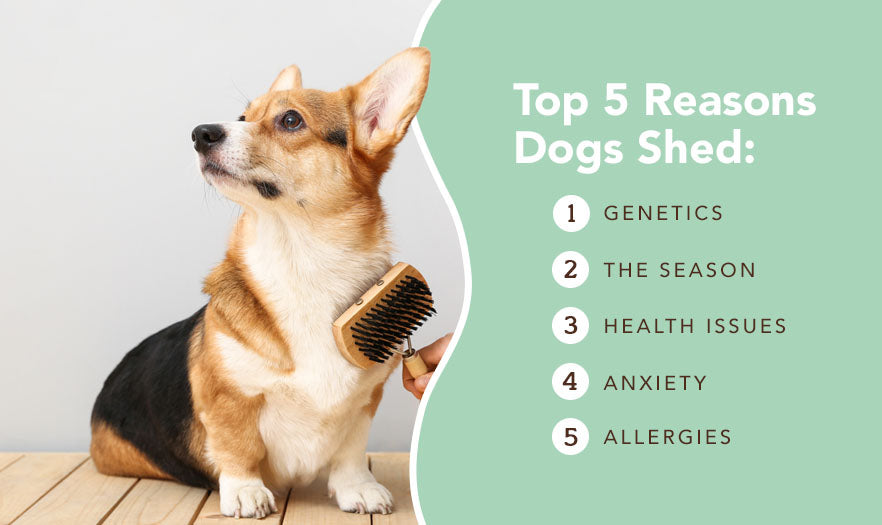
Excessive shedding in dogs can be puzzling and concerning. Understanding common causes helps manage and reduce shedding. Many factors affect how much a dog sheds. Some are natural, while others signal a problem.
Seasonal Changes
Dogs shed more during seasonal changes. They lose old fur to grow a new coat. This happens mostly in spring and fall. The process helps them adjust to temperature changes. Seasonal shedding is normal and usually temporary.
Diet And Nutrition
Poor diet affects a dog’s coat health. Lack of essential nutrients causes dry, weak fur. This leads to more shedding than usual. A balanced diet with vitamins and minerals supports healthy skin and fur. Good nutrition reduces shedding and promotes shine.
Stress And Anxiety
Stress can cause dogs to shed more. Changes like moving or loud noises increase anxiety. Dogs under stress lose fur as a reaction. Calming the dog and reducing stress helps lower shedding. Providing comfort and routine supports their well-being.
Health Issues
Excessive shedding may indicate health problems. Skin infections, allergies, or parasites cause fur loss. Hormonal imbalances also affect shedding patterns. A visit to the vet can identify these issues. Early treatment prevents further fur loss and discomfort.
How Diet Affects Shedding
Diet plays a big role in how much your dog sheds. What your dog eats affects the health of its skin and fur. Poor nutrition can lead to dry skin and more hair loss. A balanced diet helps keep shedding under control and makes fur shiny and strong.
Essential Nutrients For Healthy Fur
Proteins are the building blocks of fur. Dogs need high-quality protein for strong hair. Omega-3 and omega-6 fatty acids keep skin hydrated and reduce itchiness. Vitamins A, E, and biotin support skin repair and fur growth. Zinc helps prevent hair loss and keeps fur thick.
Foods To Avoid
Foods with artificial colors and preservatives can irritate your dog’s skin. Too many fillers like corn and wheat offer little nutrition. Avoid low-quality dog food with by-products. Some dogs react to dairy or soy with more shedding. Always check ingredient labels carefully.
Supplements That Help Reduce Shedding
Fish oil supplements add healthy omega-3 fats to your dog’s diet. Coconut oil supports skin moisture and fur health. Biotin tablets strengthen hair follicles and reduce breakage. Consult your vet before starting supplements. Proper doses make the biggest difference.
Environmental And Lifestyle Factors
Shedding is a natural process for dogs. Environmental and lifestyle factors can change how much your dog sheds. These elements affect your dog’s coat health and shedding cycles. Understanding them helps manage shedding better.
Climate And Temperature
Dogs shed more in warm weather. Heat causes them to lose old fur. Cold weather can slow shedding down. Seasonal changes often increase shedding. Some breeds shed more in spring and fall. Keeping your dog cool can reduce shedding.
Grooming Frequency
Regular brushing removes loose fur. It prevents fur from spreading around your home. Grooming also helps skin breathe. Less frequent grooming causes more fur to fall out. Bathing your dog helps remove dead hair too. Use the right brush for your dog’s coat type.
Exercise And Activity Levels
Active dogs often have healthier skin. Exercise improves blood flow to the skin. Better blood flow supports hair growth. Less active dogs may shed more due to poor circulation. Outdoor activity can expose dogs to dirt and allergens. This exposure can increase shedding temporarily.
Health Problems Linked To Shedding
Shedding is normal for dogs. But too much shedding can mean health problems. Some illnesses cause hair loss and skin issues. Knowing these problems helps keep your dog healthy.
Shedding linked to health issues needs quick attention. It can signal allergies, infections, or hormone troubles. Watch your dog closely for other signs like itching or bald spots.
Allergies And Skin Conditions
Allergies often cause intense itching and hair loss. Dogs can react to food, pollen, or dust mites. Skin becomes red and inflamed from constant scratching. This damage leads to more shedding and discomfort.
Common skin conditions like dermatitis also cause shedding. These conditions make the skin dry and flaky. Treating allergies and skin problems reduces shedding and helps your dog feel better.
Parasites And Infections
Parasites such as fleas and ticks cause severe itching. Dogs scratch and bite their skin, losing hair in spots. Mange mites burrow under the skin, causing irritation and hair loss.
Infections from bacteria or fungi worsen shedding. These infections make the skin sore and inflamed. A vet can diagnose and treat parasites or infections quickly.
Hormonal Imbalances
Hormone problems affect the hair growth cycle. Conditions like hypothyroidism reduce hair growth and cause shedding. Cushing’s disease leads to thin skin and hair loss.
Hormonal imbalances need medical diagnosis and treatment. Managing these problems helps control shedding and improves your dog’s health.
Easy Ways To Manage Shedding
Managing your dog’s shedding can make your home cleaner and your pet more comfortable. Regular care helps control loose fur and reduces mess around the house. Simple steps can keep shedding under control and improve your dog’s coat health.
Regular Brushing Techniques
Brush your dog often to remove loose hair before it falls out. Use gentle, slow strokes to avoid hurting your pet’s skin. Focus on areas where shedding is heavy, like the back and belly. Brushing also spreads natural oils, keeping the coat shiny and healthy.
Bathing Tips And Frequency
Bath your dog every 4 to 6 weeks to clean dirt and dead hair. Use a shampoo made for dogs to protect their skin. Avoid over-bathing, which can dry out the coat and increase shedding. Dry your dog well after baths to prevent skin problems.
Using The Right Grooming Tools
Choose brushes and combs suitable for your dog’s coat type. Slicker brushes work well for long-haired breeds. Deshedding tools help remove undercoat fur in thick-coated dogs. Using the right tools makes grooming easier and more effective.
When To See A Veterinarian
Excessive shedding in dogs can be normal or a sign of a health problem. Knowing when to see a veterinarian helps protect your pet’s health. If shedding seems unusual or your dog shows other symptoms, a vet check is important. Early care can prevent serious issues and keep your dog comfortable.
Signs Of Underlying Health Issues
Watch for bald spots or patches of missing fur. Itching or scratching more than usual is a red flag. Skin redness, sores, or scabs show irritation or infection. Sudden weight loss or gain can also link to shedding problems. Lethargy or changes in behavior need immediate attention.
Diagnostic Tests For Shedding
Vets may perform skin scrapings to find parasites or infections. Blood tests check for hormonal imbalances or allergies. Allergy testing identifies triggers causing skin reactions. Sometimes, a biopsy helps diagnose rare skin diseases. These tests find the root cause of shedding quickly.
Treatment Options
Treatment depends on the diagnosis and may include medication. Flea control products stop parasite-related shedding. Special shampoos soothe itchy or inflamed skin. Dietary changes improve coat health and reduce shedding. In some cases, hormone therapy balances internal issues.
Frequently Asked Questions
Why Is My Dog Shedding More Than Usual?
Increased shedding can result from seasonal changes, stress, poor diet, or health issues. Regular grooming and a balanced diet help reduce excessive shedding. If shedding persists, consult a vet to rule out allergies or infections.
Does Diet Affect My Dog’s Shedding?
Yes, a balanced diet rich in omega-3 and omega-6 fatty acids promotes healthy skin and coat. Poor nutrition can cause dry skin, leading to excessive shedding. Ensure your dog eats quality food to maintain a healthy coat and reduce hair loss.
Can Stress Cause My Dog To Shed More?
Stress can trigger shedding in dogs by disrupting their natural hair growth cycle. Changes in environment, routine, or anxiety increase hair loss. Providing a calm, stable environment and regular exercise can help minimize stress-related shedding.
How Often Should I Groom My Shedding Dog?
Regular grooming is essential for managing shedding. Brush your dog’s coat at least 2-3 times a week to remove loose hair and prevent mats. Frequent grooming improves coat health and reduces the amount of hair shed around your home.
Conclusion
Shedding is normal but can seem like a lot sometimes. Your dog’s hair tells a story about health and comfort. Keep brushing regularly to help remove loose fur. Watch for changes in shedding or skin condition. A balanced diet supports healthy skin and coat.
Stress and weather also affect how much dogs shed. Visit a vet if shedding seems unusual or heavy. Understanding why your dog sheds helps you care better. Simple care can make a big difference in shedding levels. Stay patient and attentive to keep your dog happy.

