

Have you ever tried cleaning your car with a vacuum, only to be startled by how loud it is? You might wonder, just how noisy are car vacuums really?
If you want a quiet, effective way to keep your car spotless without disturbing everyone around you, understanding the noise levels is key. You’ll discover what makes car vacuums noisy, how loud they usually get, and tips to choose one that won’t drive you or your passengers crazy.
Keep reading to find the perfect balance between power and peace for your car cleaning routine.
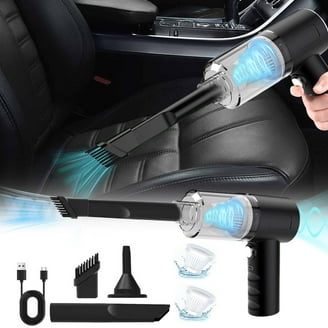
Noise Levels Of Car Vacuums
Car vacuums are useful tools for keeping your vehicle clean. But their noise levels can affect comfort during use. Understanding how loud these devices get helps you choose the right one. Noise levels vary by model and design. Some are quieter, while others produce more sound. This section explains the noise levels of car vacuums clearly and simply.
Decibel Ratings Explained
Decibel (dB) measures sound intensity. The higher the dB, the louder the noise. Normal conversation is around 60 dB. A car vacuum’s noise level is usually higher. This number helps compare different models. Lower decibel ratings mean quieter operation. Most manufacturers list decibel ratings in product details. This helps buyers make informed choices.
Typical Noise Range For Car Vacuums
Most car vacuums produce noise between 70 and 85 dB. At 70 dB, the sound is noticeable but not very disturbing. Around 85 dB, the vacuum can feel loud and tiring after some time. Some models offer noise reduction features to keep sound levels down. Small, portable vacuums tend to be quieter. Larger or more powerful models often create more noise. Knowing this range helps set realistic expectations.
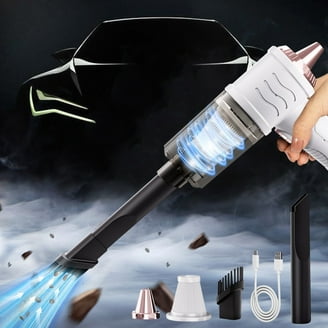
Factors Influencing Vacuum Noise
Car vacuums vary in noise levels. Several factors affect how loud they sound. Understanding these factors helps you choose a quieter model. Noise depends on parts inside the vacuum and how it works. Here are key elements that influence vacuum noise.
Motor Power And Design
The motor is the loudest part of a car vacuum. More powerful motors often create more noise. Some motors have better designs that reduce sound. Quiet motors use special materials and shapes. These designs limit vibrations and noise during use.
Vacuum Size And Portability
Smaller vacuums tend to be quieter. Compact models have less space for noise to escape. Bigger vacuums may have stronger motors but make more noise. Portable vacuums balance power with size to reduce sound. Carrying a light vacuum can also make cleaning easier.
Surface Type And Suction Efficiency
Different surfaces affect vacuum noise. Hard surfaces reflect sound more than soft ones. Carpets and mats absorb some noise, making the vacuum quieter. Strong suction can increase noise but cleans better. Efficient vacuums use less power and produce less sound.
Comparing Noisy And Quiet Models
Car vacuums vary in noise levels. Some models run quietly, while others can be loud. Noise depends on motor power and design. Choosing the right vacuum means balancing noise with cleaning strength.
Quiet vacuums make cleaning more pleasant. Loud models might scare pets or bother passengers. Understanding these differences helps find the best fit for your needs.
Top Quiet Car Vacuums
Quiet car vacuums use advanced motors and sound insulation. They produce less than 70 decibels, similar to a normal conversation. These models work well inside cars without causing noise stress.
Many quiet vacuums still offer strong suction. They clean dust and debris without loud noise. Compact design and cordless options add convenience and ease of use.
Loudest Car Vacuums On The Market
Some car vacuums exceed 80 decibels, close to a busy street noise. These models have powerful motors for heavy-duty cleaning. Loud noise can be a downside for regular use.
High noise levels may disturb people nearby. These vacuums suit quick, tough cleaning sessions. Users should wear ear protection if sensitive to sound.
Impact Of Vacuum Noise On Users
The noise level of car vacuums affects users in many ways. Loud vacuum sounds can cause discomfort and stress. Understanding this impact helps users choose the right vacuum for their needs.
Hearing Concerns
Car vacuums can produce noise levels that may harm hearing. Prolonged exposure to loud sounds can cause ear pain or damage. People with sensitive ears find loud vacuums especially hard to tolerate. Using quieter models helps protect your hearing health. It also reduces the risk of ringing or headaches after cleaning.
Comfort During Cleaning
Noise affects comfort while cleaning your car. Loud vacuums create an unpleasant experience. This may make users rush or stop cleaning early. Quieter vacuums allow a calm, more relaxed cleaning session. Comfort improves focus and leads to better cleaning results. Choosing a vacuum with low noise enhances overall satisfaction.
Tips To Reduce Vacuum Noise
Car vacuums can be noisy, which makes cleaning a bit bothersome. Reducing the noise helps you clean more comfortably. It also protects your ears from loud sounds. Simple steps can lower the noise without much effort. Here are some tips to make your car vacuum quieter.
Using Sound Dampening Accessories
Sound dampening accessories can absorb and block noise. Rubber mats under the vacuum reduce vibrations and noise. Foam covers around the motor also help lower sound levels. These accessories fit easily and do not affect vacuum power. Using them creates a quieter cleaning experience.
Proper Maintenance And Usage
Keep the vacuum clean and well-maintained to reduce noise. Empty the dust container often to avoid strain on the motor. Check and clean filters regularly for smooth airflow. Avoid overworking the vacuum by using short, steady bursts. Proper care keeps the vacuum running quietly and efficiently.
Future Trends In Quiet Car Vacuums
Car vacuums are getting quieter. New technology and smart designs help reduce noise. This means cleaning your car will be less disturbing. The future holds many improvements for these devices. Let’s explore what is coming next.
Innovations In Motor Technology
Motors are the main source of noise in car vacuums. New motor designs use better materials and shapes. These reduce vibrations and sound output. Brushless motors are becoming popular. They run smoother and produce less noise. Some motors also have soundproof covers. These block noise from escaping. This technology makes vacuums quieter without losing power.
Design Improvements For Noise Reduction
Quiet car vacuums also need smart design. Manufacturers use soft materials to absorb sound. The vacuum’s body is shaped to reduce noise reflection. Airflow paths are optimized to lower sound levels. Some models have special noise-canceling features inside. Compact and sealed units help keep noise low. These designs make vacuums comfortable to use in small spaces. Future products will focus more on quiet performance.
Frequently Asked Questions
How Loud Are Typical Car Vacuums?
Car vacuums usually produce noise levels between 60 and 75 decibels. This is similar to a normal conversation or background music. Noise varies by motor power and vacuum design. Quieter models use advanced insulation to reduce sound. Always check decibel ratings before buying.
Do Cordless Car Vacuums Make Less Noise?
Cordless car vacuums often run quieter due to smaller motors. Their noise levels generally range from 60 to 70 decibels. Battery-powered models prioritize convenience and reduced noise. However, powerful cordless vacuums may still be moderately loud. Noise depends on motor efficiency and build quality.
Can Noisy Car Vacuums Damage Hearing?
Car vacuums usually aren’t loud enough to cause hearing damage. Sounds under 85 decibels are generally safe for short exposure. Prolonged use at high noise levels might cause discomfort but rarely hearing loss. Using quieter models or ear protection is advisable for frequent use.
Why Do Some Car Vacuums Sound Louder Than Others?
Louder car vacuums often have stronger motors or less sound insulation. Design and airflow also affect noise output. Cheaper models may lack noise-reducing features, causing more sound. Quality materials and engineering help lower vacuum noise. Always compare noise specs when choosing a vacuum.
Conclusion
Car vacuums vary in noise levels depending on their design. Some models run quietly, while others can be quite loud. Noise often comes from the motor and suction power. Choosing a vacuum with lower decibels can make cleaning more pleasant.
Remember, quiet does not always mean less powerful. Checking reviews helps find a balance between noise and performance. Keep noise in mind to enjoy a better cleaning experience.
