

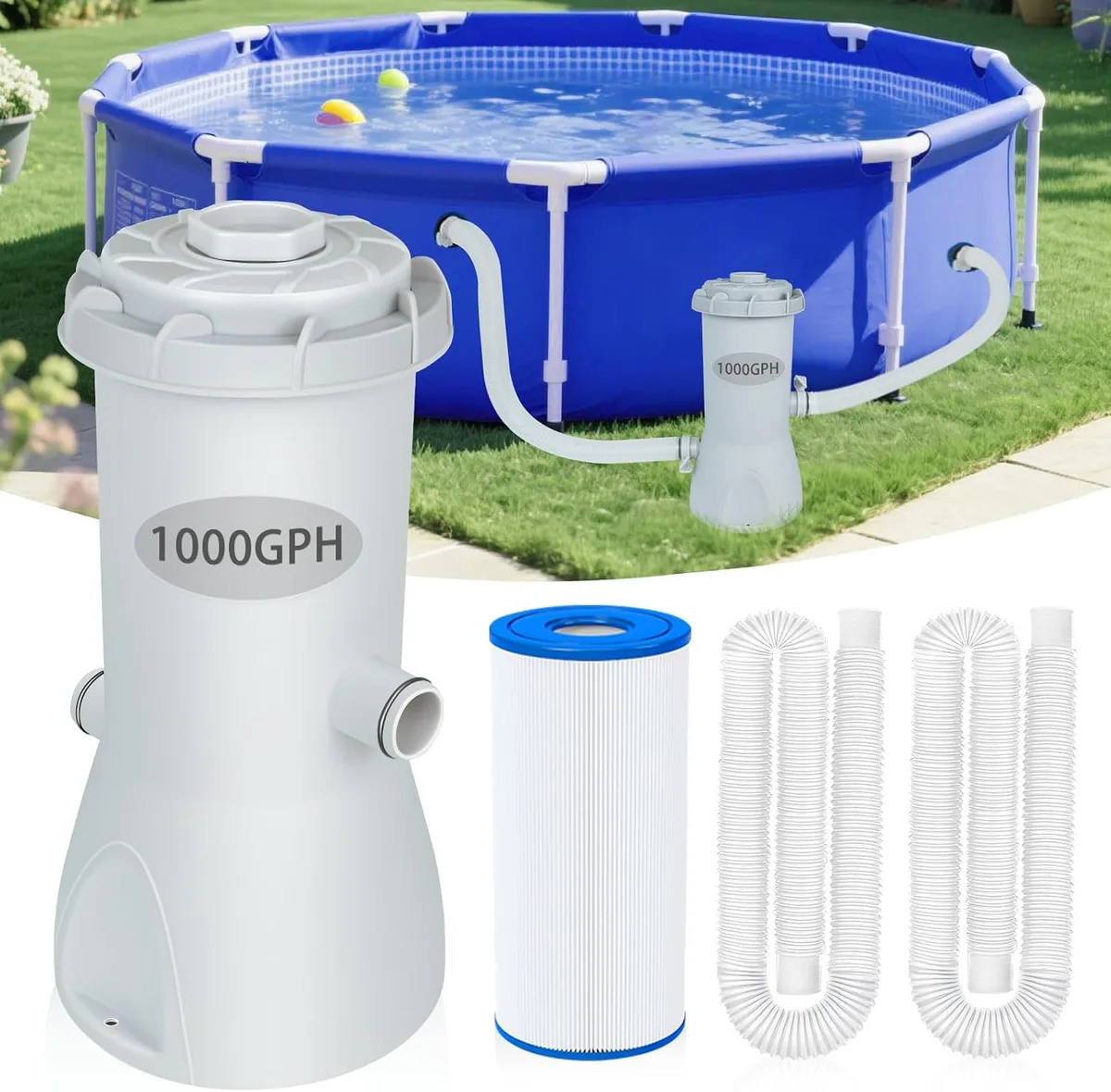
Image source: Bing (Web (fair-use with source credit))
Above Ground Pool Pump Lifespan: What to Expect
Wondering how long your above ground pool pump should realistically last? It's a question on many pool owners' minds, and for good reason. Replacing a pool pump can be a significant expense, so understanding its expected lifespan is key to planning and budgeting.
Our research and analysis of manufacturer specifications indicate that, with proper care, most above ground pool pumps can reliably serve your pool for an average of 5 to 15 years. This range can fluctuate significantly based on how well the pump is maintained and the specific environmental conditions it operates under.
Quick Answer: How Long Do They Actually Last?
Above ground pool pumps typically last between 5 and 15 years. This lifespan depends heavily on maintenance, water balance, and pump quality. Properly cared-for pumps running within recommended parameters will reach the higher end of this range.
Key Factors That Decide Your Pump's Fate
The lifespan of your above ground pool pump isn't set in stone. Several factors play a crucial role, turning a potentially long-lived pump into one that struggles prematurely. Understanding these elements can help you protect your investment.
Water Chemistry Woes and Wear
Imbalanced water chemistry is one of the silent killers of pool pumps. If your pool's pH, alkalinity, or sanitizer levels are consistently off, it creates a corrosive environment. This harshness can attack metal components within the pump, leading to premature wear and potential failure.
For instance, consistently low pH (acidic water) can corrode pump seals and internal metal parts much faster than balanced water.
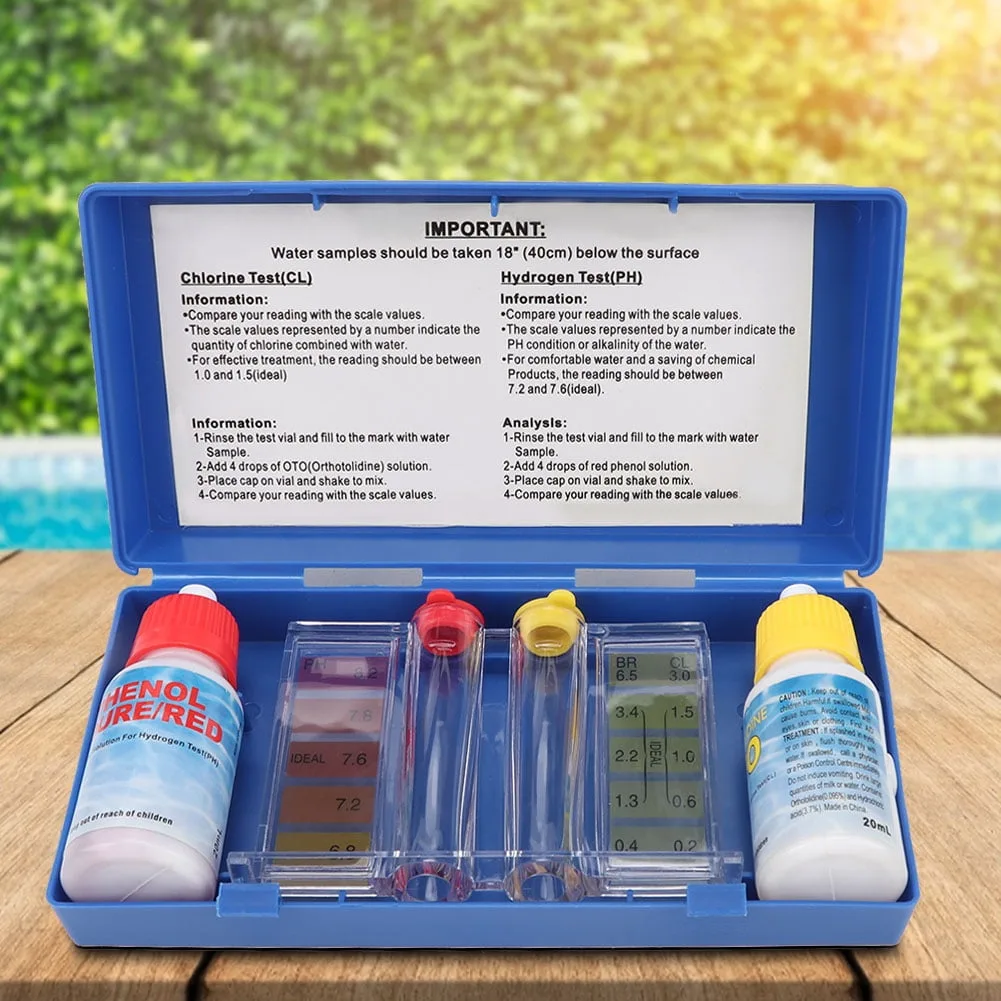
Image source: Web (Bing) / walmart.com (Web image (fair-use with source credit))
The Hard Work of Daily Operation
Your pool pump is designed to run for extended periods, but there's a limit. Manufacturer specifications often suggest operating pumps for 8 to 12 hours daily during the swimming season. Running a pump 24/7, while ensuring circulation, puts continuous stress on the motor and its components, significantly shortening its overall lifespan.
Think of it like a car engine; constant high-rev driving will wear it out faster than moderate use.
Debris Dilemmas and Weather Woes
Larger debris, like leaves and twigs, can clog the pump basket and strainer. If this basket isn't emptied regularly, it restricts water flow, forcing the motor to work harder. This strain can lead to overheating and premature motor burnout.
Extreme weather also plays a part; while pumps are built for outdoor use, prolonged exposure to intense heat or freezing temperatures without proper protection can degrade seals and electrical components over time.
Early Warning Signs: When Your Pump Needs Attention
You don't always have to wait for a complete breakdown to know your pool pump is on its way out. Paying attention to your pump's behavior can save you from sudden outages and costly emergency repairs. Catching issues early is key to managing its lifespan effectively.
Listening for Trouble: Odd Noises
A healthy pool pump typically operates with a consistent hum. If you start hearing unusual sounds like grinding, rattling, whining, or knocking, it's a clear signal something is wrong internally. These noises often indicate worn-out bearings in the motor, loose impellers, or issues with the pump shaft.
It's your pump telling you it needs a check-up.
Feeling the Heat: Overheating Motors
While pumps do generate some heat during operation, a motor that feels excessively hot to the touch is cause for concern. This can happen if the pump is running dry, if there's a blockage restricting water flow, or if the motor itself is failing. Overheating can damage the motor windings and seals, leading to irreparable damage if not addressed promptly.
Spotting Leaks and Electrical Hiccups
Drips or puddles around the pump housing, especially near hose connections or the pump shaft seal, suggest a leak. Worn seals are common culprits, and a persistent leak can lead to water damage and reduced pump efficiency. Similarly, if your pump frequently trips the circuit breaker, it’s a strong indicator of an electrical problem within the motor or a significant strain on the system.
Proactive Care: Making Your Pump Last Longer
The good news is you have a lot of control over how long your above ground pool pump lasts. Consistent, simple maintenance tasks can make a huge difference, stretching its life well into that 10-15 year range. Think of it as an investment in preventing future headaches and expenses.
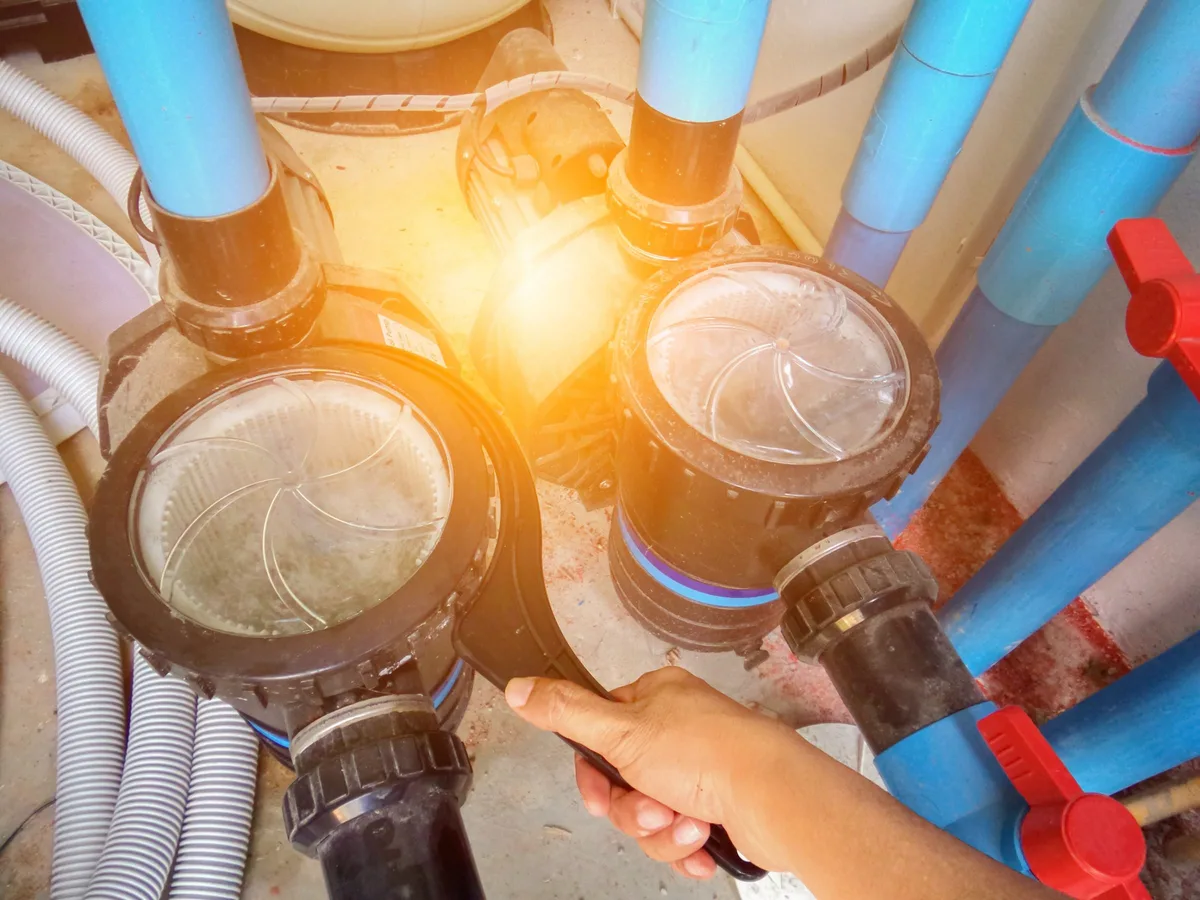
Image source: Web (Bing) / bluesquaremfg.com (Web image (fair-use with source credit))
Basket Blitz: Keeping it Clean
This is perhaps the easiest and most impactful maintenance task. The pump basket catches leaves, twigs, and other debris before they reach the impeller. Checking and emptying this basket at least once a week is crucial.
If it becomes overloaded, it restricts water flow, making the motor work overtime. Some owners find doing this twice a week is even better, especially after windy days or heavy rain.
Balanced Water is Happy Water
Maintaining proper water chemistry is vital for pump longevity. Consistently testing your water and keeping the pH between 7.2 and 7.6, and alkalinity between 80 and 120 ppm, prevents corrosion. According to guidelines from organizations like the Pool & Hot Tub Alliance (PHTA), maintaining these parameters protects not just your pump but all your pool equipment and surfaces from damage.
Preventing Pump Problems: Air & Weather
Always ensure your pump is primed and has a continuous flow of water. Air trapped in the system can cause cavitation and damage the pump. Regularly check all O-rings and connections for tightness.
During colder months, properly winterizing your pump by draining it completely is essential to prevent freeze damage, which can crack housing and damage internal components.
Real-World Pump Performance: What Owners Experience
While manufacturer estimates and technical specifications provide a baseline, real-world performance offers a more nuanced view of pump lifespans. Aggregate user feedback and industry reports suggest that pumps often fail to reach their maximum potential lifespan due to operational or maintenance oversights. Many owners report their pumps lasting anywhere from 5 to 10 years, with issues often arising due to neglect rather than inherent defects.
For example, a common scenario involves a pump that starts showing signs of reduced flow after about six years. If the owner hasn't been diligent with cleaning the basket or checking water balance, this could be the beginning of the end. Without prompt attention, this might necessitate a pump replacement sooner than expected, cutting short its potential 15-year run.
Why Do Some Pumps Fail Sooner?
Several factors contribute to premature pump failure beyond basic wear and tear. A key issue is simply not treating the pump as a critical piece of equipment that requires regular attention. Many homeowners view it as a "set it and forget it" item, which leads to neglect.
Running a pump when the water level is too low, for instance, can quickly damage the motor seals and impeller. This happens because the water acts as a coolant, and without enough of it, the rapidly spinning parts can overheat and seize up. This type of damage is often irreparable and requires immediate replacement, drastically shortening the pump's service life.
Pump Brands and Their Reported Durability
While we're not reviewing specific brands here, industry discussions and owner forums often highlight perceived differences in durability. Some brands are frequently mentioned as having more robust motor designs or better-quality seals, potentially contributing to longer lifespans. Conversely, other brands might be known for more frequent issues with specific components.
It’s important to remember that even the best brand can fail prematurely if not maintained. However, when comparing similar models, some manufacturers do seem to have a better track record for longevity and reliability. This data, often compiled from thousands of user reviews, suggests that investing in a pump from a brand with a strong reputation for durability can be a wise choice for maximizing lifespan.
Frequently Asked Questions About Pool Pump Longevity
### How often should I clean my pool pump basket?
You should check and empty your pool pump basket at least once a week. If you have a lot of debris around your pool, like trees, you might need to check it more often, possibly every other day, especially during peak season.
### Can I run my above ground pool pump at night?
Yes, running your above ground pool pump at night is generally fine and can even be beneficial. It helps maintain water circulation and filtration when pool usage is low, and can prevent algae growth. Just ensure it runs for sufficient hours to turn over your pool water adequately, usually between 8 to 12 hours total per day.
### Is a more powerful pump better for longevity?
Not necessarily. A more powerful pump (higher horsepower) doesn't automatically mean it will last longer. In fact, an oversized pump might wear out faster if not properly matched to your pool's size and filtration system, potentially causing issues like excessive flow rates or increased energy consumption.
Matching the pump size to your pool's needs is more important for efficiency and longevity.
### What's the most common reason for pool pump failure?
The most common reasons for pool pump failure are related to neglect and maintenance issues. This includes running the pump dry, allowing the pump basket to overflow, poor water chemistry leading to corrosion, and wear on motor bearings or seals from continuous operation without proper upkeep.

