

You're probably wondering how often you actually need to swap out your above-ground pool filter, and the answer isn't as simple as a single date on the calendar. It really hinges on a few key things, mainly the type of filter you have and how much you use your pool.
Manufacturer specifications often suggest cleaning your filter media regularly, but replacing the entire filter component or its media has a different timeline. For example, while you might clean a cartridge filter dozens of times, the cartridge itself could last anywhere from 1 to 3 years before needing replacement. Let's dive into what that means for you.
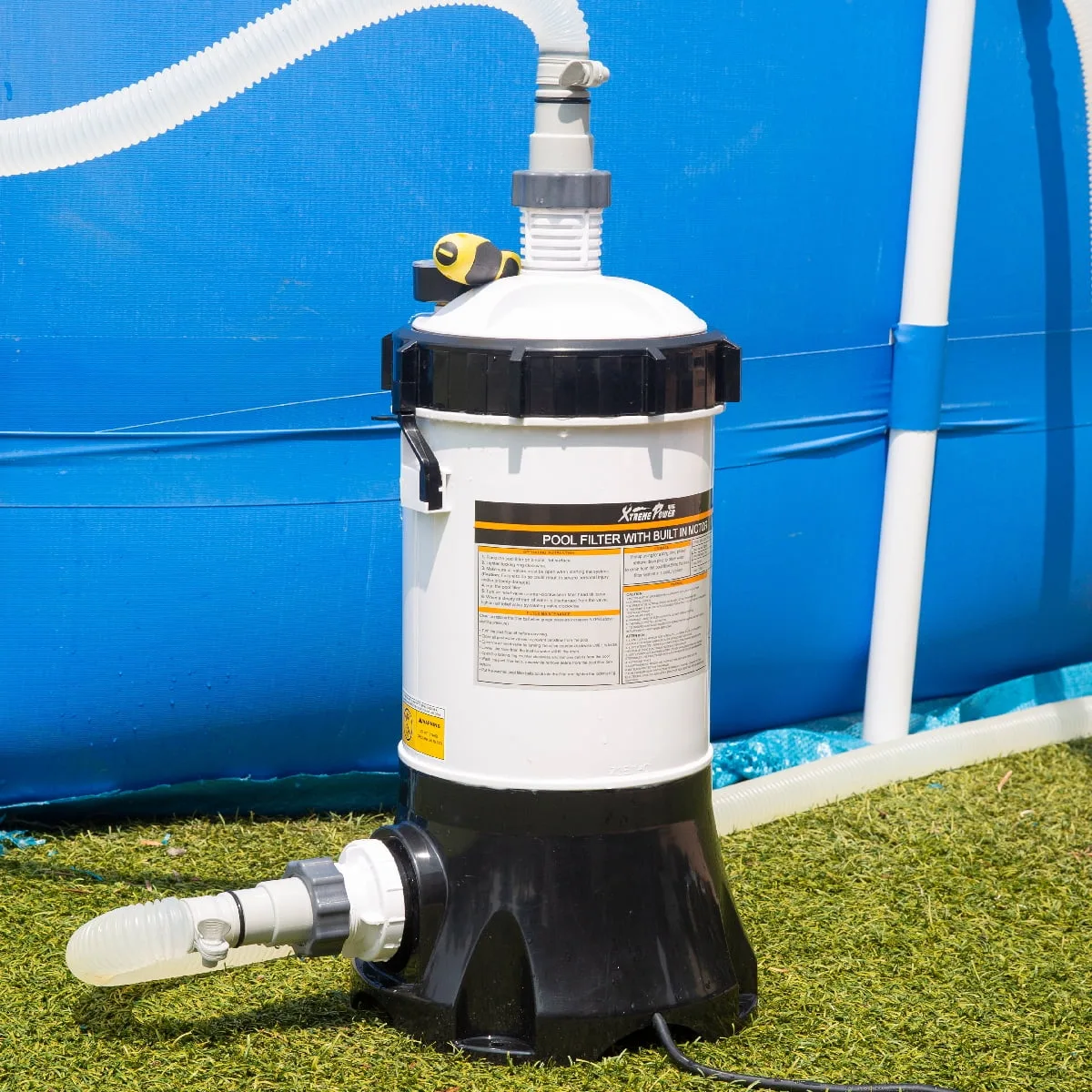
Quick Answer: It Depends on Your Filter Type & Usage
The frequency for replacing an above-ground pool filter isn't fixed. Cartridge filters typically need replacement every 1 to 3 years. Sand filters require sand replacement every 3 to 7 years.
DE filter grids can last 5 to 10 years or more. Heavy pool use and poor maintenance shorten these intervals.
Cartridge Filters: Lifespan and When to Swap Them
Cartridge filters are super common for above-ground pools, and for good reason, they're pretty effective and straightforward. They work by forcing water through a pleated fabric material that traps debris, like dirt, leaves, and even tiny particles. Think of it as a high-tech coffee filter for your pool water.
The good news is, you don't usually "replace" the entire filter housing. Instead, you're focused on cleaning and eventually replacing the cartridge itself.
- Cleaning is Key: Most manufacturers recommend rinsing your cartridge filter thoroughly every 1 to 2 weeks, depending on your pool's usage. A good rinse removes most of the accumulated gunk.
- Deep Cleaning: Every few months, or when a regular rinse doesn't quite cut it, a deeper chemical cleaning might be in order. Specialized filter cleaners can help break down oils and mineral deposits.
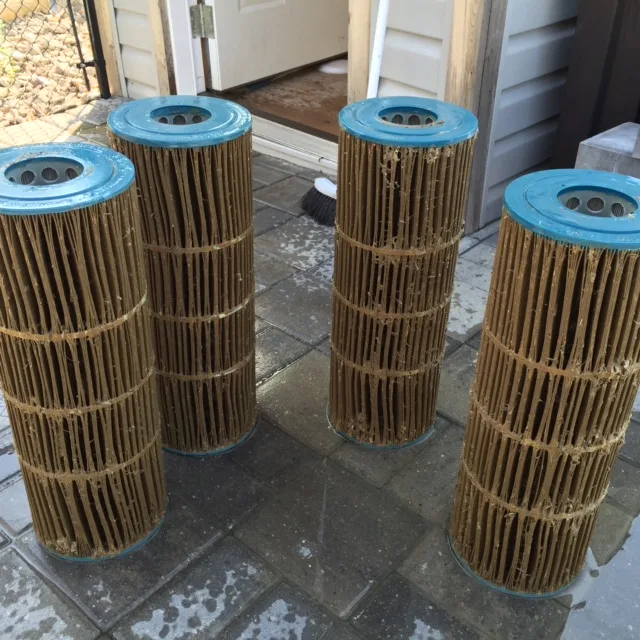
- When to Replace: Despite your best cleaning efforts, the fabric of a cartridge will eventually wear out. This typically happens every 1 to 3 years. You'll know it's time when you see cracks in the pleats, tears in the fabric, or if the cartridge simply won't come clean enough to maintain good water clarity. Continuing to use a damaged cartridge can lead to reduced filtration efficiency and potentially allow debris to bypass the filter.
Sand Filters: Refreshing Your Media Over Time
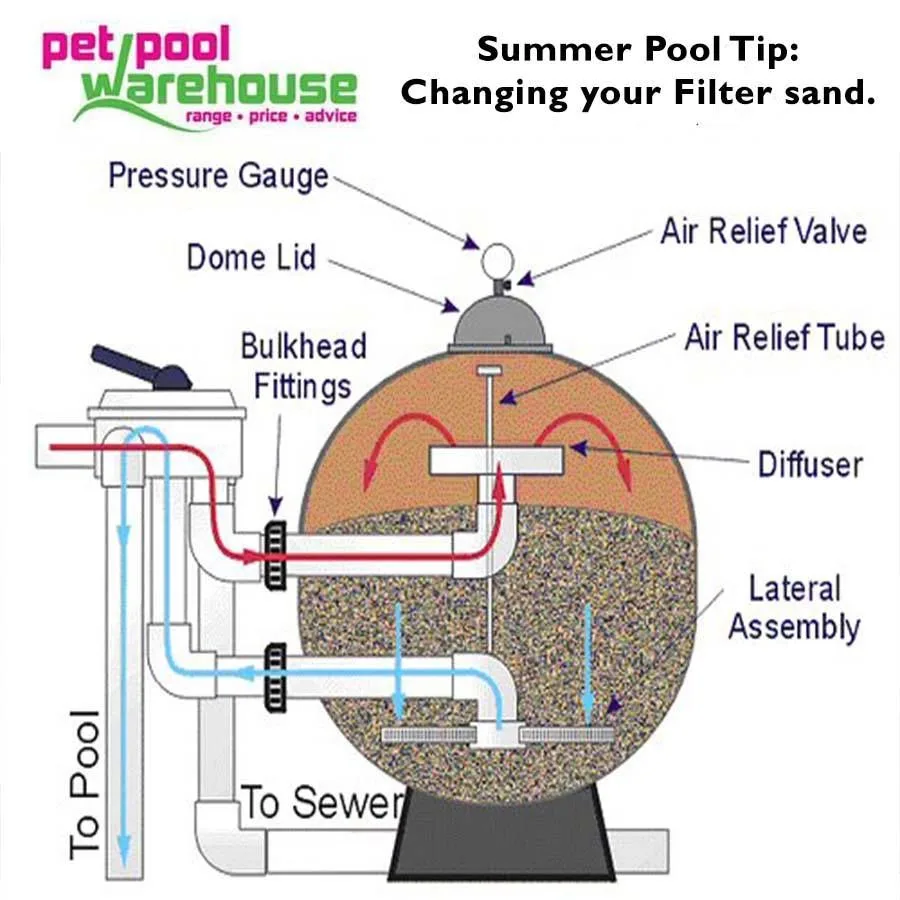
Sand filters are known for their durability and ease of maintenance. They use a bed of specialized filter sand to trap impurities. When you run your pump, water is pushed down through the sand, leaving debris behind.
Backwashing is the primary method for cleaning these systems, which essentially reverses the water flow to flush out the collected gunk from the sand.
The sand itself doesn't get thrown away regularly, but it does wear down over time.
- Backwashing Frequency: You'll want to backwash your sand filter whenever your pool's pressure gauge reads about 8-10 PSI above its normal clean operating pressure. This is typically needed weekly or bi-weekly for most pools.
- Sand Wear: Over time, the sharp edges of the filter sand grains become rounded and worn from constant water flow and backwashing. This reduces their ability to effectively trap smaller particles. Manufacturer specifications generally indicate that the sand media itself should be replaced every 3 to 7 years.
- Signs It's Time: If your backwashing isn't improving the pressure gauge readings, or if you notice that your pool water isn't getting as clear as it used to, even with regular cleaning, your sand might be losing its effectiveness. Algae blooms can also be harder to manage with worn-out sand.
DE Filters: Understanding Grid Replacement
Diatomaceous Earth (DE) filters are often considered the gold standard for pool water clarity because they use a very fine powder, DE, to filter out incredibly small particles. The DE powder coats a series of grids or fingers inside the filter housing. Water is pushed through these grids, and the DE traps impurities.
Unlike sand or cartridges, you don't typically replace the DE powder itself after each use; it's added back during regular filter operation. What you do eventually need to replace are the filter grids.
- How DE Filters Work: After backwashing, you'll add a slurry of DE powder and water to the filter. This coats the grids evenly. As water passes through, it catches debris.
- Grid Lifespan: The filter grids are usually made of a durable plastic or fabric material designed to withstand the filtration process. With proper care and regular cleaning, these grids can last a surprisingly long time. Aggregate user reviews and manufacturer documentation suggest that DE filter grids often last 5 to 10 years, and sometimes even longer.
- When Grids Need Replacing: The most common reasons for replacing DE filter grids are physical damage. This includes tears in the fabric, cracks in the plastic framework, or if the grids become so brittle they are prone to breaking. If your DE filter consistently fails to produce clear water after a proper backflush and DE recharge, or if you find debris escaping the filter, it's a strong indicator that the grids are compromised and need replacement.
Key Factors That Speed Up Filter Wear
It's not just the type of filter that dictates how long it will last; how you use and care for your pool plays a massive role. Think of it as putting your filter through a workout, the more intense, the sooner it might need a break.
- Pool Usage: If your pool is the go-to spot for the neighborhood kids all summer long, or if you host a lot of pool parties, that means more swimmers, more sunscreen, and more oils. All of this extra work for the filter can lead to it getting clogged more frequently and components wearing out sooner. A lightly used pool will naturally extend the life of its filter media.
- Water Contamination: Unexpected events, like a big storm that blows a lot of debris into the pool, or a sudden algae bloom, put immense strain on your filter. While cleaning up after these events is essential, repeated or severe contamination can significantly shorten the effective life of your filter cartridge, sand, or DE grids.
- Chemical Imbalance: When your pool's water chemistry is off, particularly pH and sanitizer levels, it can lead to various issues that impact your filter. For instance, improper pH can cause mineral buildup that clogs filters faster. Algae growth, often a result of poor chemical balance, also forces your filter to work overtime. Maintaining balanced water chemistry, as recommended by the Association of Pool & Spa Professionals (APSP) standards, is crucial for filter health.
Maintenance Habits: Your Biggest Tool for Longevity
This is where you have the most direct impact on how long your filter components last. Proactive and consistent maintenance is the absolute best way to get the most life out of your filter, whether it's a cartridge, sand, or DE system. It's about being a good steward of your pool equipment.
- Regular Cleaning Schedules:
- Cartridge Filters: Don't wait until your pressure gauge screams at you. Rinse the cartridge thoroughly every 1-2 weeks. A good deep clean with a filter cleaner every few months will break down stubborn oils and scale.
- Sand Filters: Backwash your sand filter when the pressure gauge shows an increase of 8-10 PSI above its clean starting point. This is typically weekly or bi-weekly.
- DE Filters: Backwash when pressure rises, then remember to add the correct amount of DE powder back to coat the grids.
- Preventative Measures: Beyond cleaning, keep an eye on your pool's water chemistry. Balanced pH and proper sanitizer levels prevent issues like algae growth or mineral scaling that clog filters prematurely. Regularly inspect your filter tank and connections for any signs of leaks or damage.
- The "Good Enough" Trap: Resist the urge to skip maintenance because you're busy or the water looks okay. A filter that's not performing optimally is working harder and wearing out faster. A clean filter not only lasts longer but also keeps your pool water clearer and healthier. As of 2026, consistent maintenance remains the most cost-effective strategy for pool owners.

