

Keeping your above-ground pool water sparkling and inviting means a clean filter is essential. A clogged or dirty filter can’t do its job, leading to murky water and potential issues. This guide breaks down exactly what you need to know to tackle filter cleaning effectively.
You'll need to know your filter type, cartridge, sand, or DE, as each has its own cleaning routine. Manufacturer specifications for most common pool filters recommend a deep clean at least once every season, with more frequent rinsing or backwashing depending on pool usage. We'll walk you through each method so you can get back to enjoying your pool.
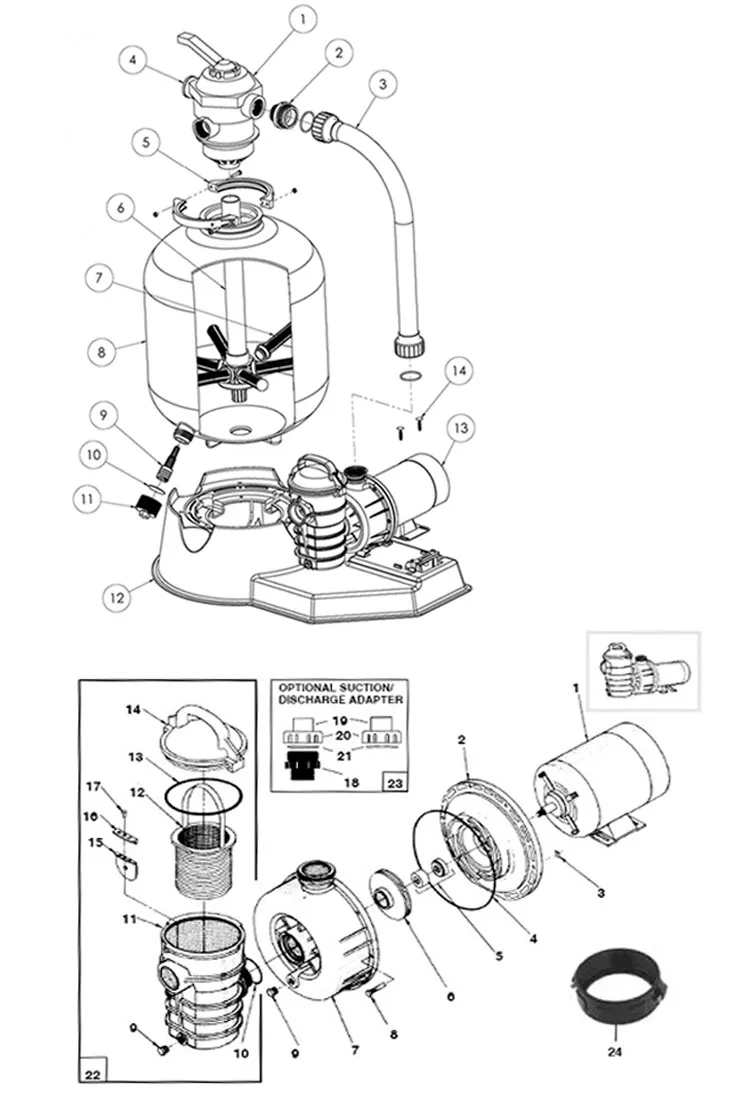
Image source: Bing (Web (fair-use with source credit))
Quick Answer
To clean an above ground pool filter, first identify its type: cartridge, sand, or DE. For cartridge filters, remove the element and rinse with a hose, using cleaner for tougher grime. Sand filters require backwashing and rinsing via the multiport valve.
DE filters need grid cleaning and recharging with fresh DE powder. Regular cleaning prevents cloudy water and ensures optimal pump performance.
What Type of Pool Filter Do You Have?
Figuring out your filter type is the first, most important step. Each system traps debris differently, and therefore requires a unique cleaning approach. Manufacturer documentation for most pool filter systems will clearly label the type, but visually, they’re quite distinct.
Knowing this will prevent you from using the wrong cleaning method, which could damage your equipment or just be ineffective.
Cartridge Filter Basics
Cartridge filters use a pleated polyester element to physically trap dirt and particles from your pool water. Water is pushed through the filter media, leaving debris behind. They're known for being efficient and easy to clean, typically requiring just a hose-down or a soak with a filter cleaner.
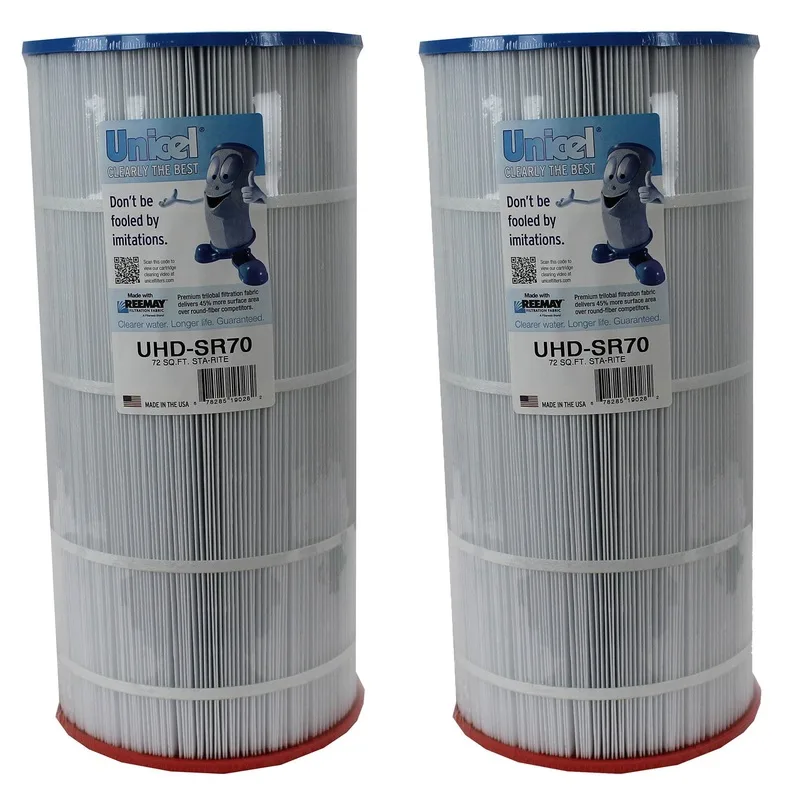
Image source: Web (Bing) / clearpoolfilter.com (Web image (fair-use with source credit))
Sand Filter Basics
A sand filter uses a tank filled with specialized filter sand. As pool water is pumped through the sand bed, dirt and debris get caught between the sand grains. These filters are very durable and often require less frequent manual cleaning than cartridge filters, relying on a process called backwashing.
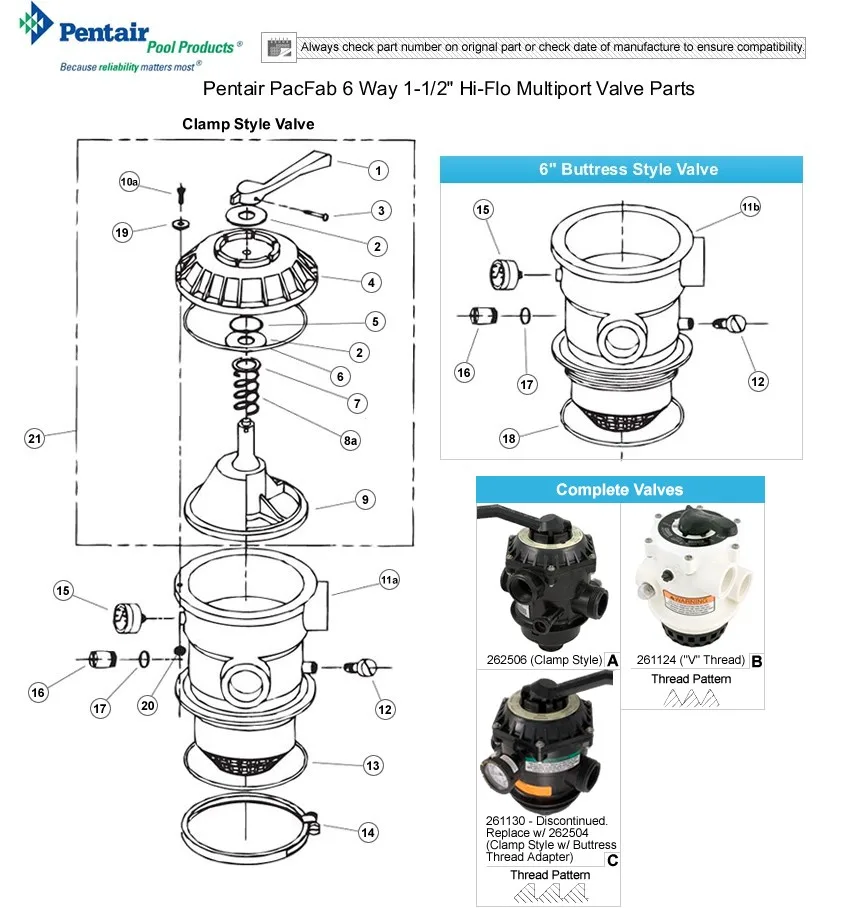
Image source: Bing (Web (fair-use with source credit))
DE Filter Basics
DE filters are considered the premium option for water clarity. They use a set of fine mesh grids coated with DE powder. Water passes through this powder, which acts as an extremely fine filter, catching the smallest particles.
Cleaning DE filters is more involved, requiring grid removal and re-coating with fresh DE.
How to Clean a Cartridge Pool Filter
Cleaning a cartridge filter is often the most straightforward DIY task for pool owners. The core idea is to physically remove the debris from the pleated filter media. Our research indicates that consistent rinsing can extend the life of the cartridge significantly.
Step-by-Step Cartridge Cleaning
Here’s how to give your cartridge filter a good clean:
- Shut off the pool pump. Always disconnect power to the pump before servicing.
- Release system pressure. Open the air relief valve on top of the filter housing to let out any built-up air.
- Remove the cartridge. Depending on your filter model, you might need to unscrew a lid or a locking ring. Carefully lift the cartridge out of the filter tank.
- Rinse thoroughly with a hose. Use a garden hose with a spray nozzle. Angle the spray to get between the pleats and blast away accumulated dirt, leaves, and other debris.
- Use a filter cleaner for tough grime. If rinsing isn't enough, especially for oily residues or stubborn algae, use a dedicated cartridge filter cleaner. Follow the product instructions, which usually involve spraying the cleaner on, letting it soak for a specific time, and then rinsing again very thoroughly.
- Inspect the cartridge. Once clean, examine the cartridge for any tears, cracks, or damage to the pleats.
- Reassemble and restart. Place the clean, dry cartridge back into the filter tank. Secure the lid or locking ring. Turn the pump back on and remember to bleed the air out again until a steady stream of water appears from the relief valve.
When to Replace Your Cartridge
Cartridge filters have a lifespan, typically lasting 1, 3 years depending on usage and maintenance. If you find yourself cleaning the cartridge more frequently, it's not holding its shape, or you notice small tears or holes, it's probably time for a new one. Replacing a worn-out cartridge ensures optimal filtration for your pool.
How to Clean a Sand Pool Filter
Sand filters are robust and their cleaning method is a bit more automated once you get the hang of it. The primary cleaning process is called backwashing, which essentially reverses the water flow through the sand bed to flush out collected debris. Aggregate reviews report that this method is effective for removing most common pool contaminants.
The Backwash Process
Backwashing a sand filter is a critical maintenance step. Here’s how it’s done:
- Turn off the pool pump. Always ensure the pump is off before adjusting the multiport valve.
- Set the multiport valve to "Backwash." This valve is typically located on the side of the filter tank. Rotate the handle to the position marked "Backwash."
- Turn on the pool pump. Water will now flow backward through the sand bed and out through the waste line. You’ll see dirty water exiting the filter.
- Continue backwashing until the water runs clear. This usually takes 2, 5 minutes, but can vary.
- Turn off the pump.
- Set the multiport valve to "Rinse." This step is crucial to resettle the sand bed and clear any debris that might have been dislodged during backwashing.
- Turn on the pool pump for 30, 60 seconds.
- Turn off the pump.
- Set the multiport valve back to "Filter." Your sand filter is now clean and ready to filter water again.
Understanding Your Sand Filter's Pressure Gauge
Your sand filter has a pressure gauge that tells you when it’s time to backwash. When the filter is clean, note the starting pressure reading. As the filter traps more debris, the pressure will gradually increase.
Manufacturer specifications indicate that you should backwash when the pressure gauge reads 8, 10 PSI higher than the clean starting pressure. Neglecting this can reduce filtration efficiency.
When to Replace Sand
The filter sand itself isn't meant to last forever. Over time, the sand grains become rounded and smooth, reducing their ability to trap fine particles. It's generally recommended to replace the filter sand every 3 to 5 years, depending on your pool's usage and how often you backwash.
If you find that backwashing isn't effectively clearing the water, or the pressure builds up very quickly, it might be time for fresh sand.
How to Clean a DE Pool Filter
DE filters offer superior water clarity because Diatomaceous Earth (DE) powder creates an ultra-fine filtering layer on the filter grids. Cleaning these filters is a more involved process than with sand or cartridge types. It typically involves removing the grids, rinsing them thoroughly, and then re-coating them with new DE powder.
Grid Cleaning and Recharging
Here's the general approach for cleaning DE filter grids:
- Turn off the pool pump. Safety first, always disconnect power before working on the system.
- Release system pressure. Open the air relief valve on top of the filter tank.
- Disassemble the filter tank. This usually involves unclamping or unscrewing the tank body to access the internal grid assembly.
- Remove the grid assembly. Carefully pull out the entire set of grids from the filter tank.
- Rinse the grids thoroughly. Use a garden hose with a strong spray to wash away all the old DE powder and any trapped debris from the grid surfaces. Pay attention to getting into all the nooks and crannies.
- Inspect grids for damage. Check each grid for tears, rips, or holes. Damaged grids will not filter effectively and need to be replaced.
- Reassemble the filter. Place the cleaned grid assembly back into the filter tank and secure the tank body.
- Recharge with DE powder. With the pump running and the air relief valve open, slowly add the manufacturer-recommended amount of new DE powder through the skimmer. Mix the DE powder with water in a bucket to create a slurry before adding it to the skimmer, ensuring it disperses properly into the system. Close the air relief valve once a steady stream of water appears. The DE will coat the grids and restore the filter's effectiveness.
When to Replace DE Filter Grids
DE filter grids are typically made of a durable fabric or plastic mesh. However, they can degrade over time, especially with harsh chemicals or physical damage. If you notice any tears, cracks, or thinning in the grid material during your cleaning process, it's time to replace them.
Damaged grids allow DE and debris to bypass the filter, compromising water clarity and potentially damaging the pump. The lifespan can vary, but often ranges from 3 to 7 years with proper care.
Common Pool Filter Cleaning Mistakes to Avoid
Making a misstep when cleaning your pool filter can mean less effective filtration, shorter component lifespans, or even needing costly repairs. One common error is not turning off the pool pump before making any adjustments. This can cause injury or damage to the pump and filter system.
Another frequent oversight is failing to release the system pressure, which can lead to a sudden spray of water and debris when you open the filter housing.
For cartridge filters, aggressively using a high-pressure washer can damage the delicate pleats, reducing their filtering surface area. With sand filters, skipping the "Rinse" cycle after backwashing can send sand and debris back into your pool lines. With DE filters, failing to thoroughly rinse the grids or not properly re-coating them with the correct amount of DE powder means your filter won't work as intended.
Always follow the specific instructions for your filter type.
Maintaining Your Filter for Crystal Clear Water All Season
Consistent maintenance is the secret to a pool that’s always ready for a swim. This goes beyond just cleaning; it involves regular checks and preventative care. Checking the filter pressure gauge weekly and backwashing or rinsing your sand filter when it reads 8, 10 PSI above its clean baseline is a good habit.
This ensures your filter is always operating efficiently, as noted by various pool equipment manufacturers.
For cartridge filters, a quick hose-down every few weeks, in addition to a deeper clean as needed, can prevent excessive buildup. For DE filters, ensuring the grids are properly coated with DE after each cleaning is vital. As of 2026, industry best practices emphasize that proactive maintenance, rather than reactive fixes, saves time, money, and ensures the best possible swimming experience.
This approach prevents larger problems from developing down the line.
Frequently Asked Questions About Pool Filter Cleaning
How often should I clean my pool filter?
Cleaning frequency depends on your filter type and pool usage. Cartridge filters often need rinsing every 1, 4 weeks and a deeper clean every 4, 8 weeks. Sand filters require backwashing when pressure rises 8, 10 PSI above clean, typically every 1, 4 weeks.
DE filters need grid cleaning and recharging when pressure increases similarly, or after a full season of use.
Can I use a regular household cleaner on my pool filter?
No, it's best to use cleaners specifically designed for pool filters. Regular household cleaners can contain chemicals that damage the filter media (cartridge, sand, or DE grids) or introduce unwanted substances into your pool water. Always check manufacturer recommendations for approved cleaning agents.
How do I know if my filter needs replacement?
Look for signs of wear and tear. For cartridges, this includes tears, cracks, or a permanent dingy appearance after cleaning. Sand filters typically need new sand every 3, 5 years, indicated by poor filtration even after backwashing.
DE filters may need replacement grids if they are torn, punctured, or no longer hold DE effectively after cleaning.
Is it safe to swim immediately after cleaning the filter?
Yes, in most cases, it is safe to swim after cleaning your filter. For cartridge and sand filters, a brief rinse cycle (30-60 seconds for sand filters) usually clears out any residual cleaning agents or debris. For DE filters, the recharging process with DE powder is integral to its operation, and once that's complete and the system is running normally, it's safe to swim.
Always ensure all cleaning products are thoroughly rinsed away.

