

Image source: Bing (Web (fair-use with source credit))
Why Your Above-Ground Pool Chlorine Level is Always Low
Finding your above-ground pool's chlorine level consistently low can feel like a losing battle, especially when you're just trying to keep the water safe and inviting. It’s a common frustration for pool owners, but it’s usually a solvable problem.
This guide breaks down the most common reasons your sanitizer isn't staying put, helping you identify the culprit and get your pool chemistry back in the sweet spot. Manufacturer specifications for chlorine effectiveness often depend on maintaining ideal water balance, typically targeting free chlorine levels between 1-4 ppm with pH between 7.2 and 7.6.
Quick Answer: Common Culprits for Low Chlorine
Your above-ground pool’s chlorine is likely low because the sun is breaking it down, debris is consuming it, or your water chemistry is out of balance. High pH, low stabilizer, or increased swimmer load all deplete sanitizer faster than you add it. Identifying the specific cause through testing is key to restoring effective sanitation.
Check Your Testing: Are You Getting Accurate Readings?
Before we dive into why the chlorine might be disappearing, let's make absolutely sure we're getting accurate readings. This might sound basic, but it’s the most important first step. If your test kit isn't working right, you'll be chasing ghosts and adding chemicals that aren't needed.
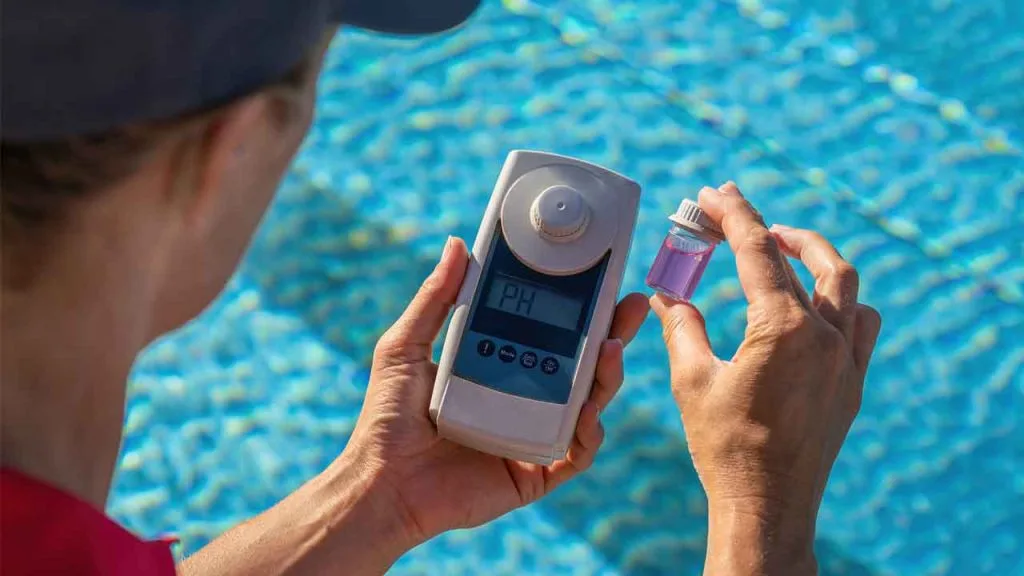
Image source: Bing (Web (fair-use with source credit))
- Use a Reliable Test Kit: Are you using a liquid reagent kit or test strips? Liquid kits, when fresh, are generally considered more accurate for measuring chlorine. Test strips can be convenient for a quick check, but they can degrade over time, especially if exposed to humidity or heat, or if they get damp before use, leading to inconsistent results.
- Check Expiration Dates: Yep, even test strips and reagents have a shelf life. Old kits can give you false readings, making you think your chlorine is low when it's actually fine, or vice-versa. Many kits will have an expiration date printed on the packaging or bottle.
- Proper Testing Technique: For liquid kits, make sure you're rinsing the comparator vials thoroughly after each use, using the correct number of drops for reagents, and holding bottles upright for an accurate count. For strips, follow the package instructions precisely regarding how long to immerse the strip and when to read the color results, typically within 15-30 seconds.
- Test in the Right Conditions: Always test your pool water in the shade, not in direct sunlight. Sunlight can affect the chemical reactions involved in testing, leading to inaccurate readings for both chlorine and pH.
If your testing method is solid, then we can move on to the pool itself!
The Sun & Stabilizer: Your Chlorine's Best Friend and Worst Enemy
This is a big one, especially during those long, sunny summer days. Ultraviolet (UV) rays from the sun are natural chlorine thieves. Without protection, UV light will break down your free chlorine sanitizer very quickly.
Manufacturer specifications often highlight the need for a stabilizer to combat this.
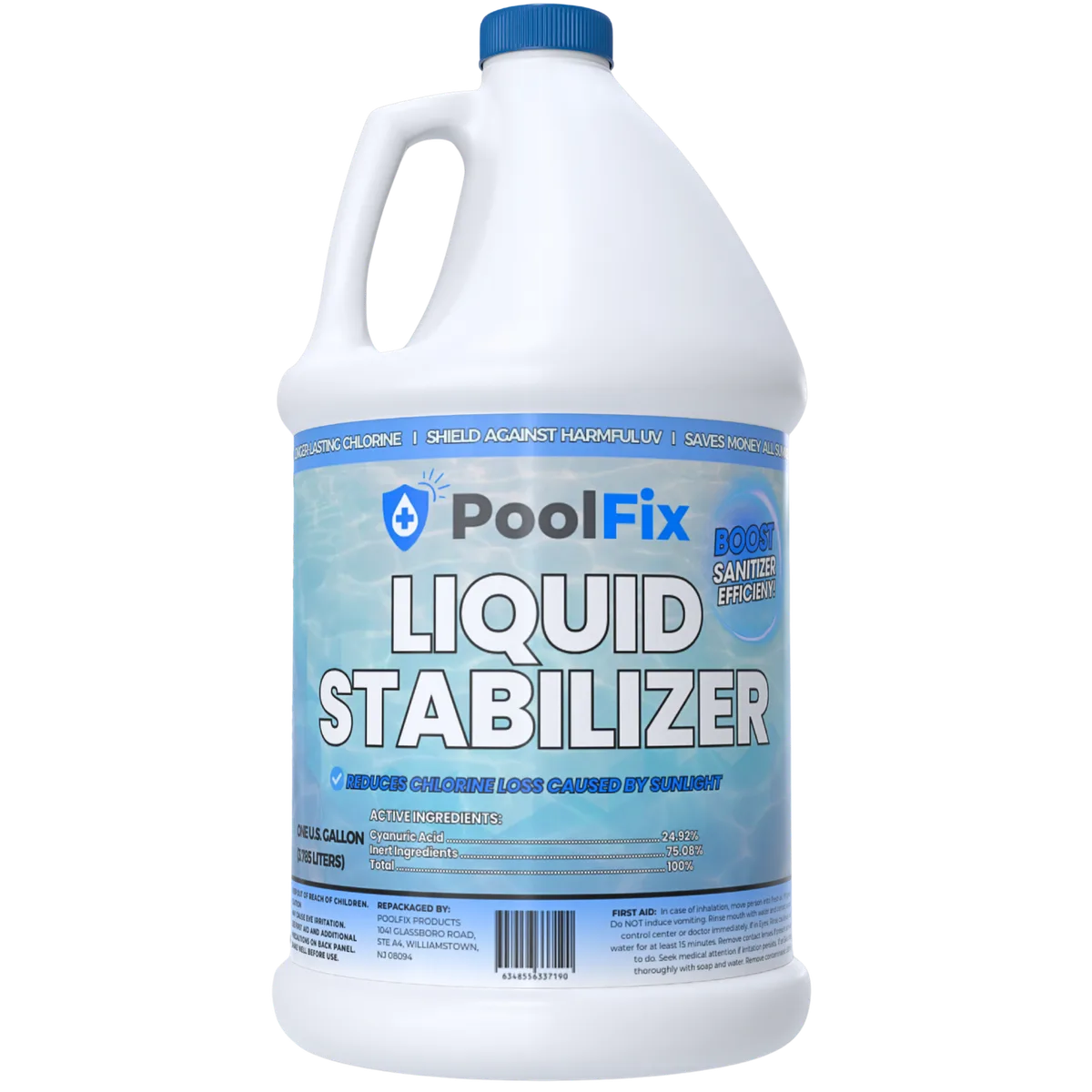
Image source: Bing (Web (fair-use with source credit))
- What is Stabilizer? Stabilizer, commonly known as cyanuric acid (CYA), is a chemical that acts like sunscreen for your pool's chlorine. It’s a chemical compound that dissolves slowly and binds with free chlorine, protecting it from being degraded by the sun's UV rays.
- Why It Matters: If your stabilizer levels are too low, the sun will eat up your chlorine way faster than you can add it. This means you’re constantly adding more chlorine, which can get expensive and is ultimately less effective.
- Ideal Levels: For pools using unstabilized chlorine (like liquid chlorine or bleach), maintaining a stabilizer level around 30-50 parts per million (ppm) is often recommended. For pools using stabilized chlorine tablets (like trichlor), the target range is usually higher, typically between 50-100 ppm. You can test for stabilizer using the same type of water testing kits you use for chlorine and pH.
- The Fix: If your stabilizer levels are low, you'll need to add a stabilizer product (usually granular cyanuric acid) to bring them up to the recommended range. Always follow the product's instructions for dosage based on your pool's volume. Adding too much stabilizer can also reduce chlorine's effectiveness, so testing and careful addition are important.
Water Balance Basics: How pH & Alkalinity Impact Chlorine
Chlorine doesn't work in isolation; it needs the rest of your pool's water chemistry to be in the right zone to function effectively. Think of it like a specialized tool that only works optimally within a certain temperature or pressure range. If your water balance is off, your chlorine will struggle to do its job, and it can get depleted much faster.
- pH Imbalance: This is a major player. If your pH is too high (alkaline, typically above 7.8), your chlorine becomes much less effective at killing bacteria and algae. At a high pH, a significant portion of your chlorine converts into hypochlorite ions, which are much weaker sanitizers than hypochlorous acid. This means the chlorine you add is essentially wasted trying to do a job it's not equipped to do efficiently.
- What's the target? For most pools, you want your pH to be between 7.2 and 7.6. This range ensures that your chlorine is as effective as possible while still being safe for swimmers.
- How to fix it: If your pH is too high, you'll need to lower it using a pH decreaser, most commonly muriatic acid or dry acid (sodium bisulfate). Always add chemicals slowly and with the pump running to ensure they circulate and don't damage your pool surfaces.
- Total Alkalinity: This is the "water's resistance to pH change." It acts as a buffer, helping to keep your pH stable. If your total alkalinity is too low (below 80 ppm), your pH can bounce around erratically. This pH volatility means your chlorine's effectiveness can fluctuate wildly, leading to it being consumed unpredictably.
- What's the target? The ideal range for total alkalinity in most swimming pools is typically 80-120 ppm.
- How to fix it: If your total alkalinity is low, you’ll need to add an alkalinity increaser, typically sodium bicarbonate (baking soda). Again, add it gradually and let the pump circulate the water to distribute the chemical evenly.
Keeping both pH and total alkalinity within their recommended ranges is crucial for allowing your chlorine to work properly and maintain its residual level in the water.
Contaminants & Consumption: What's Eating Your Chlorine?
Beyond the sun and imbalanced chemistry, there are other, more direct ways your chlorine gets used up. Anything that enters your pool water that isn't pure H2O can act as a "contaminant" that the chlorine has to deal with. When there's a lot of this "stuff," your chlorine gets depleted much faster than you might expect.
- The Swimmer Load: Every person, pet, or even a few leaves that go into the pool "uses up" chlorine. Swimmers bring in sweat, body oils, lotions, urine, and other organic compounds. Your chlorine's primary job is to break down these contaminants, sanitizing the water and making it safe. The more people swimming, the more chlorine will be consumed.
- Debris Dive: Leaves, grass clippings, pollen, dust, and insects all contain organic matter. When these fall into your pool, they start to decompose, and your chlorine has to work overtime to break them down. This process rapidly depletes your free chlorine levels.
- Organic Overload: Sometimes, the water can get contaminated with a large influx of organic material all at once. This can happen after a heavy rainstorm that washes in a lot of dirt and pollen, or if the pool has been sitting uncovered for a while. This high "organic load" can use up all the available chlorine very quickly, leaving you with a low reading.
How to Combat Consumption:
- Regular Skimming & Brushing: Make it a habit to skim leaves and debris from the surface daily. Brush your pool walls and floor at least once a week to prevent algae and dirt from settling.
- Vacuuming: Vacuuming your pool regularly, whether manually or with an automatic cleaner, removes settled debris from the bottom.
- Pool Covers: When the pool isn't in use, a pool cover is one of the best defenses. It keeps debris out, reduces evaporation, and can even help retain heat.
- Shocking: If you suspect a high organic load, or after heavy use, you may need to "shock" your pool. This involves adding a significantly higher dose of chlorine (or a non-chlorine shock) to break down accumulated contaminants and re-establish a healthy free chlorine level. Always follow product instructions carefully for shocking.
Expert Tips: Keeping Your Chlorine Levels Stable
Maintaining consistent chlorine levels in your above-ground pool is less about constant guessing and more about consistent, informed action. Once you understand the dynamics at play, you can implement a proactive maintenance routine. As of 2026, the most effective strategies continue to revolve around precise water balance and proactive management.
- Test Regularly, Test Accurately: Don't guess. Test your water at least 2-3 times per week, and daily during heavy use or hot weather. Use a reliable liquid reagent kit and follow the instructions precisely. Pay attention to free chlorine, total chlorine, and pH.
- Maintain the "Big Three":
- Free Chlorine: Aim to keep this between 1-4 ppm for ongoing sanitation.
- pH: Keep this strictly between 7.2-7.6. This is critical for chlorine efficacy.
- Stabilizer (Cyanuric Acid): Maintain this between 50-100 ppm if using stabilized chlorine. Too little and the sun burns it off; too much and it hinders chlorine's power.
- Don't Rely Solely on Tablets: Automatic chlorinators are convenient, but they can sometimes malfunction or fail to keep up with demand, especially in hot weather. Consider supplementing with liquid chlorine or granular shock when needed, or use a granular shock for a full system reset if levels drop drastically.
- Balance Before You Add Chlorine: If your pH or alkalinity is way off, adding chlorine might be less effective and the chlorine might get used up faster trying to correct other issues. Always balance pH and alkalinity first.
- Shock When Necessary: Don't wait for problems to appear. Shock your pool periodically, especially after heavy use, algae blooms, or significant debris contamination, to break down combined chlorine (chloramines) and re-establish a strong sanitizer level.
- Clean Your Filter: A dirty filter can restrict water flow, which can affect chemical distribution and overall water quality. Clean or backwash your filter according to the manufacturer's recommendations.
FAQs About Low Above-Ground Pool Chlorine
Why does my chlorine level drop overnight?
Your chlorine level can drop overnight due to ongoing sanitation needs or environmental factors. Even without swimmers, there are always low levels of contaminants entering the pool, like pollen or dust. Also, if your stabilizer (cyanuric acid) level is too low, sunlight from the previous day can continue to break down residual chlorine into the evening.
Can I use regular bleach for my pool chlorine?
Yes, you can use regular household bleach (sodium hypochlorite), but it must be unscented and free of additives. Look for bleach that is 5.25% to 6% sodium hypochlorite. It's an unstabilized form of chlorine, so you'll need to manage your cyanuric acid levels separately.
It’s also important to note that bleach can raise your pool's pH.
How much chlorine should I add to my above-ground pool?
The amount of chlorine to add depends on your pool size, the current chlorine reading, and the type of chlorine you're using. Always refer to the product label for specific dosage instructions based on gallons of water. For example, if your free chlorine is 0 ppm and your target is 2 ppm in a 10,000-gallon pool, you would add enough chlorine product to reach that level, following the manufacturer’s guidance.
Is it bad to swim in a pool with low chlorine?
Swimming in a pool with low chlorine is not ideal and can be risky. Low chlorine means the water is not being properly sanitized, allowing bacteria, viruses, and algae to grow. This can lead to skin infections, ear infections, and other health issues for swimmers.
It also means the water is more likely to become cloudy or develop algae blooms.

