

When your above-ground pool's pH is too high, it's more than just an annoyance, it can actually compromise your water's safety and clarity. This means the sanitizer you're adding might not be working as effectively as it should, potentially leaving your pool vulnerable.
Keeping your pool's pH in the ideal range, typically between 7.2 and 7.6, is crucial for both bather comfort and effective sanitation. If you've noticed your pH creeping up, especially above the recommended 7.6 mark, it's time to understand why and what to do about it.
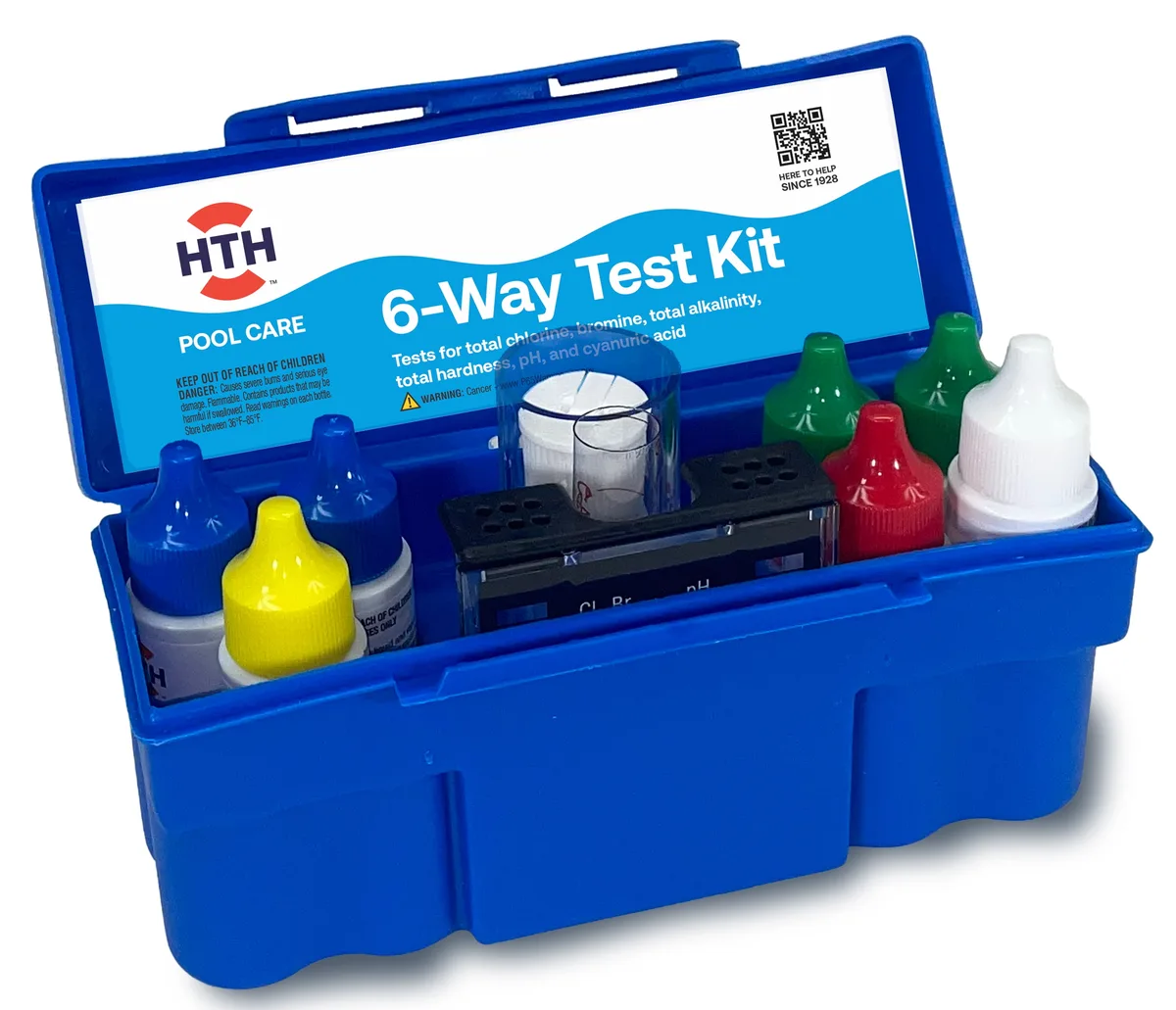
Quick Answer
Your above-ground pool’s pH is too high because of alkaline source water, over-adding alkalinity increaser, or decomposing organic matter. It can also rise as water evaporates, leaving dissolved solids behind. High pH reduces sanitizer effectiveness and can cause cloudy water.
Addressing it involves carefully adding a pH decreaser, like sodium bisulfate.
Why Is My Pool pH So High? Common Culprits
Understanding what's causing your pool's pH to rise is the first step to fixing it. It’s rarely just one thing, but usually a combination of factors.
Source Water pH
Sometimes, the water you use to fill or top off your pool naturally has a high pH. For instance, tap water in certain regions can come straight from the ground with naturally high mineral content that leads to increased alkalinity. According to the U.S.
Geological Survey (USGS), water hardness and alkalinity can vary significantly based on the geology of the area water flows through. If your fill water is consistently above 7.5 pH, it’s a prime suspect.
Additives and Over-Correction
It's easy to accidentally add too much of a good thing when you're trying to balance your pool. If you've recently added sodium bicarbonate (baking soda) to increase total alkalinity, or used a pH increaser, and your water was already on the higher side, you might have pushed the pH too far up. This is a common mistake during routine maintenance.
Organic Matter and Evaporation
As leaves, dirt, and other organic debris break down in your pool, they can sometimes contribute to higher pH levels. While not usually the sole cause, it's a factor that can nudge the chemistry in the wrong direction. Evaporation is another sneaky contributor; as pure water evaporates, dissolved solids like those that affect alkalinity are left behind, concentrating over time and slowly raising the pH.
Okay, So How Do I Bring It Down? Your Action Plan
Lowering your pool's pH requires adding an acid, but it’s essential to do this carefully and incrementally. The most common and effective chemicals for this are dry acid (sodium bisulfate) or liquid acid (muriatic acid). Always prioritize safety and read the product label instructions thoroughly before starting.
Step 1: Test Your Water Accurately
Before you add anything, grab your pool test kit or test strips. You need to know your current pH and, just as importantly, your total alkalinity. High total alkalinity (above 120 ppm) acts as a buffer, making it much harder to lower the pH.
If alkalinity is high, you'll need to address that first.
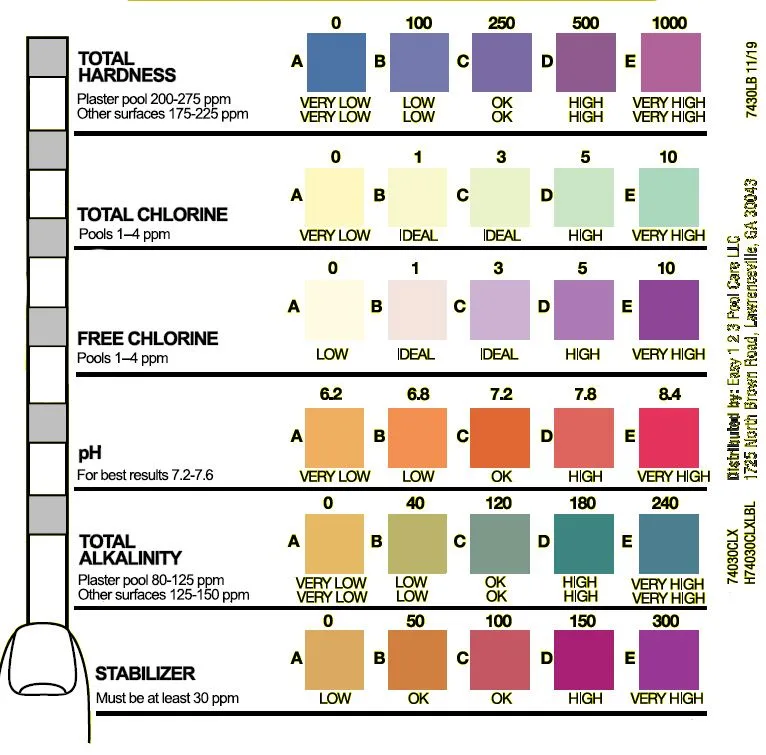
You'll want to use a reliable test kit that measures both pH and total alkalinity. Readings for ideal pH typically fall between 7.2 and 7.6, while total alkalinity should generally be between 80 and 120 ppm. Make sure your test strips or liquid reagents are not expired for the most accurate results.
Step 2: Calculate Your Chemical Needs
The amount of pH decreaser you'll need depends on your pool's volume and how high the pH is. Different products have different strengths, so always refer to the dosage chart on the chemical's packaging. Many manufacturers also provide online calculators to help you determine the precise amount.
For example, if you have a 10,000-gallon pool and your pH is 8.0, you might need a specific amount of sodium bisulfate to bring it down to 7.6. Using too little won't make a difference, but using too much can swing your pH too low.
Step 3: Safely Add the pH Reducer
Always handle pool chemicals with care. Wear gloves and eye protection when working with acids. For dry chemicals like sodium bisulfate, it’s best to dissolve them in a bucket of pool water first before slowly pouring the mixture around the pool’s edge.
Never dump dry powder directly into the pool, as it can bleach your liner.
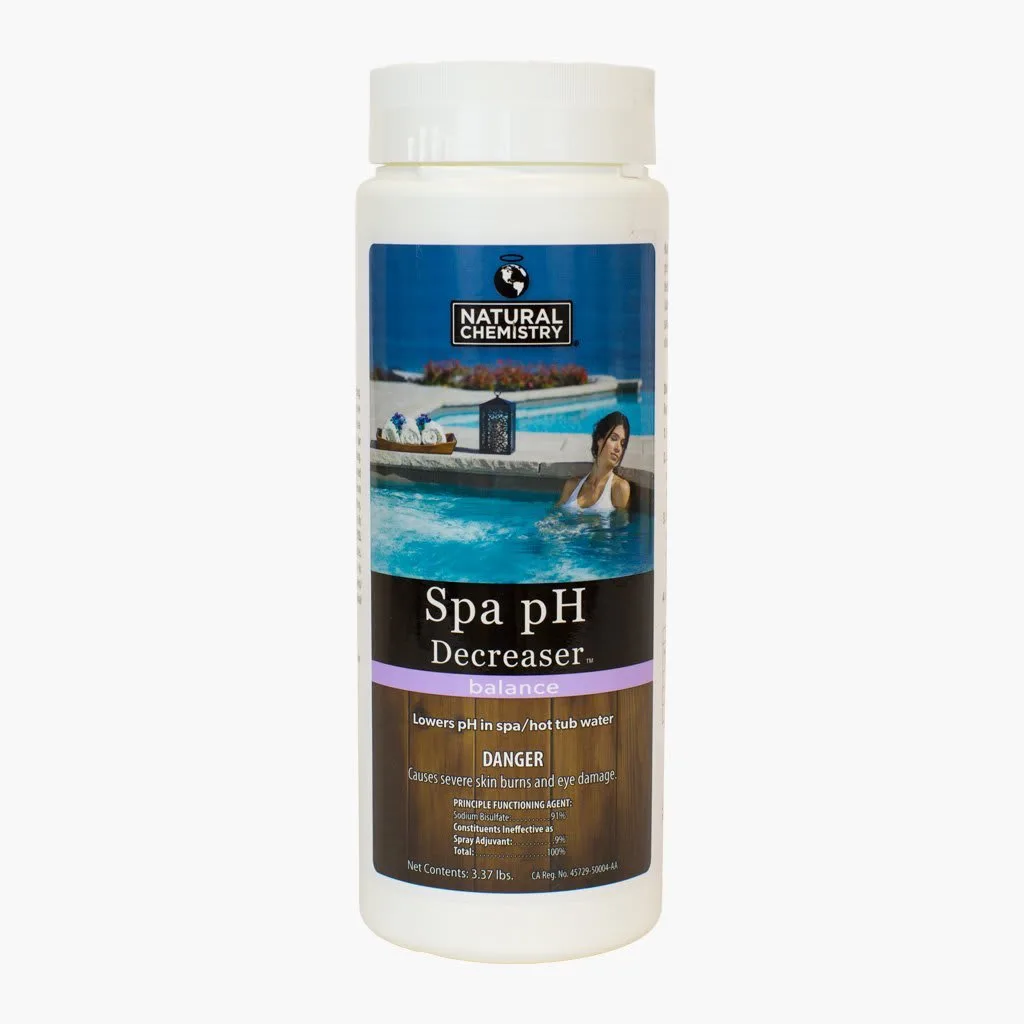
Liquid muriatic acid is more potent and requires even greater caution. Dilute it by slowly pouring it into a bucket of water (always add acid to water, never the other way around), and then gently distribute the diluted solution around the pool, avoiding skimmers and metal components.
Step 4: Circulate and Re-Test
Once you've added the chemical, let your pool pump run continuously for at least 4 to 6 hours, and ideally for a full 24-hour cycle. This ensures the chemical is thoroughly mixed throughout the entire body of water. After circulation, test your pH and total alkalinity again.
It’s common to need a couple of adjustments to get your pH perfectly balanced. Make sure to wait for the water to circulate completely before retesting and considering another dose. This gradual approach prevents overshooting the target pH.
What If My Total Alkalinity Is Also High?
High pH is often linked to high total alkalinity. Total alkalinity measures the water's ability to resist pH changes, acting like a buffer. If your total alkalinity is too high, it can make it incredibly difficult to lower your pH, and any adjustment you make to pH might quickly revert.
Understanding the Alkalinity Buffer
Think of total alkalinity as the water's "shock absorber" for pH. If it's too high, it means there are a lot of alkaline substances in the water that are actively preventing the pH from dropping. Many pool experts recommend keeping total alkalinity within the 80-120 ppm range for optimal balance and to prevent pH fluctuations.
If your tests show alkalinity significantly above this, that's where you need to focus first.
Steps to Lower Total Alkalinity
To reduce high total alkalinity, you use the same acids you'd use to lower pH: sodium bisulfate or muriatic acid. The process is similar:
- Calculate: Determine the amount of acid needed based on your pool volume and the degree to which alkalinity is high, using manufacturer guidelines.
- Add Carefully: Dissolve dry acid in water, or dilute liquid acid, and slowly add it to the pool water around the edges.
- Circulate: Let your pool pump run for at least 4-6 hours, preferably 24 hours.
- Retest: Check your total alkalinity and pH levels again. You might need to repeat this process over a few days until your alkalinity is within the target range. Once alkalinity is corrected, you can then fine-tune the pH if it's still high.
Mistakes to Avoid When Adjusting Pool pH
Getting pool chemistry right is a balancing act. Making common mistakes when trying to fix high pH can actually make things worse, leading to more problems down the line.
Over-Dosing Chemicals
The most frequent error is adding too much pH decreaser at once. This can cause your pH to plummet too low, making the water acidic. Acidic water can damage pool surfaces, equipment, and irritate swimmers' eyes and skin.
It's always better to make small, gradual adjustments and retest, rather than trying to fix the problem in one go.
Improper Chemical Mixing or Application
Never add chemicals directly to your skimmer or pour undissolved dry chemicals into the pool. Undissolved powder can sit on the pool floor and bleach or damage the liner. Similarly, when adding liquid acid, always dilute it properly first and pour it slowly around the pool's edge, away from metal fittings and the skimmer.
Neglecting to Retest
After adding any chemical, it’s crucial to allow sufficient circulation time and then retest your water. Failing to retest means you won't know if your adjustment was effective, or if you need to make further changes. This step is vital for ensuring you reach and maintain the correct chemical balance.
Expert Tips for Keeping Your Pool pH Balanced
Maintaining consistent pH levels in your above-ground pool isn't just about reacting to problems; it's about proactive care. A few simple habits can save you a lot of trouble.
Know Your Source Water
If you consistently struggle with high pH, it's worth investigating your tap water. Using a simple pH test on your hose water before it enters the pool can reveal if your incoming water is the primary culprit. If it is, consider using a filter designed to remove minerals or adjust alkalinity when you first fill the pool.
Regular Testing is Key
Testing your water two to three times a week is highly recommended, especially during warm weather when usage is high and evaporation increases. Pay close attention to both pH and total alkalinity. Catching a problem early, when it's a small deviation, is far easier and less costly than addressing a major imbalance.
Gradual Adjustments for Stability
Pool chemistry is about equilibrium. When you add chemicals, you're introducing something new that needs to integrate. Rapid, large chemical additions can shock the system.
For above-ground pools, slower, more measured adjustments tend to create a more stable and predictable water balance over the long term.
Frequently Asked Questions About High Pool pH
How often should I test my pool's pH?
You should test your pool's pH at least two to three times per week, and more frequently if you're actively making adjustments or after heavy use or rain.
Can high pH cause my pool water to be cloudy?
Yes, high pH can contribute to cloudy pool water. When pH is too high, sanitizer effectiveness decreases, and the water can become a breeding ground for algae or cause minerals to precipitate out.
What is the ideal pH range for an above-ground pool?
The ideal pH range for an above-ground pool is generally between 7.2 and 7.6. This range ensures the sanitizer works effectively and is comfortable for swimmers.
How quickly should I see results after adding pH decreaser?
After adding pH decreaser, you should allow your pool pump to circulate the water for at least 4-6 hours, and often up to 24 hours, before retesting. Significant changes may take time to become fully apparent throughout the water volume.

