

Image source: Bing (Web (fair-use with source credit))
Tackling algae in your above ground pool can feel like a constant battle, but understanding how to remove it effectively is key to enjoying crystal-clear water. Getting this right means more than just scooping out the visible gunk; it involves understanding water chemistry and using the right methods to break down and eliminate the problem.
Our research shows that when algae blooms, it's usually a sign that something is out of balance in your pool's ecosystem. For instance, maintaining a free chlorine level between 1-4 parts per million (ppm) is crucial, as recommended by many pool chemistry guidelines. Let’s break down exactly what you need to do.
Recognizing the Algae Problem in Your Above Ground Pool
It’s easy to spot when you have an algae problem, but knowing exactly what kind of algae you’re dealing with is the first and most critical step. Different types of algae require slightly different approaches, so figuring this out will save you time and effort.
What Kind of Algae Are We Dealing With?
The appearance of algae in your pool usually falls into one of three common categories, each presenting a unique challenge. Identifying which one has taken hold will guide your entire treatment plan.
- Green Algae: This is the most common type, making your pool water look cloudy and green. It can range from a slight tint to a thick, pea-soup consistency. Green algae thrives in warm temperatures and sunlight.
- Yellow (or Mustard) Algae: This is a less common but often more stubborn type. It appears as a yellow or greenish-brown slime on pool surfaces, especially in shaded areas. It’s often mistaken for pollen, but it won't brush away easily.
- Black Algae: This is the most difficult algae to eradicate. It typically shows up as dark spots or patches on the pool walls and floor, with tiny black dots that can spread. Black algae has strong root systems that anchor them firmly, making them hard to dislodge.
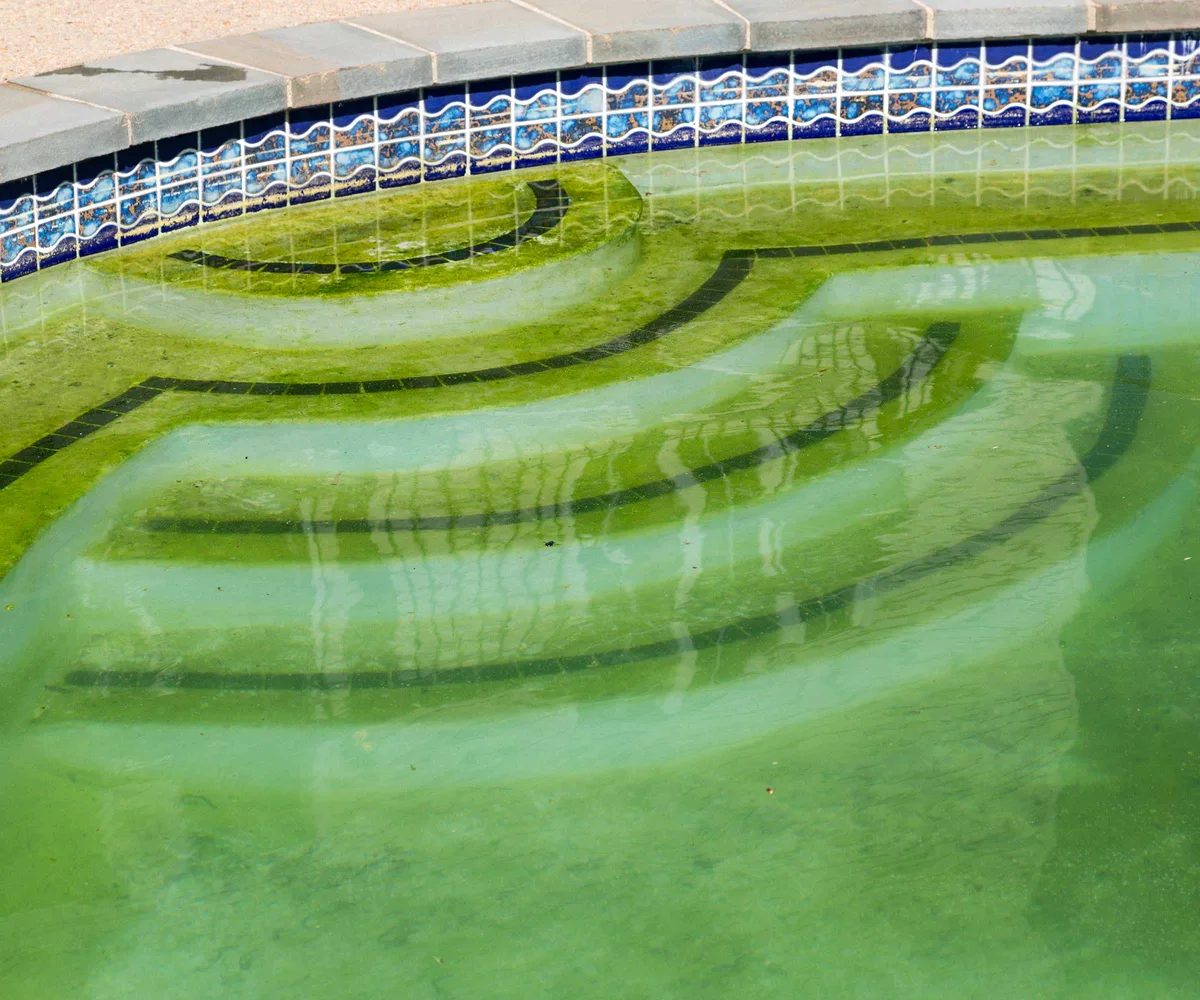
Image source: Bing (Web (fair-use with source credit))
Quick Answer: Your Algae Removal Action Plan
To remove algae from an above ground pool, you need to test and balance your water chemistry, physically scrub away the algae, shock the pool, and run the filter continuously. For tough algae, you may need a specialized algaecide and repeated filter cleaning.
The Right Tools for the Job: What You'll Need
Before you dive into treating your pool, gather the right equipment and chemicals. Having everything ready makes the process much smoother and more effective.
Essential Cleaning Equipment
You'll need a few key tools to physically remove the algae and keep your pool clean.
- Pool Brush: A stiff-bristled brush designed for your pool's liner is essential for scrubbing algae off surfaces. For stubborn spots, a metal brush might be needed on plaster or tile, but never use one on a vinyl liner.
- Pool Net/Skimmer: To remove floating debris and larger clumps of dead algae from the water's surface and floor.
- Pool Vacuum: An automatic pool cleaner or a manual vacuum attached to your filter system will be crucial for sucking up dead algae and debris after treatment. Ensure it's compatible with your above ground pool setup.
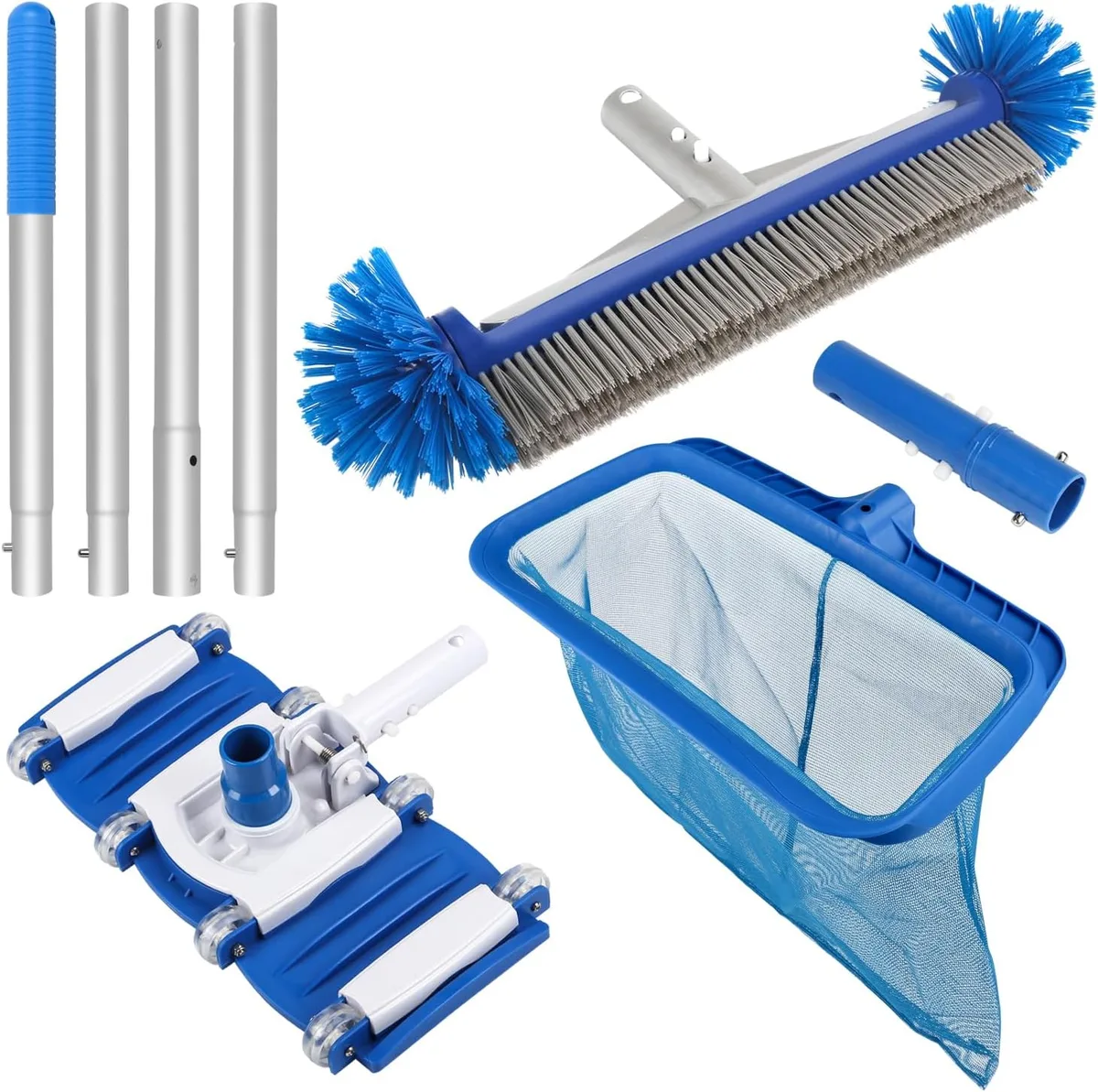
Image source: Bing (Web (fair-use with source credit))
Crucial Pool Chemicals
These are your primary weapons against algae.
- Pool Water Test Strips: Accurate readings of pH, total alkalinity, and free chlorine are non-negotiable. We recommend test strips that can measure at least these three parameters, and ideally also calcium hardness and cyanuric acid.
- Chlorine (or other sanitizer): This is your main sanitizer to kill algae. Liquid chlorine or granular shock are common choices for above ground pools.
- Algaecide: A specific treatment designed to kill and prevent algae growth. There are different types for different algae, so choose wisely based on your identification.
- pH Balancers: This includes pH increaser (soda ash) and pH decreaser (muriatic acid or dry acid). Getting pH right is vital for chlorine to work effectively.
- Alkalinity Adjuster: Typically sodium bicarbonate (baking soda) to raise total alkalinity, which helps stabilize pH.
Step-by-Step: Tackling Green, Yellow, and Black Algae
Now that you know what you're dealing with and have your tools ready, let's get to the actual treatment. Each type of algae has a slightly different battle plan.
For Green Algae: The Most Common Culprit
Green algae is usually the easiest to tackle, but it requires thoroughness.
- Test and Balance: First, test your water. Adjust your pH to the ideal range of 7.2-7.6. If your pH is too high, chlorine won't be effective. Adjust total alkalinity next, aiming for 80-120 ppm.
- Brush Vigorously: Use your pool brush to scrub all affected surfaces, walls, floor, steps. This loosens the algae and helps chemicals penetrate.
- Shock the Pool: Add a pool shock treatment. The amount depends on your pool size and the severity of the algae bloom. Follow the product's instructions carefully, usually doubling or tripling the dose for a heavy green algae bloom.
- Run the Filter: Let your pool filter run continuously (24/7) until the water clears. You’ll need to clean or backwash the filter frequently, possibly multiple times a day, as it clogs with dead algae.
- Add Algaecide (Optional but Recommended): After shocking, adding a specific green algaecide can help kill any lingering algae cells and prevent regrowth. Follow dosage instructions based on your pool's volume.
- Vacuum: Once the water is starting to clear but before the dead algae settles to the bottom, vacuum the pool. If you have a manual vacuum, consider vacuuming to waste if possible to remove dead algae directly from the system.
For Yellow (or Mustard) Algae: A Sneaky Challenge
Yellow algae is tougher than green and requires a more persistent approach. It often appears as a dusty or slimy coating, typically in shaded areas.
- Test and Balance: Similar to green algae, get your pH and total alkalinity into the correct ranges (pH 7.2-7.6, alkalinity 80-120 ppm). This ensures your chemicals work properly.
- Brush Thoroughly: Use a stiff brush to scrub all surfaces where the yellow slime appears. Yellow algae can be harder to dislodge than green, so be diligent.
- Shock with a Double Dose: Use a high dose of pool shock. For yellow algae, it’s often recommended to use double the standard shock dose to effectively kill the organism.
- Add Yellow Algaecide: A standard shock might not be enough. Use a specialized yellow or mustard algaecide, following the product's instructions for dosage and application. Some products advise adding it before shocking or after a specific waiting period, so read the label carefully.
- Run Filter and Clean Frequently: Keep the filter running 24/7. Yellow algae can be resistant, so you'll likely need to clean or backwash your filter much more often than with green algae. Check it multiple times a day if needed.
- Vacuum: Vacuum up any settled algae. Consider vacuuming to waste if your system allows, to remove dead algae from your pool and filter system more directly.
For Black Algae: The Toughest Battle
Black algae is notorious for being hard to kill because its root system anchors it deeply into pool surfaces. Patience and persistence are key here; you’ll likely need to repeat steps.
- Test and Balance: Always start by ensuring your pH (7.2-7.6) and total alkalinity (80-120 ppm) are balanced. This is non-negotiable for any effective chemical treatment.
- Physical Removal (Scrubbing/Wire Brush): You must physically scrub every single black spot. For tougher surfaces like concrete or gunite, a wire pool brush is often necessary to break the algae's grip. For vinyl liners, use a stiff nylon brush, but be extra careful not to tear the liner. You might need to get in there with a stiff brush and scrub each spot individually to dislodge it.
- Shock the Pool: After scrubbing, shock the pool with a heavy dose of chlorine. Some experts recommend shocking the area directly over the black spots if possible, aiming for high concentration.
- Use Black Algae Treatment: A strong algaecide specifically designed for black algae is almost always required. Follow product instructions precisely. Some treatments involve adding the algaecide directly to the spots after brushing.
- Run Filter Continuously & Clean: The filter will work overtime. Be prepared to backwash or clean it daily, possibly multiple times, as dead black algae cells are released. The filter is critical for removing these suspended particles.
- Vacuum Regularly: Vacuum up any dislodged algae, vacuuming to waste if you can to remove it from the system.
- Repeat Treatments: Black algae often requires multiple rounds of scrubbing, shocking, and chemical treatment. Don't get discouraged if it doesn't disappear after the first attempt; persistence is your greatest ally.
Balancing Act: Getting Your Pool Water Chemistry Right (Continued)
Chemical balance is the foundation of a healthy pool and is absolutely critical for effectively killing algae and preventing its return. If your chemicals are off, your treatments won't work as well, or at all.
Testing and Adjusting pH and Alkalinity
Your pool's pH level indicates how acidic or basic the water is, and it directly impacts how well your sanitizer works.
- Ideal pH: For most pools, the ideal pH range is 7.2 to 7.6. This range ensures chlorine is most effective at killing algae and bacteria, and it's also comfortable for swimmers. Manufacturers of pool chemicals often specify this range.
- Why it Matters: If your pH is too high (above 7.8), chlorine becomes significantly less effective, essentially turning it into a weak sanitizer. If it's too low (below 7.0), the water can become corrosive, damaging pool surfaces and equipment.
- How to Adjust:
- To Lower pH: Use a pH decreaser, such as muriatic acid or a dry acid (sodium bisulfate). Add it slowly and in small amounts, re-testing after each addition. Always follow the product's safety and dosage instructions.
- To Raise pH: Use a pH increaser, like soda ash (sodium carbonate). Again, add it gradually and re-test.
Total alkalinity acts as a buffer for your pH, helping to keep it stable.
- Ideal Alkalinity: For above ground pools, aim for a total alkalinity of 80 to 120 parts per million (ppm).
- Why it Matters: Low alkalinity means your pH can swing wildly with small changes, making it hard to maintain. High alkalinity can make pH difficult to adjust.
- How to Adjust:
- To Raise Alkalinity: Add sodium bicarbonate (baking soda).
- To Lower Alkalinity: This is more complex and often involves adding an acid to lower pH, then re-raising the pH. Always follow detailed guides for this process to avoid overcorrection.
Restoring Proper Chlorine Levels
Chlorine is the primary sanitizer that oxidizes and kills algae. Getting the right level is crucial, especially when treating a bloom.
- Free Chlorine Levels:
- Maintenance: 1-4 ppm
- During Algae Treatment (Shocking): You'll need to raise levels much higher, often to 10-30 ppm or more, depending on the severity and type of algae. This is often called "shocking" the pool.
- Why It's Important: Insufficient chlorine allows algae to grow unchecked. Over-chlorination can damage equipment and be harsh on swimmers, but it's often necessary for a short period to kill stubborn algae.
- How to Shock:
- Choose Your Shock: Common options include calcium hypochlorite (granular shock) or liquid chlorine (sodium hypochlorite). Ensure the product is suitable for your pool type.
- Calculate Dosage: Follow the product's instructions for your pool's volume and the severity of the algae. For a green or yellow bloom, you'll likely need a higher dose than for routine sanitation. For black algae, you'll need the highest dose.
- Add Carefully: It's best to add shock in the evening to prevent UV rays from breaking it down too quickly. Pour it slowly around the perimeter of the pool, avoiding direct contact with the liner if possible, especially with granular shock which can bleach vinyl.
- Run the Filter: Keep the pool pump running continuously after shocking to circulate the water and distribute the chemicals.
Filter Care and Maintenance: Keeping It Clean
Your pool filter is the unsung hero in algae removal. It traps dead algae and debris, but it can quickly become overwhelmed.
When and How to Backwash or Clean Your Filter
Regular filter maintenance is essential, especially during an algae treatment.
- Backwashing (Sand and DE Filters): This process reverses the flow of water through the filter, flushing out trapped debris and sending it out through your waste line.
- When to Backwash: Watch your filter's pressure gauge. When the pressure reads 8-10 psi (pounds per square inch) above its clean running pressure, it's time to backwash. You'll also need to backwash frequently (possibly daily) when treating a severe algae bloom.
- How to Backwash: Turn off the pump. Set the multiport valve to "Backwash." Turn the pump back on and run until the water in the sight glass runs clear. Turn off the pump, set the valve to "Rinse" (if applicable) and run for another minute. Turn off the pump, set the valve back to "Filter," and turn the pump on.
- Cleaning Cartridge Filters: Cartridge filters are cleaned by removing the cartridge and hosing it down thoroughly.
- When to Clean: Similar to backwashing, clean when the pressure gauge indicates it's needed, or at least once a season. During algae treatment, you might need to clean it every few days.
- How to Clean: Turn off the pump. Remove the cartridge. Rinse it thoroughly with a garden hose, using a gentle spray to avoid damaging the pleats. For stubborn dirt, a filter cleaner solution can be used. Ensure the cartridge is completely dry before reinstalling if you've used a cleaner.
Recognizing When Your Filter Needs Attention
Your filter's pressure gauge is your best friend here.
- High Pressure: A reading 8-10 psi higher than the clean filter pressure indicates it's clogged and needs cleaning or backwashing. This is a key indicator during algae cleanup.
- Low Pressure: If the pressure drops significantly below normal, it could mean there's a blockage before the pump or a problem with the pump itself.
- Cloudy Water Despite Filter: If your water remains cloudy for more than 24 hours after shocking and the filter is clean, it might indicate the filter media is old and no longer effective, or you have a type of algae that’s resistant to standard treatments.
Avoiding Algae Comeback: Prevention is Key
Once you've successfully cleared your pool of algae, the real work begins: keeping it from coming back. Consistent, proactive maintenance is your best defense.
Regular Maintenance Habits
Small, consistent actions go a long way in preventing future algae outbreaks.
- Daily Skimming: Skim the surface of your pool daily to remove leaves, bugs, and other organic debris that can feed algae. This simple step reduces the available nutrients for algae.
- Run Your Filter: Keep your filter running for at least 8-12 hours a day during swimming season. For above ground pools, this is especially important as their filtration systems are often smaller and may require longer run times.
- Weekly Water Testing: Test your water chemistry at least once a week, and adjust as needed. Don't wait for problems to appear; proactive testing catches issues early.
- Brush Weekly: Even without visible algae, give your pool surfaces a weekly brush to prevent any microscopic growth from taking hold and developing into a larger problem.
- Clean Your Filter Regularly: Stick to a schedule for backwashing or cleaning your filter, not just when pressure indicates it's necessary. A clean filter works more efficiently.
Seasonal Algae Prevention Tips
Think about your pool's needs throughout the year for optimal algae prevention.
- Pre-Season Prep: Before opening your pool for the season, ensure it’s clean and your equipment is working correctly. Test and balance your water before you start using it, as starting with balanced water makes ongoing maintenance easier.
- During the Season: Maintain those daily and weekly habits religiously. Keep an eye on water temperature; warmer water encourages algae growth, so increased vigilance is needed during hot spells.
- Post-Season Closing: Properly winterize your pool according to manufacturer guidelines. This often involves cleaning the pool thoroughly, balancing chemicals, and lowering the water level to prevent damage. Leaving organic debris or unbalanced water can lead to algae problems when you reopen in the spring.
Frequently Asked Questions About Pool Algae Removal
What's the fastest way to get rid of green algae?
The fastest way involves a combination of vigorous brushing, a high dose of pool shock (super-chlorination), and running your filter 24/7, cleaning it as needed. Adding a specific green algaecide alongside the shock can speed up the process.
Can I swim in my pool while shocking it for algae?
No, it's generally not safe to swim in a pool that has been shocked with a high dose of chlorine. Wait until your free chlorine levels have dropped back into the safe swimming range of 1-4 ppm. This can take anywhere from 12 to 48 hours.
How often should I test my pool water when dealing with algae?
When actively treating an algae bloom, you should test your water at least daily, sometimes more often. Once the algae is gone and the water is clear, you can return to testing once or twice a week.

