

Image source: Bing (Web (fair-use with source credit))
Discovering unexpected yellow in your above ground pool water can be a real bummer, especially when you're looking forward to a refreshing dip. That discolored tint isn't just an eyesore; it often signals an imbalance in your pool's chemistry or the presence of something that shouldn't be there. Getting to the bottom of why your water is yellow is the first step to restoring clarity and ensuring a safe, enjoyable swimming experience.
In our research, we've found that the most common causes fall into a few key categories: organic debris, chemical imbalances, and sometimes, metals. For instance, the Pool & Hot Tub Alliance recommends maintaining free chlorine levels between 1 and 3 parts per million (ppm) to keep water clear and safe. When that yellow hue appears, it’s time to get your water testing kit out and start troubleshooting.
Quick Answer: Common Culprits Behind Yellow Pool Water
Your above ground pool water might be yellow due to organic contaminants, chemical imbalances, or dissolved metals like copper or iron. These can come from natural sources, poor water balance, or issues with your pool equipment. Addressing these underlying causes is key to restoring clear water.
Is It Just Organic Stuff or Something Else? Decoding Yellow Water
That yellow tint you're seeing in your above ground pool water usually comes down to a few main suspects. It's rarely just one thing, but understanding the possibilities helps us tackle it. Think of it like a detective story: we gather clues from your water test results to figure out the culprit.
Understanding Pool Water Chemistry Basics
At the heart of a clear pool is balanced water chemistry. This means keeping key levels within their ideal ranges. When these levels are off, it’s like a domino effect, and yellow water can be one of the first signs.
- pH: This measures how acidic or basic your water is. The ideal range for pool water, recommended by most manufacturers and industry standards like those from the Pool & Hot Tub Alliance, is between 7.2 and 7.6. If your pH is too high (alkaline), it can make chlorine less effective, allowing contaminants to build up and potentially cause yellowing. If it's too low (acidic), it can corrode equipment.
- Alkalinity: Total alkalinity acts as a buffer for your pH, preventing it from swinging wildly. The typical target range is 80 to 120 parts per million (ppm). If alkalinity is too low, your pH will be unstable. If it's too high, pH can become difficult to adjust.
- Chlorine: Chlorine is your sanitizer, killing bacteria and algae. Free chlorine is the active form that does the work. The Pool & Hot Tub Alliance suggests a free chlorine range of 1 to 3 ppm. Low chlorine means algae or other microorganisms can start to grow, and some types can indeed give water a yellowish hue. High chlorine, on the other hand, can sometimes react with other substances to cause temporary discoloration.
Keeping these three in check is foundational. We'll look at how to test them in a bit, but first, let's consider if your water's chemistry is balanced enough to handle other issues.
The Role of Metals in Yellowing Pool Water
Sometimes, the yellow color isn't from microscopic living things or a simple pH dip. It can be from metals that have dissolved into your pool water. This is a common problem, especially if your water source has high mineral content or if you have certain types of pool equipment.

Image source: Bing (Web (fair-use with source credit))
- Copper: Often introduced through copper-based algaecides or corrosion of copper-containing plumbing or heat exchangers, copper can turn pool water a yellow or even greenish-blue tint. It's particularly noticeable when chlorine levels are low, as chlorine can oxidize the copper, causing it to precipitate out and color the water.
- Iron: Iron in your water source (well water is a common culprit) or from rust within your pool system can also lead to yellow or brown discoloration. Unlike copper, iron often appears as a more distinct yellow or brown, and it can stain pool surfaces.
- Manganese: Less common, but manganese can also cause a yellow to brown or even black tint.
Testing for metals requires specific test strips or kits that go beyond standard chemical balancing. If your water tests positive for elevated metal levels, you'll need a different approach than just adjusting pH and chlorine. We'll cover how to deal with metals later in the troubleshooting workflow.
Your Yellow Pool Water Troubleshooting Workflow
Okay, so you've spotted that unwelcome yellow. Don't panic! We can systematically figure out why it's happening and how to fix it.
This workflow is designed to guide you through the process, just like a seasoned pool technician would.
Step 1: Test Your Water (What the Readings Mean)
This is your starting point, no exceptions. You can't fix what you don't understand, and your water test kit is your crystal ball here. Get out your test strips or liquid test kit.
If you don't have one, getting a good quality kit is your first purchase. For above ground pools, a simple liquid reagent kit or reliable test strips that measure pH, total alkalinity, and free chlorine are essential.
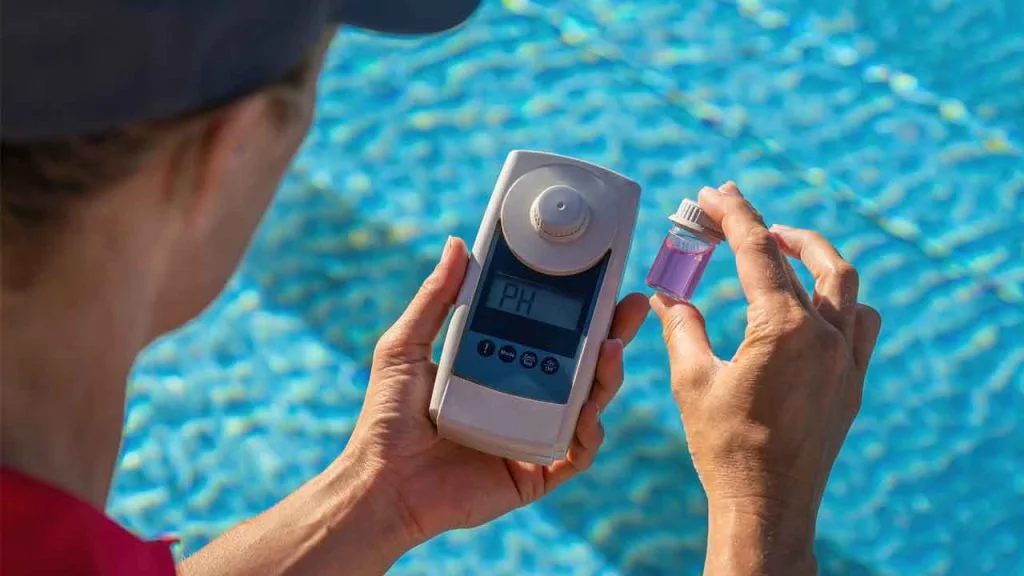
Image source: Bing (Web (fair-use with source credit))
What to look for:
- pH: Is it in the 7.2, 7.6 range?
- Total Alkalinity: Is it between 80, 120 ppm?
- Free Chlorine: Is it between 1, 3 ppm?
If any of these are significantly out of whack, that's your primary clue. For example, if your chlorine is very low (like 0 ppm) and your pH is high (above 8.0), it's a strong indicator that your sanitizer isn't working effectively, allowing contaminants to build up and potentially cause yellowing. If your metals are high, a standard chemical test won't show it.
You'll need a specific metal test kit for that.
Step 2: Address Chemical Imbalances (pH, Alkalinity, Chlorine)
Once you have your test results, you can start making adjustments. This is where you'll use your pool chemicals. Always add chemicals one at a time, allowing the water to circulate for a few hours between additions, and follow the manufacturer's instructions precisely for dosage.
- If pH is High: Use a pH decreaser (typically muriatic acid or sodium bisulfate). Add it slowly and in small increments, retesting after a few hours.
- If pH is Low: Use a pH increaser (typically sodium carbonate, soda ash). Again, add slowly and retest.
- If Alkalinity is Low: Use an alkalinity increaser (typically sodium bicarbonate, baking soda). This raises alkalinity and will also slightly raise pH.
- If Alkalinity is High: Use a pH decreaser to lower both alkalinity and pH, then re-adjust pH if needed.
- If Chlorine is Low: Add your chosen chlorine sanitizer (liquid chlorine, granular chlorine, or chlorine tablets if you use a floater). Follow dosage instructions based on your pool's volume.
It's important to get these core levels right because they affect how well your sanitizer works. You can't effectively kill algae or prevent organic buildup if your water chemistry is off.
Step 3: Tackle Metals If Present
If your initial water tests for pH, alkalinity, and chlorine were okay, or if you suspect metals based on your water source or equipment, it's time to test specifically for them. Many pool supply stores sell metal test kits, or you might need specialized test strips.
- If Metals Test High: You'll need a metal sequestrant or chelating agent. These chemicals bind to the metal ions, preventing them from causing further discoloration or staining. Follow the product's instructions carefully. You'll likely need to add it and then run your filter continuously for 24, 48 hours.
- Shock Treatment: Sometimes, a strong shock treatment (super-chlorination) can help break down some metal compounds, especially if copper is the issue. However, this should be done cautiously and after addressing other chemical imbalances. Always follow the instructions for your specific shock product.
- Filter Cleaning: Metals can sometimes clog your pool filter. If you suspect metals, ensure your filter is clean and functioning optimally. You might need to backwash (for sand or DE filters) or clean your cartridge filter.
Dealing with metals can take patience. You may need multiple treatments to fully remove them from the water and prevent recurrence.
Step 4: Deal with Organic Contaminants
Even with balanced chemistry, sometimes organic materials can sneak in and cause issues. This could be anything from pollen and leaves to fine dust and dirt. If your yellowing is accompanied by cloudiness or a general lack of sparkle, organic debris could be a factor.
- Skimming and Brushing: Regularly skim the surface of your pool to remove floating debris. Brush the pool walls and floor to dislodge anything that has settled. This helps move debris towards your skimmer and main drain.
- Filter Performance: Make sure your filter is clean and running for an adequate amount of time each day (typically 8-12 hours for an above ground pool). A dirty or inefficient filter can't trap small particles effectively.
- Water Clarifier: If debris is particularly fine or your filter is struggling, a water clarifier can help. Clarifiers work by clumping together small particles, making them large enough for your filter to catch. Always use clarifiers as directed on the product label.
- Algae Bloom: While not always yellow, some early or specific types of algae can present as a yellowish tint. If you suspect algae, an algaecide might be needed in addition to proper chlorine levels. However, fixing the underlying chemical balance is always the best preventative measure.
When to Bring in the Pros: Recognizing Serious Issues
While most yellow water issues are manageable with a little testing and some common pool chemicals, there are times when it’s best to call in a professional. If you've tried the troubleshooting steps and your water is still yellow, or if the problem seems to be worsening rapidly, it might be time to reach out.
This is especially true if you suspect a major equipment malfunction. For example, if your pool pump isn't running correctly, or if you have a leak that's introducing contaminants, these are problems that often require expert diagnosis and repair. Also, if you’re dealing with persistent metal staining or a very stubborn chemical imbalance, a professional has access to stronger treatments and specialized diagnostic tools.
Don't hesitate to ask for help if you're feeling overwhelmed or the DIY approach isn't yielding results.
Common Mistakes That Lead to Stubborn Yellow Pool Water
Even with the best intentions, there are a few common missteps that can make solving yellow pool water a frustrating, ongoing battle. Knowing these pitfalls can help you avoid them and get your pool back to crystal clear faster.
- Ignoring Water Testing: The biggest mistake is guessing. Many people will just add chemicals randomly, hoping something works. Without accurate test results, you're just throwing chemicals into the water blindfolded. This can worsen the problem, waste money, and even create dangerous conditions.
- Over-reliance on Algaecides: While algaecides can be helpful, they aren't a fix for poor water chemistry. If your chlorine is low or pH is out of whack, an algaecide might kill some algae but won't prevent it from returning. It's like using a band-aid when you need stitches.
- Adding Chemicals Incorrectly: Dumping chemicals directly into the pool or adding them in the wrong order can cause immediate problems. Always dilute and add chemicals slowly, following manufacturer instructions for your specific product and pool size. Never mix different pool chemicals together.
- Not Running the Filter Long Enough: Your pool filter is essential for removing debris and clarifying water. If you're not running it for at least 8, 12 hours a day, or if it's dirty and clogged, it can't do its job, leaving contaminants to cause discoloration.
- Using the Wrong Test Strips/Kits: Some cheaper test strips can be inaccurate. If you're consistently getting strange results or no results, invest in a reputable liquid reagent test kit or high-quality test strips. Make sure they test for the parameters you need, including metals if you suspect them.
- Ignoring Equipment Maintenance: A faulty pump, a clogged skimmer basket, or a dirty filter can all contribute to water quality issues, including yellowing. Regular maintenance of your pool equipment is just as important as balancing the chemicals.
Pro Tips for Keeping Your Above Ground Pool Crystal Clear
Preventing yellow water in the first place is always easier than fixing it. By adopting a few good habits, you can keep your above ground pool looking its best all season long. These are the practices that experienced pool owners swear by.
- Test Regularly: Aim to test your water at least 2, 3 times a week, and daily if you're actively treating a problem. This helps you catch imbalances before they become visible issues like yellowing.
- Balance Chemicals First: Before adding anything else, ensure your pH and total alkalinity are within their ideal ranges. This makes your sanitizer much more effective.
- Maintain Proper Chlorine Levels: Keep your free chlorine in the 1, 3 ppm range consistently. This is your primary defense against algae and bacteria that can discolor your water.
- Shock Periodically: Even without obvious problems, a weekly shock treatment (super-chlorination) can help break down organic contaminants and keep your water sparkling.
- Clean Your Filter: Make sure to backwash or clean your pool filter regularly according to the manufacturer's recommendations. A clean filter is a happy filter that keeps your water clear.
- Consider Metal Preventatives: If you have a history of metal issues or have well water, consider using a metal sequestrant regularly, even when your water looks clear. This acts as a preventative measure.
- Cover Your Pool: When not in use, covering your pool can significantly reduce the amount of organic debris, dust, and other contaminants that enter the water.
By staying on top of these simple practices, you'll enjoy consistently clear and inviting pool water, saving yourself the hassle and expense of constant treatments.
How to Get the Most Out of Your Pool Chemicals
Using pool chemicals effectively is key to maintaining clear, safe water. It’s not just about having the right chemicals; it’s about knowing how and when to use them, and understanding their limitations. Always read and follow the manufacturer's instructions on the product label for dosage, application, and safety precautions.
- Dosage Matters: Using too much of a chemical can be just as bad as using too little. It can lead to its own set of problems, including skin irritation, damage to pool surfaces, and a waste of money. Always calculate dosages based on your pool's volume, which you can usually find in your pool’s manual or by measuring its dimensions.
- Sequencing is Important: Some chemicals react with each other. For example, adding a pH increaser and a pH decreaser at the same time is counterproductive and potentially dangerous. It’s generally best to adjust pH and total alkalinity first, then add your sanitizer, and finally use specialty treatments like clarifiers or metal sequestrants. Always allow water to circulate for several hours between adding different types of chemicals.
- Circulation is Crucial: After adding any chemical, ensure your pool pump is running to circulate the water. This helps distribute the chemical evenly throughout the pool, allowing it to work effectively and preventing concentrated areas that could cause damage. Aim for continuous circulation for at least 8, 12 hours per day.
What to Do When Simple Fixes Don't Work
Sometimes, despite your best efforts and following all the right steps, that yellow tint just won't budge. This is when you might need to dig a little deeper or consider if there’s an underlying issue you’ve overlooked. Persistence is key, but so is knowing when to rethink your approach.
If you've balanced your pH, alkalinity, and chlorine, tested for metals and treated if necessary, and still see yellow, consider these possibilities:
- Type of Contaminant: Not all organic matter or metals behave the same. Some can be stubborn, requiring prolonged treatment or specific products.
- Filter Efficiency: Is your filter truly clean and working at peak performance? A clogged or aging filter might not be removing fine particles effectively, even after clarifier treatment.
- Water Source Issues: If you consistently battle metal discoloration, your incoming water supply might be the persistent source. This could require a whole-house water filter or specialized continuous treatment.
If you're unsure about the cause or the correct treatment, it's wise to consult a pool professional. They have advanced testing equipment and experience with a wider range of pool problems.
Understanding Different Types of Pool Clarifiers and Metal Sequestrants
When standard chemical balancing isn't enough, you might turn to specialized products like clarifiers and metal sequestrants. These are designed to tackle specific problems that basic sanitizers can't. Using the right product for the right job is critical.
Pool Clarifiers: How They Work
Clarifiers are fining agents that help make cloudy or slightly discolored water clear again. They work by causing tiny particles that are too small for your filter to catch to clump together. These larger clumps can then be easily trapped by the filter or sink to the bottom of the pool to be vacuumed.
- Types: Clarifiers come in liquid or granular form. Some are formulated for general cloudiness, while others are specifically designed for certain types of debris.
- Application: You typically add a dose to the pool water, let it circulate for a set period (often 12, 24 hours), and then run your filter. For very cloudy water, you might need to vacuum up the settled debris afterwards.
- When to Use: They are most effective for general cloudiness caused by fine organic particles, dust, or pollen that your filter can't handle on its own.
Metal Sequestrants: Your Defense Against Metal Stains
If your yellow water is due to dissolved metals like copper or iron, a metal sequestrant is your primary tool. These chemicals essentially "lock up" the metal ions, preventing them from oxidizing and causing stains or discoloration.
- Active Ingredients: Common ingredients include phosphonates or other chelating agents.
- Preventative and Reactive Use: You can use metal sequestrants as a preventative measure if your water source is known to have high metal content, or as a reactive treatment to remove existing discoloration and staining.
- Dosage and Circulation: Follow product instructions carefully. They often require continuous filter operation for 24, 48 hours after addition to be most effective. You may need to repeat treatments for severe metal issues.
Remember, both clarifiers and sequestrants are supplements to, not replacements for, proper water balancing and sanitation.
Pool Water Yellowing: Common Scenarios and Solutions
Let's look at a couple of typical situations to see how the troubleshooting workflow plays out. These scenarios illustrate how different causes lead to the same yellow symptom and how the solutions vary.
Scenario 1: The "Dusty Pollen" Yellow
- Problem: It's springtime, and a fine layer of yellow pollen has landed on your pool surface and is starting to make the water look slightly yellow and hazy. Your initial tests show pH is a bit high (7.8) and chlorine is low (0.5 ppm).
- Diagnosis: High pH is reducing chlorine's effectiveness, and the pollen is organic matter that's not being neutralized.
- Solution:
- Add pH decreaser to bring pH down to 7.4.
- Once pH is stable, add chlorine to bring free chlorine up to 2-3 ppm.
- Skim the surface to remove excess pollen.
- Run the filter continuously.
- If cloudiness persists, consider a clarifier after chemical levels are stable.
Scenario 2: The "Well Water Metal" Yellow
- Problem: You've recently filled your above ground pool with water from your well. Within a few days, the water has developed a distinct yellow tint, and your chemical tests show pH and chlorine are within range.
- Diagnosis: The well water likely contains dissolved iron or copper.
- Solution:
- Test specifically for metals using a metal test kit.
- If metals are present, add a metal sequestrant according to the product's instructions for your pool volume.
- Ensure your filter is clean and run it 24/7 for at least 48 hours.
- You may need to brush any slight staining that appears on the pool walls.
- Consider using a preventative metal treatment regularly if you continue to use well water.
These scenarios highlight how vital accurate testing is. The fix for pollen is different from the fix for well water metals, even though the symptom (yellow water) is the same.
Frequently Asked Questions About Yellow Pool Water
What's the quickest way to fix yellow pool water?
The quickest fix depends on the cause. If it's due to low chlorine and organic matter, a shock treatment (super-chlorination) combined with running your filter continuously can help. If metals are the issue, a metal sequestrant is needed.
Always test first to confirm the cause before applying any treatment.
Can I swim in yellow pool water?
It's generally not recommended to swim in yellow pool water. The discoloration indicates an imbalance that could affect water quality. It might mean low sanitizer levels, making the water unsafe, or the presence of contaminants that could irritate your skin or eyes.
How often should I test my pool water?
As a general rule, test your pool water at least two to three times per week. During heavy use, after rainstorms, or when treating a problem like yellow water, it's best to test daily until the levels are stable and the water is clear.

