

So, you've got that lovely above-ground pool, and you're just dreaming of crystal-clear water all summer long. But then, bam! You wake up one morning, and it's looking a little… swampy.
Yep, that dreaded green tinge. It’s super common, and honestly, it's not the end of the world. Think of it like a little puzzle we need to solve to get your pool back in tip-top shape.
Keeping your pool water clear and inviting means staying ahead of microscopic invaders. Our research indicates that maintaining specific chemical balances, like keeping Free Chlorine levels between 1-3 parts per million (ppm), is a key factor. Without the right chemistry and a functioning filtration system, algae can quickly take over, turning your sparkling pool into a murky mess.
Quick Answer
To keep an above ground pool from turning green, regularly test and balance your water chemistry, especially pH and chlorine. Run your filter system adequately to circulate and clean the water. Brush pool surfaces weekly.
Shock the pool if algae appears.
Why Your Above Ground Pool is Turning Green
When that tell-tale green hue starts to appear in your above-ground pool, it’s a pretty clear sign that algae have decided to set up camp. Algae are microscopic organisms that thrive in warm, stagnant water with improper chemical balance and insufficient filtration. They can multiply rapidly, turning your pool from a clear oasis into something resembling a pond.
Several factors contribute to this, but the most common culprit is a lack of effective sanitation, meaning your sanitizer, usually chlorine, isn't present in high enough concentrations to kill the algae spores.
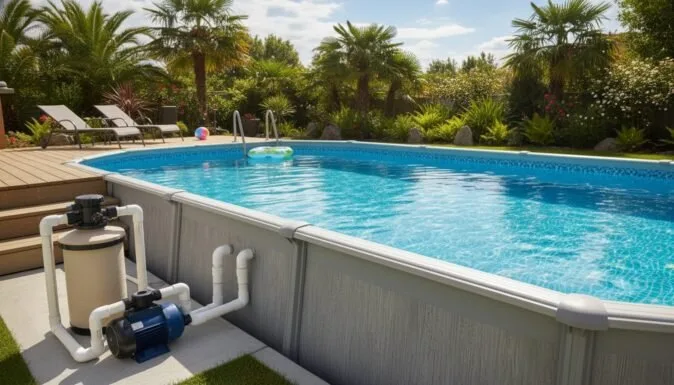
Image source: Bing (Web (fair-use with source credit))
In our research, we've found that a combination of factors usually leads to an algae bloom. It’s rarely just one thing. For instance, if your Free Chlorine level drops below 1 ppm, algae can start to grow.
Then, if your pool filter isn't running long enough or is clogged, it can't remove the algae or debris that feeds them. This creates a perfect storm for green water.
Your Pool Turning Green: What It Means
A green pool isn't just unsightly; it's a signal that your pool's ecosystem is out of whack. The green color itself comes from different types of algae, like green algae, which is the most common. Other types can make your pool look yellow, brown, or even black.
Regardless of the color, the underlying issue is usually a combination of insufficient sanitizer, poor water balance, and inadequate filtration. Manufacturer specifications for pool care consistently highlight that a properly chlorinated and filtered pool is the first line of defense against these unwanted guests.
When you see green, it’s important to remember that algae spores are always present in the environment, waiting for the right conditions to bloom. If your water chemistry isn’t ideal, or if your filtration system is struggling, these spores will find a place to grow. For example, if your Cyanuric Acid (CYA) level is too high, it can bind up your chlorine, making it less effective at killing algae even if the test kit shows a reading.
How to Test Your Pool Water Chemistry
Testing your pool water is arguably the most critical step in keeping it clear and healthy. You can't fix a green pool or prevent one from forming if you don't know what's going on with your water's chemical balance. This isn't just about adding chemicals blindly; it's about understanding the specific needs of your pool water at any given time.
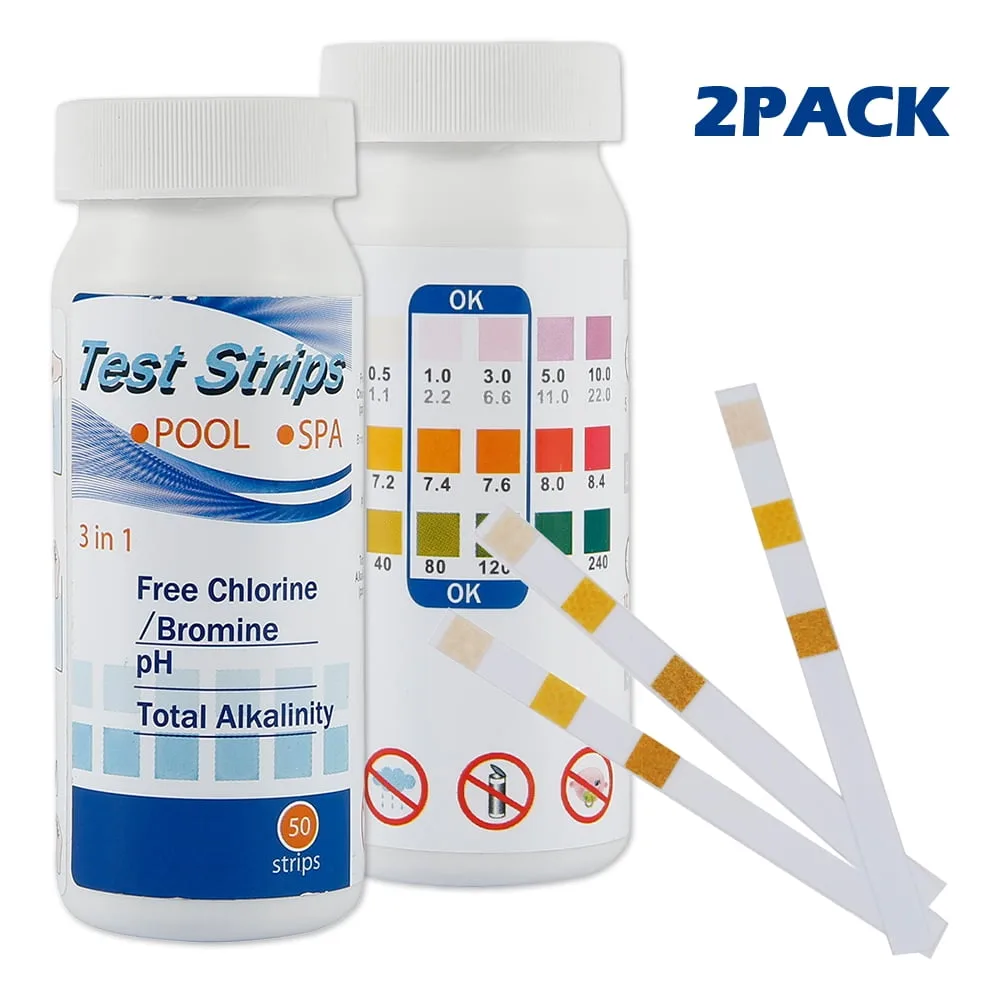
Image source: Bing (Web (fair-use with source credit))
The Essential Tests: pH, Alkalinity, and Chlorine
To effectively manage your pool water, you’ll want to focus on a few key chemical readings. These are the foundational elements that dictate how well your sanitizer works and how comfortable the water is for swimmers.
- pH: This measures how acidic or basic your water is. The ideal range for pool water, according to many industry standards, is between 7.2 and 7.6. If your pH is too high, chlorine becomes much less effective, which is a major contributor to algae growth.
- Total Alkalinity (TA): This acts as a buffer for your pH, helping to keep it stable. Without proper TA, your pH can swing wildly. A common target range for TA is 80-120 parts per million (ppm).
- Free Chlorine: This is the amount of chlorine that's actively working to kill bacteria and algae. You need enough of it to do the job. For regular maintenance, aim for 1-3 ppm. In a crisis, you'll need much higher levels.
- Cyanuric Acid (CYA): Also known as stabilizer, CYA protects your chlorine from being burned off by the sun's UV rays. The recommended range for most pools is 30-50 ppm. Too little means your chlorine disappears too fast; too much can actually hinder chlorine's effectiveness.
Understanding Your Test Results
Once you have your test results, it’s time to interpret them and figure out what adjustments are needed. Your test kit or strips will give you numerical readings. If your pH is 7.8, it’s too high.
If your Free Chlorine is 0.5 ppm, it’s too low.
- If pH is high (above 7.6): You'll need to add a pH reducer, typically muriatic acid or sodium bisulfate. Add it in small increments and re-test after allowing it to circulate.
- If pH is low (below 7.2): You'll need to add a pH increaser, like soda ash.
- If TA is low (below 80 ppm): Use an alkalinity increaser (sodium bicarbonate).
- If Chlorine is low (below 1 ppm for maintenance, or 0 in a green pool): You need to add more sanitizer. For a green pool, this means shocking it.
- If CYA is high (above 50 ppm): Your chlorine might not be working effectively. The only way to lower CYA is by partially draining and refilling the pool with fresh water.
Attacking the Algae: Step-by-Step Rescue Plan
When your pool has turned green, it's time for a more aggressive approach. This isn't just about routine maintenance anymore; it's about eradicating an existing problem. The goal is to kill the algae, remove it from the water, and re-establish healthy chemical levels so it doesn't return.
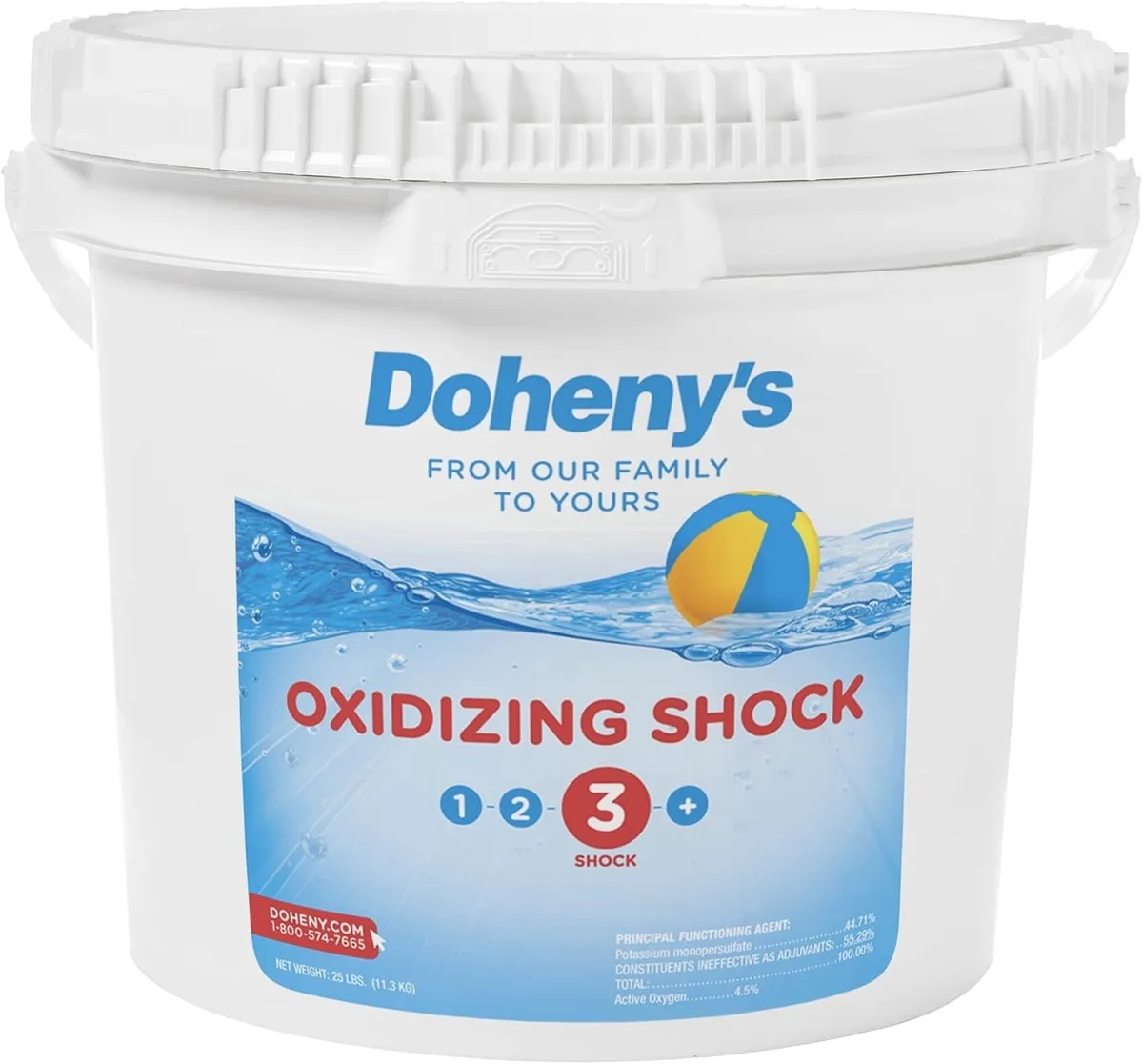
Image source: Bing (Web (fair-use with source credit))
Shocking Your Pool for Algae Control
The first and most crucial step in tackling a green pool is to "shock" it. Shocking means adding a super-high dose of chlorine to the water. This powerful dose oxidizes and kills algae, bacteria, and other contaminants.
The amount you need depends on how green the pool is, but manufacturer recommendations often suggest aiming for a Free Chlorine level of at least 10 ppm, and sometimes up to 20-30 ppm for severe algae blooms. It's best to do this in the evening, as sunlight can rapidly degrade chlorine.
The Importance of Brushing and Filtering
While the shock treatment works its magic, you need to help it along. Algae cling to pool surfaces, and just shocking the water won't always dislodge them. This is where diligent brushing comes in.
Use a pool brush to scrub the walls, floor, and steps of your pool thoroughly. This action loosens the algae, making it easier for the sanitizer to kill and for your filter to capture.
Simultaneously, you need to run your pool filter continuously. Manufacturer specifications for filtration systems often recommend running them 24/7 during an algae treatment. Your filter will be working overtime, capturing dead and dying algae.
You'll likely need to clean or backwash your filter frequently, sometimes multiple times a day, as it becomes clogged with debris. A clean filter is essential for removing the dead algae from the water.
Clearing Up After the Algae is Gone
Once the water starts to clear and you no longer see green, you're not quite done. The water might still be hazy or cloudy because of tiny dead algae particles that your filter hasn't fully captured yet. This is where a pool clarifier can be incredibly helpful.
A clarifier works by clumping together these small particles, making them large enough for your filter to trap them effectively. Follow the product’s instructions carefully, and continue running your filter. You’ll also need to perform another thorough cleaning or backwash of your filter once the water is clear.
Common Mistakes That Lead to Green Pools
Many pool owners fall into a few common traps that allow algae to take hold. Recognizing these mistakes is half the battle in preventing that dreaded green water from reappearing. The most frequent issues we see are related to inconsistent maintenance and a misunderstanding of how pool chemistry works.
Ignoring Water Balance
The number one mistake is letting your water chemistry get out of balance, particularly pH and chlorine. If your pH is too high, the chlorine you add becomes ineffective. It's like adding fuel to a car that has no spark plug; the fuel is there, but it can't do its job.
Many users report this issue; they think they're adding enough chlorine, but because their pH is off, the chlorine is useless. Consistently testing and balancing your water, aiming for that 7.2-7.6 pH range, is key.
Underestimating Filtration Needs
Another common pitfall is not running your filter long enough each day. For an above-ground pool, 8-12 hours of filtration daily is a good starting point, but this can increase significantly during hot weather or heavy use. If your filter isn't running enough, it can't circulate and clean the water effectively.
This leaves stagnant spots where algae can start to grow. Similarly, letting the filter get clogged without cleaning it will drastically reduce its efficiency, making it almost useless.
Not Testing Your Water Enough
Many people only test their water when something looks wrong, like when the pool turns green. However, testing should be a proactive habit. Our research shows that testing your water at least 2-3 times per week, and more often during peak season or after heavy rain, helps you catch imbalances before they become major problems.
Waiting until the water is green means you’re already behind, needing a more intensive and often more expensive treatment.
Keeping Your Pool Crystal Clear: Ongoing Maintenance
Preventing your above-ground pool from turning green is all about consistency and proactive care. Once you’ve rescued your pool from an algae bloom, you’ll want to establish a routine that keeps it sparkling throughout the season. This involves regular testing, proper filtration, and a few simple cleaning tasks.
Regular Water Testing and Balancing
The cornerstone of a clear pool is consistent water testing. Aim to test your water chemistry at least two to three times a week, and more often during hot spells or after heavy use. You’ll want to check your pH, Total Alkalinity, and Free Chlorine levels.
As per industry standards, maintaining your pH between 7.2 and 7.6 is crucial because it ensures your chlorine is effective. If your Free Chlorine consistently stays between 1-3 ppm, algae will have a much harder time getting a foothold. If tests reveal imbalances, use the appropriate pool chemicals to adjust them according to product instructions and re-test after a few hours.
Filter Care and Operation
Your pool's filtration system is its lungs; it needs to be running efficiently. Ensure you're running your filter for an adequate amount of time each day, typically 8 to 12 hours is a good baseline, but adjust based on your pool size, usage, and local climate. Beyond just running it, regular filter cleaning is vital.
For cartridge filters, this means rinsing them thoroughly when the pressure gauge indicates it's needed or at least monthly. For sand or DE filters, backwashing is essential. A dirty filter can't do its job, making your pool more susceptible to algae.
Preventative Measures for Algae
Besides maintaining balanced water and a clean filter, a few other practices can help keep algae at bay. Weekly brushing of the pool walls and floor helps dislodge any potential algae spores before they can bloom, even if your water chemistry is perfect. Skimming debris like leaves and bugs from the surface daily prevents them from sinking and decaying, which can consume chlorine and provide nutrients for algae.
Using a pool cover when the pool isn't in use also helps by keeping out debris and reducing sunlight, which algae need to grow.
What If My Pool Filter Needs Replacing?
Sometimes, no matter how much you clean or maintain it, a pool filter can reach the end of its lifespan. If your filter is old, cracked, or simply not performing as it should, it might be time for a replacement. A worn-out filter won't circulate water effectively, leading to poor water quality and a higher chance of algae growth.
You might notice decreased water flow, higher-than-usual filter pressure even after cleaning, or that your pool simply stays cloudy despite your best efforts.
When considering a new filter, look at manufacturer specifications for systems designed for your pool size. There are typically three main types: sand, cartridge, and Diatomaceous Earth (DE). Each has its pros and cons regarding initial cost, maintenance, and filtration fineness.
For example, DE filters offer the finest filtration, catching particles as small as 1-3 microns, which is significantly smaller than sand filters (around 20-40 microns) or cartridge filters (around 10-20 microns). However, DE filters require more involved maintenance and the media itself needs regular replacement.
When Is It Time to Call a Professional?
While most pool greening issues can be tackled with DIY efforts, there are times when professional help is the best course of action. If you've followed all the steps, shocking, brushing, filtering, and balancing chemicals, and your pool remains stubbornly green or cloudy, it might be time to consult a pool service technician. They have access to specialized testing equipment and chemicals, and their experience can help diagnose complex problems.
You might also consider professional help if you're consistently struggling with water chemistry or filter maintenance, or if you lack the time and desire to manage it yourself. Pool professionals can offer maintenance plans that ensure your pool stays clean and healthy year-round. For instance, a professional might identify issues like a leak in your plumbing that's constantly introducing contaminants or a problem with your pump that’s affecting filtration efficiency.
These can be difficult for an amateur to spot and fix.
Frequently Asked Questions About Green Pools
Can I swim in a green pool?
No, you should not swim in a green pool. The green color indicates the presence of algae, and potentially harmful bacteria and other contaminants. The water chemistry is likely imbalanced, and the high chlorine levels used to shock the pool can be irritating to skin and eyes.
Wait until the water is clear and your chemical levels are balanced before swimming.
How long does it take to clear a green pool?
Clearing a green pool can take anywhere from 24 hours to a week, depending on the severity of the algae bloom and how effectively you treat it. Aggressive shocking, consistent filtering, and thorough brushing are key to speeding up the process. If the pool is very green, it might take several days of continuous treatment.
Is it cheaper to prevent algae or treat it?
It is significantly cheaper to prevent algae than to treat an existing bloom. Regular testing and chemical balancing, along with consistent filtration and cleaning, prevent algae from taking hold. Treating a green pool often requires large amounts of chemicals (like chlorine shock) and potentially professional intervention, which is more expensive than routine maintenance.

