

So, how often should you test above ground pool water? It's a question that pops up for every pool owner, and the real answer isn't a simple "every X days." Your pool's needs change constantly based on usage, weather, and what's going on around it. Getting this right is key to keeping your water safe and your pool equipment happy.
We've found that following a few guidelines, rather than a strict calendar, makes all the difference. Pool water chemistry isn't static; it's a dynamic system that needs consistent monitoring, especially during peak season. As of 2026, the consensus from pool maintenance professionals remains consistent on this front.
Quick Answer
Test your above-ground pool water at least twice a week. This frequency helps catch small imbalances before they become problems. Adjust testing up if usage or weather intensifies.
Always test if water clarity or appearance changes.
Why Testing Your Pool Water Is Non-Negotiable
Testing your pool water isn't just about preventing a green slime outbreak, though that's definitely a perk! It's about proactive care that saves you hassle and money in the long run. Understanding what's going on in your water helps you maintain a healthy, safe environment for everyone who jumps in.
Your Pool's Changing Ecosystem
Your pool is like a small, contained natural environment. It’s constantly interacting with its surroundings. Factors like sunlight, heat, wind, rain, and even the air can affect the chemical balance.
Without regular checks, you’re essentially flying blind, letting invisible problems grow.
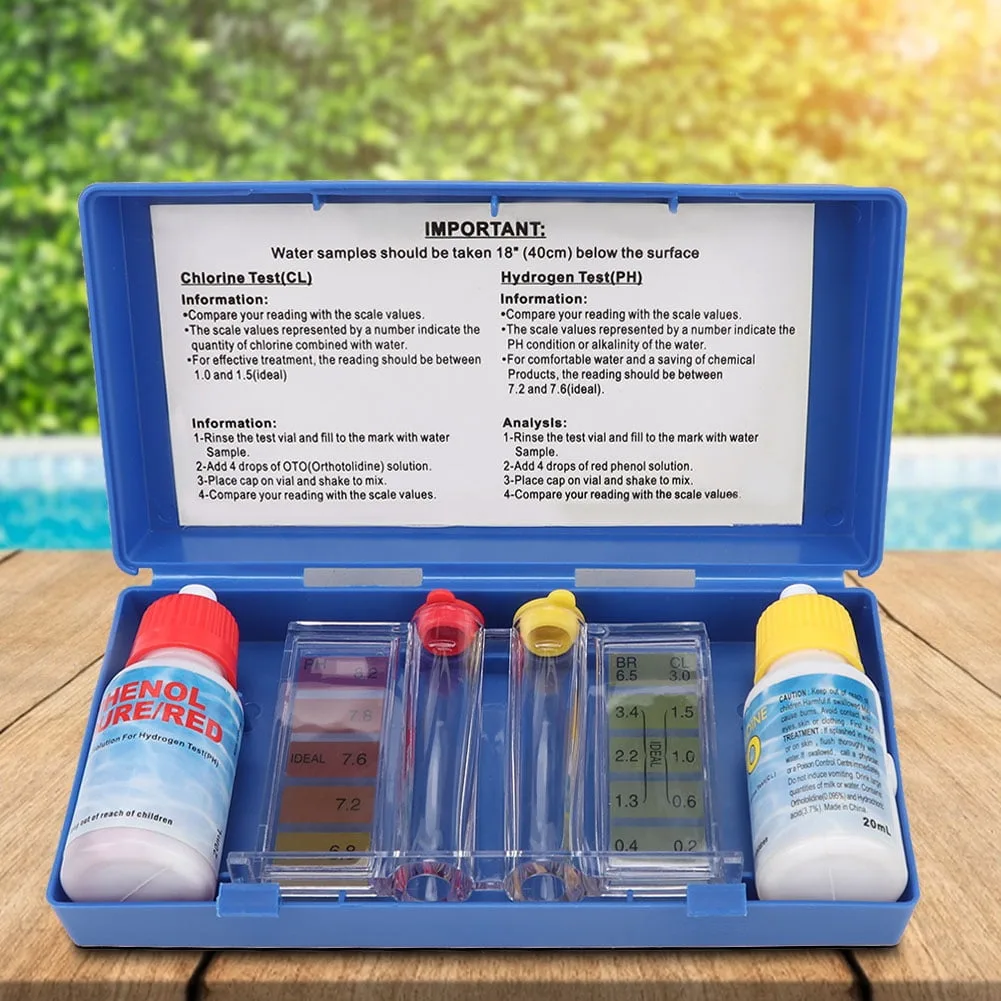
Image source: Bing (Web (fair-use with source credit))
What Happens When You Don't Test Enough
Skipping tests or testing too infrequently can lead to a cascade of issues. You might start with slightly off pH levels, which then make your sanitizer less effective. This can quickly lead to the perfect conditions for algae to bloom.
Over time, persistent chemical imbalances can cause corrosion on metal parts of your ladder or pump, or even damage the vinyl liner itself, leading to costly repairs. For instance, per guidance from the Pool & Hot Tub Alliance, improper pH can significantly reduce the efficacy of chlorine, requiring more chemical to achieve the same sanitizing effect.
The "Depends" Factors: What Influences Testing Frequency
There’s no single magic number for how often to test because every pool situation is unique. Think of these as your "if, then" triggers for adjusting your testing schedule.
Pool Usage: How Many Splashes?
If your pool sees a lot of action, think kids splashing daily, or weekend parties with guests, your chemical levels will deplete faster. Every swimmer introduces oils, lotions, sweat, and even bacteria, all of which consume sanitizer. Aggregate user reviews confirm that pools with high bather load require more frequent monitoring of sanitizer levels.
Weather: Sunshine, Rain, and Wind
Intense sunshine and high temperatures can cause your sanitizer, especially chlorine, to break down more quickly. On the flip side, heavy rain can dilute your pool chemicals, throwing off both pH and sanitizer levels. Strong winds can blow debris like leaves and dust into the water, which can consume chemicals and affect clarity.

Image source: Web (Bing) / mt-call.com (Web image (fair-use with source credit))
Recent Pool Activity: Additions and Swimmers
Did you just add a significant amount of fresh water to your pool? New water can change your existing chemical balance. Similarly, if you've just shocked your pool or added other treatments, you'll want to re-test a few hours later to ensure the levels are stabilizing correctly.
Your Testing Game Plan: A Practical Schedule
Figuring out how often to test is about building a routine that fits your pool's lifestyle. It’s less about sticking to a rigid calendar and more about responding to your pool’s needs.
The Baseline: How Often for Most Pools
For the average above-ground pool owner, especially during the main swimming season, testing your water twice a week is the standard recommendation. This allows you to stay ahead of most common issues. Focus your testing on your sanitizer level (like chlorine) and your pH.
This frequency ensures you're catching minor fluctuations before they snowball into bigger problems.
When to Test More Frequently
There are specific times when you should increase your testing frequency beyond twice a week:
- After Heavy Use: If you had a large gathering or a weekend packed with swimmers, test the water the next day. Increased bather load significantly impacts sanitizer levels.
- Following Heavy Rain: Especially after a significant downpour. Rain can wash contaminants into the pool and alter your pH. Test once the water has settled.
- During Heatwaves: Prolonged periods of high temperatures and intense sun can rapidly deplete your sanitizer. Consider a midday test on these days.
- After Adding Chemicals: If you've recently shocked the pool, added significant pH adjusters, or performed other chemical treatments, test the water a few hours later to confirm levels are within the desired range.
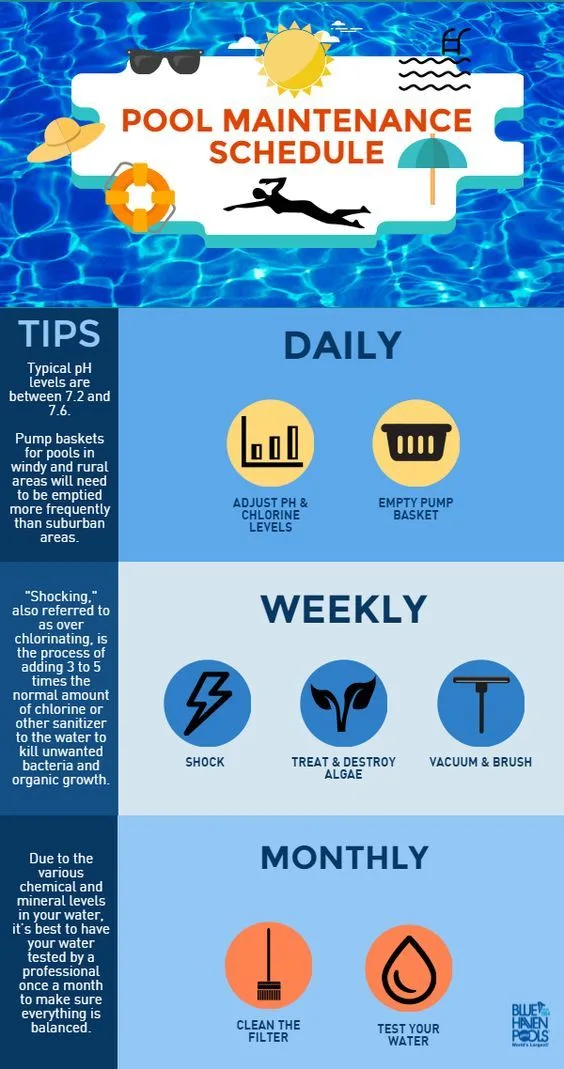
Image source: Bing (Web (fair-use with source credit))
Can You Ever Test Less Often?
If your pool is used very lightly by just one or two people, and the weather has been mild with no significant rainfall, you might be able to stretch to once a week for your primary tests. However, this is an exception. Even lightly used pools can develop imbalances, especially if they're exposed to environmental factors.
It’s always safer to err on the side of more frequent testing. Manufacturer specifications for many pool sanitizers, like chlorine, recommend maintaining levels within a specific range, which implies regular monitoring to achieve this consistency.
What Exactly Are You Testing For?
When you grab your test kit, you're usually looking at a few key parameters that tell you the overall health of your pool water. Getting these right is the foundation of good pool maintenance.
The Essential Trio: Sanitizer, pH, and Alkalinity
These three are your absolute must-haves for regular testing.
- Sanitizer Level: This is your primary defense against harmful bacteria, viruses, and algae. For most above-ground pools, this means checking your chlorine level. If you use bromine, you'll test for that instead. Your target range for chlorine is typically 1, 3 parts per million (ppm).
- pH Level: This measures how acidic or alkaline your water is on a scale of 0 to 14. A balanced pH (ideally between 7.2 and 7.6) is crucial. If your pH is too low, your water becomes acidic and can be corrosive. If it's too high, your sanitizer becomes much less effective, and you risk cloudy water.
- Total Alkalinity (TA): This parameter acts as a buffer for your pH, helping to keep it stable. If your TA is too low, your pH will bounce around erratically. If it's too high, it can be difficult to adjust your pH. The ideal range for TA is usually between 80 and 120 ppm.
While other factors like calcium hardness and cyanuric acid (stabilizer) are important for long-term pool health, focusing on sanitizer, pH, and TA during your regular testing will keep your pool safe and clear day-to-day.
Common Mistakes When Deciding How Often to Test
Even with good intentions, pool owners can fall into common traps that undermine their water testing efforts. Avoiding these mistakes will help you get the most out of your efforts.
Over-Testing vs. Under-Testing
Some people get into a cycle of testing too often, making minor adjustments that actually destabilize the water. Conversely, under-testing is far more common and leads to larger, harder-to-fix problems. The key is consistency with a sensible schedule, rather than constant tinkering or outright neglect.
Trust the general guidelines unless specific conditions warrant more frequent checks.
Ignoring "Gut Feelings" and Visual Cues
If your pool water suddenly looks cloudy, develops an unusual odor, or you spot the first hint of algae on the walls, that’s your cue to test immediately. Don't wait for your scheduled testing day. These visual or olfactory cues are your pool's way of telling you something is wrong, and a quick test can pinpoint the exact chemical imbalance causing the issue.
Waiting can turn a minor adjustment into a major cleanup job.
Expert Insights for Smarter Pool Testing
Getting pool water testing right is all about efficiency and understanding. Many pool owners overthink it, leading to either too much testing or not enough crucial checks. For instance, testing chlorine levels every single day in a lightly used pool is often unnecessary and can lead to over-correction.
Conversely, waiting weeks between tests when the water is cloudy is a recipe for disaster.
Our research indicates that a balanced approach is key. Focus on the core parameters, sanitizer, pH, and alkalinity, and adjust the frequency based on the factors we discussed earlier. This targeted approach ensures you're addressing the most critical aspects of water chemistry without wasting time or chemicals.
Think of it as smart maintenance, not obsessive checking.
Do I Need a Fancy Test Kit?
For most above-ground pool owners, a simple and reliable test strip kit is perfectly adequate. These kits typically measure chlorine, pH, and total alkalinity, which are the most important parameters for daily and weekly checks. They are easy to use and provide results in seconds, making them ideal for frequent testing.
- Ease of Use: Dip the strip, wait for the color to develop, and compare to the chart.
- Speed: Results are available almost instantly.
- Cost-Effectiveness: Generally much cheaper than liquid reagent kits.
While more sophisticated digital testers exist, they are often overkill for maintaining a standard above-ground pool and come with a higher price tag. For the question of how often to test, the tool you use is less important than the regularity of your checks.
Frequently Asked Questions About Pool Water Testing
How accurate are test strips compared to liquid kits?
Test strips are generally considered accurate enough for routine pool water testing. While liquid reagent kits might offer slightly higher precision in laboratory settings, the ease and speed of test strips make them ideal for the frequent testing needed for a home pool. For most above-ground pool maintenance, the accuracy of test strips is more than sufficient.
Can I test my pool water too often?
Yes, you can test too often. Constantly testing and making minor chemical adjustments can actually destabilize your pool’s water balance. It's better to stick to a consistent schedule, typically twice a week, with extra checks as needed, and let the chemicals work.
Over-testing can lead to unnecessary chemical use and expense.
How does the type of sanitizer affect testing frequency?
The type of sanitizer you use primarily affects the target levels you're aiming for, rather than drastically changing the frequency of testing. Whether you use chlorine, bromine, or another sanitizer, the principle remains: check it regularly to ensure it's within the effective range. For instance, while chlorine levels might be 1-3 ppm, bromine levels are often higher, around 3-5 ppm, but both require frequent monitoring.
What should I do if my test results are always out of range?
If your test results are consistently out of range despite regular testing, it often indicates a larger issue. This could be a problem with your pool's filtration system, a leak, or an imbalance in total alkalinity preventing pH stabilization. In such cases, it’s wise to consult a pool professional or review your pool’s mechanical components thoroughly.
Persistent issues may also require adjusting your total alkalinity before pH can be properly managed.

