

Image source: Bing (Web (fair-use with source credit))
Does your above-ground pool need chlorine to stay sparkling and safe? It's a common question, and the short answer is: it depends on the sanitation method you choose. While chlorine is the most popular and effective way to kill bacteria and algae, it's not the only way to keep your water swim-ready.
You'll find that chlorine's ability to sanitize, and the various ways to achieve that sanitation, are central to keeping your pool enjoyable. As of 2026, maintaining proper water chemistry, often guided by standards like those set by the Pool & Hot Tub Alliance (PHTA), remains crucial for safe swimming. This guide will walk you through the decision.
Quick Answer
Above-ground pools don't always need chlorine. Chlorine is the most common sanitizer. However, alternative systems like saltwater generators, ozone, or UV can sanitize water.
Each has unique maintenance needs and upfront costs.
Does My Above-Ground Pool Need Chlorine?
If you're aiming for the simplest, most widely understood method of keeping your above-ground pool water clean, then yes, you'll likely be using chlorine. It's the industry standard for a reason. Chlorine is a powerful oxidizer that effectively kills bacteria, viruses, and algae, preventing them from growing and making your water unsafe or cloudy.
It also provides a residual effect, meaning it continues to protect your water even after it's added.
This residual sanitizing action means that a properly maintained chlorine level will keep working to neutralize contaminants as they are introduced into the pool, whether from swimmers, the environment, or everyday use. For most above-ground pool owners, this is the most straightforward path to consistently clear and safe swimming conditions, often with readily available chemicals and straightforward testing kits.
The Quick Answer: Chlorine or Alternatives?
For most above-ground pool owners, the answer to "Do above ground pools need chlorine?" leans heavily towards "yes" if they want the easiest, most common, and reliably effective sanitation. Chlorine is a potent biocide and oxidizer, meaning it actively kills harmful microorganisms like bacteria and viruses and breaks down organic contaminants like sweat and oils. It's also a residual sanitizer, which is a key benefit: it stays in the water to provide ongoing protection, unlike some other methods that work only when the system is actively running.
However, if you're sensitive to chlorine, or simply prefer to explore other options, there are viable alternatives. These include saltwater systems (which still produce chlorine, but from salt), ozone generators, UV sanitizers, and biguanide (PHMB). Each of these alternative sanitation methods has its own set of maintenance requirements, upfront costs, and potential advantages and disadvantages compared to traditional chlorine.
Your choice will depend on your budget, willingness to learn new maintenance routines, and any personal sensitivities.
Why Chlorine is the Standard Pool Sanitizer
Chlorine has been the go-to sanitizer for pools for decades, and for good reason. Its effectiveness in killing a broad spectrum of harmful microorganisms is well-documented. When added to pool water, chlorine oxidizes contaminants, breaking them down and rendering them harmless.
This includes bacteria, viruses, and algae that can make your pool unsafe and unpleasant.
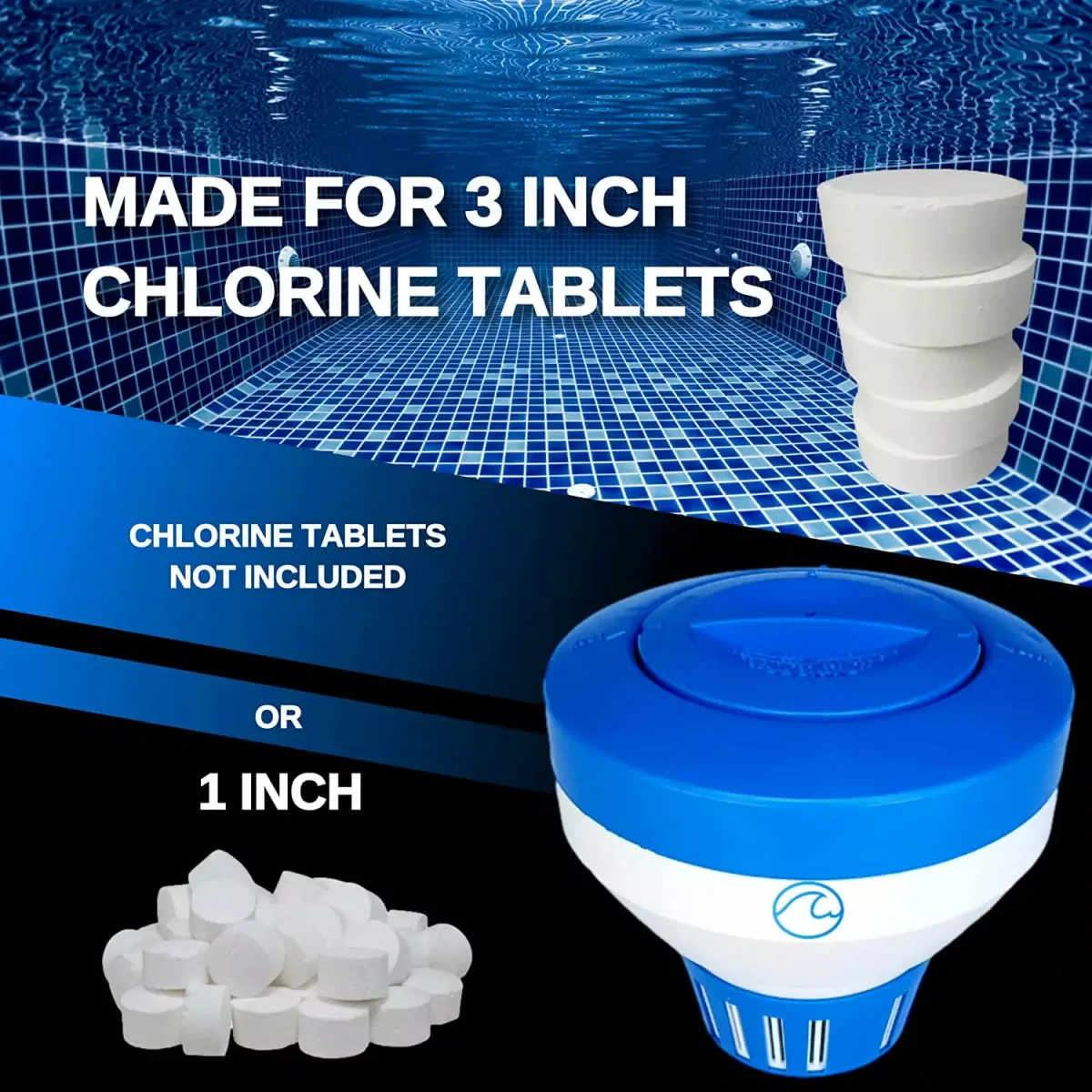
Image source: Bing (Web (fair-use with source credit))
How Chlorine Works to Keep Water Safe
The science behind chlorine's sanitizing power is straightforward. When chlorine dissolves in water, it forms hypochlorous acid (HOCl) and hypochlorite ions (OCl-). Hypochlorous acid is the primary killing agent; it penetrates the cell walls of microorganisms, disrupting their internal processes and effectively destroying them.
This is why maintaining the correct pH level (typically between 7.2 and 7.8, according to recommendations from the U.S. Centers for Disease Control and Prevention, CDC) is vital for chlorine to work effectively.
Beyond its immediate killing action, chlorine is a residual sanitizer. This means that once added, a certain level of chlorine remains in the water, providing continuous protection against new contaminants introduced by swimmers, wind, or debris. This ongoing defense is what keeps pool water clear and safe for extended periods between treatments.
When You Might Skip Traditional Chlorine
While chlorine is the workhorse of pool sanitation, there are definitely reasons why you might consider going a different route for your above-ground pool. Many people find that traditional chlorine can cause skin irritation, dry out hair, or create that distinctive "pool smell" that some find off-putting. If you or your family members have sensitive skin or respiratory issues, the thought of adding more chlorine might not be appealing.
Furthermore, some pool owners simply enjoy exploring different technologies and find the idea of a chlorine-free or reduced-chlorine environment appealing. These alternatives often boast a different "feel" to the water, which many users describe as softer or more natural. The motivation can be a blend of comfort, environmental consideration, or a desire for a more advanced or automated system.
Exploring Alternatives: Saltwater, Ozone, UV, and Biguanide
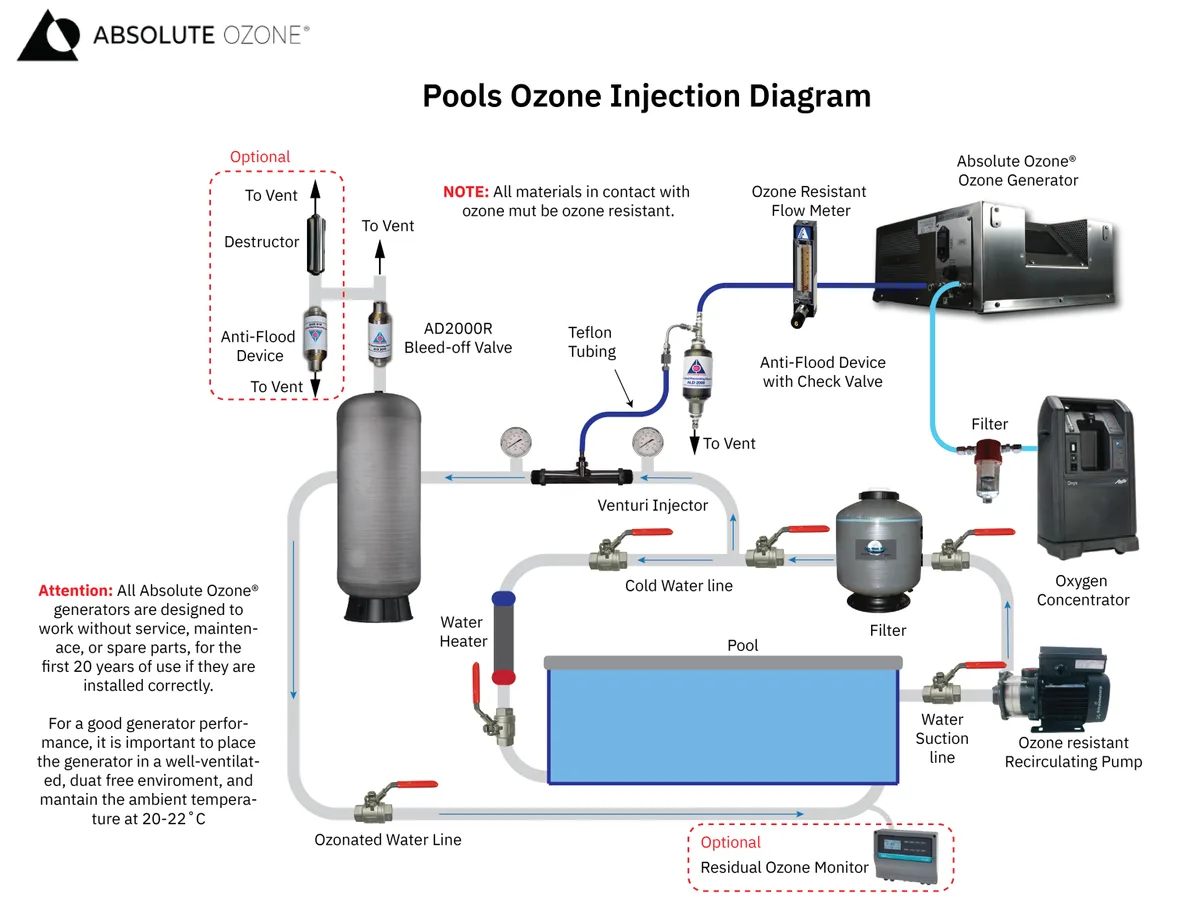
Image source: Bing (Web (fair-use with source credit))
If you're looking to reduce or eliminate traditional chlorine, several alternative sanitation systems are available. Saltwater systems use a salt chlorine generator to convert dissolved salt into chlorine right in your pool. While it still uses chlorine, the process is gentler, and the water often feels softer on the skin. Ozone generators produce ozone gas, a powerful oxidizer that effectively destroys contaminants. However, ozone dissipates quickly, so it typically works best when paired with a low level of chlorine or bromine to maintain residual sanitation. UV sanitizers use ultraviolet light to inactivate microorganisms as water passes through the unit, offering another non-chlorine-based approach, but also requiring a residual sanitizer.
Finally, biguanide (PHMB) is a completely chlorine-free biocide that is effective but requires a specific, non-chlorine maintenance regimen and is incompatible with many common pool chemicals.
Weighing Your Options: Chlorine vs. Other Systems
Deciding between chlorine and an alternative sanitation system for your above-ground pool comes down to a few key factors. Chlorine is generally the most cost-effective upfront and widely understood. Its availability is unparalleled, and most pool supply stores carry a full range of chlorine products, from tablets and granules to liquid forms.
Maintenance, while requiring regular testing and addition of chemicals, is a well-trodden path for many pool owners. The main drawback, as mentioned, is the potential for skin and eye irritation and that familiar chlorine odor.
Alternative systems like saltwater generators offer a gentler water experience and can be more convenient long-term, as they automate chlorine production. However, they come with a higher initial investment for the generator itself. Ozone and UV systems are also effective sanitizers, often reducing the need for chemical additives, but they also require a significant upfront purchase and usually still need a supplementary sanitizer to ensure complete water safety.
Biguanide offers a truly chlorine-free experience but demands meticulous adherence to a specialized maintenance schedule and chemical compatibility knowledge, as mistakes can be costly.
Who is Each Sanitizer Type Best For?
- Traditional Chlorine: This is ideal for the budget-conscious pool owner who wants a straightforward, proven method with readily available supplies. It's also a good fit for those who don't experience significant sensitivity to chlorine and are comfortable with regular water testing and chemical balancing.
- Saltwater Systems: These are excellent for families or individuals who find traditional chlorine irritating. If you're willing to invest more upfront for a gentler swimming experience and a more automated system, this is a strong contender. It's generally suitable for most above-ground pools, though it's wise to confirm generator compatibility with your specific pool size.
- Ozone Generators & UV Sanitizers: These are best for those looking to significantly reduce chemical reliance and improve water quality by tackling contaminants at a molecular level. They are often paired with a low-level chlorine residual, so they don't entirely eliminate chemical use but can greatly minimize it. They suit owners who prioritize advanced technology and are prepared for the associated purchase price and integration.
- Biguanide (PHMB): This is specifically for individuals with extreme chlorine sensitivity or those committed to a strictly non-chlorine pool environment. It requires a dedicated understanding of its unique chemistry and a rigid maintenance routine to avoid issues. It's not for the casual pool owner due to its specific demands.
Common Mistakes When Choosing or Using Pool Sanitizers
When deciding on your pool's sanitation or maintaining it, a few common missteps can lead to trouble. One frequent error is assuming all "chlorine-free" systems are completely chemical-free. For instance, saltwater systems still produce chlorine, and ozone or UV systems typically require a residual sanitizer to maintain safety.
Another mistake is not regularly testing your water chemistry. A basic pool test kit is essential, regardless of your sanitation method, to ensure pH, alkalinity, and sanitizer levels are within the recommended ranges. Neglecting this can lead to imbalances that allow algae or bacteria to thrive, or even damage your pool equipment.
Another pitfall is not understanding chemical compatibility. For example, if you decide to switch from chlorine to a biguanide system, you must thoroughly drain and clean your pool to avoid chemical reactions that can cause cloudiness or foaming. Manufacturer specifications often provide detailed compatibility charts for different sanitizing agents.
Finally, not considering your local climate can lead to issues; warmer weather and higher bather loads mean you'll likely need to adjust your sanitizer levels more frequently.
Expert Insights for Your Above-Ground Pool Water
Keeping your above-ground pool water clean and safe involves more than just adding chemicals. Our research indicates that a proactive approach is key. One critical tip is to shock your pool regularly.
Shocking, typically done with a higher dose of chlorine, helps break down chloramines (the compounds that cause the strong chlorine smell) and oxidizes organic waste. This process is essential even if you're using an alternative sanitizer.
Another expert insight is the importance of proper filtration. Your pool filter works hand-in-hand with your sanitizer to remove debris and contaminants. Ensure your filter is clean and running for an adequate amount of time each day, typically 8 to 12 hours for above-ground pools, depending on the pump size and pool volume.
For example, a 1500-gallon pool might need its filter to run for around 8 hours daily to circulate water effectively. This ensures that sanitizers have a better chance to work on any contaminants present.
Frequently Asked Questions About Pool Sanitation
Does my above-ground pool always need chlorine?
No, it doesn't always need traditional chlorine. While chlorine is the most common and easiest method for sanitation, alternatives like saltwater generators, ozone, and UV systems can be used. These alternatives still often produce or require a form of chlorine or another sanitizer to maintain safety.
Can I just use a saltwater system and avoid chlorine altogether?
Saltwater systems actually generate chlorine from salt through a process called electrolysis. So, you're not avoiding chlorine, but rather generating it in a different way. This method often results in softer-feeling water and less of the typical chlorine smell.
How often should I test my pool water?
You should test your pool water at least twice a week, and daily during heavy use or hot weather. This is crucial for maintaining proper levels of your chosen sanitizer (chlorine, bromine, or the residual from other systems), as well as pH and alkalinity, to ensure safe and clear water.
Is it safe to switch sanitizers mid-season?
Switching sanitizers mid-season is possible but requires careful planning. You'll typically need to completely drain and clean your pool to avoid chemical incompatibilities that can cause cloudiness, foaming, or reduced effectiveness of the new system. Always consult manufacturer guidelines before making a switch.
Making the Right Choice for Your Pool
Ultimately, the decision of whether your above-ground pool "needs" chlorine comes down to your priorities for maintenance, water feel, budget, and tolerance for chemical handling. Traditional chlorine offers a reliable, accessible, and cost-effective solution that has been proven effective for decades. It's the path of least resistance for many pool owners seeking clear, safe water.
However, if you find chlorine irritating, or are drawn to the idea of a gentler water experience or more automated sanitation, exploring alternatives is a worthwhile endeavor. Saltwater systems, ozone, and UV offer different benefits but usually come with a higher initial investment and their own set of maintenance considerations. Whichever path you choose, remember that consistent testing and balancing of your water chemistry remain the cornerstones of a healthy and enjoyable pool.

