

Image source: Bing (Web (fair-use with source credit))
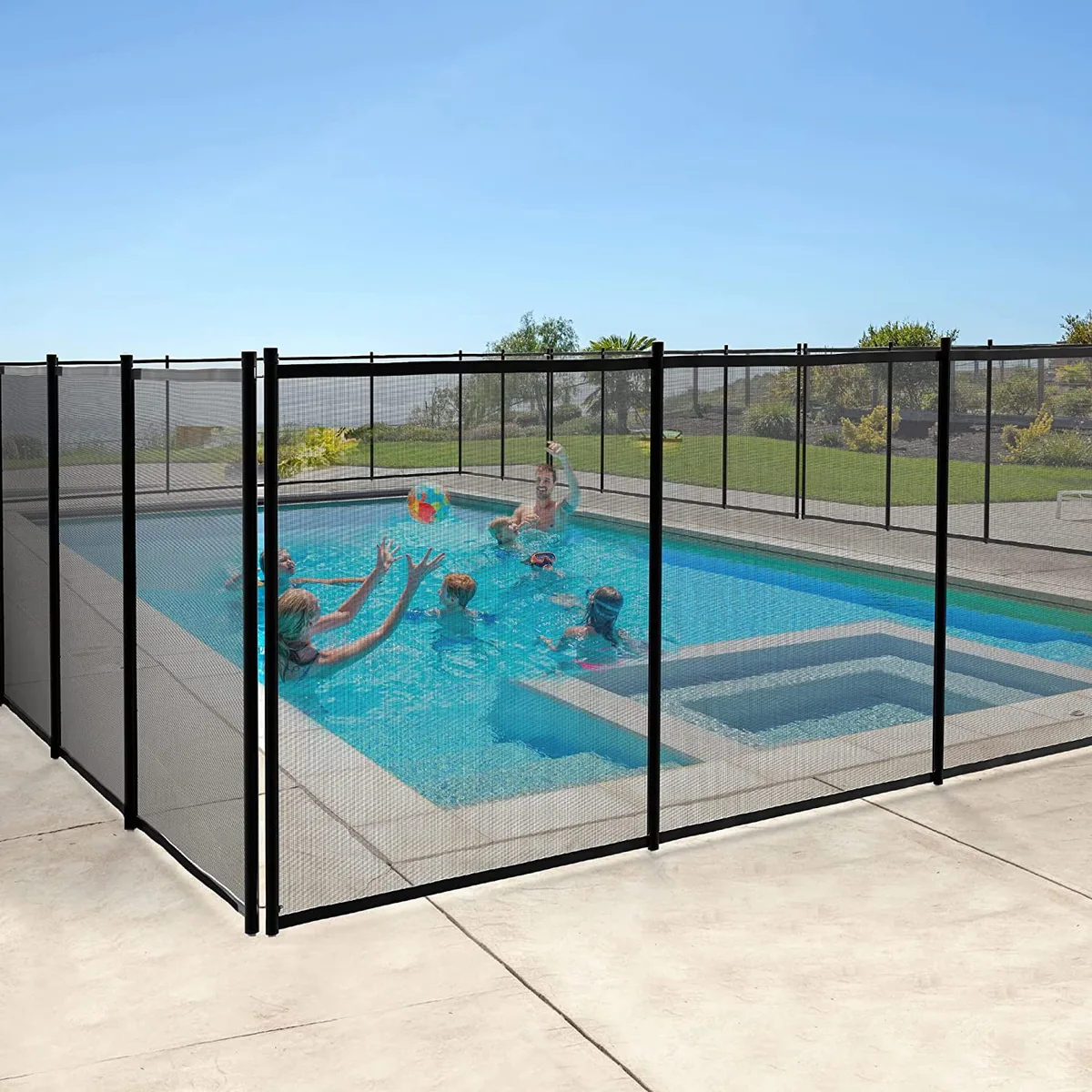
You're eyeing that inviting shimmer of an above-ground pool, picturing cool dips and backyard fun. That's fantastic! But as the excitement builds, a critical safety question often surfaces: do above-ground pools need fencing?
The answer isn't a simple yes or no; it really hinges on a few key factors.
In our research, we found that while many homeowners consider fencing optional, local regulations and specific safety considerations, like the presence of young children, can make it absolutely essential. For instance, many jurisdictions adhere to safety standards that mandate fences of a certain height, often 4 feet, with self-latching gates, to prevent unsupervised access.
Quick Answer
Yes, above-ground pools often need fencing. Local laws frequently require them, especially for pools with a certain depth or accessibility. Safety regulations, like those requiring a 4-foot fence and self-latching gates, are designed to prevent accidental drownings.
Always check your local ordinances first.
What Do Your Local Folks Say? Checking Ordinances First
This is the most important step you'll take. Before you even start thinking about pool dimensions or fancy ladders, you need to know what your city or county says about pool fencing. These aren't just suggestions; they're the law, and ignoring them can lead to fines or even orders to remove your pool.
Checking Local Pool Fencing Laws
When we looked into this, one thing became abundantly clear: requirements vary wildly from one town to the next. You might live in a place where fencing for any pool is mandatory, or perhaps there are exceptions if the pool is a certain height or set back from property lines. The best way to get this information is to head straight to the source.
- Call Your City Hall or County Clerk: This is the most direct route. Ask specifically about "above-ground pool fencing requirements" or "residential pool safety codes."
- Check Your Local Government Website: Many municipalities have their building or public safety departments post their ordinances online. Look for keywords like "pool fence," "barrier requirements," or "swimming pool safety."

Image source: Bing (Web (fair-use with source credit))
Many municipalities have specific guidelines, often inspired by national safety standards, that dictate fence height, gate type, and how far the fence must be from the pool's edge. Understanding these rules upfront will save you a lot of headaches down the road.
Understanding Compliance Requirements
Compliance isn't just about avoiding trouble; it's fundamentally about safety. Building codes and local ordinances are put in place for good reasons, primarily to prevent accidental drownings. These regulations are often based on recommendations from organizations that study water safety.
For example, many codes align with principles found in standards from bodies like the International Code Council (ICC), which emphasize layers of protection around a body of water.
Key compliance points typically include:
- Minimum Fence Height: Often cited as 4 feet, though some areas may require 5 feet.
- Gap Underneath: Regulations usually limit the space between the bottom of the fence and the ground, typically to no more than 2 inches, to prevent small children or pets from crawling under.
- Spacing of Vertical Slats: If your fence uses vertical bars, the spacing is often restricted to prevent a child from squeezing through.
- Gate Functionality: This is critical. Gates must be self-closing and self-latching, with the latch mechanism positioned high enough to be out of a young child's reach. The gate should also open outward, away from the pool.
Failing to meet these requirements can result in significant fines, legal liability if an accident occurs, or even a mandate to drain and remove the pool until compliance is achieved.
Considering Who's Around: Your Household's Needs
Even if your local laws are lax or non-existent regarding pool fencing, your personal situation is a huge factor in deciding whether to install a barrier. It’s about evaluating the potential risks within your own backyard.
Do You Have Children or Frequent Visitors?
If you have young children, or if kids under a certain age (generally under 5) frequently visit your home, fencing becomes a paramount safety consideration. A moment's inattention can have tragic consequences when a curious toddler can access a pool. Our research indicates that a pool fence acts as a critical physical barrier, significantly reducing the risk of unsupervised access by children.
This is especially true for above-ground pools, which might have steps or ladders that could be removed, but a determined child might still find a way.
Consider these points:
- Age of Children: Toddlers and preschoolers are most at risk due to their developing sense of danger and tendency to explore.
- Frequency of Visitors: If you regularly host playdates or have family with young children over, the risk is present even if your own children are older.
- Pool Visibility: If the pool is easily visible from common living areas, it might seem easier to supervise, but direct line-of-sight doesn't replace a physical barrier when adults are distracted.
Even when local laws don't mandate it, installing a pool fence is a responsible and often life-saving measure for households with young children.
What About Pets?
While not always legally mandated, fencing can also be a vital safety measure for pets, particularly dogs. Some pets, especially those with a natural affinity for water or a tendency to explore, might find themselves in trouble in or around the pool. A fence can prevent them from accidentally falling in or from getting into the water when unsupervised.
- Curious Pets: Dogs, in particular, might be drawn to the water's edge and could slip in.
- Pool Equipment: Pets can sometimes get tangled in pool equipment or fall into the water while trying to retrieve toys.
- Exit Strategy: Even if a pet falls in, a fence can prevent them from wandering into unsecured areas of the yard where they might not be able to find their way out of the water easily.
What Makes a Pool Fence Safe? Key Features
If you've determined that fencing is necessary or desired, it's important to understand what makes a pool fence effective and compliant with most safety standards. It's not just about putting up any barrier; it's about building a specific type of protective system. These features are designed to be robust and child-resistant.
Fence Height and Design for Safety
The height of the fence is a critical factor. Per guidelines from many safety organizations, the minimum height for a pool fence is typically 4 feet. Some municipalities may require 5 feet, especially if the pool is easily accessible or located in a high-traffic area.
The design is also crucial. Fences should ideally prevent climbing. This means:
- Vertical Elements: Fences with vertical slats are preferred over those with horizontal components, as horizontal bars can be used as a ladder.
- No Handholds: The fence itself should offer minimal places for a small child to grip and pull themselves over.
- Ground Clearance: There should be minimal space between the bottom of the fence and the ground, often specified as no more than 2 inches, to prevent small children or pets from crawling underneath.
These design elements work together to create a robust barrier that is difficult for unauthorized individuals, particularly children, to breach.
Gate Requirements: Self-Closing and Self-Latching
The gate is often the most vulnerable part of a pool fence. For this reason, safety regulations place specific demands on gates. A compliant pool fence gate must be designed to close and latch automatically.
- Self-Closing Mechanism: The gate should swing shut on its own, usually due to gravity or a spring-loaded hinge. This ensures it doesn't get left open accidentally.
- Self-Latching Mechanism: It must also have a latch that engages automatically when the gate closes. This latch needs to be positioned high enough that a small child cannot reach it, often at least 54 inches from the ground.
- Outward Swing: Typically, pool gates must open outward, away from the pool area. This is a safety measure so that if a child were inside the fenced area and accidentally fell, they wouldn't be trapped against a gate that opens inward.
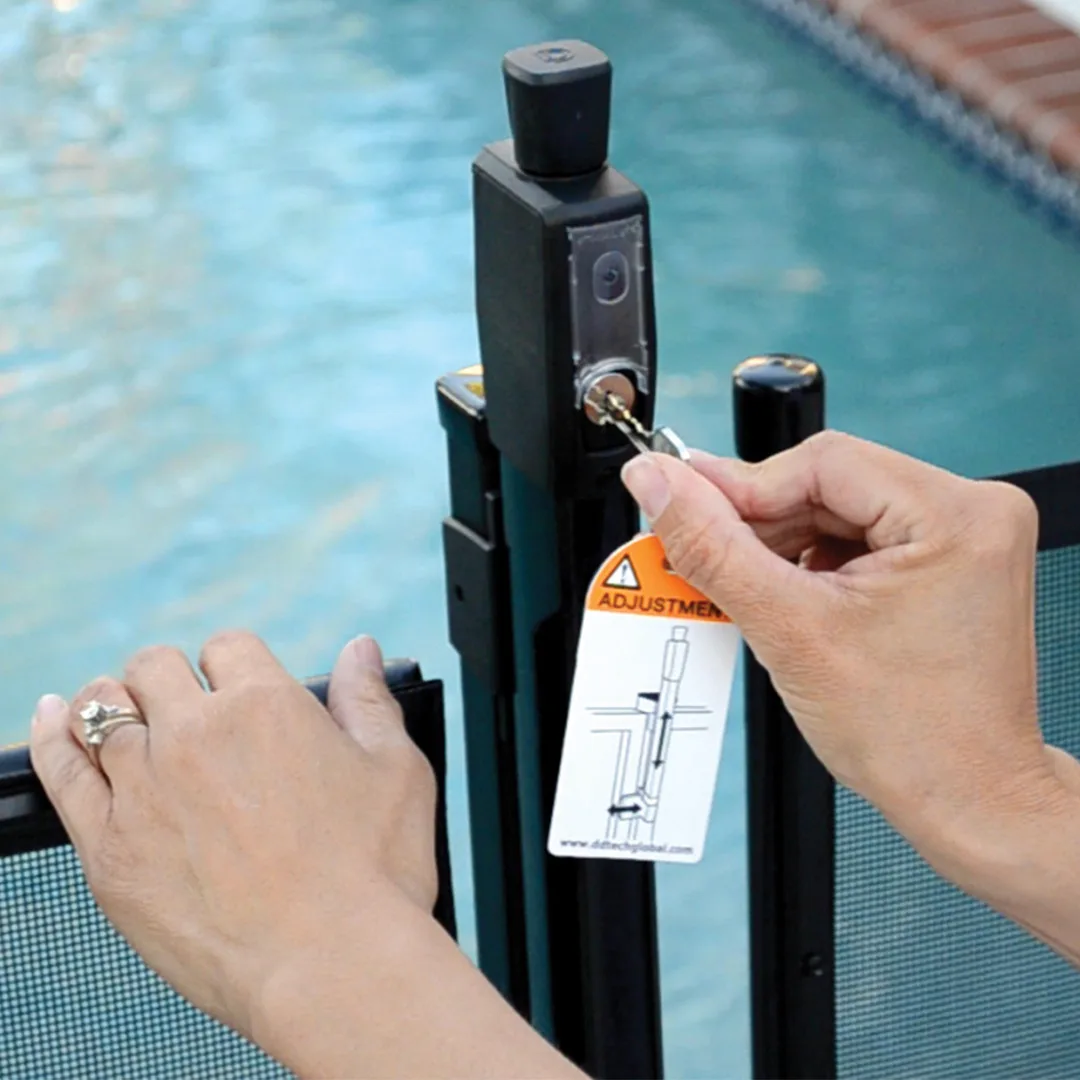
Image source: Bing (Web (fair-use with source credit))
Adhering to these gate specifications is a non-negotiable aspect of effective pool safety fencing.
The Decision: To Fence or Not To Fence?
Deciding whether to fence your above-ground pool involves weighing legal obligations against personal safety assessments. It's a straightforward evaluation once you have the necessary information.
When Fencing Is a Must-Have
Fencing your above-ground pool is a must-have if your local city or county ordinances mandate it. These laws are legally binding and are designed to ensure a baseline level of safety to prevent drownings. As of 2026, many municipalities still enforce strict pool barrier laws for all types of pools, including above-ground models.
Non-compliance can lead to significant fines, legal liabilities, and orders to remove the pool until proper safety measures are in place. Beyond legal requirements, fencing is also a must-have if you have young children (under 5 years old) living in or frequently visiting your home. The risk of an accident is too high to forgo this critical safety layer.
When Fencing is Strongly Recommended
Even if your local laws don't explicitly require it, fencing is strongly recommended for above-ground pools in several scenarios. If there's any possibility of young children accessing the pool area unsupervised, a fence provides crucial peace of mind. This includes situations where:
- Children Visit Often: If you host regular playdates or have grandchildren who visit frequently, the risk is present.
- Pool is Visible from Street: If your pool is easily seen from the street, a fence can deter uninvited guests or curious passersby.
- Pets are a Concern: For pet owners, a fence can prevent accidental falls or ensure pets don't get into water unsupervised.
Think of it as an extra layer of protection, ensuring that even if supervision lapses for a moment, your loved ones are still safe.
Situations Where Fencing Might Be Waived (But Still Considered)
In some limited circumstances, local regulations might waive mandatory fencing for above-ground pools, but it's still wise to consider it. This typically occurs when the pool itself is inherently safe due to its design. For example, some codes might permit pools with walls that are 4 to 5 feet high, where the only access is via a ladder that can be completely removed.
However, even in these cases, fencing can still be a good idea:
- Removing the Ladder: While removing the ladder is a deterrent, children can be surprisingly resourceful. They might find other ways to access the pool or be tempted to climb if the ladder is temporarily replaced.
- Accidental Falls: A fence can still prevent accidental falls into the pool from the surrounding yard, especially if the pool is located near play areas.
- Unpredictable Access: In situations where the pool area might be accessible to individuals other than immediate family (e.g., rental properties, shared housing), a fence offers added security.
Always verify these specific waiver conditions with your local building department.
Step-by-Step Process: Installing a Pool Safety Fence
If you've decided to install a pool fence, the process itself requires careful planning and execution. While hiring a professional is often recommended, understanding the steps involved can help you oversee the project or even tackle parts of it yourself if you're handy. The goal is a secure, compliant barrier.
Planning and Measuring
Before any digging or post-setting begins, accurate planning is crucial. You'll need to map out the fence line, ensuring it maintains the required distance from the pool's edge as per local codes. Measure the perimeter meticulously.
- Mark the Layout: Use stakes and string to clearly define the fence line and the location of gates.
- Check for Underground Utilities: Always call 811 before you dig to locate any buried utility lines.
- Consider Terrain: Account for slopes or uneven ground, which might require specialized post-setting techniques or materials to maintain consistent height.
Post Installation and Panel Attachment
The structural integrity of the fence relies heavily on proper post installation. Posts are typically set in concrete to provide stability. Once the posts are secure and the concrete has cured, the fence panels or sections are attached.
- Post Depth: Posts should be sunk deep enough into the ground, typically at least 2-3 feet, and set in concrete. This depth is crucial for stability, especially in areas prone to wind.
- Panel Alignment: Ensure fence panels are level and plumb. This not only looks better but ensures the barrier's effectiveness.
- Gate Installation: Pay special attention to gate post installation, as they bear more stress. Ensure the gate swings freely and the latch mechanism is positioned correctly.
Mistakes to Avoid with Pool Safety Fence Installation
Even with the best intentions, homeowners sometimes make mistakes when it comes to pool fencing and safety. These errors can inadvertently create risks, undermining the very purpose of the barrier. Being aware of them can help you avoid common pitfalls.
- Ignoring Local Laws: The most critical mistake is assuming fencing isn't necessary because you haven't seen many fenced pools in your neighborhood. Local ordinances are the definitive guide, and ignorance isn't a valid defense. Always check first.
- Failing to Secure Gates: A self-closing, self-latching gate is only effective if it's actually latching. Regularly check that the gate swings shut properly and the latch engages securely. Don't rely on just propping it closed.
- Leaving Access Tools Nearby: If your pool has steps or a ladder, make sure they are removed or securely stored when the pool is not in use. Leaving them accessible can negate the purpose of the fence entirely.
- Using Inadequate Materials: Cheap or poorly constructed fencing might not withstand the elements or provide sufficient security. Invest in durable materials that meet safety specifications.
- Over-Reliance on Supervision: While supervision is vital, a fence provides a critical backup. Never assume that constant adult supervision makes a fence unnecessary. Distractions happen, and a fence is your last line of defense.
Materials and Tools for Pool Safety Fencing
To correctly install a pool safety fence, you’ll need specific tools and materials. The choice of materials will often depend on local regulations and your aesthetic preferences, but they must all meet safety standards.
| Tool/Material | Purpose | Notes |
|---|---|---|
| Fence Panels/Sections | The main barrier structure. | Choose materials like mesh, aluminum, or wrought iron that meet height and spacing requirements. |
| Fence Posts | To support the fence panels. | Typically metal or wood, must be strong enough to hold the fence securely. |
| Concrete Mix | To set fence posts securely in the ground. | Standard concrete mix suitable for outdoor post setting. |
| Shovel/Post Hole Digger | To dig holes for fence posts. | Depth requirements will vary based on frost line and local codes. |
| Level | To ensure posts and panels are plumb and level. | Essential for a professional and secure installation. |
| Measuring Tape | For accurate layout and spacing. | Measure twice, dig once. |
| String Line & Stakes | To mark the fence perimeter. | Helps maintain straight lines and consistent spacing. |
| Self-Closing/Latching Gate Hardware | For gate hinges and latches. | Must meet specific safety standards for pool gates. |
| Drill and Bits | For attaching panels to posts and installing hardware. |
When to Call a Professional for Pool Fencing
While some DIY-ers can tackle fence installation, there are situations where hiring a professional is the smarter, safer choice. If your local codes are complex, or if your yard has challenging terrain, a professional installer will have the expertise to navigate these issues correctly.
- Complex Regulations: Professionals are familiar with local codes and can ensure your fence meets all requirements, avoiding costly mistakes or re-installation.
- Difficult Terrain: Sloping yards or rocky soil can make post installation tricky. Professionals have the right equipment and knowledge to handle these challenges.
- Time Constraints: If you're on a tight schedule or simply don't have the time for a multi-day installation project, hiring experts ensures the job gets done efficiently.
- Ensuring Maximum Safety: For the highest level of assurance that your fence is installed correctly and provides maximum safety, professionals are the best option. They understand the nuances of creating effective barriers.
Pool Fence Maintenance for Long-Term Safety
Once your pool safety fence is installed, maintenance is key to ensuring it remains an effective barrier over time. Regular checks and simple upkeep can prevent potential hazards and extend the life of your fence.
- Inspect Regularly: Periodically walk the fence line. Look for any loose posts, damaged panels, or issues with the gate.
- Check Gate Function: Test the self-closing and self-latching mechanism of the gate frequently. Ensure it operates smoothly and without hesitation.
- Clean the Fence: Keep the fence clean to prevent rust or debris buildup, which could weaken its structure or make it unsightly.
- Address Damage Promptly: If you notice any damage, no matter how small, repair it immediately. A compromised fence can create an unacceptable safety risk.
FAQs About Above-Ground Pool Fencing
### Is a fence required for all above-ground pools?
No, not always. It depends heavily on your local laws, the height of the pool, and whether children are present. Many areas mandate fencing, but some might have exceptions for very tall pools with removable ladders.
Always check your local ordinances.
### What is the standard height for a pool fence?
The standard height for pool fencing, as recommended by many safety organizations and often cited in local codes, is a minimum of 4 feet. Some areas may require 5 feet.
### Can I use a removable pool fence?
Removable fences can be an option, but they must still meet the same safety standards as permanent ones. This means they need to be at least 4 feet tall, have a self-latching gate, and be installed according to local regulations. Check with your local building department for specific approval.
### How often should I check my pool fence?
You should inspect your pool fence regularly, at least monthly, and after any significant weather events. Pay close attention to the gate mechanism, latch, and the overall integrity of the fence to ensure it remains secure and free from damage.
Your Pool Safety Verdict
Ultimately, the decision of whether to fence your above-ground pool comes down to a balance of legal requirements, potential risks, and your personal commitment to safety. While not every situation legally demands a fence, the safety benefits are undeniable, especially when children are involved. Prioritizing checks of your local ordinances and a thorough assessment of your household's specific needs will guide you to the right decision.

