

So, you're thinking about getting an above-ground pool, awesome! Nothing beats a dip on a hot day. But before you start dreaming about poolside lounging, you're probably wondering, "Do I need a permit for this thing?"
It's a super common question, and honestly, the answer isn't a simple yes or no. It really, really depends on where you live. Think of it like this: just like driving rules or property taxes, different cities and towns have their own quirks.
Quick Answer
Above ground pools may require a permit depending on local rules. Many municipalities require permits for pools over a certain depth, typically around 30-36 inches. Always check with your local building department first.
Why Permit Questions Pop Up for Above Ground Pools
Above-ground pools are often seen as simpler than in-ground versions, but they still can trigger local regulations. That's because municipalities focus on safety and zoning, no matter the pool type. Your local government is concerned about things like how your pool is installed, if it's properly fenced, and where it sits on your property.
These rules aren't just busywork; they're designed to protect you and your neighbors. For instance, some areas have specific setback requirements, meaning your pool must be a certain distance from property lines or your house. Understanding these potential requirements upfront is key to a smooth installation process.
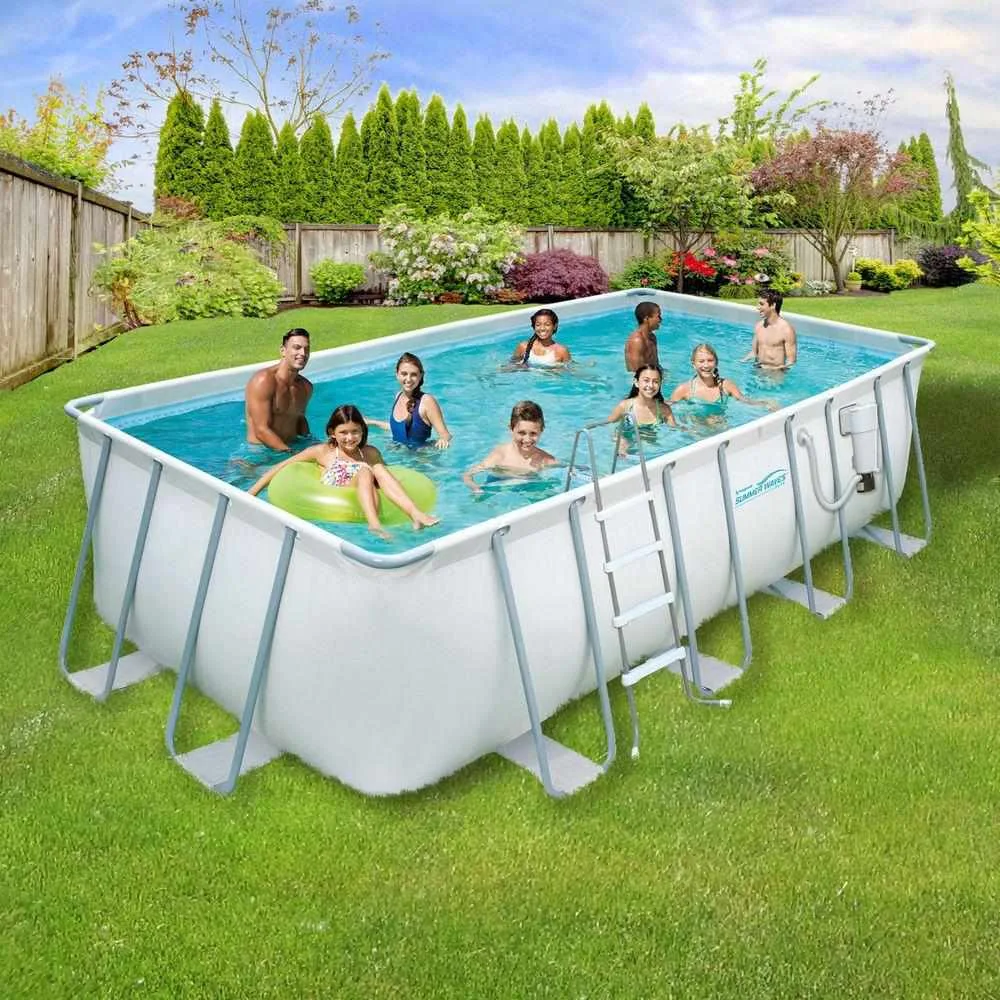
Image source: Bing (Web (fair-use with source credit))
How Local Rules Determine If You Need a Pool Permit
The biggest factor for needing a permit is always your specific location. There's no one-size-fits-all answer because regulations vary wildly from one city or town to the next. What's perfectly fine in one neighborhood might need several approvals in another.
Checking Your City, Town, or County Website
Most local governments have official websites that are treasure troves of information. You'll often find a dedicated section for building permits, planning, or zoning. This is usually the best first stop for initial research.
Look for documents or online portals that detail requirements for recreational structures or swimming pools.
Calling Your Local Building Department Directly
For the most definitive answer, pick up the phone and call your local building department or planning office. This direct approach cuts through any ambiguity. Be ready to provide basic details about the pool you're considering, like its approximate size and depth, to get the most accurate guidance.
What About Homeowners Associations (HOAs)?
If you live in a community managed by a homeowners association (HOA), you likely have an additional layer of rules to consider. HOAs often have their own specific covenants and restrictions regarding exterior modifications, including pools. You'll need to consult your HOA's guidelines in addition to any municipal requirements.

Image source: Bing (Web (fair-use with source credit))
Factors That Might Influence Permit Requirements
Even within a single municipality, a permit requirement can depend on several characteristics of the pool and its installation. These aren't arbitrary; they often tie back to safety and land-use considerations. Being aware of these factors can help you anticipate whether you're more or less likely to need official approval.
Pool Size and Depth Matters
This is one of the most common deciding factors. Many jurisdictions have a threshold for pool depth that triggers a permit requirement. For example, our research indicates that many areas require a permit if a pool exceeds 30 inches or 36 inches in depth, as deeper water poses greater safety risks.
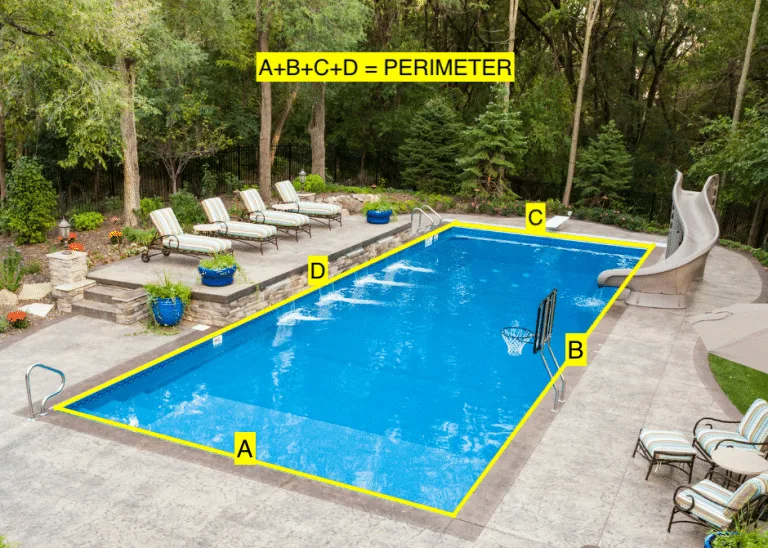
Image source: Bing (Web (fair-use with source credit))
Placement and Property Lines
Where you plan to put the pool is also critical. Local zoning ordinances dictate how close structures can be to property boundaries (setbacks) or your home. Installing a pool too close to a fence, a septic system, or utility lines can violate these rules, sometimes requiring a permit for the placement itself.
Is It a Permanent or Temporary Setup?
While all above-ground pools are technically removable, the way they are installed can influence how they're treated by local authorities. A pool set up on a temporary basis for a single season might have different rules than one placed on a permanent foundation or deck, which is often viewed as a more substantial structure.
Common Permit Pitfalls: Mistakes to Avoid
Skipping the permit process when it's required can lead to a cascade of problems. Understanding these common mistakes can help you steer clear of unnecessary stress and expense as you plan your pool installation. It’s always better to be over-prepared than to face consequences later.
- Assuming No Permit is Needed: The biggest mistake is assuming that because it's an "above-ground" pool, it doesn't require any official approval. This is rarely true if the pool meets certain size or depth criteria set by your local government.
- Ignoring Fencing or Safety Regulations: Many permit requirements are tied to mandatory safety features like fencing. You might get a permit for the pool itself but then be required to install a fence that meets specific height and gate latch standards, often regulated by the same department.
- Not Asking About HOA Rules: If you're in an HOA community, forgetting to check their specific guidelines can lead to trouble. Your HOA might have stricter rules than the city or county, and you could be fined or forced to remove the pool if you don't comply with their covenants.
Your Action Plan: How to Get the Right Answer
Navigating permit requirements can seem daunting, but it's a straightforward process if you follow a few key steps. Think of this as your roadmap to ensuring your new pool installation is compliant and hassle-free.
Step 1: Identify Your Governing Body
First, pinpoint who makes the rules for your backyard. This is usually your city or town's building department or planning office. If you live outside city limits, it will be your county's planning and zoning office.
Also, consider if you're part of a Homeowners Association (HOA), as they have their own sets of rules.
Step 2: Research Online or Call Directly
Once you know who to contact, check their official website. Look for sections labeled "Permits," "Building," or "Zoning." You might find downloadable applications or specific guidelines for pools. If online resources are unclear, make a direct phone call to the relevant department.
Have your address and basic pool details (size, depth) ready.
Step 3: Document Your Findings
Keep a record of all communications. Note the date and time you called, the name of the person you spoke with, and the exact information they provided. Save any emails, letters, or printed documents from the building department or HOA.
This documentation is your proof of due diligence if any questions or disputes arise later.
Frequently Asked Questions About Pool Permits
Do all above-ground pools need permits?
No, not all of them do. The requirement usually depends on local laws and specific pool features, like depth. Many places only require permits for pools exceeding a certain depth, often around 30 to 36 inches.
What if my pool is only a few feet deep?
Even shallow pools might need a permit if they meet other criteria, like a large surface area. Always verify the specific depth thresholds set by your local building department. Some regulations focus on total water volume or placement, not just how deep it is.
Can I just install a pool and hope for the best?
That's a risky approach. If authorities discover an unpermitted pool, you could face fines, be forced to remove it, or have issues with your homeowner's insurance. It's far better to confirm requirements upfront and get any necessary permits.
What kind of fencing is usually required?
Fencing requirements vary greatly but often include a minimum height (e.g., 4 feet), self-closing and self-latching gates, and specific spacing for vertical pickets. These are critical safety measures enforced by most municipalities.

