

Image source: Bing (Web (fair-use with source credit))
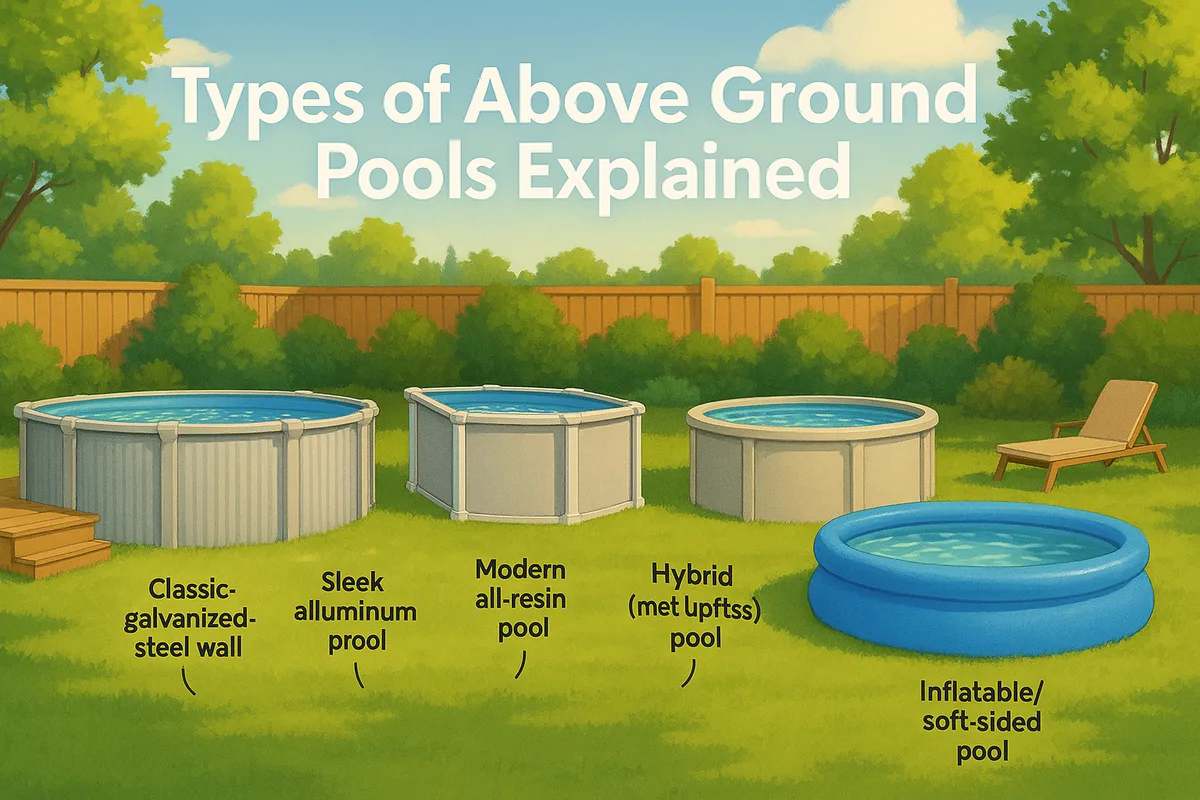
Picking the right material for your above-ground pool is a big decision that impacts everything from its lifespan to how much you'll be fiddling with it. If you've ever wondered, "What is the best above ground pool material?", you're not alone. We've dug into what makes steel, aluminum, and resin pools tick so you can make an informed choice.
Our research indicates that while steel, aluminum, and resin all offer valid options, their performance characteristics vary significantly, especially concerning maintenance and durability in different environments. For instance, manufacturer specifications confirm that aluminum alloys used in pool construction often meet standards like ASTM B209 for aluminum and aluminum-alloy sheet and plate, guaranteeing a certain level of corrosion resistance. Let's dive into the details.
Quick Answer
The best above ground pool material balances durability, maintenance, and cost for your specific needs. Steel offers robust strength but requires rust prevention. Aluminum provides excellent corrosion resistance with lower maintenance.
Resin is known for its ease of care and resistance to UV and chemicals.
What Matters Most: Key Features of Pool Materials
When you're looking at above-ground pools, the material used for the walls and frame is a primary consideration. Our research shows these key features significantly influence the pool's overall performance, longevity, and the effort you'll put into maintaining it. Understanding these attributes helps you match the pool to your lifestyle and backyard conditions.
Durability and Longevity
This refers to how well the pool material stands up to the elements and general wear and tear over time. A durable pool means fewer repairs and a longer service life, saving you money and hassle in the long run. Pools built with high-quality materials can last well over a decade, sometimes much longer, with proper care.
Corrosion and Rust Resistance
This is a critical factor, especially for pools exposed to water, chemicals, and varying weather. Rust, a common issue with ferrous metals like steel, can weaken the pool structure and lead to leaks. Non-corrosive materials like aluminum and resin offer a significant advantage here, reducing the risk of structural damage.
UV and Weather Impact
Direct sunlight and fluctuating temperatures can degrade certain materials, making them brittle or discolored. Pools often sit under the sun for many hours a day. Materials that resist UV radiation and temperature swings will maintain their integrity and appearance better, preventing premature wear and tear.
Weight and Installation Ease
The weight of the pool material can affect how easy it is to transport and assemble. Lighter materials may simplify the installation process, potentially reducing labor costs or allowing for easier DIY setup. Conversely, heavier materials often correlate with greater structural rigidity.
Steel Pools: The Strong Foundation
Steel has been a go-to material for above-ground pools for decades, prized for its sheer strength and ability to create sturdy, reliable structures. When you think of a really solid pool wall that can withstand pressure, steel is often the first material that comes to mind. It provides a robust framework that forms the backbone of many pool models.
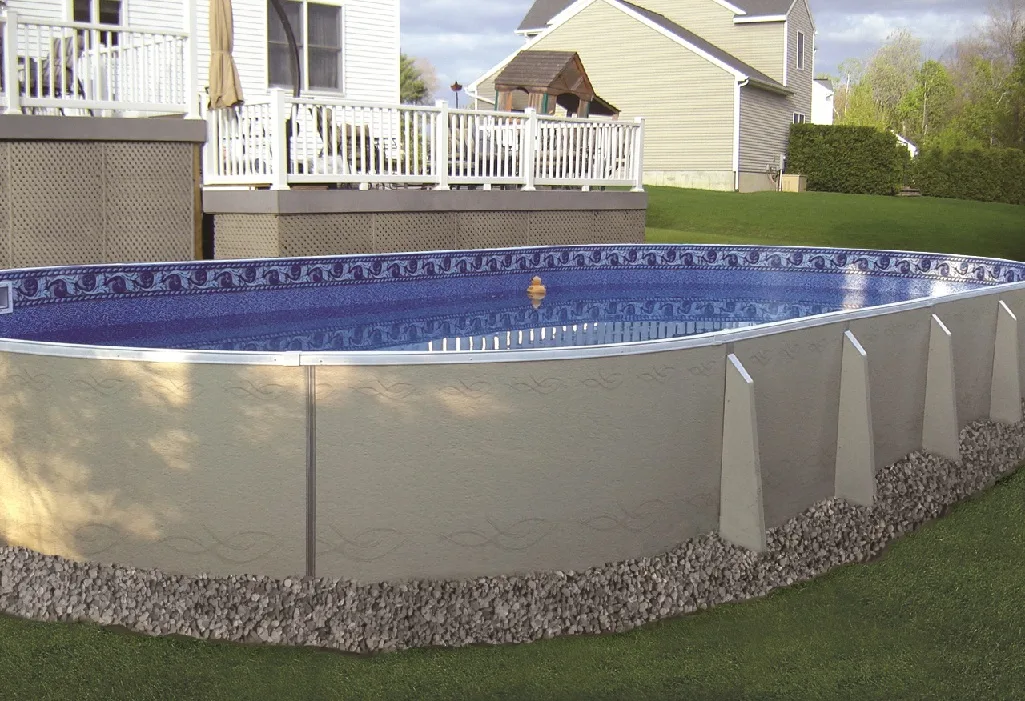
Image source: Web (Bing) / spectralrecords.com (Web image (fair-use with source credit))
However, the primary concern with steel is its susceptibility to rust. Most steel pool walls are coated with protective layers like zinc or polymer to prevent corrosion. If these coatings are scratched or damaged during installation or by abrasive cleaning tools, rust can begin to form, potentially compromising the pool's integrity over time.
Regular inspection and prompt touch-ups of any damaged areas are crucial for steel pool owners. Manufacturer specifications often detail the type and thickness of protective coatings used, which are key indicators of rust resistance.
Pros of Steel
- Exceptional Strength: Steel offers superior structural integrity, making it highly resistant to collapse or deformation under water pressure. This makes it a long-lasting option when properly maintained.
- Good Durability: When the protective coating is intact, steel pools can endure for many years, often 15-20 years or more, providing a significant return on investment.
- Cost-Effective: Compared to some other highly corrosion-resistant materials, steel can sometimes offer a more budget-friendly entry point, especially for larger pools where structural support is paramount.
Cons of Steel
- Rust Vulnerability: The biggest drawback is the potential for rust if the protective coating is breached. This requires vigilant maintenance and prompt repair of any scratches or chips.
- Weight: Steel components are heavy, which can make installation more challenging and may require more than one person, potentially increasing labor costs if you're not doing it yourself.
- Temperature Fluctuations: Steel can absorb and radiate heat, meaning the walls might feel quite warm or even hot to the touch on a very sunny day.
Aluminum Pools: The Rust-Proof Choice
Aluminum is a fantastic alternative to steel, offering many of the same structural benefits without the major drawback of rust. This makes it an excellent choice for regions with high humidity, coastal areas where salt spray is common, or simply for anyone who wants to minimize rust-related maintenance. The material's natural resistance to corrosion is its standout feature.
Aggregate reviews and manufacturer data indicate that aluminum pool components typically meet or exceed standards for outdoor structural materials. For instance, many aluminum pool frames are constructed from alloys that are naturally resistant to oxidation, meaning they won't form the flaky, damaging rust seen in steel. While aluminum can develop a dull oxidation layer over time, this is a surface effect and does not compromise the material's structural integrity.
Pros of Aluminum
- Excellent Corrosion Resistance: Aluminum does not rust, making it ideal for any climate, especially coastal or humid environments where rust on steel would be a significant concern.
- Lightweight: Aluminum is considerably lighter than steel, which can simplify the installation process and reduce the physical strain involved in assembling the pool.
- Durability: Despite its lighter weight, aluminum is very strong and durable, providing a long service life for the pool structure.
Cons of Aluminum
- Higher Initial Cost: Generally, aluminum pools tend to be more expensive upfront than comparable steel models due to the cost of the raw material and its manufacturing processes.
- Potential for Dents: While strong, aluminum can be more prone to denting than steel if subjected to sharp impacts, although this usually doesn't affect structural integrity.
- Heat Absorption: Similar to steel, aluminum can absorb heat from direct sunlight, making the pool walls warm to the touch on hot days.
Resin Pools: The Low-Maintenance Champion
Resin pools have surged in popularity, largely due to their impressive low-maintenance characteristics and resistance to common pool problems. Resin, typically a type of durable plastic, offers a different approach to pool construction, focusing on ease of care and resilience against the elements. This makes them a compelling option for homeowners seeking a more hands-off approach to pool ownership.
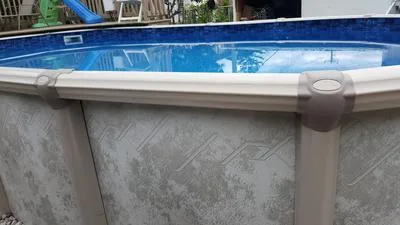
Image source: Bing (Web (fair-use with source credit))
Manufacturer specifications and consumer feedback highlight resin's excellent resistance to UV rays, chemical corrosion, and impact. Unlike metal pools, resin won't rust or corrode, and it tends to stay cooler in direct sunlight. This combination of properties means resin pools often require less immediate attention regarding material degradation, focusing upkeep efforts more on water chemistry and general cleanliness.
As of 2026, advancements in polymer technology continue to enhance the strength and longevity of resin pool components.
Pros of Resin
- Excellent Corrosion and Rust Proof: Resin is inherently resistant to rust, corrosion, and degradation from pool chemicals, making it a worry-free choice for water chemistry management.
- UV Resistant: High-quality resins are formulated to withstand prolonged exposure to sunlight without becoming brittle or fading, contributing to a longer aesthetic and structural lifespan.
- Lightweight and Easy to Install: Resin components are typically the lightest among the common pool materials, simplifying DIY installation and reducing transport weight.
- Stays Cooler: Resin absorbs and dissipates heat more effectively than metal, meaning the pool walls are usually cooler to the touch, even on very hot days.
Cons of Resin
- Potentially Less Rigid: While durable, some resin pools might not offer the same extreme rigidity as heavy-gauge steel, which could be a consideration in areas with very high wind loads or unusual structural stress.
- Cost Can Vary: While often competitive, high-end resin pools with advanced UV stabilizers and reinforced designs can sometimes be priced at the higher end of the market.
- Susceptibility to Punctures: Although tough, extreme sharp impacts from objects could potentially puncture or damage resin components, though this is rare with normal use.
Material Comparison: Which is Best For Your Needs?
Choosing the right material involves weighing the benefits and drawbacks against your personal priorities and local conditions. Steel offers ruggedness, aluminum provides rust immunity, and resin excels in ease of care. The table below breaks down these key differences to help you see which might align best with what you're looking for in an above-ground pool.
| Feature | Steel Pools | Aluminum Pools | Resin Pools |
|---|---|---|---|
| Durability | Very Strong | Very Strong | Good |
| Rust Resistance | Prone if coating fails | Excellent | Excellent |
| UV Resistance | Good (varies by coating) | Good | Very Good |
| Weight | Heavy | Lighter than Steel | Lightest |
| Maintenance | Requires coating care | Low | Very Low |
| Initial Cost | Mid-range to Higher | Higher End of Mid-range | Mid-range to Higher |
| Ideal For | Long-term investment, strength | Salty/humid climates, low rust | Easy care, all climates |
Best Pool Material For Your Backyard Scenario
Your specific environment and how you plan to use your pool should heavily influence your material choice. There's no single "best" for everyone; rather, there's a best fit for particular situations. Understanding these use cases can help you narrow down your options significantly.
For Maximum Durability: Steel & Aluminum
If your top priority is a pool that can withstand the test of time and potentially rougher use, steel and aluminum are your front-runners. Their inherent strength makes them highly resistant to structural failure. Steel, with its robust framework, is a traditional choice for those seeking a long-term, solid investment, provided regular checks for coating integrity are maintained.
Aluminum offers similar strength with the added benefit of never rusting, making it ideal for areas prone to moisture or salt.
For Hassle-Free Ownership: Resin
For those who prefer to spend more time enjoying their pool and less time maintaining it, resin is often the top pick. Resin pools excel in their resistance to rust, corrosion, and UV damage. This means less worry about structural degradation from water chemistry imbalances or prolonged sun exposure.
Their lighter weight also contributes to easier assembly and potential relocation if needed.
For Challenging Climates: Aluminum & Resin
If you live in a coastal region with salty air, or a place with very high humidity, aluminum and resin are the materials to focus on. Both are excellent at resisting rust and corrosion, which are major concerns in these environments. Salt spray can accelerate rust on steel very quickly, while aluminum and resin are not affected.
Similarly, high humidity can promote mold and mildew on some materials, but resin's non-porous nature and aluminum's inherent resistance make them superior choices for longevity in damp conditions.
Common Pool Material Mistakes to Sidestep
Even with the best intentions, people sometimes make missteps when choosing or caring for their above-ground pool material. Being aware of these common pitfalls can save you a lot of frustration and potential expense down the line. Our research into user feedback and product reviews highlights a few recurring issues to watch out for.
- Ignoring Protective Coatings: For steel pools, assuming the factory coating is invincible is a mistake. Even minor scratches from tools during setup or regular use can expose the metal. Failing to inspect regularly and touch up any damage promptly is a fast track to rust problems.
- Overlooking Climate Impact: Choosing a steel pool for a beachfront property with constant salt spray without understanding its rust vulnerability is another common error. Similarly, placing a pool in extremely direct, high-UV sunlight without considering the material's resistance can lead to premature degradation.
- Improper Cleaning: Using abrasive cleaners or stiff brushes on any pool material, but especially on coated steel or softer resins, can inadvertently damage the surface. This can lead to staining, weakening, or the removal of protective layers, initiating further issues.
- Underestimating Weight: For DIY installers, not factoring in the weight of steel or even aluminum components can lead to installation difficulties, requiring unexpected assistance or tools, and potentially causing damage if components are dropped.
Frequently Asked Questions About Above-Ground Pool Materials
How long does a steel above-ground pool typically last?
With proper maintenance, including regular inspection and touch-up of its protective coating to prevent rust, a steel above-ground pool can last between 10 to 20 years. Factors like water chemistry and climate can influence its lifespan.
Is aluminum a good choice for pool frames in humid areas?
Yes, aluminum is an excellent choice for pool frames in humid areas. Its natural resistance to rust and corrosion means it won't degrade or weaken due to constant moisture, unlike steel, making it a durable option for any climate.
Will resin pools fade or become brittle in the sun?
High-quality resin pools are designed with UV inhibitors to resist fading and becoming brittle from sun exposure. While some lower-quality resins might degrade over many years, most modern resin pools maintain their color and structural integrity well under normal sunlight.
Which material is generally the easiest to install?
Resin pool components are typically the lightest and easiest to handle, making them generally the easiest for DIY installation. Aluminum is also lighter than steel, simplifying assembly, while steel's weight and rigidity often require more labor and potentially specialized tools.
Can I use regular household cleaners on my pool walls?
It's generally not recommended to use standard household cleaners on pool walls, as they can be too harsh and may damage protective coatings or the material itself. Always use cleaners specifically designed for pool surfaces or mild soap and water for routine cleaning.

