

Thinking about adding some backyard fun with an above-ground pool but wondering about the investment? Knowing how much it costs to install an above ground pool is key to budgeting your summer project. It's not just about the pool kit; there are several other factors that influence the final price tag, from site preparation to accessories.
Our research shows that while the initial cost can be much lower than an in-ground pool, surprises can add up. For instance, standard pool fencing regulations, often mandated by local ordinances to ensure safety, can add several hundred to over a thousand dollars to the overall expense, depending on the material and length required.
Quick Answer
An above ground pool installation can cost anywhere from $1,000 to $8,000 or more. The price depends heavily on pool size, material, and whether you opt for professional installation. Site preparation, accessories, and local permits also impact the total.
What's Your Pool Budget? Key Cost Factors to Consider
When you're mapping out the cost to install an above ground pool, it’s wise to think beyond just the initial price of the pool itself. Several elements can significantly shift your budget, sometimes quite unexpectedly. Understanding these variables upfront helps you plan more accurately and avoid sticker shock down the line.
Image source: Bing (Web (fair-use with source credit))
Pool Size and Material Choices
The sheer size of the pool is perhaps the biggest driver of cost. Larger pools require more materials, more water, and often more complex support structures. Think about how many people will use it and how much space you have.
- Diameter: A 12-foot round pool will be considerably less expensive than an 18-foot or 24-foot model.
- Height: Pools typically come in standard heights (like 48", 52", or 54"), but higher walls might come with a higher price.
The material your pool is made from also plays a big role. Steel pools are often the most budget-friendly, but they can be more prone to rust over time if not maintained. Resin pools offer better durability and corrosion resistance, making them a mid-range option.
Hybrid pools, which combine steel and resin, aim for a balance of strength and cost-effectiveness.
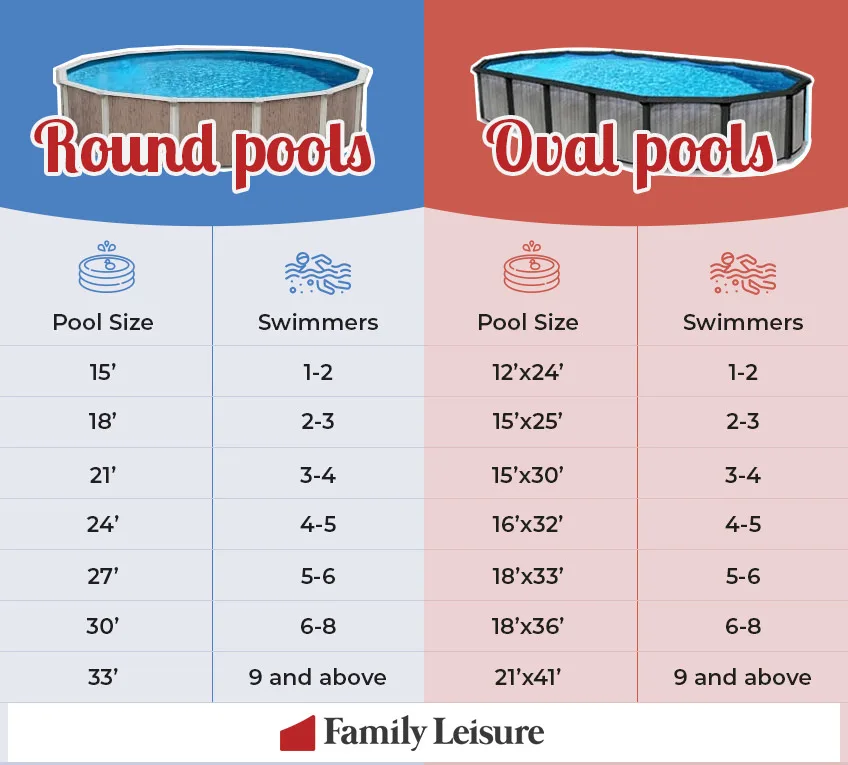
Image source: Bing (Web (fair-use with source credit))
Ground Preparation and Site Costs
This is an area where costs can really creep up if you're not prepared. Most above-ground pools require a perfectly level surface, and your backyard might not be naturally so. You'll need to consider:
- Leveling: If your yard slopes, you might need professional excavation or significant DIY effort to create a flat base. This can involve removing soil or adding fill material.
- Base Material: Many manufacturers recommend a sand or compacted aggregate base for the pool to sit on. This protects the liner and helps with stability. The cost of the material itself, plus delivery if you need a lot, adds to the bill.
- Drainage: You'll also need to think about where the pool water will go when you eventually drain it. Poor drainage around the pool area can lead to foundation issues or waterlogging.
Professional Installation vs. DIY Savings
This is a major decision point that directly impacts the cost. Installing an above-ground pool can be a demanding DIY project, but it’s achievable for many.
- DIY Installation: If you’re comfortable with following instructions, have a few strong helpers, and possess basic tool skills, you can save significantly on labor costs. A typical DIY installation might save you anywhere from $500 to $2,000 or more. However, it demands your time and effort, and mistakes can be costly.
- Professional Installation: Hiring a professional installer means you’re paying for their expertise, tools, and time. This is ideal if you're short on time, don't have help, or simply want the peace of mind that it’s done correctly. Professional services often include site preparation like leveling as part of their package, but always clarify this upfront.
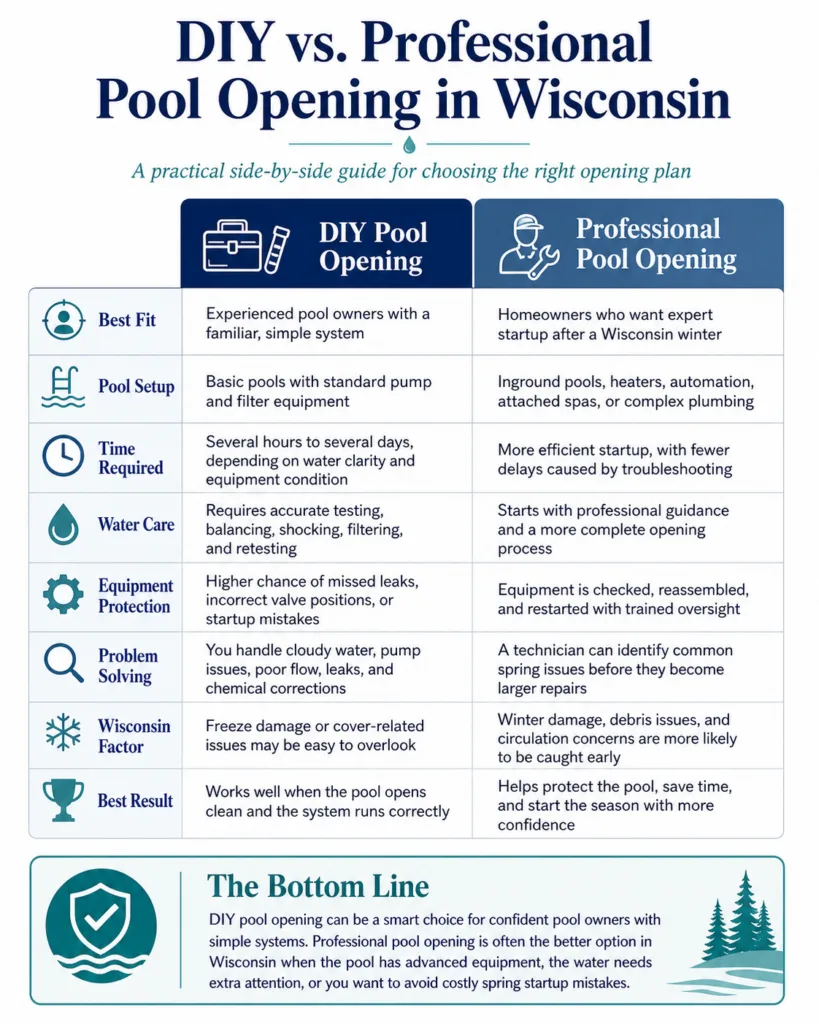
Image source: Bing (Web (fair-use with source credit))
Unpacking the Price Tag: What's Included in Pool Costs?
When you look at the price of an above-ground pool, it usually comes in a package, often called a "pool kit." But what exactly does that kit include, and what’s usually left out? Understanding this helps you budget accurately for the entire project, not just the main attraction.
The Pool Kit Itself
At its core, the pool kit contains the main structure. This typically includes:
- Walls: The corrugated steel or resin panels that form the main body of the pool.
- Top Rails and Uprights: These structural components connect the wall panels and provide support.
- Coated Metal Frame: For steel-walled pools, this is crucial for structural integrity.
- Vinyl Liner: This is the waterproof barrier that holds the water. Liners come in various patterns and thicknesses, with thicker liners generally being more durable and expensive.
The quality of these components can vary between brands and price points. Higher-end kits might use more robust materials or feature easier assembly systems.
Essential Accessories and Equipment
These are the items you absolutely need to make your pool functional, and they’re often sold separately or as part of a bundled package that isn't the "basic" kit.
- Pump and Filter System: You can't have clean pool water without one of these. They come in three main types:
- Sand Filters: Generally durable and require backwashing to clean.
- Cartridge Filters: Easy to maintain by rinsing the cartridge, but cartridges need replacing periodically.
- DE (Diatomaceous Earth) Filters: Offer the finest filtration but are the most complex and costly.
The size and type of your pump and filter system need to match your pool’s volume.
- Ladder or Entry System: You need a way to get in and out of the pool safely. Basic A-frame ladders are common for DIY installs, while more robust, multi-step ladders or even small deck-like entry systems are available at higher costs.
- Skimmer: This device helps remove surface debris like leaves and bugs before they sink and clog your filter. Most above-ground pools include an above-ground skimmer.
Optional Add-ons for Comfort and Fun
These are the extras that can enhance your pool experience but aren't strictly necessary for operation. Think of them as budget-friendly upgrades.
- Pool Cover: Essential for protecting the water from debris, reducing evaporation, and retaining heat. Options range from basic tarps to automatic covers.
- Pool Heater: Extends your swimming season, but can add significantly to both upfront and ongoing energy costs.
- Pool Lights: For evening swims and ambiance.
- Cleaning Tools: Vacuums (manual or automatic), brushes, and chemical testing kits.
- Saltwater System: An alternative to traditional chlorine that can be gentler on the skin but involves a higher initial investment.
The Cost of Professional Installation: Worth the Price?
Deciding whether to install your above-ground pool yourself or hire a pro is a big budget-maker. Professional installation typically adds a substantial amount to the total cost, but it brings its own set of benefits that many homeowners find worthwhile. As of 2026, professional installation rates can vary widely based on location and the complexity of the job.
What Installers Typically Charge
The cost for professional installation can range from $500 for smaller, simpler pools to $2,000 or even $3,000 for larger, more complex setups, especially those requiring significant site work. This fee generally covers:
- Labor: The time and expertise of the installation crew.
- Basic Tools and Equipment: They’ll have the specialized tools needed for a smooth assembly.
- Site Assessment: Often, they'll visit your property to ensure the location is suitable before quoting.
It's crucial to get detailed quotes from at least two or three reputable installers in your area. Ask precisely what services are included.
What's Covered by Installation Fees
A standard professional installation might include:
- Assembling the pool walls and frame.
- Installing the vinyl liner.
- Setting up the pump and filter system.
- Connecting basic plumbing.
- Ensuring the pool is level (though the extent of this can vary, clarify if major excavation is extra).
What’s often not included, and will increase the cost, are things like:
- Major site excavation or significant grading.
- Installing electrical hookups for pumps or lights (this usually requires a licensed electrician).
- Building a deck or steps around the pool.
- Installing fencing.
When DIY Might Cost You More
While DIY installation seems like the clear winner for saving money, it can sometimes end up costing you more in the long run.
- Mistakes: An improperly installed liner can lead to leaks, premature wear, or structural issues that necessitate costly repairs or even replacement.
- Time Commitment: Your time has value. If you have to take days off work or spend multiple weekends struggling with the setup, the financial savings might not feel worth it.
- Tool Purchases: You might need to buy or rent specific tools that you wouldn't otherwise own.
- Unforeseen Issues: If you encounter unexpected problems with your site or the pool kit, you’ll have to solve them on your own, potentially delaying the project and increasing stress.
Avoiding Hidden Costs and Common Installation Pitfalls
Even with the best intentions, installing an above-ground pool can present unexpected expenses and headaches if you’re not vigilant. Forewarned is forearmed, so let’s look at some common traps to avoid.
Permit Ponderings and Local Regulations
Many homeowners assume that above-ground pools don't require permits because they aren't permanent structures. However, this isn't always the case. Depending on your local municipality, you might need permits for:
- The pool itself: Especially larger models or those intended for year-round use.
- Electrical work: If you’re connecting a pump, heater, or lights, a licensed electrician will likely need to do the work, and permits will be required.
- Fencing: Most areas have strict regulations regarding pool fencing for safety, requiring specific heights, gate latches, and construction standards.
Failing to obtain necessary permits can lead to fines, orders to dismantle the pool, or difficulties when selling your home. Always check with your local building department before you start any work. Permit fees themselves can range from $50 to several hundred dollars.
Unexpected Site Challenges
Your backyard might look perfectly suitable at first glance, but hidden issues can arise during installation.
- Underground Utilities: Hitting a buried cable or pipe during excavation for leveling can be extremely expensive and dangerous. Always call your local utility locating service (like 811 in the U.S.) a few days before any digging.
- Soil Stability: Some soils are not suitable for supporting the weight of a large pool, especially when wet. A professional installer can often identify these issues, but a DIYer might overlook them.
- Drainage Issues: If the installation site doesn't drain well, water can pool around the base of the pool, leading to corrosion of metal components or even undermining the foundation over time.
Long-Term Maintenance Expenses
The cost doesn't stop once the pool is filled. Ongoing maintenance is crucial for the longevity and safety of your pool. Factor in annual costs for:
- Chemicals: Chlorine, shock treatments, algaecides, pH balancers.
- Water Testing Kits: To monitor chemical levels.
- Replacement Parts: Pump filters, skimmer baskets, and eventually, liner replacement (typically every 5-10 years).
- Energy Costs: For running the pump and any heater.
- Winterization Supplies: If you live in a climate that requires it.
For example, a basic set of pool chemicals can cost $100-$200 annually, while a replacement liner can easily be $300-$600 or more, plus installation if you're not doing it yourself.
Is an Above Ground Pool Right for Your Yard?
So, you're weighing the costs, but beyond the dollars and cents, does an above-ground pool actually fit your lifestyle and your property? It’s a decision that involves more than just looking at price tags; it's about understanding the trade-offs and what you truly want from your backyard oasis.
Weighing the Benefits and Drawbacks
The appeal of an above-ground pool is strong, primarily due to its affordability and speed of installation compared to its in-ground counterpart.
Benefits:
- Lower Upfront Cost: This is the main attraction. You can get a fully functional pool for a fraction of the price of an in-ground installation.
- Faster Installation: Many kits can be set up in a weekend or two, meaning you can be swimming much sooner.
- Portability: While not something most people do, above-ground pools can be disassembled and moved, offering flexibility.
- Less Invasive: Installation typically doesn't require major excavation or disruption to your entire yard.
- Safety Features: They often naturally incorporate some safety elements due to their height, but dedicated fencing is still crucial.
Drawbacks:
- Aesthetics: Many people find above-ground pools less visually appealing than in-ground options. They can sometimes look temporary or less integrated into the landscaping.
- Durability and Lifespan: While quality varies, they generally don't last as long as in-ground pools and can be more susceptible to damage from weather or accidental impact.
- Depth: Most above-ground pools are not as deep as in-ground pools, limiting certain activities like diving.
- Resale Value: While they add some value to a home, they typically don't add as much as a well-designed in-ground pool.
Who Benefits Most from Above Ground Pools
Above-ground pools are an excellent choice for several groups of people:
- Families on a Budget: If you want the fun of a pool without the significant financial commitment of an in-ground pool, an above-ground model is ideal.
- Renters (with permission): For those who don't own their home but want a temporary swimming solution, an above-ground pool can be a viable option if landlord approval is granted.
- Those Seeking Quick Enjoyment: If your main goal is to cool off and have fun during the summer months with minimal delay, the swift installation is a major plus.
- Homeowners Testing the Waters: If you're unsure about the long-term commitment of a permanent pool, an above-ground model allows you to experience pool ownership without the same level of investment.
- Properties with Specific Site Challenges: In some cases, due to slope, soil conditions, or underground utilities, an above-ground pool might be the only practical or affordable pool solution.
Step-by-Step Process: Installing Your Above Ground Pool
Installing an above-ground pool involves a series of ordered steps, and getting them right is crucial for safety and longevity. While professional installers follow their own refined procedures, understanding the basic workflow helps you manage a DIY project or better oversee hired help. The process begins with site selection and culminates in filling the pool with water.
Site Selection and Preparation
The first step is choosing the perfect spot. It needs to be a level area, free of rocks, roots, and sharp objects, ideally with good drainage away from the pool. Once chosen, prepare the ground meticulously.
This often involves clearing vegetation, leveling the soil using a shovel and tamper, and then adding a layer of sand or a specialized ground cloth to protect the liner. Manufacturer specifications often recommend a concrete pad or at least a compacted aggregate base for optimal support, though this adds to the cost.
Pool Frame Assembly
This is where the pool structure starts to take shape. You’ll typically assemble the bottom track, then insert the wall panels, securing them together. Next, uprights and top rails are attached to create a rigid framework.
Following the manufacturer's diagrams precisely is critical here; rushing this stage can lead to structural weakness later. For example, ensuring all connections are snug but not overtightened prevents damage to components.
Liner Installation
Once the frame is sturdy, the vinyl liner is carefully laid out and attached to the top edge. It's best to do this on a warm, sunny day, as heat makes the vinyl more pliable and easier to work with. You'll smooth out any wrinkles from the inside as you begin to fill the pool with a few inches of water, which helps set the liner properly against the bottom.
Plumbing and Filtration Setup
With the liner in place and some water added, you'll install the skimmer and the return fitting through the designated cutouts in the pool wall. These are connected to the pool pump and filter system, which sits outside the pool. Ensure all seals and gaskets are correctly positioned to prevent leaks, as this is a common point of failure if not done right.
Filling with Water
As the pool fills, you'll continue to smooth out any remaining wrinkles in the liner from the inside. It’s important to monitor the water level and the pool’s structure for any signs of stress or uneven settling. Filling can take anywhere from 12 to 48 hours, depending on your water source and the pool's volume.
Mistakes to Avoid: Common Installation Pitfalls
Even with the best intentions, several common mistakes can turn a dream pool into a costly headache. Being aware of these pitfalls beforehand can save you time, money, and a lot of frustration. The goal is a safe, stable, and long-lasting pool, and avoiding these errors is key.
Uneven Ground Installation
This is perhaps the most critical mistake. If the ground isn't perfectly level before installation, the weight of the water will put uneven pressure on the pool walls and liner. One side might bear more weight than the other, leading to wall collapse, liner tears, or structural damage.
Always use a level and take the time to prepare the site meticulously, even if it means paying for excavation or using a leveling compound.
Improper Liner Installation
Wrinkles in the liner are more than just unsightly; they can lead to premature wear and tear. If significant wrinkles aren't smoothed out as the pool fills, they can trap debris and cause stress points on the vinyl. It’s also a mistake to stretch the liner too tightly during installation, as this can stress the seams.
Following the manufacturer's advice on filling during liner installation is paramount.
Ignoring Manufacturer Instructions
Every pool kit comes with a specific manual, and it's there for a reason. Deviating from the recommended assembly order, using incorrect tools, or skipping steps like securing the top rails properly can compromise the pool's integrity. For example, some manufacturers specify a particular type of base material or require specific anchoring for certain components.
Incorrect Pump and Filter Sizing
An undersized pump and filter won't adequately circulate and clean the water, leading to cloudy water, algae growth, and potential damage to the system from overworking. Conversely, an oversized system might be inefficient or too powerful for the liner's connections. Ensure your pump and filter are rated for your pool’s gallon capacity.
Overlooking Electrical Safety
Connecting the pump, especially if it’s not a GFCI-protected, plug-in model, requires proper electrical work. If you don't have experience with outdoor electrical installations, always hire a licensed electrician. Improper wiring can lead to electrocution hazards or damage to your equipment, and it's often a code violation that could cost you.
Costs: What to Expect for Pools, Parts, and Labor
When you're planning your above-ground pool project, having a clear picture of the associated costs is essential. These expenses can be broken down into the pool kit itself, necessary accessories, and the labor involved in setup. Prices vary based on brand, size, material, and your geographic location.
Here’s a general breakdown of potential costs, keeping in mind that these are estimates as of 2026 and can fluctuate:
| Item | Estimated Cost Range (USD) | Notes |
|---|---|---|
| Basic Pool Kit | $500 – $3,000 | Small to medium sizes, steel frame, basic liner. |
| Mid-Range Pool Kit | $3,000 – $6,000 | Larger sizes, resin or hybrid frame, better liners, enhanced features. |
| Premium Pool Kit | $6,000 – $10,000+ | Very large, high-end materials, complex designs. |
| Pump & Filter System | $150 – $800 | Varies by type (sand, cartridge, DE) and capacity. |
| Ladder/Entry System | $50 – $500 | Basic ladder vs. more elaborate deck-style entry. |
| Ground Preparation | $100 – $1,000+ | DIY materials vs. professional excavation/leveling. |
| Professional Install | $500 – $2,000+ | Depends on pool size, complexity, and local labor rates. |
| Accessories | $100 – $500+ | Covers, lights, heater, cleaning tools, etc. |
| Permits | $50 – $300 | Varies greatly by municipality. |
Example Scenario: A 15-foot round, 52-inch high steel pool kit with a sand filter and basic ladder might cost around $1,500 for the kit. If you do the site prep yourself with sand ($100) and install it yourself (saving $1,000 in labor), your total could be around $2,600 before accessories. However, if you opt for a 21-foot resin pool with professional installation, electrical work, and a heater, the total could easily reach $8,000 or more.
Expert Tips for Smart Pool Ownership
Beyond the initial installation costs, smart choices and ongoing practices can significantly impact your long-term experience and expenses. Our research suggests focusing on durability, efficient operation, and preventative maintenance from day one.
Choose Quality Components Over Price Alone
While it's tempting to go for the cheapest pool kit, investing a little more in a reputable brand with better materials can pay off. Steel frames coated for rust resistance or resin components tend to last longer than basic steel. Similarly, a robust pump and filter system, while more expensive upfront, will keep your water cleaner with less hassle and potentially last longer.
Always check manufacturer warranties.
Invest in a Good Pool Cover
A quality pool cover is one of the best investments you can make. It drastically reduces the amount of debris that enters your pool, meaning less cleaning and fewer chemicals used. It also helps retain heat, potentially lowering your heating costs if you have a pool heater, and reduces water evaporation.
Solar covers are particularly effective for warming the water naturally.
Consider a Saltwater System
While the initial setup cost for a saltwater chlorine generator is higher than for a traditional chlorine feeder ($500-$1,000 vs. $50-$150), the long-term savings and benefits can be substantial. Salt systems produce chlorine more efficiently and consistently, often leading to a gentler swimming experience with less of the harsh chemical smell associated with traditional chlorine. The ongoing cost of salt is generally lower than purchasing chlorine tablets or liquid.
Schedule Regular Maintenance
Don't wait for problems to arise. Regularly testing your water chemistry (pH, alkalinity, chlorine levels) and cleaning the filter are crucial. Weekly brushing and skimming will prevent debris from settling and decaying, which can affect water quality and strain your pump.
Following a consistent maintenance schedule, as outlined by your pool’s manual, is far more cost-effective than dealing with major issues later.
Safety First: Essential Regulations and Warnings
Above-ground pools bring fun, but they also come with responsibilities. Safety regulations are in place to protect swimmers, especially children, and adhering to them is not optional. Understanding and complying with these rules is part of the installation cost and ongoing ownership.
Fencing and Barriers
Most local building codes mandate safety fencing around all swimming pools, including above-ground models. The purpose is to prevent unsupervised access by children or pets. Common requirements include:
- Minimum Height: Typically 4 to 5 feet.
- Spacing: Vertical pickets should be no more than 4 inches apart, and horizontal members should not create a climbing aid.
- Self-Closing and Self-Latching Gates: Gates must open outward from the pool and have latches that operate at a height inaccessible to young children.
The cost of fencing can vary widely depending on the material (vinyl, aluminum, wood) and the total length required. For a medium-sized pool, this can add anywhere from $500 to $2,500 or more to your total project cost. Always check with your local authority for specific requirements.
Electrical Safety Standards
Pool pumps, heaters, and lighting systems all require electricity. To prevent electrocution, installations must meet strict electrical safety standards, often guided by the National Electrical Code (NEC) in the U.S. This means:
- GFCI Protection: All circuits powering pool equipment must be protected by a Ground Fault Circuit Interrupter (GFCI) outlet or breaker. These devices rapidly shut off power if they detect a fault, preventing shocks.
- Proper Wiring: Underground wiring must be of a type rated for direct burial, and all connections must be waterproof.
- Distance Requirements: Electrical components must be installed a safe distance from the pool's edge.
If you are not a qualified electrician, you must hire a licensed professional for all electrical work. DIY electrical installation for pool equipment is extremely dangerous and illegal in many places. The cost of hiring an electrician can add several hundred dollars to your installation budget.
Water Safety and Supervision
Beyond structural barriers, responsible pool ownership includes active supervision. Drowning is a leading cause of accidental death for young children, and it can happen quickly and silently, even in shallow water.
- Constant Supervision: Never leave children unattended near or in the pool, even for a moment.
- Learn CPR: Having someone on-site who knows cardiopulmonary resuscitation is a vital safety measure.
- Pool Alarms: Consider alarms that sound if someone enters the water or the pool area.
- Emergency Equipment: Keep a life hook or reaching pole readily accessible.
Adhering to these safety measures is paramount, regardless of how much you've spent on the pool itself.
Frequently Asked Questions About Above Ground Pool Costs
How long does setup take?
Setup time varies greatly. A small, basic pool kit might be assembled by two people in a single weekend. Larger or more complex models, especially those requiring extensive site leveling or professional installation, can take several days to a week.
Are there ongoing maintenance costs?
Yes, absolutely. Beyond the initial installation, you'll incur costs for pool chemicals, filter replacements, water testing supplies, electricity to run the pump, and potentially pool covers or heaters. Annual maintenance can range from $200 to $800 or more, depending on pool size and usage.
Do I need a permit?
In many areas, yes. Check with your local building department. Permits may be required for the pool itself, electrical hookups for pumps and lights, and especially for mandatory safety fencing.
Failure to get permits can result in fines or removal orders.
Can I install an above ground pool on uneven ground?
No, an above-ground pool requires a perfectly level base to ensure structural integrity and prevent damage. If your ground isn't level, you'll need to spend extra on excavation, grading, or a custom-built platform, which significantly increases installation costs.
How long do above ground pools typically last?
With proper maintenance, a quality above-ground pool can last anywhere from 10 to 20 years. The lifespan depends heavily on the materials used (steel vs. resin), the quality of the liner, and how well it's cared for, including regular chemical balancing and proper winterization.
Your Decision Guide: Finding the Best Value for Your Pool Project
Deciding how much to spend on an above-ground pool comes down to balancing your budget with your expectations for size, durability, and convenience. If cost is your primary concern, a smaller steel-framed pool with a basic vinyl liner and a DIY installation will be the most budget-friendly route. Expect to spend between $1,000 to $3,000 for the kit and basic accessories, plus any site preparation materials.
For a better balance of durability and aesthetics, consider a mid-range resin or hybrid pool. These might range from $3,000 to $6,000 for the kit. If you opt for professional installation on this type of pool, factor in an additional $1,000-$2,000.
Adding accessories like a heater, automatic cleaner, or a more robust entry system can easily push the total cost towards the $6,000-$8,000 mark. Always get detailed quotes, factor in local labor rates, and remember to budget for ongoing maintenance costs to truly understand the long-term investment.

