


Image source: Bing (Web (fair-use with source credit))
Considering an above ground pool and wondering if it's a straightforward commitment or a constant chore? "Easy" is a moving target for pool care, depending heavily on your setup and diligence. We've broken down the factors that make maintenance manageable for some and a headache for others.
While above ground pools generally require less intensive upkeep than in-ground models, consistent effort is crucial. Manufacturer specifications for common sand filtration systems, like Hayward or Pentair, recommend backwashing at least monthly or when the pressure gauge indicates a need. This, along with regular water testing and chemical balancing, forms the backbone of keeping your pool inviting.
Let’s dive into what truly makes pool maintenance easy for you.
Quick Answer
Above ground pools can be easy to maintain with a commitment to weekly tasks. Their ease depends on pool size, filtration, and consistent care. Regular testing, cleaning, and chemical balancing are key.
A sand filter system and a good pool cover significantly simplify upkeep.
The Real Question: What Does "Easy" Mean for Your Pool?
The word "easy" in pool maintenance isn't one-size-fits-all. What's simple for one person might be a lot of work for another. It boils down to a few crucial variables shaping your experience.
Understanding these factors upfront is key to setting realistic expectations if you're seeking minimal effort.
Your perception of ease depends heavily on the pool's specific design and your tools. For example, a smaller 10-foot round pool demands less time than a larger oval model. Similarly, the filtration system type and your chosen sanitization method play a huge role.
Your Pool's DNA: What Affects Maintenance Ease?
Pool Size and Type: Bigger Means More Work?
The physical dimensions and construction of your above-ground pool fundamentally affect its maintenance demands. A smaller pool, like a 10-foot diameter model, has less surface area and water volume to manage compared to a 24-foot diameter or a 30-foot oval pool. This directly impacts filtration needs, chemical requirements, and cleaning time.
- Smaller Pools (e.g., 10-15 ft diameter): Typically require less water, fewer chemicals, and quicker cleaning sessions, making them ideal if simplicity is your top priority.
- Larger/Oval Pools (e.g., 18+ ft diameter or 15×30 ft oval): Involve greater water volume, translating to higher chemical needs for balance, longer filtration cycles, and more time for tasks like vacuuming.
Material plays a minor role; while modern above-ground pools use robust steel frames or durable inflatable structures, the liner is key. Though tear resistance has improved, vigilance against punctures remains a maintenance consideration.
Filtration & Sanitization Systems: Tech Matters
The heart of a pool's cleanliness lies in its filtration and sanitization systems. These are critical to water clarity and safety, and their type significantly influences maintenance "ease."
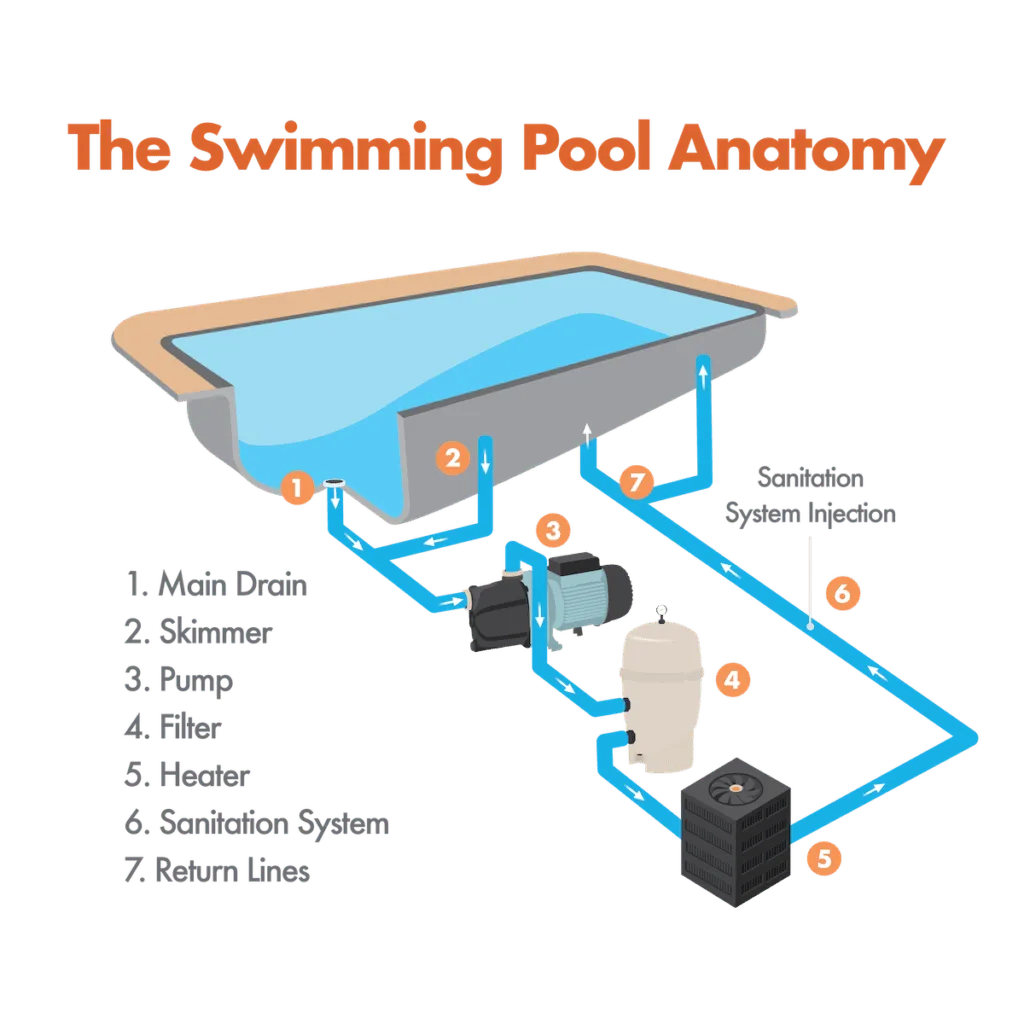
Image source: Bing (Web (fair-use with source credit))
Three main filter types have different maintenance profiles:
- Sand Filters: Often considered the easiest to maintain. Periodically reverse water flow to backwash out debris. This takes about 15 minutes and requires sand media replacement every 3-5 years. Manufacturer specs often recommend checking the pressure gauge; when it rises 8-10 PSI above clean operating pressure, it's time to backwash.
- Cartridge Filters: Use a pleated polyester cartridge to trap debris. Maintenance involves removing and rinsing the cartridge with a hose, typically weekly or bi-weekly depending on usage and debris. Cartridges need replacement every 1-2 years.
- Diatomaceous Earth (DE) Filters: Offer the finest filtration but are the most labor-intensive. After backwashing, you must add new DE powder. They require annual disassembly and deep cleaning.
Sanitization options also affect ease:
- Traditional Chlorine: The most common method, requiring regular testing and chlorine addition. It can be a balancing act to maintain optimal levels.
- Saltwater Systems: Convert salt into chlorine via electrolysis. Many users find these easier due to continuous chlorine production, more stable levels, and softer water. However, they have a higher upfront cost and require occasional salt addition and cell cleaning.
- Other Systems (Bromine, Ozone, UV): Can be used alone or with chlorine. Bromine is often more stable in heat but pricier. Ozone and UV systems reduce chemical needs but have their own equipment maintenance.
The Maintenance Workflow: What You'll Actually Do
Keeping an above-ground pool in good shape involves a series of smaller, consistent actions. Understanding this workflow helps you see how manageable it can be when prepared.
Daily & Weekly Checks: The Bare Minimum
These quick habits prevent bigger problems. Dedicating just a few minutes daily or a bit longer weekly can save significant hassle.
Daily (If the pool is in regular use, or during hot/sunny periods):
- Skim the Surface: Use a leaf skimmer to remove floating debris like leaves, bugs, or pollen. This prevents them from sinking and decaying, which clouds water and consumes sanitizer.
- Check Skimmer Basket: Ensure the skimmer basket isn't full. A clogged basket reduces pump and filter water flow.
Weekly:
- Water Testing: This is non-negotiable. Test pH, total alkalinity, and sanitizer (usually free chlorine) levels. Test strips are quick; liquid test kits often provide more accurate readings.
- Brush Walls and Floor: Even without visible grime, brushing dislodges microscopic algae and debris before they become problems. Pay attention to steps and areas with less direct water flow.
- Vacuum: If debris has settled on the bottom, vacuuming is necessary. This can be manual, attached to your skimmer, or via an automatic cleaner.
Chemical Balancing Act: Keeping Water Safe and Clear
Maintaining proper water chemistry is arguably the most critical, and sometimes intimidating, aspect of pool care. When balanced, water is safe for swimmers and protective of pool components.
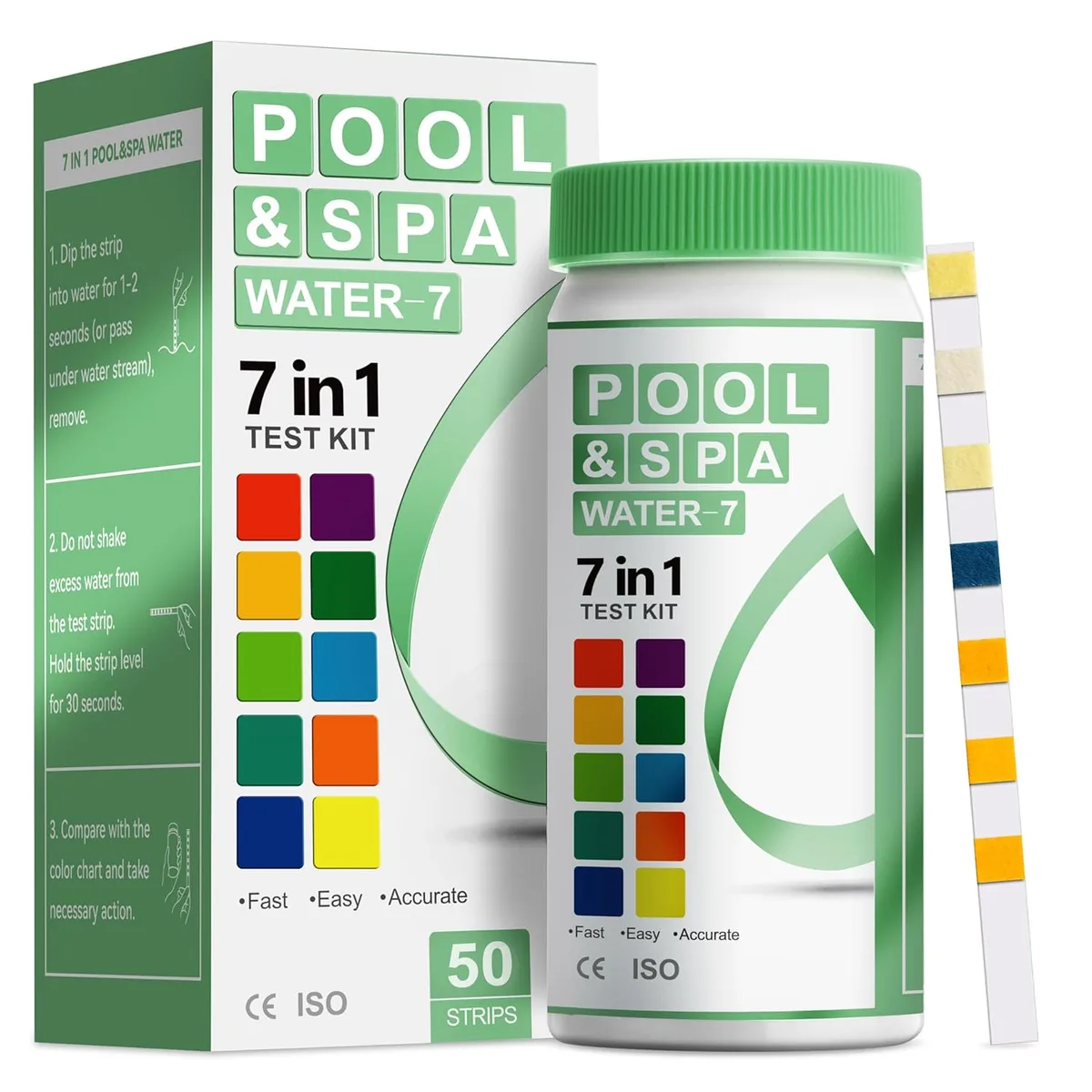
Image source: Bing (Web (fair-use with source credit))
Key parameters to monitor and adjust are:
pH: Measures water acidity/basicity on a 0-14 scale.
- Ideal Range: 7.2 to 7.6.
- Too Low (Acidic): Can corrode metal parts, irritate eyes, and damage liners.
- Too High (Basic): Reduces chlorine effectiveness, causes cloudy water, and leads to scale buildup.
- Adjusters: Use pH Increaser (soda ash) to raise pH, and pH Decreaser (muriatic acid or sodium bisulfate) to lower it.
Total Alkalinity (TA): Acts as a buffer for pH, keeping it stable.
- Ideal Range: 80 to 120 parts per million (ppm).
- Too Low: pH can fluctuate wildly.
- Too High: Can cause cloudy water and scaling.
- Adjusters: Use Alkalinity Increaser (sodium bicarbonate) to raise TA. Lowering TA usually requires adding pH Decreaser and allowing aeration.
Sanitizer (Free Chlorine): Kills bacteria, viruses, and algae.
- Ideal Range: 1 to 4 ppm for free chlorine.
- Too Low: Risk of bacterial growth and algae blooms.
- Too High: Can cause skin/eye irritation and damage pool surfaces.
- Adjusters: Add liquid chlorine, granular chlorine, or use a salt system/other sanitizer.
Shocking: Periodically, usually after heavy use, rain, or when sanitizer levels drop drastically, "shock" the pool. This involves adding a large dose of sanitizer (typically chlorine) to oxidize contaminants and kill resistant organisms. Follow product instructions carefully for correct dosage based on pool volume.
Cleaning Up: Brushing, Skimming, and Vacuuming
This is the visible part of pool maintenance, making a huge difference in how inviting your pool looks and feels. Consistent cleaning prevents debris from breaking down and causing water chemistry issues or staining.
Skimming: A daily check for surface debris is quick but essential. Leaves, twigs, and floating insects can spoil water if left to sink and decompose. A simple net skimmer is your first defense.
Brushing: Once a week, or more if anything settles, scrub pool walls and floor. This is vital for preventing algae, especially in corners or areas with less direct water flow. A pool brush on a telescoping pole makes this manageable.
Vacuuming: Tackles debris settled on the pool floor.
- Manual Vacuuming: Attach a vacuum head and hose to your skimmer and move it slowly across the bottom. It’s effective but time-consuming.
- Automatic Cleaners: Robotic or suction-side cleaners can do the work for you, freeing your time. They range from simple hose-driven units to more sophisticated robotic models.
Filter Care: The Heart of Your Pool's Health
Your pool filter works tirelessly to remove fine particles, keeping water clear and clean. Neglecting filter maintenance is a fast way to create big problems.
Sand Filters: Generally low-maintenance. The primary task is backwashing when the pressure gauge indicates a need. Sand lasts for years but eventually needs replacement for efficiency.
Cartridge Filters: Require more frequent attention. Periodically shut off the pump, remove the cartridge, and rinse it thoroughly with a garden hose. Stubborn buildup may need a specialized cleaner. As cartridges age, they lose effectiveness and need replacement, usually every 1-2 seasons.
DE Filters: Offer excellent clarity but demand more involved cleaning. After backwashing, add fresh Diatomaceous Earth powder. Annual disassembly for deep cleaning is often recommended.
Filter cleaning frequency depends on usage, environment (shedding trees), and filter type. A good rule for cartridge filters is to clean them when the pressure gauge reads 8-10 PSI above clean running pressure, or at least monthly during peak season.
Seasonal Prep and Pack-Up
Above ground pools are often seasonal, requiring opening and closing routines.
Opening: Typically involves removing the winter cover, cleaning debris, refilling if necessary, and running filtration/sanitization systems. Then, perform initial water testing and balancing, often including shocking.
Closing: Before cold weather, properly close your pool. This includes thorough cleaning, balancing water chemistry, lowering water level (per manufacturer instructions to prevent freezing damage), winterizing pump and filter, and installing a robust winter cover to keep out debris and prevent algae over winter. Many owners use specialized winterizing chemicals.
Common Pool Maintenance Pitfalls to Sidestep
Even with the best intentions, common mistakes can turn routine care into a frustrating battle. Knowing these pitfalls in advance helps you avoid them.
The Algae Invaders: What Causes Them and How to Fight Back
Algae can appear in various colors (green, yellow, black, or pink) and quickly turn a clean pool unsightly. Root causes are usually lack of sanitizer, poor circulation, or unbalanced pH.
Causes:
- Low Sanitizer Levels: Insufficient chlorine or sanitizer allows present algae spores to multiply.
- Poor Circulation: If the pump/filter aren't running long enough, or if there are dead spots, algae can take hold.
- Unbalanced pH: High pH significantly reduces chlorine effectiveness.
- Phosphates: Nutrients from fertilizers, leaves, and some chemicals feed algae.
Prevention & Treatment:
- Maintain Proper Sanitizer Levels: Test regularly and keep chlorine (1-4 ppm) or chosen sanitizer in range.
- Run Your Filter System Adequately: Aim for 8-12 hours daily during peak season for proper circulation.
- Balance Water Chemistry: Keep pH between 7.2-7.6 and alkalinity between 80-120 ppm.
- Brush Regularly: Dislodge nascent algae growth.
- Shock the Pool: If you spot algae or low sanitizer, shocking kills it off. Repeat process and brush vigorously if needed.
- Algaecides: Can be used preventatively or to combat existing algae, but are most effective with proper sanitation and water balance.
Cloudy Water Woes: Troubleshooting the Murk
Cloudy water is a common sign something is off, usually indicating poor filtration, imbalanced water chemistry, or too many contaminants.
Causes:
- Low Sanitizer: A primary culprit, as sanitizer keeps water clean.
- Imbalanced pH and Alkalinity: Makes sanitizer less effective, allowing metals or minerals to leach in.
- Filter Issues: A dirty, undersized, or insufficiently run filter can't remove fine particles.
- High Calcium Hardness: Can lead to scaling and cloudy water.
- Organic Contaminants: Debris, sunscreen, body oils, and sweat consume sanitizer and cause cloudiness.
Solutions:
- Test and Balance Water: Ensure pH and alkalinity are correct, then check sanitizer levels.
- Clean/Backwash Filter: Ensure the filter is clean and running efficiently. Check the pressure gauge.
- Shock the Pool: Oxidizes contaminants and kills microscopic organisms causing cloudiness.
- Use a Clarifier: Coagulates tiny particles, making them large enough for the filter to trap.
- Run the Filter System: Keep the pump running 24/7 until water clears.
Chemical Chaos: Over or Under-Dosing Nightmares
Getting chemical dosages right is tricky. Too little risks water quality issues; too much creates safety hazards and damages your pool.
Under-Dosing:
- Risk: Inadequate sanitation leads to bacteria and algae growth, making water unsafe and potentially causing skin infections or algae blooms.
- Detection: Low sanitizer readings, cloudy or green water, and a "swimming pool smell" (indicating combined chlorine).
Over-Dosing:
- Risk: High chemical levels can cause severe skin/eye irritation, damage swimsuits and liners, and create hazardous fumes. Over-chlorination can degrade plastic components.
- Detection: Very high sanitizer readings, strong chemical odors, skin/eye irritation, and sometimes bleached surfaces/accessories.
- Correction: Letting the pool aerate is best. Running the filter system helps dissipate chemicals. For extreme over-chlorination, a partial drain and refill might be necessary. Always follow product label instructions precisely based on pool gallonage.
Is an Above Ground Pool the Right Fit for You?
Deciding if an above-ground pool aligns with your maintenance expectations requires an honest look at your lifestyle and commitment. They offer more accessible pool ownership but not zero effort. Understanding the typical owner experience helps gauge if it’s a good match.
Who Typically Finds Them Easy to Maintain?
Individuals and families prepared for consistent, short weekly maintenance tasks often find above-ground pools manageable. This includes those who:
- Understand Water Chemistry Basics: They know the importance of regular testing (at least weekly) and are comfortable adding chemicals like pH adjusters and sanitizers.
- Have Time for Weekly Tasks: Committing about 30-60 minutes weekly for testing, brushing, skimming, and filter checks is usually sufficient for smaller to medium pools.
- Invest in Decent Equipment: Having a reliable pump and filter system, like a sand filter, significantly reduces daily upkeep complexity.
- Use a Pool Cover: A good cover drastically cuts down debris, meaning less skimming and vacuuming.
For these owners, the initial investment is lower, setup is faster, and ongoing care is a predictable summer routine. They see it as part of enjoying their backyard amenity, not a burdensome chore.
Who Might Struggle with Maintenance?
Conversely, some individuals find maintaining an above-ground pool more challenging than anticipated, often due to unrealistic expectations or lack of preparation.
- Those Seeking Zero Effort: If you expect a pool requiring absolutely no regular attention, you'll likely be disappointed. Even automated systems need oversight.
- Busy Schedules: If your week is packed, finding even 30 minutes consistently can be difficult, leading to skipped tasks that snowball into bigger problems.
- Fear of Chemicals: Hesitancy to handle pool chemicals can lead to avoidance and poor water quality.
- Inadequate Equipment: Using a pump or filter too small for the pool size results in constant struggles with clarity and sanitation.
For these owners, perceived lack of ease often stems from a reactive rather than proactive approach. They address problems only when significant, making solutions more complex and time-consuming.
Expert Tips for Smoother Sailing (and Swimming!)
Our research and analysis reveal that "ease" in above-ground pool maintenance is largely about adopting smart habits and understanding your setup. These expert tips can make a real difference.
Proactive Prevention is Key: Don't wait for problems. Regular water testing, consistent chemical balancing, and routine cleaning are far easier than fixing severe algae blooms or equipment failure. Think of it like preventative car maintenance; a little effort now saves a lot of trouble later.
Invest in the Right Tools: A quality pool cover is a top investment. It keeps out debris, reduces evaporation, and retains heat. A reliable test kit (liquid kits are generally more accurate than strips), a good skimmer, and a brush suitable for your liner material will also simplify tasks.
Understand Your System: Whether sand, cartridge, or DE filter, or chlorine or saltwater system, read the manufacturer's manual. Knowing how your specific equipment works and its maintenance schedule is crucial. For example, understanding the pressure gauge on your sand or cartridge filter tells you exactly when it needs attention.
Frequently Asked Questions About Pool Maintenance Ease
How long does setup typically take for an above-ground pool?
Setup times vary widely, from a few hours for small inflatable pools to 1-3 days for larger, framed metal pools. This includes site preparation, assembly, and filling with water.
How often do I need to test my pool water?
Test your pool water at least once a week, ideally twice if in heavy use or during hot weather. Daily quick tests for sanitizer levels may be beneficial if experiencing issues or during extreme conditions.
What are the most common mistakes new pool owners make?
New owners often neglect regular water testing, fail to run their filter system long enough daily, and overdose or underdose chemicals. Ignoring preventative maintenance is also a significant error leading to more complex problems.
Can I leave my pool pump running 24/7?
While some owners do, it's generally recommended to run your pump and filter system for 8-12 hours per day during the swimming season. This ensures adequate water circulation and filtration without excessive energy consumption. Running it longer during heavy use or chemical treatment periods is also common.
Your Personal Pool Maintenance Decision Guide
Ultimately, whether an above-ground pool feels "easy" to maintain is a personal assessment. It's not about the pool itself as much as your readiness to engage with its needs. If you're willing to invest a small amount of consistent time each week for testing, balancing, and cleaning, and understand basic water chemistry and filtration, then yes, an above-ground pool can absolutely be a low-stress, enjoyable addition to your home.
Consider the factors discussed: pool size, filtration and sanitization system type, and your schedule/willingness for regular tasks. By setting realistic expectations and adopting a proactive approach, you can ensure your above-ground pool is a source of summer fun, not constant work.

