

So, you're dreaming of summer dips and backyard splashes, and an above-ground pool is on your radar. But before you dive in, the big question is: are above ground pools easy to install? The truth is, it really depends on your situation, the type of pool, and how much prep work you're willing to do.
It's not always as simple as just inflating a toy.
Manufacturer specifications for many rigid-wall pools indicate that installation can take anywhere from a full weekend to several days, depending on site conditions and the number of people helping. If you're looking for a straightforward setup with minimal fuss, understanding the variables is key. Let's break down what makes the process manageable and what can turn it into a challenge.
Quick Answer: It Depends on a Few Key Things
Yes, above-ground pools can be easy to install. Simpler models set up in hours. Complex pools need more time and skill.
Proper site prep is crucial for an easy build.
What Makes Installation Easy or Hard?
The ease of setting up an above-ground pool isn't a one-size-fits-all answer. It truly hinges on a few critical factors that can make the difference between a smooth, enjoyable process and a frustrating ordeal. Think of it like building furniture; some pieces are intuitive, while others require serious patience and attention to detail.
Your DIY Skill Level
Let's be honest with ourselves. If you're someone who can confidently assemble flat-pack furniture, tackle minor plumbing fixes, or read complex instructions without breaking a sweat, you're probably well-equipped for most above-ground pool installations. You've likely got a good grasp of basic tools and the patience to work through steps methodically.
This kind of hands-on confidence is a major asset.
On the flip side, if DIY projects tend to leave you feeling a bit lost, or if you've never really used anything beyond a screwdriver, the process might feel more daunting. It's not that it's impossible, but you might need to enlist more help or budget extra time to fully grasp each step. Understanding your own comfort level with tools and manual labor is the first step to a successful install.
Type of Above Ground Pool
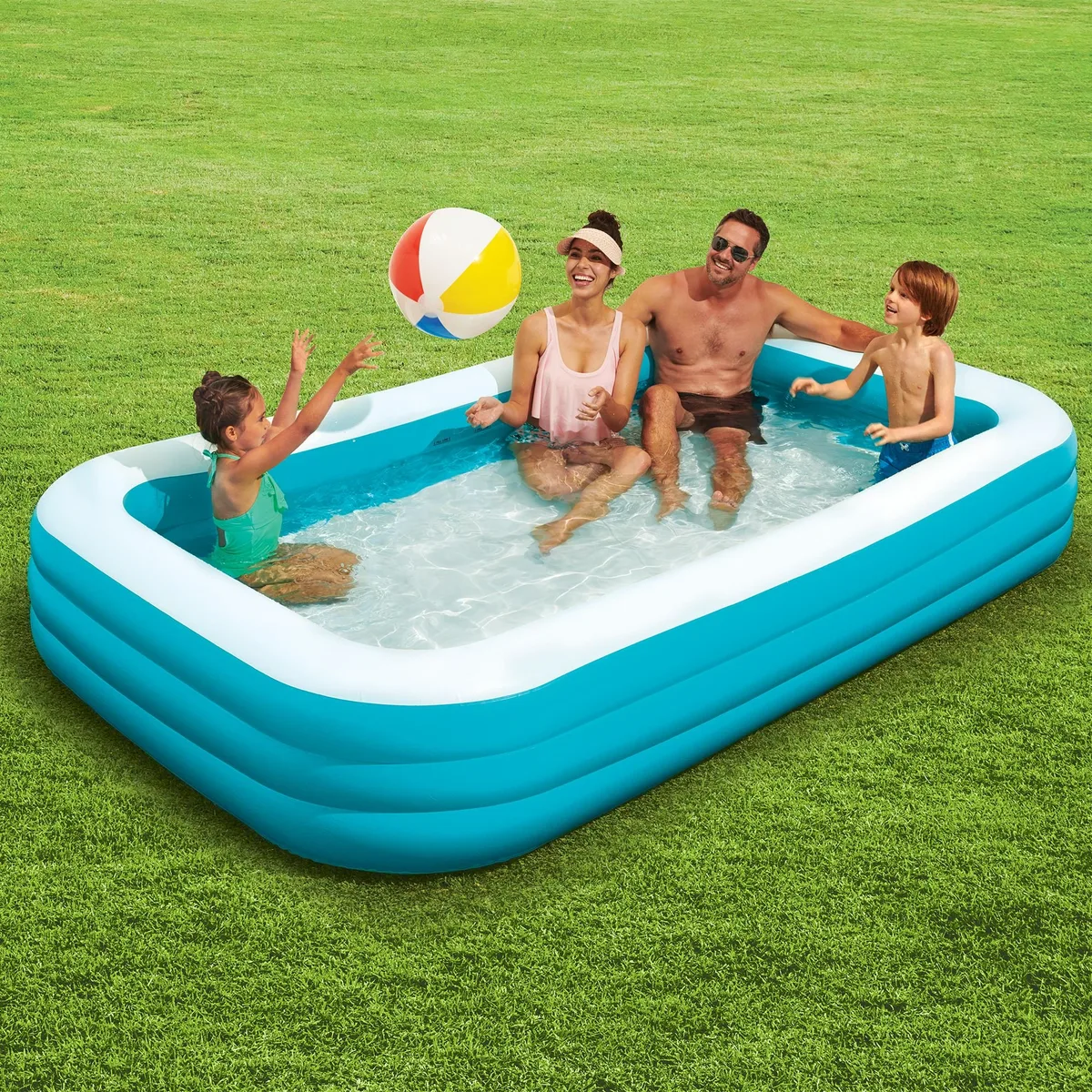
There's a wide spectrum when it comes to above-ground pools. The simplest are often the inflatable kinds, which are essentially oversized kiddie pools with a bit more structure. These can genuinely be set up in under an hour with minimal effort.
They're great for quick fun but aren't built for long-term enjoyment or large families.
Then you move into the more robust metal-frame pools. These involve assembling a support structure, usually made of steel or aluminum poles, and then fitting a heavy-duty vinyl liner inside. This requires more careful assembly, ensuring everything is aligned and secured properly.
At the higher end are rigid-wall pools, which often feature steel or resin walls that create a more permanent-looking structure. These are the most involved to set up, often requiring more hands and a more precise approach to assembly. The trade-off is greater durability and longevity compared to lighter options.
Site Preparation Needs
This is arguably the most critical factor in determining installation ease. Manufacturer specifications consistently highlight that an uneven or unprepared site can turn a simple setup into a major headache. Your chosen spot needs to be perfectly level.
Even a slight slope can put undue stress on the pool walls, leading to damage and potential structural failure over time.
Think about what's under your pool. Sharp rocks, roots, or debris can puncture the liner, leading to leaks. You'll need a clean, clear, and stable surface.
If your yard isn't naturally flat, you might need to do some digging, leveling, or even bring in some fill material to create the ideal foundation. This preparatory work can add significant time and effort before you even start assembling the pool itself.
The Crucial Steps for Smoother Installation
Getting an above-ground pool set up without a hitch comes down to a few fundamental actions. If you nail these, you’re already way ahead of the game. It’s about being smart with your planning and deliberate with your execution.
Picking the Perfect Spot: Level, Clear, and Accessible
This is where you plant the seed for a successful pool season. If your ground isn't level, you're setting yourself up for problems right from the start. Aggregate reviews report that an unlevel pool can cause uneven water pressure, leading to wall collapse or liner damage.
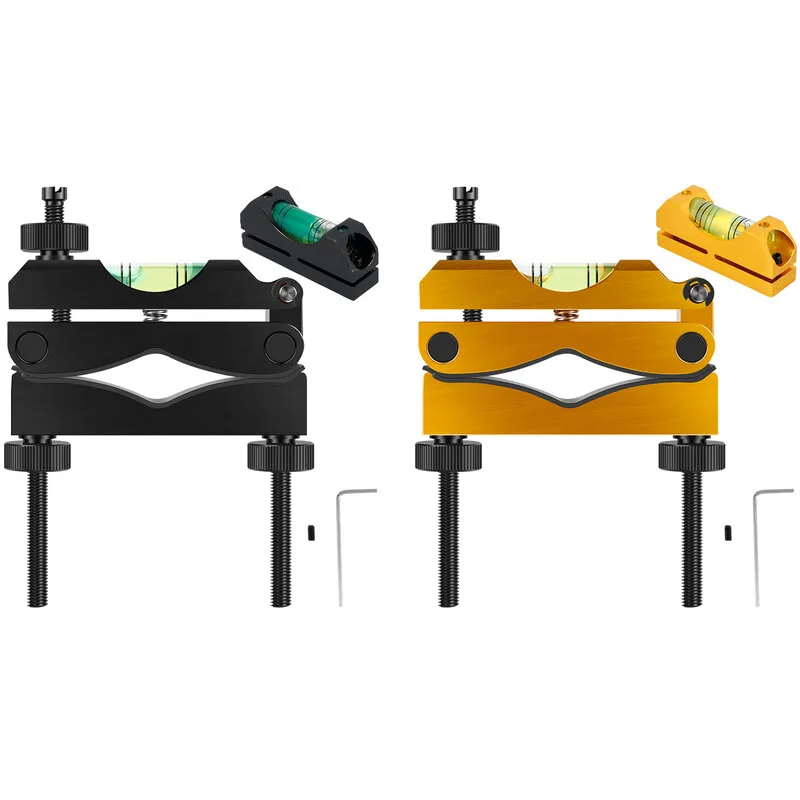
You'll need a long spirit level (four feet or longer is ideal) and possibly some tools like a shovel and rake to get it just right.
Beyond leveling, the site needs to be free of anything that could harm the pool. That means sharp rocks, tree roots, or any debris that could puncture the liner. You also want to think about where your pump and filter will go, ensuring easy access for maintenance.
And seriously, avoid putting it directly under trees that shed a lot of leaves or branches; you'll be cleaning out debris constantly.
Reading the Manual: Your Essential Guide
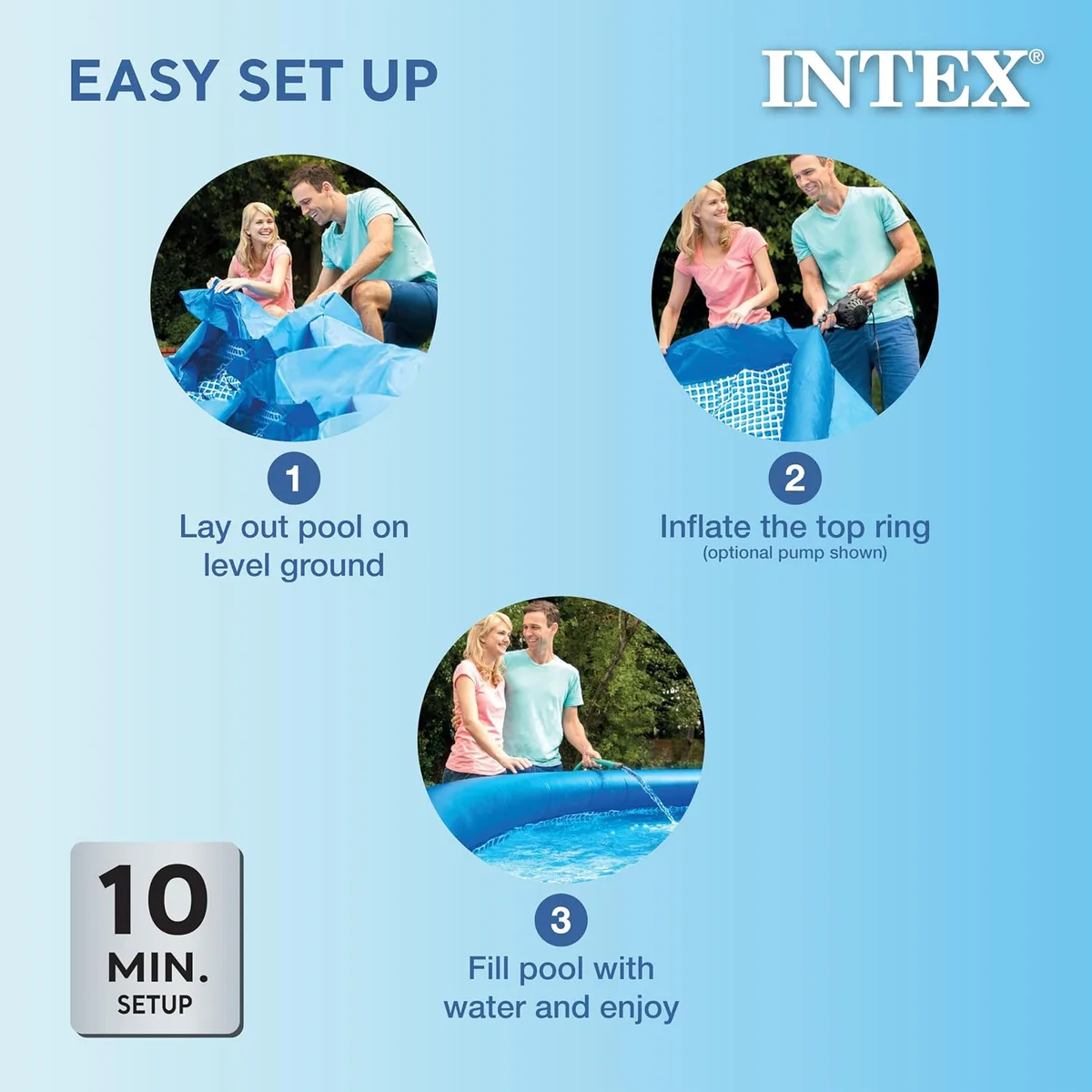
It sounds simple, but so many people jump straight into assembly without fully reading the instructions. Manufacturer specifications from companies like Intex and Bestway stress the importance of consulting the manual before you begin. It's your roadmap to success.
Take the time to read it through once to get the overall picture, then go back and understand each specific step.
Different pool models have different assembly sequences and unique connection points. What works for one pool might not apply to another. Paying attention to diagrams and torque recommendations (if provided) can save you a lot of trouble down the line.
This is especially true for the more complex metal-frame and rigid-wall structures.
Gathering the Right Tools
Before you even open the pool box, make sure you have all the necessary tools readily available. Trying to find a wrench or a specific screwdriver halfway through the assembly process is frustrating and can lead to mistakes. Make a checklist based on the manual and gather everything you might need.
Commonly required tools include shovels and rakes for site preparation, a long spirit level for ensuring the ground is perfectly flat, a tape measure for accurate placement, and a utility knife for opening boxes and potentially trimming any excess material. Depending on the pool, you might also need a wrench set, a screwdriver set, or even a rubber mallet to gently tap components into place. Having everything on hand means you can focus on the task at hand without interruptions.
Common Installation Pitfalls to Dodge
Even with the best intentions, there are a few common mistakes that can make your pool installation go sideways. Being aware of these potential problems upfront can help you avoid them entirely, saving you time, money, and a lot of headaches.
The Danger of an Unlevel Pool
This is the number one mistake people make, and it's also one of the most critical to avoid. As mentioned, an uneven surface puts immense, uneven pressure on the pool's structure. This can manifest in several ways.
The walls might bulge outward on the downhill side, the liner could stretch unevenly, and in severe cases, the entire pool can become unstable.
Per general construction guidelines for pools, the ground should be within a tolerance of no more than 1 inch of deviation across the entire diameter of the pool. This means using a long level and meticulous checking. If your site has a slope, don't just plop the pool down and hope for the best.
You'll need to excavate the higher side or build up the lower side with appropriate materials like compacted sand or gravel, ensuring it's absolutely flat and stable before the pool goes up.
Ignoring Site Prep for a Smoother Ride
Beyond just leveling, the entire area where the pool will sit needs proper preparation. This means clearing out any rocks, roots, sharp debris, or even grass that could cause issues. Manufacturer guidance often recommends a layer of sand or a protective ground cloth beneath the liner to cushion it and provide a smoother surface.
If you skip this step, you risk punctures to the liner from sharp objects hidden beneath the surface. Even small stones can create pressure points that weaken the liner over time. Proper site prep also includes ensuring good drainage around the pool area.
You don't want water pooling against the walls, which can lead to corrosion of metal components or damage to the ground base.
When to Consider Professional Help
While many above-ground pools are designed for DIY installation, there are definitely times when calling in the pros makes sense. It’s not a sign of defeat; it’s a smart decision for peace of mind and a job done right. If your yard has a significant slope, for instance, and you're not comfortable with major landscaping or excavation, a professional installer has the equipment and expertise to grade the site properly.
Building a deck around the pool or integrating it into an existing patio is another situation where professional help is usually a good idea. These are construction projects that require specific skills and adherence to building codes. Also, if you're short on time, have physical limitations, or simply want the assurance of a professionally installed pool that's built to last, hiring an experienced installer is a wise investment.
The Final Verdict: Is It Right For You?
Ultimately, whether an above-ground pool is easy for you to install comes down to an honest assessment of your DIY skills, the specific type of pool you choose, and your willingness to put in the effort for thorough site preparation. Simpler inflatable and basic frame pools can indeed be a weekend project, manageable for many. However, more robust models, especially those requiring significant ground leveling or complex assembly, demand more time, patience, and potentially extra hands.
If you're comfortable with basic tools, can follow detailed instructions, and are prepared to invest time in creating a perfectly level and clear site, then yes, installing an above-ground pool can be a very achievable and rewarding DIY task. If any of those conditions feel like a stretch, or if you're facing challenging terrain, it's worth weighing the cost of professional installation against the potential stress and time commitment of doing it yourself.
Frequently Asked Questions About Pool Installation
### How long does setup take?
Installation times vary greatly. Inflatable pools might take under an hour. Basic metal-frame pools can take 4-8 hours for two people.
More complex rigid-wall pools can take a full weekend, especially if site preparation is extensive.
### Do I need special tools?
Basic tools like shovels, rakes, a tape measure, and a long spirit level are essential. Depending on the pool model, you might also need a wrench set or screwdrivers. Always check the manufacturer's manual for a specific tool list.
### Can I install an above ground pool on a slope?
It's strongly advised against installing on a noticeable slope. While some minor leveling might be possible, significant slopes require professional grading or building a support structure. An unlevel pool can lead to structural damage and safety hazards.
### What's the biggest mistake people make?
The most common and critical mistake is failing to adequately level the ground. This can cause uneven pressure, leading to liner damage, wall deformation, and potentially catastrophic pool failure. Skipping thorough site preparation is a close second.
### Can one person install an above ground pool?
Some smaller, simpler inflatable pools can be set up by one person. However, most metal-frame and rigid-wall pools are significantly easier and safer to install with at least one, and ideally two, helpers. Large components require lifting and steadying.
The Crucial Steps for Smoother Installation
Picking the Perfect Spot: Level, Clear, and Accessible
This is where you plant the seed for a successful pool season. If your ground isn't level, you're setting yourself up for problems right from the start. Aggregate reviews report that an unlevel pool can cause uneven water pressure, leading to wall collapse or liner damage.
You'll need a long spirit level (four feet or longer is ideal) and possibly some tools like a shovel and rake to get it just right.
Beyond leveling, the site needs to be free of anything that could harm the pool. That means sharp rocks, tree roots, or any debris that could puncture the liner. You also want to think about where your pump and filter will go, ensuring easy access for maintenance.
And seriously, avoid putting it directly under trees that shed a lot of leaves or branches; you'll be cleaning out debris constantly.
Reading the Manual: Your Essential Guide
It sounds simple, but so many people jump straight into assembly without fully reading the instructions. Manufacturer specifications from companies like Intex and Bestway stress the importance of consulting the manual before you begin. It's your roadmap to success.
Take the time to read it through once to get the overall picture, then go back and understand each specific step.
Different pool models have different assembly sequences and unique connection points. What works for one pool might not apply to another. Paying attention to diagrams and torque recommendations (if provided) can save you a lot of trouble down the line.
This is especially true for the more complex metal-frame and rigid-wall structures.
Gathering the Right Tools
Before you even open the pool box, make sure you have all the necessary tools readily available. Trying to find a wrench or a specific screwdriver halfway through the assembly process is frustrating and can lead to mistakes. Make a checklist based on the manual and gather everything you might need.
Commonly required tools include shovels and rakes for site preparation, a long spirit level for ensuring the ground is perfectly flat, a tape measure for accurate placement, and a utility knife for opening boxes and potentially trimming any excess material. Depending on the pool, you might also need a wrench set, a screwdriver set, or even a rubber mallet to gently tap components into place. Having everything on hand means you can focus on the task at hand without interruptions.
Common Installation Pitfalls to Dodge
Even with the best intentions, there are a few common mistakes that can make your pool installation go sideways. Being aware of these potential problems upfront can help you avoid them entirely, saving you time, money, and a lot of headaches.
The Danger of an Unlevel Pool
This is the number one mistake people make, and it's also one of the most critical to avoid. As mentioned, an uneven surface puts immense, uneven pressure on the pool's structure. This can manifest in several ways.
The walls might bulge outward on the downhill side, the liner could stretch unevenly, and in severe cases, the entire pool can become unstable.
Per general construction guidelines for pools, the ground should be within a tolerance of no more than 1 inch of deviation across the entire diameter of the pool. This means using a long level and meticulous checking. If your site has a slope, don't just plop the pool down and hope for the best.
You'll need to excavate the higher side or build up the lower side with appropriate materials like compacted sand or gravel, ensuring it's absolutely flat and stable before the pool goes up.
Ignoring Site Prep for a Smoother Ride
Beyond just leveling, the entire area where the pool will sit needs proper preparation. This means clearing out any rocks, roots, sharp debris, or even grass that could cause issues. Manufacturer guidance often recommends a layer of sand or a protective ground cloth beneath the liner to cushion it and provide a smoother surface.
If you skip this step, you risk punctures to the liner from sharp objects hidden beneath the surface. Even small stones can create pressure points that weaken the liner over time. Proper site prep also includes ensuring good drainage around the pool area.
You don't want water pooling against the walls, which can lead to corrosion of metal components or damage to the ground base.
When to Consider Professional Help
While many above-ground pools are designed for DIY installation, there are definitely times when calling in the pros makes sense. It’s not a sign of defeat; it’s a smart decision for peace of mind and a job done right. If your yard has a significant slope, for instance, and you're not comfortable with major landscaping or excavation, a professional installer has the equipment and expertise to grade the site properly.
Building a deck around the pool or integrating it into an existing patio is another situation where professional help is usually a good idea. These are construction projects that require specific skills and adherence to building codes. Also, if you're short on time, have physical limitations, or simply want the assurance of a professionally installed pool that's built to last, hiring an experienced installer is a wise investment.
The Final Verdict: Is It Right For You?
Ultimately, whether an above-ground pool is easy for you to install comes down to an honest assessment of your DIY skills, the specific type of pool you choose, and your willingness to put in the effort for thorough site preparation. Simpler inflatable and basic frame pools can indeed be a weekend project, manageable for many. However, more robust models, especially those requiring significant ground leveling or complex assembly, demand more time, patience, and potentially extra hands.
If you're comfortable with basic tools, can follow detailed instructions, and are prepared to invest time in creating a perfectly level and clear site, then yes, installing an above-ground pool can be a very achievable and rewarding DIY task. If any of those conditions feel like a stretch, or if you're facing challenging terrain, it's worth weighing the cost of professional installation against the potential stress and time commitment of doing it yourself.
Frequently Asked Questions About Pool Installation
### How long does setup take?
Installation times vary greatly. Inflatable pools might take under an hour. Basic metal-frame pools can take 4-8 hours for two people.
More complex rigid-wall pools can take a full weekend, especially if site preparation is extensive.
### Do I need special tools?
Basic tools like shovels, rakes, a tape measure, and a long spirit level are essential. Depending on the pool model, you might also need a wrench set or screwdrivers. Always check the manufacturer's manual for a specific tool list.
### Can I install an above ground pool on a slope?
It's strongly advised against installing on a noticeable slope. While some minor leveling might be possible, significant slopes require professional grading or building a support structure. An unlevel pool can lead to structural damage and safety hazards.
### What's the biggest mistake people make?
The most common and critical mistake is failing to adequately level the ground. This can cause uneven pressure, leading to liner damage, wall deformation, and potentially catastrophic pool failure. Skipping thorough site preparation is a close second.
### Can one person install an above ground pool?
Some smaller, simpler inflatable pools can be set up by one person. However, most metal-frame and rigid-wall pools are significantly easier and safer to install with at least one, and ideally two, helpers. Large components require lifting and steadying.

