

When you're investing in backyard fun, knowing how long your above-ground pool will last is a pretty big deal. You want something that holds up year after year, giving you plenty of swimming seasons without major headaches. The lifespan of these pools can really vary, and it's not just about age; it's about how they're built and how you care for them.
Our research, along with manufacturer specifications, indicates that most quality above-ground pools can offer a reliable service life of 10 to 20 years. This range highlights how crucial maintenance and material quality are. Let's dive into what makes that number tick.
Quick Answer: Typical Lifespan & What Drives It
Above-ground pools typically last between 10 and 20 years. This longevity hinges primarily on the quality of the materials used, the rigor of your maintenance routine, and the climate you live in. A pool with a steel frame and a thick vinyl liner, if properly cared for and protected from the elements, can easily reach the higher end of this spectrum.
Factors That Really Impact How Long Your Pool Lasts
It's not just about how old the pool is; it's about how it's been treated and what it's made of.
- Material Quality: This is a big one.
- Steel frame pools are usually quite durable, but the steel can be susceptible to rust over time, especially if the protective coating is damaged or you live in a humid/salty environment.
- Resin or hybrid frame pools tend to be more resistant to corrosion and UV degradation, often leading to a longer lifespan.
- The liner itself is a crucial component. Thicker gauge vinyl liners will generally hold up better against punctures and wear and tear than thinner ones.
- Maintenance is Key: This is where you have the most control!
- Water Chemistry: Keeping your water balanced (pH, alkalinity, sanitizer levels) is crucial. Unbalanced water can damage the liner, corrode metal parts, and lead to algae growth that's hard to get rid of.
- Cleaning: Regular brushing of the walls and floor, vacuuming debris, and keeping the skimmer basket clean prevents buildup and strain on the pump and filter.
- Winterization: Properly closing your pool for the off-season makes a massive difference. This includes draining it to the correct level, removing accessories, and protecting it from freezing temperatures and ice expansion. A good winter cover can also prevent a lot of damage.
- Climate and Environment:
- Sun Exposure: Constant, harsh UV rays can degrade vinyl liners and plastic components over time, making them brittle. Shade can help.
- Weather Extremes: Severe storms, heavy snowfall, or strong winds can put stress on the structure. Ice expansion in winter, if not properly managed, can be brutal.
- Surroundings: Trees dropping leaves and debris can clog filters and stain liners. Nearby salty air or industrial pollution can also accelerate wear on certain materials.
- Installation Quality: A poorly installed pool can put uneven stress on the structure from day one, potentially leading to premature issues. Make sure it's on a level surface!
- Usage: How much your pool is used, and how that use is managed, can play a role. Rough play can damage liners, and constantly topping off with fresh water can affect water chemistry balance.
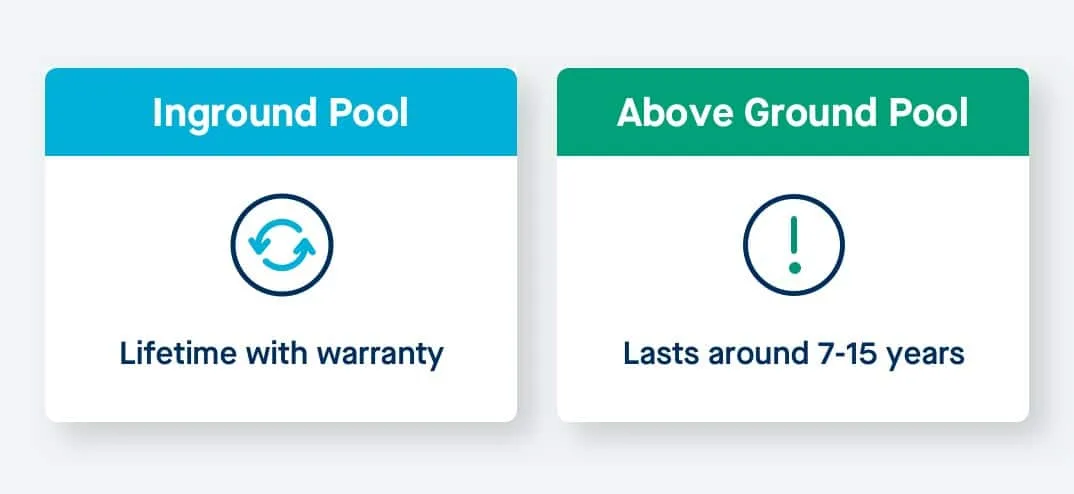
Image source: Bing (Web (fair-use with source credit))
Material Quality: What to Look For
The materials used in your above-ground pool are the first line of defense against wear and tear. When you're looking at options, pay close attention to the frame and the liner, as these are the most critical components for longevity. Manufacturer specifications often detail the type and gauge of materials, which are important indicators of durability.
For example, many pool manufacturers adhere to standards like those set by the Association of Pool & Spa Professionals (APSP) for construction and safety, which can inform material choices.
- Frame Materials:
- Steel: Offers great strength and support but requires a robust protective coating to prevent rust. Look for galvanized or powder-coated steel.
- Resin/Polymer: These materials are naturally resistant to corrosion and UV fading, making them ideal for pool structures, especially in harsh climates. They are generally lighter than steel but can be very strong.
- Hybrid: A combination of steel and resin often aims to leverage the strength of steel with the corrosion resistance of resin.
- Liner Thickness: Liners are typically measured in gauges (e.g., 15-gauge, 20-gauge, 25-gauge). A higher gauge number means a thicker, more durable liner. Thicker liners are more resistant to punctures, tears, and the effects of sunlight and chemical exposure. As of 2026, many top-tier pools use liners rated at 20-gauge or higher for enhanced durability.
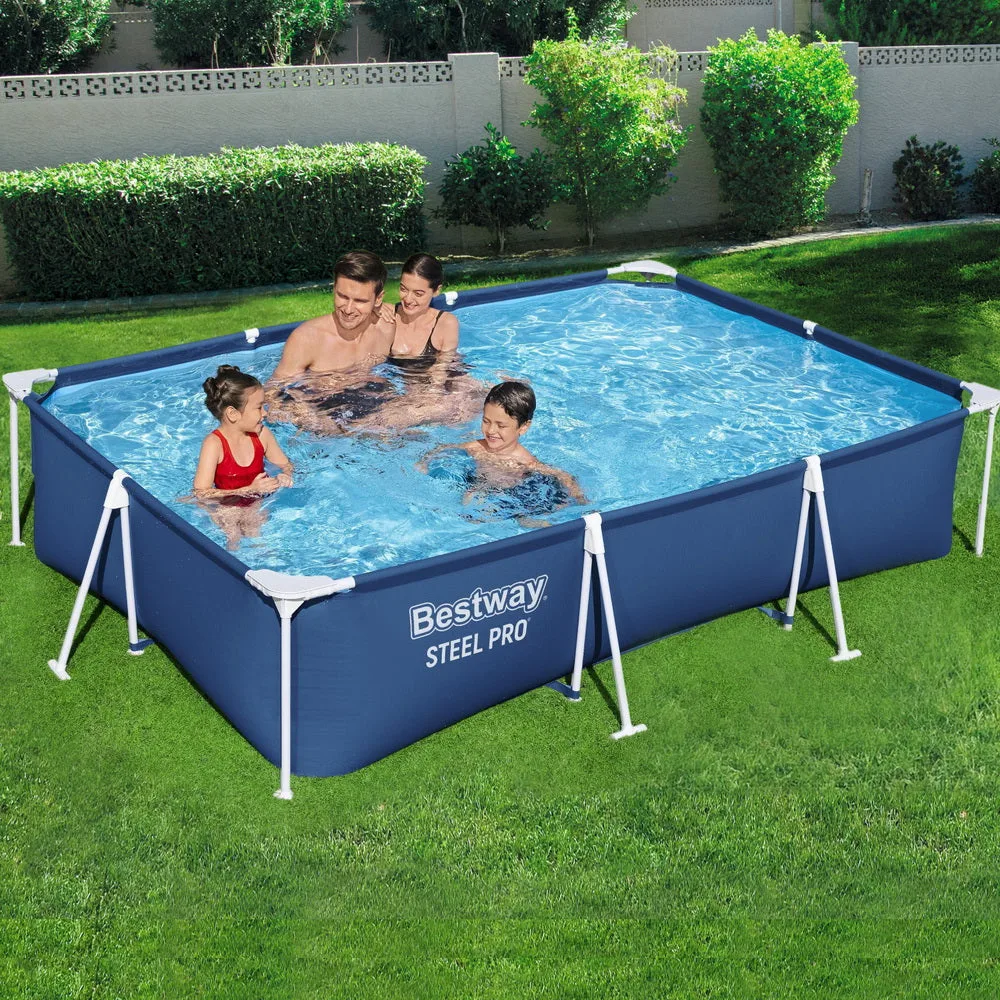
Image source: Bing (Web (fair-use with source credit))
Maintenance is Key: Your Biggest Lever for Longevity
This is where you truly control how long your above-ground pool lasts. Consistent and correct maintenance prevents issues that can snowball into major problems, shortening its lifespan. Think of it as proactive care for a valuable asset.
- Water Chemistry Control:
- Sanitizer Levels: Maintaining proper levels of chlorine or other sanitizers kills bacteria and algae, preventing slime and discoloration that can stress the liner and plumbing. Per recommendations from environmental health bodies, consistent sanitizer levels are paramount.
- pH and Alkalinity: Keeping these balanced prevents corrosion of metal components and keeps the water comfortable for swimmers, while also ensuring your sanitizer works effectively.
- Regular Cleaning:
- Debris Removal: Skimming leaves, bugs, and other debris daily prevents them from breaking down and staining the liner or clogging your filter.
- Brushing and Vacuuming: Weekly brushing of the walls and floor helps dislodge algae and dirt, while vacuuming removes settled particles.
- Filter System Care:
- Backwashing: Regularly backwashing your sand or cartridge filter removes accumulated dirt, ensuring efficient water circulation and filtration. This prolongs the life of both the filter media and the pump.
- Seasonal Care:
- Proper Winterization: This is crucial for pools in colder climates. It involves draining water to the correct level to prevent ice damage, removing accessories, and covering the pool securely.
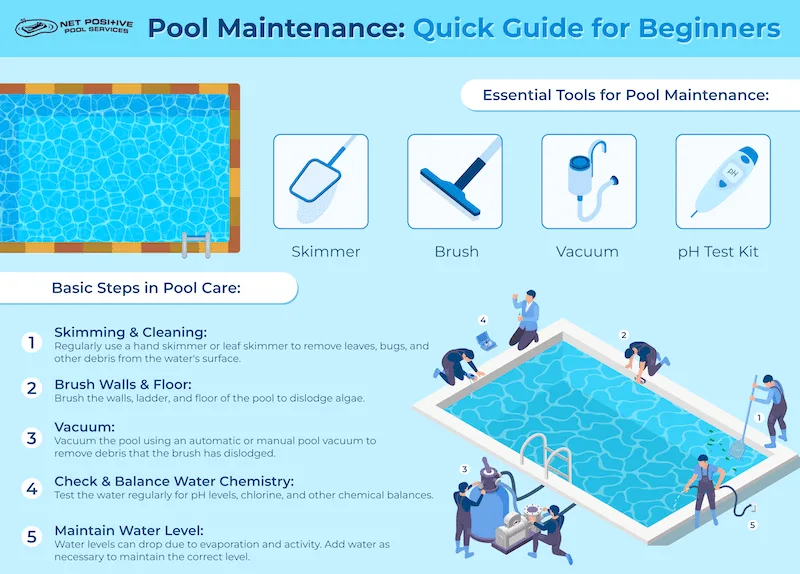
Image source: Bing (Web (fair-use with source credit))
Signs Your Pool Might Be Nearing the End of Its Life
You won't usually have a pool just suddenly fail. Instead, it'll give you warning signs that it's time to start thinking about replacement or significant repairs. Catching these early can sometimes extend its life or at least prepare you for the inevitable.
- Liner Deterioration:
- Cracks and Tears: Small punctures can become large rips, especially as the vinyl ages and becomes less pliable. Frequent patching is a strong indicator the liner is failing.
- Excessive Wrinkling: While minor wrinkles can sometimes be smoothed out, persistent, deep wrinkles that won't flatten can signal a liner that's losing its shape or elasticity.
- Severe Fading: While cosmetic, extreme fading can mean the UV protection in the vinyl has degraded, making it more susceptible to further damage.
- Frame and Structural Issues:
- Visible Rust: For steel-framed pools, significant rust, especially if it's flaking or compromising the metal's integrity, is a serious concern.
- Bulging Walls: If the pool walls are visibly bowing inwards or outwards, it suggests the structural support is failing or the pressure from the water and ground is too much.
- Loose Connections: Frame joints that are consistently loosening or showing wear can indicate stress on the pool's structure.
- Persistent Leaks:
- Inability to Hold Water: If your pool consistently loses water that can't be attributed to evaporation or splash-out, and repairs aren't effective, the integrity of the liner or seals may be compromised.
Common Mistakes That Shorten Your Pool's Life
We all make mistakes, but some common ones can seriously cut short the lifespan of your above-ground pool. Being aware of these can help you avoid them and protect your investment.
- Neglecting Water Chemistry: This is probably the most common and damaging mistake. Letting sanitizer levels drop or pH/alkalinity get too far out of balance can cause rapid degradation of the liner and metal parts. Aggressive water can literally eat away at components.
- Improper Installation: Setting up the pool on an uneven surface puts uneven stress on the frame and liner. This can lead to premature stretching, bulging, and potential structural failure. Always ensure a level base.
- Skipping Winterization: In regions with freezing temperatures, not properly closing your pool can be catastrophic. Ice expands and can tear liners, warp frames, and damage plumbing. Following manufacturer guidelines for winterization is non-negotiable.
- Over-chlorination: While sanitizing is important, too much chlorine can bleach and degrade the vinyl liner much faster than intended. It also makes the water harsh.
- Using Harsh Cleaning Tools: Scrubbing the liner with abrasive brushes or harsh chemicals can scratch or weaken the vinyl, making it more susceptible to tears and sun damage.
- Ignoring Small Problems: A small leak, a bit of rust, or a slightly warped frame might seem minor, but these can be early indicators of larger issues that will only worsen over time if ignored. Addressing them promptly is key.

