

Keeping your above-ground pool sparkling isn't just about the chemicals; it's largely about a clean filter. When your pool's water looks murky or the pump seems to be struggling, the filter is usually the first thing to check. Understanding how to clean an above ground pool filter is fundamental for maintaining healthy, inviting water.
The process varies significantly based on the filter type, so knowing which one you have is key. Manufacturer specifications indicate that regular cleaning, typically every 2-4 weeks depending on usage and water conditions, can prevent major issues. Neglecting this can lead to reduced filtration efficiency, algae growth, and increased strain on your pool pump.
Quick Answer
To clean an above ground pool filter, first identify its type: cartridge, sand, or DE. For cartridge filters, hose down the pleated media. For sand filters, backwash the sand bed.
For DE filters, hose down the grid assembly and re-add DE powder. Always turn off the pump before cleaning. Regular cleaning extends filter life and ensures clear water.
Know Your Filter Type: Cartridge, Sand, or DE?
The most crucial step before you can clean your pool filter is figuring out what kind you actually have. This isn't just a detail for the manual; your filter's cleaning method depends entirely on its internal workings. You'll typically encounter one of three main systems in above-ground pools: cartridge, sand, or Diatomaceous Earth (DE).
Each has a distinct way of trapping debris and a different recommended cleaning procedure.
- Cartridge Filters: These use a pleated fabric cylinder. They're very effective at catching fine particles. Cleaning usually involves removing the cartridge and washing it thoroughly.
- Sand Filters: These are large tanks filled with special filter sand. Water passes through the sand, which traps impurities. Cleaning is done by "backwashing," which reverses the water flow to flush out the dirt.
- DE Filters: These offer the finest filtration. They use a grid assembly coated with Diatomaceous Earth powder. Cleaning involves washing the grids and then re-coating them with fresh DE.
If you're unsure, take a look at your filter's manual or search for identification labels on the tank itself. Knowing your filter type is the first step to effective pool maintenance and clear water.
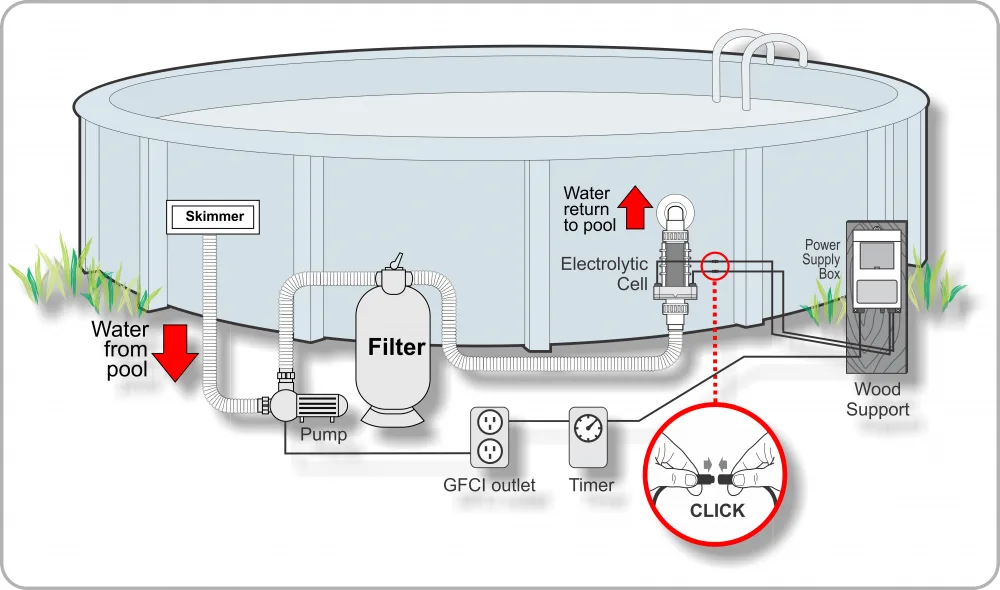
Image source: Bing (Web (fair-use with source credit))
Cartridge Filter Cleaning: The Hosing Method
Cartridge filters are quite common in above-ground pools, and their cleaning process is generally the most straightforward. Inside the filter tank, you'll find a single, large cylindrical cartridge made of pleated fabric. This fabric is designed to catch a lot of gunk, from leaves and twigs to fine sediment.
Over time, these pleats get packed with debris, reducing water flow and making your pump work harder.
The primary method for cleaning a cartridge filter is a good, strong rinse with a garden hose. You're essentially blasting away the trapped particles from between the pleats. While this method is effective for regular maintenance, keep in mind that some stubborn oils or very fine sediment might require a deeper, chemical cleaning if the hose alone doesn't do the trick.
Here’s the step-by-step process:
- Safety First: Turn Off the Pump. Before you touch anything on the filter, go to your pool's electrical panel and shut off the circuit breaker for the pump. This is a critical safety step to prevent electrical shock or mechanical damage.
- Relieve Pressure. Locate the air relief valve, usually a small knob or lever at the top of the filter tank. Open it to release any built-up air pressure inside the system. You’ll typically hear a hissing sound as air escapes.
- Open the Filter Tank. Most cartridge filters are sealed with a clamp mechanism or several bolts around the middle or top of the tank. Carefully release this clamp or remove the bolts to access the inside.
- Remove the Cartridge. Gently lift the entire filter cartridge straight up and out of the tank. Be prepared, as it might be heavy if it’s full of water and debris.
- Hose It Down. This is where the main cleaning happens. Take a garden hose with a strong spray nozzle and thoroughly rinse the pleats of the cartridge. Work from top to bottom, angling the spray to get deep into the folds. Try to dislodge all the visible dirt, leaves, and other debris. A spray wand attachment can be particularly helpful for this.
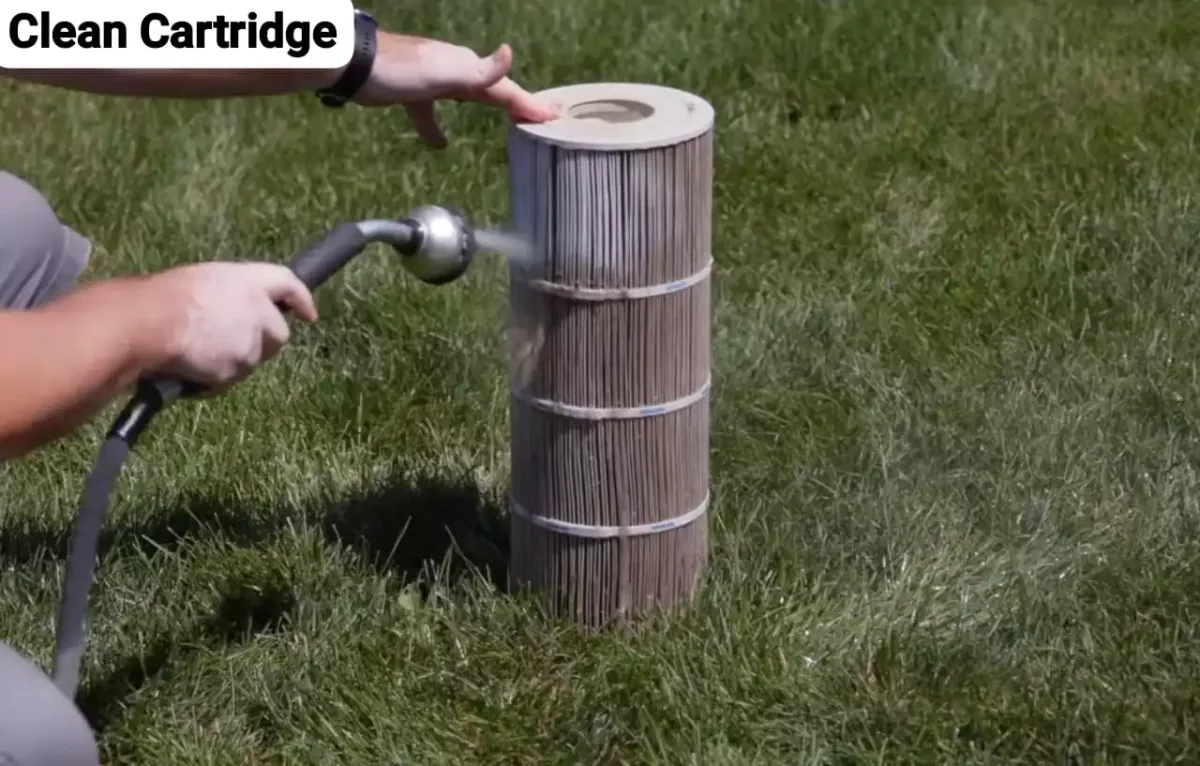
Image source: Bing (Web (fair-use with source credit))
- Inspect the Cartridge. While you've got it out, take a good look at the cartridge. Check for any tears in the fabric, cracks in the end caps, or worn-out pleats. Manufacturer specifications suggest replacing a cartridge if it shows significant damage, as this compromises its filtering ability.
- Deep Clean (Optional but Recommended). For heavy grease, sunscreen residue, or very fine, clinging dirt, a specialized pool filter cleaner solution can be very effective. Follow the product's instructions, this usually involves soaking the cartridge in a diluted solution for several hours or overnight, followed by a thorough rinse.
- Reassemble the Filter. Place the clean (or cleaned and soaked) cartridge back into the filter tank. Make sure it's seated properly. Secure the tank lid by re-engaging the clamp or tightening the bolts.
- Restart the Pump. Close the air relief valve. Turn the pump back on at the breaker. Open the air relief valve again briefly until a strong stream of water comes out, then close it. This purges any remaining air from the system.
Sand Filter Cleaning: Mastering the Backwash
Sand filters are known for their durability and simpler maintenance routine. The filter tank is filled with a specific type of filter sand, not your typical play sand, that acts as the filtration media. As pool water is pumped through the sand bed, it traps particles.
Over time, this sand becomes saturated with debris, leading to increased pressure within the filter tank.
The method for cleaning a sand filter is called "backwashing." This process involves reversing the flow of water through the filter. Instead of water going down through the sand and up to the pool, backwashing sends water down through the sand and out of the filter via a waste line. This effectively flushes out the accumulated dirt and debris trapped in the sand.
It’s a straightforward process that’s essential for keeping your sand filter working efficiently.
Here’s how to properly backwash your sand filter:
- Shut Down the Pump. Always ensure the pool pump is completely switched off at the breaker before making any adjustments to the multiport valve. Forcing the valve handle while the pump is running can cause significant damage.
- Set the Multiport Valve to BACKWASH. This valve, typically located on top or side of the filter tank, has several settings. Rotate the handle firmly to the "BACKWASH" position. Ensure it clicks or locks into place.
- Connect Backwash Hose (if applicable). If your system uses a separate backwash hose, connect it now. Make sure the end of the hose is placed in an area where the expelled dirty water can drain safely and legally, away from your property and storm drains.
- Turn On the Pump. Once the valve is set and the hose is ready, switch the pool pump back on. You'll see water begin to flow out of the backwash port.
- Observe the Water Clarity. Many sand filters have a small sight glass on the multiport valve. Watch this, or observe the water coming out of the hose. You're looking for the water to turn from cloudy and dirty to clear. This typically takes anywhere from 1 to 5 minutes, depending on how dirty the sand is.
- Shut Down the Pump. Once the water runs clear, turn the pump off again.
- Set Valve to RINSE. Rotate the multiport valve handle to the "RINSE" position. This step is crucial because it resettles the sand bed after backwashing, preventing sand from being pushed into your pool's plumbing.
- Turn On Pump for Rinse. Run the pump for about 30 seconds to a minute on the RINSE setting.
- Shut Down the Pump. Turn the pump off one last time.
- Set Valve to FILTER. Rotate the multiport valve handle back to its normal "FILTER" position. This is how the filter operates during normal pool operation.
- Restart the Pump. Turn the pump back on at the breaker. Open the air relief valve briefly until water spurts out, then close it. Your sand filter is now clean and ready to do its job again.
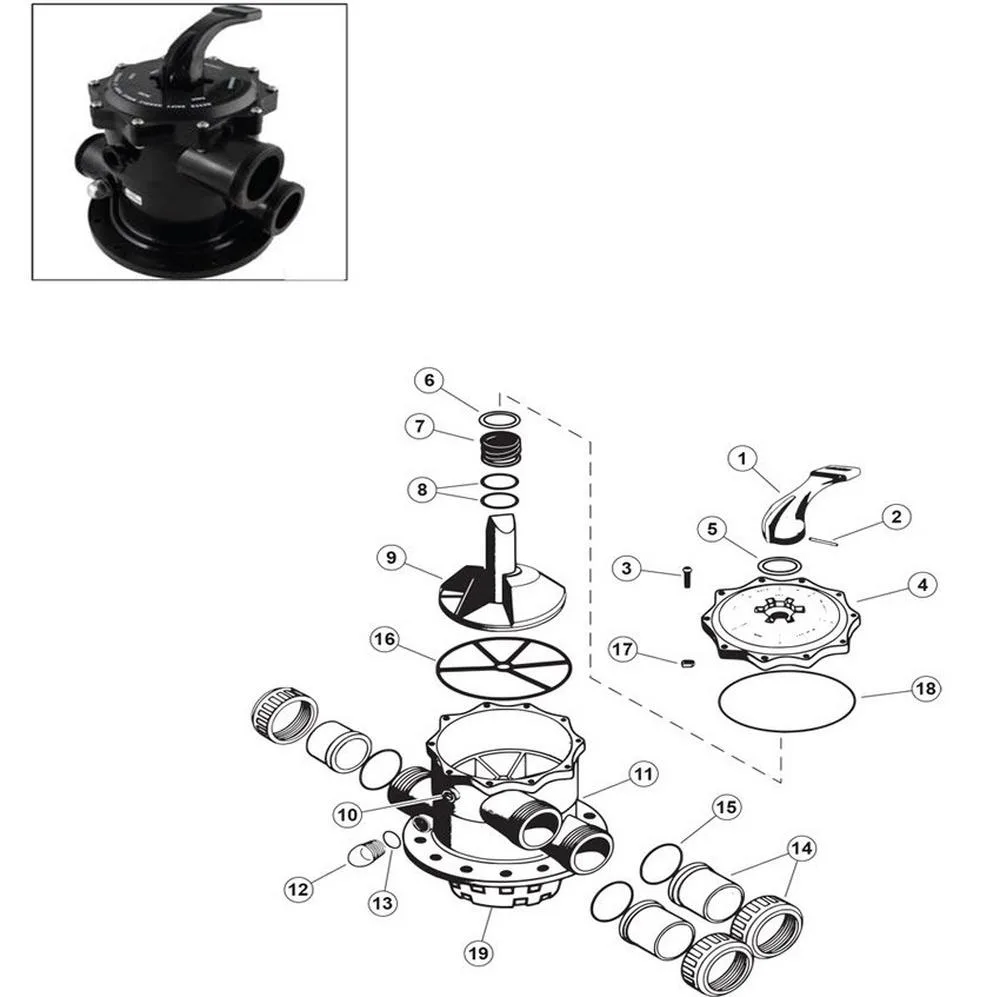
Image source: Bing (Web (fair-use with source credit))
DE Filter Cleaning: The Grid Wash and Re-Dosing
Diatomaceous Earth (DE) filters are a top-tier choice for pool owners seeking the absolute clearest water. They achieve this by using a fine, powdery substance called DE as a filter aid. This DE coats a series of mesh grids inside the filter tank.
As water passes through these DE-coated grids, even the smallest particles are trapped, resulting in exceptional water clarity. However, this sophisticated system requires a more involved cleaning process than cartridge or sand filters.
When the DE powder becomes saturated with debris, the filter's efficiency drops, and the pressure gauge will show an increase. The cleaning process for a DE filter involves a thorough rinsing of the internal grid assembly and then re-applying a fresh coating of DE powder. Manufacturer specifications for DE filters often recommend a deep clean at least once a year to remove any oils or mineral buildup that rinsing alone can't address.
Here’s how to clean your DE filter:
- Power Down the Pump. Always begin by turning off the pool pump at the circuit breaker. Safety first!
- Release Tank Pressure. Open the air relief valve at the top of the filter to release any air pressure.
- Open the Filter Tank. Remove the clamp or bolts securing the filter tank lid, then carefully remove the lid.
- Remove the Grid Assembly. This is the core of the DE filter. Gently pull out the entire grid assembly. It’s usually a large, finned structure.
- Hose Down the Grids Thoroughly. Using a strong stream from your garden hose, meticulously spray down each grid. You want to remove all the old DE powder, dirt, and debris trapped within the mesh. Pay close attention to getting into all the nooks and crannies.
- Inspect for Damage. Examine the grids closely for any tears in the fabric or cracks in the grid frames. Damaged grids will not filter properly and may need replacement.
- Reassemble the Filter. Carefully place the clean grid assembly back into the filter tank, ensuring it's seated correctly. Re-attach and secure the filter tank lid.
- Turn On the Pump. Once everything is back in place, turn the pump back on at the breaker.
- Add Fresh DE Powder. With the pump running and the air relief valve open (open it until water starts to spray out, then close it), slowly add the recommended amount of DE powder directly into your pool's skimmer. The amount needed is usually specified in your filter's manual, often based on the square footage of the filter. The DE will be drawn into the filter and coat the clean grids.
Essential Filter Maintenance Frequency
Knowing how to clean your filter is one thing, but knowing when to do it is just as important for your pool's health. The primary indicator for all filter types is your pool's filter pressure gauge. This gauge tells you how much resistance the water is facing as it moves through the filter.
When the filter is clean, the gauge will read at its lowest operating pressure. As debris accumulates, the resistance increases, and the pressure on the gauge rises.
Manufacturer specifications and aggregate reviews indicate that you should clean your filter when the pressure gauge reads 8 to 10 PSI (pounds per square inch) higher than its clean operating pressure. For example, if your filter's clean pressure is 20 PSI, you'd want to clean it when it reaches 28-30 PSI.
Here’s a general guideline for how often this might be necessary, but always defer to your pressure gauge:
- Cartridge Filters: Typically need cleaning every 2 to 4 weeks during peak swimming season, or more often if your pool gets a lot of debris from trees or heavy use.
- Sand Filters: Backwashing is often needed every 1 to 4 weeks. The frequency can depend on the type of sand used and how much debris gets into the pool.
- DE Filters: May require backwashing and re-dosing every 2 to 6 weeks. Their fine filtration means they capture a lot, but the DE coating can be less resistant to heavy debris loads than sand.
Remember, these are estimates. A pool with a lot of surrounding trees might need more frequent cleaning than one in an open yard. Consistent monitoring of your pressure gauge is the best way to ensure your filter is always working its best.
Common Filter Cleaning Mistakes to Avoid
Even with the best intentions, it's easy to make a misstep when cleaning your pool filter, especially if you're new to it. These common errors can lead to reduced filter effectiveness, damage to the filter itself, or simply a waste of your time and effort. Being aware of these pitfalls can save you a lot of headaches and keep your pool in top shape.
- Forgetting to Turn Off the Pump: This is the most critical safety error. Always disconnect power to the pump at the breaker before opening the filter tank or moving any valve handles. Manufacturer guidelines strongly emphasize this for preventing injury and equipment damage.
- Forcing the Multiport Valve (Sand Filters): Never try to move the multiport valve handle while the pump is running. The internal mechanisms are not designed to withstand that kind of pressure and can easily break, leading to costly repairs. Always ensure the pump is OFF before rotating the valve.
- Not Rinsing Properly (Sand Filters): Skipping the "RINSE" cycle after backwashing a sand filter is a common mistake. This step is vital for resettling the sand bed. If you don't rinse, you risk pushing sand particles into your pool's plumbing, which can cause blockages or damage.
- Using a Pressure Washer on Cartridge or DE Grids: While you need a strong spray, a high-pressure washer can actually damage the delicate fabric of cartridge filters or the mesh on DE grids. A standard garden hose with a good nozzle is usually sufficient and much safer.
- Not Adding Enough DE (DE Filters): If you don't add the correct amount of DE powder after cleaning, your filter won't achieve optimal clarity. Always refer to your filter's manual for the recommended DE quantity, which is typically based on filter surface area.
- Overlooking Cartridge/Grid Inspection: Taking a few minutes to inspect your cartridge or DE grids for tears, cracks, or excessive wear can help you catch problems early, preventing costly damage or poor filtration.
- Ignoring the Pressure Gauge: Waiting until your pool is visibly cloudy before cleaning the filter is usually too late. The pressure gauge is your early warning system. Clean your filter proactively when the pressure rises by 8-10 PSI above its clean baseline.
Frequently Asked Questions About Pool Filter Cleaning
How often should I clean my above ground pool filter?
You should clean your filter when the pressure gauge reads 8-10 PSI higher than its clean operating pressure. For cartridge filters, this is typically every 2-4 weeks. Sand filters need backwashing every 1-4 weeks, and DE filters usually require cleaning every 2-6 weeks.
Always check your pressure gauge for the most accurate timing.
Can I use a regular household cleaner to clean my pool filter?
It's generally not recommended to use standard household cleaners. They can contain chemicals that might damage the filter media (cartridge fabric, sand, or DE grids) or leave residues that affect water chemistry. Always use cleaners specifically designed for pool filters, or a strong garden hose spray.
How do I know if my filter needs to be replaced instead of just cleaned?
Inspect the filter media for physical damage. For cartridge filters, look for tears in the pleats or cracked end caps. For DE grids, check for rips in the fabric or broken frames.
Sand filters might need replacement if the sand becomes channeled or if the tank itself shows signs of corrosion or damage, typically after many years of use.
What happens if I don't clean my pool filter regularly?
An uncleaned filter drastically reduces water circulation and filtration efficiency. This can lead to cloudy water, algae growth, and a strain on your pool pump, potentially causing it to overheat or fail prematurely. It also means your pool chemicals won't circulate properly, leading to imbalances.
Can I backwash my cartridge filter?
No, you cannot backwash a cartridge filter. Backwashing is a process specific to sand and DE filters designed to reverse the flow through the filter media. Cartridge filters are cleaned by physically removing the cartridge and hosing down the pleats to dislodge debris.

