

Pet hair gets trapped in car carpet, seat fabric, seams, and under-seat rails, so a fast vacuum pass usually won’t cut it. How do you vacuum pet hair from a car? Loosen the hair first with a rubber tool, then vacuum it up with an upholstery attachment and crevice tool.
The right order makes the job much faster.
Start with an empty vacuum bin and a clean filter, since clogged filters reduce airflow. As of 2026, many cordless handheld vacuums run for about 15 to 30 minutes per charge, which is enough for a light cleanup but not always a heavily furred SUV. Begin by checking your seats, carpet, and tools.
How Do You Vacuum Pet Hair From a Car?
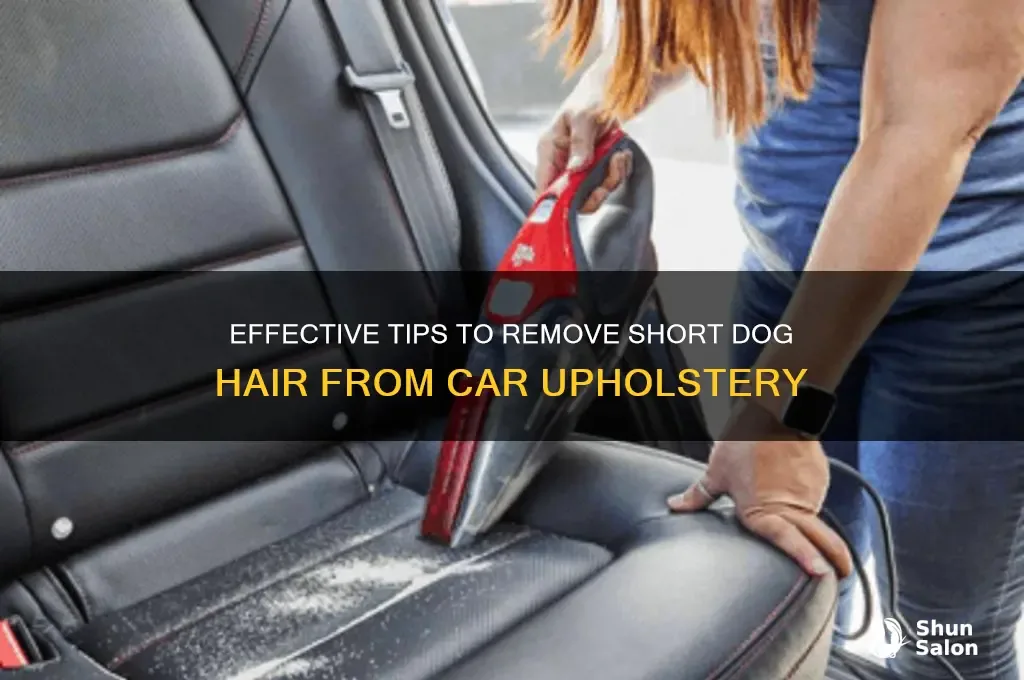
Image source: Bing (Web (fair-use with source credit))
Quick Answer
How do you vacuum pet hair from a car? Remove mats and loose items first.
Loosen trapped hair with a rubber brush or glove.
Vacuum cloth and carpet in several directions.
Use a crevice tool around seams and rails.
Clean the filter if suction starts fading.
Before You Start: Check the Seat Material, Hair Type, and Vacuum Setup
Match your method to the surface. Cloth seats, carpet, and fabric door inserts can handle a rubber brush or squeegee. Leather, vinyl, Alcantara, and the headliner need gentler treatment.
Short, stiff dog hair often weaves into carpet fibers. Fine cat hair tends to cling through static electricity. If the hair lifts easily with your fingers, vacuum it first.
If it stays embedded, use rubber agitation before vacuuming.
Turn the vehicle off before cleaning around powered seats and under-seat wiring. Don’t use a wet-dry vacuum on liquids unless the manufacturer says it is safe. Avoid soaking seat foam, carpet padding, or the headliner.
| What you find | Best first move |
|---|---|
| Loose hair on cloth | Upholstery tool |
| Hair embedded in carpet | Rubber brush, then vacuum |
| Hair in seams and rails | Crevice tool |
| Leather or vinyl | Soft brush and gentle suction |
| Weak pickup | Empty bin and clean filter |
A car vacuum cleaner is a compact vacuum designed for vehicle interiors and tight spaces. If yours struggles with ordinary debris too, the suction level you need may be the issue.
Choose Your Pet-Hair Removal Method
Use the least aggressive method that will release the hair. That protects delicate trim and keeps the cleanup simple. For most cars, you need a vacuum plus a rubber tool.
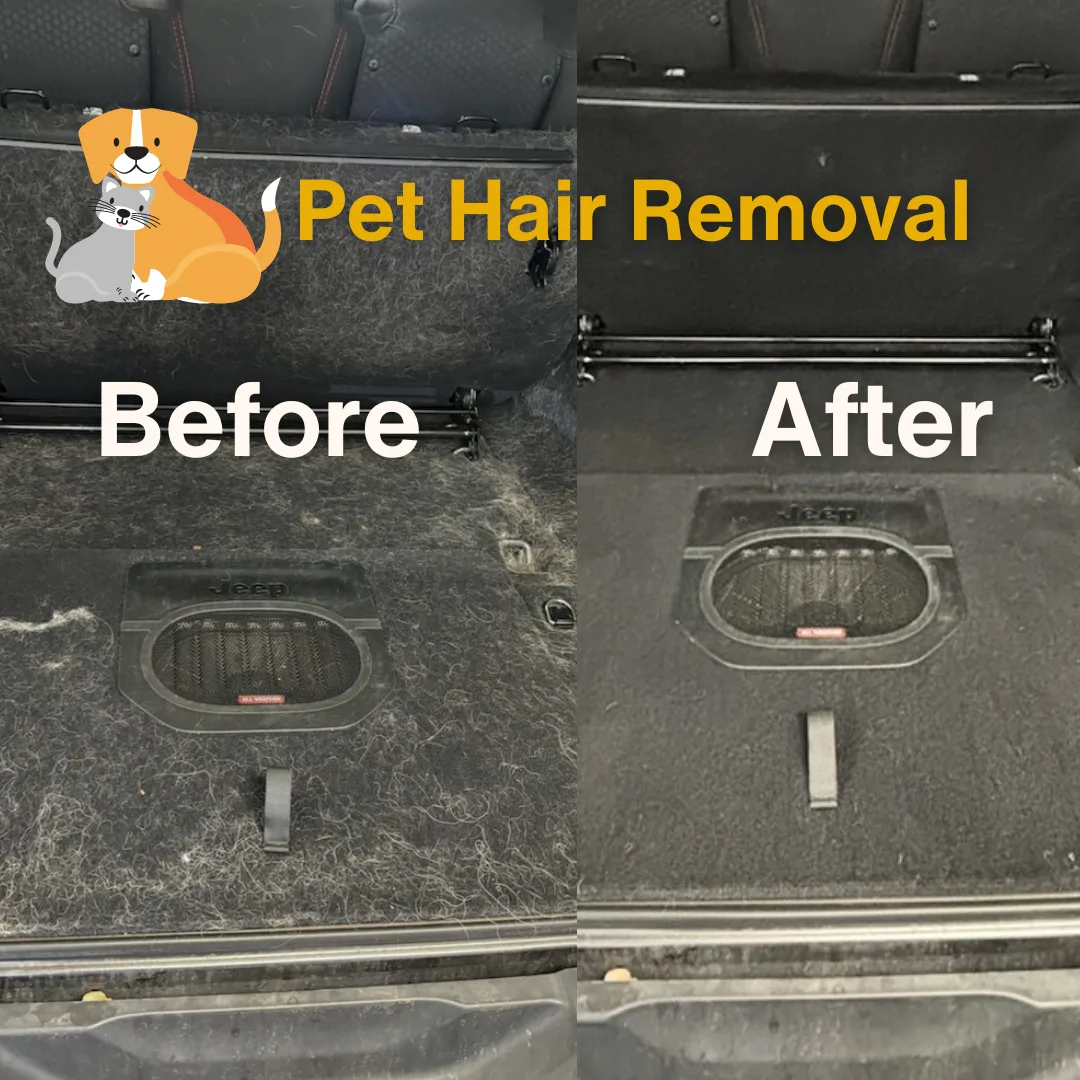
Image source: Web (Bing) / reddit.com (Web image (fair-use with source credit))
If the Hair Is Loose on Carpet, Mats, or Cloth Seats
Use an upholstery nozzle or motorized pet-hair brush. Pull it slowly toward you in overlapping passes. Slow movement gives the airflow time to lift the hair.
A shop vacuum suits large interiors and heavy debris. A handheld model is better for quick touch-ups. Cordless and 12-volt options fit different cleaning habits.
If Dog or Cat Hair Is Embedded in Fabric
Use a rubber pet-hair brush, rubber squeegee, or slightly damp rubber glove. Drag it over the fabric with short strokes. The rubber creates friction and gathers hair into clumps.
Vacuum each clump straight away. Work across the carpet pile, then change direction. Repeat rather than pressing the vacuum nozzle hard into the seat.
If Hair Is Trapped in Seams, Seat Rails, and Tight Gaps
Fit a crevice tool to the hose. Clean seat seams, buckle openings, console edges, and the tracks under each seat. Move the front seats all the way forward and back to expose both ends of the rails.
Keep the tool away from visible electrical connectors. A flexible hose helps in awkward spaces. It also makes those narrow door compartments easier to reach.
If Your Car Has Leather, Vinyl, Alcantara, or a Delicate Headliner
Use suction first, with a soft brush attachment if needed. Hover the nozzle over leather and vinyl instead of dragging it across the surface. Follow your vehicle manufacturer’s care instructions for Alcantara or suede-like trim.
Don’t scrub or pull at the headliner. It is thin fabric bonded to a backing board. Avoiding upholstery damage matters more than chasing the last stray hair.
Tools That Make Vacuuming Pet Hair Easier
A strong vacuum, the right nozzle, and a rubber hair-loosening tool handle most car interiors. You don’t need a pile of specialty gear.
| Tool | Best for | Limitation |
|---|---|---|
| Upholstery tool | Seats and broad carpet | Misses narrow gaps |
| Crevice tool | Seams, rails, buckles | Can mark hard trim |
| Motorized brush | Dense fabric and carpet | Needs hair removal afterward |
| Rubber brush or squeegee | Embedded hair | Not for headliners |
| Lint roller | Light final touch-ups | Too slow for heavy buildup |
Use a motorized brush on tough cloth seats and deep carpet. Use a standard upholstery nozzle if hair is already loose. If you smell burning or the vacuum gets hot, stop and clear the brush roll and filter before continuing.
The U.S. Environmental Protection Agency recommends controlling particles with effective cleaning and filtration. Open the car doors while you work, then empty the vacuum outside.
Step-by-Step: How to Vacuum Pet Hair From Your Car
Work from high surfaces to low ones. That stops loosened hair from falling onto areas you already cleaned.
1. Clear the Cabin and Remove the Floor Mats
Take out pet blankets, toys, crates, trash, and removable mats. Shake the mats outdoors. This exposes the carpet and prevents loose hair from spreading again.
Remove larger debris before tackling hair. Leaves can clog a narrow nozzle and hide pet hair underneath. A vacuum that can handle dry leaves in the cabin makes this prep easier.
2. Prepare the Vacuum, Filter, Hose, and Brush Roll
Empty the bin or install a fresh bag. Check the filter and remove wrapped hair from the brush roll. Clogged filters are a common cause of poor pickup.
If suction remains weak, inspect the hose for a blockage. Then follow the manufacturer’s instructions for routine filter care.
3. Loosen Embedded Hair Before Vacuuming
Brush carpet and cloth seats with a rubber brush or glove. Use short strokes in more than one direction. You are pulling hair from the fibers, not sweeping the whole seat.
Vacuum the loose clumps after each small area. Repeat on the front seats, rear bench, footwells, and cargo carpet.
4. Vacuum Seats, Door Panels, and Seat Backs
Start at the top of each seat and work downward. Use the upholstery tool on broad fabric panels. Make overlapping passes, then switch directions.
Use low pressure around door inserts, speaker grilles, and seat-mounted controls. The crevice tool belongs in seams and around buckles.
5. Clean Carpet, Floor Mats, and the Cargo Area
Vacuum each footwell in strips. Push forward, then pull back slowly. Use the crevice tool along trim edges and around pedals.
Finish with the floor mats and cargo area. Put mats back only when they are clean and dry.
What to Do When Pet Hair Still Won’t Come Out
Use the rubber brush again, this time across the fabric grain. Then vacuum with a clean filter and slower passes. Embedded hair often takes two or three loosen-and-vacuum rounds.
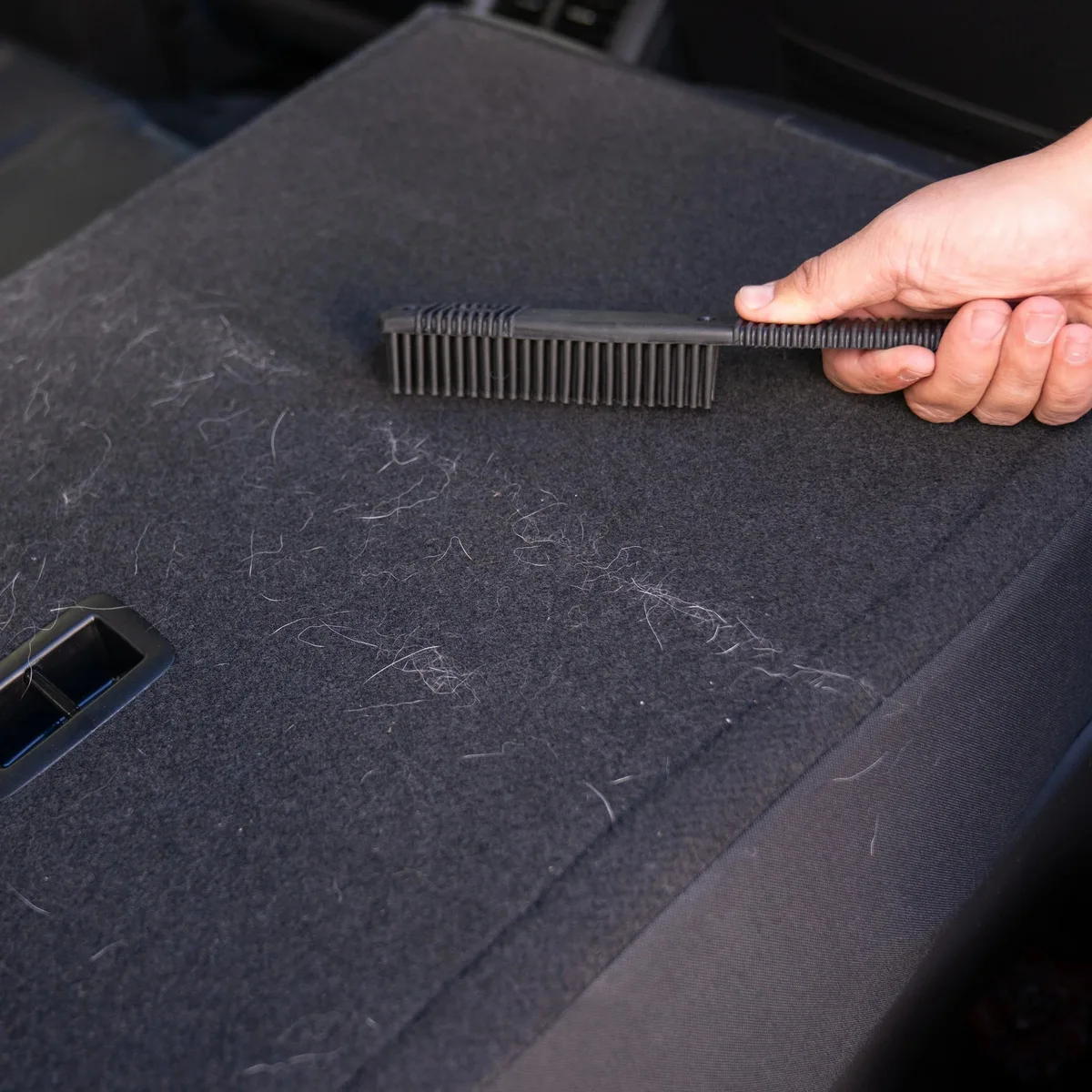
Image source: Web (Bing) / chemicalguys.co.uk (Web image (fair-use with source credit))
If a small patch still looks furry, use a lint roller for the final touch-up. Don’t reach for adhesives or harsh chemicals on seats.
Common Pet-Hair Vacuuming Mistakes to Avoid
Don’t vacuum deeply embedded hair without loosening it first. Don’t rush broad passes, since fast strokes leave hair in the pile.
Avoid using stiff brushes on leather, vinyl, or the headliner. Also, don’t ignore the vacuum filter. A full bin and blocked filter can make a capable vacuum feel useless.
Vacuuming Pet Hair Safely Around Leather, Electronics, and Headliners
Keep the vehicle switched off around powered-seat components. Don’t poke tools into wiring, connectors, vents, or switch openings.
Hold the nozzle just above leather, vinyl, and delicate trim. Never wet the headliner to remove hair. Moisture can weaken its adhesive and cause sagging.
How to Keep Pet Hair From Building Up Again
Use a washable pet seat cover or cargo liner. Remove and shake it out after shedding-heavy trips. That keeps most hair off the seat fabric and carpet.
Do a short vacuum after trips instead of waiting for a full interior cleanup. Clean the brush roll and filter afterward to keep suction steady.
DIY Vacuuming vs. Professional Car Detailing
DIY cleaning works well for routine shedding and a few stubborn patches. A shop vacuum, rubber brush, and crevice tool can handle most family cars.
Book a professional detailer if hair is embedded throughout the cabin or pet odor remains after cleaning. They can use compressed air, extraction equipment, and specialized interior tools.
FAQs About Vacuuming Pet Hair From a Car
Why does pet hair stay after vacuuming?
Pet hair stays behind when it is woven into carpet or held by static. Loosen it with a rubber brush, glove, or squeegee before vacuuming. Then make slow passes in different directions.
Clean the filter if suction drops.
Can you use a lint roller in a car?
Yes, a lint roller works well for light hair on cloth seats and seat backs. It is best used after vacuuming. It is slow and wasteful for heavily furred carpet, floor mats, or a cargo area.
Can a regular household vacuum remove pet hair from a car?
Yes, if it has a hose, upholstery nozzle, and enough suction. A regular vacuum can be awkward in tight spaces, though. Use a crevice tool around buckles, rails, and console edges, and avoid dragging hard plastic tools across delicate trim.
How often should you vacuum pet hair from your car?
Vacuum after trips during heavy shedding periods, especially if pets ride without a seat cover. For most drivers, a quick cleanup every one to two weeks prevents hair from embedding. Deep-clean the carpet and seats before selling or returning the vehicle.
Final Decision Guide: The Best Approach for Your Car and Pet Hair Problem
For cloth seats and carpet, use a rubber brush followed by an upholstery tool. For seams and seat rails, switch to a crevice nozzle. For leather, vinyl, Alcantara, and headliners, use gentle suction and soft tools only.
If the hair still will not lift after repeated passes, professional detailing is the sensible next step.

