

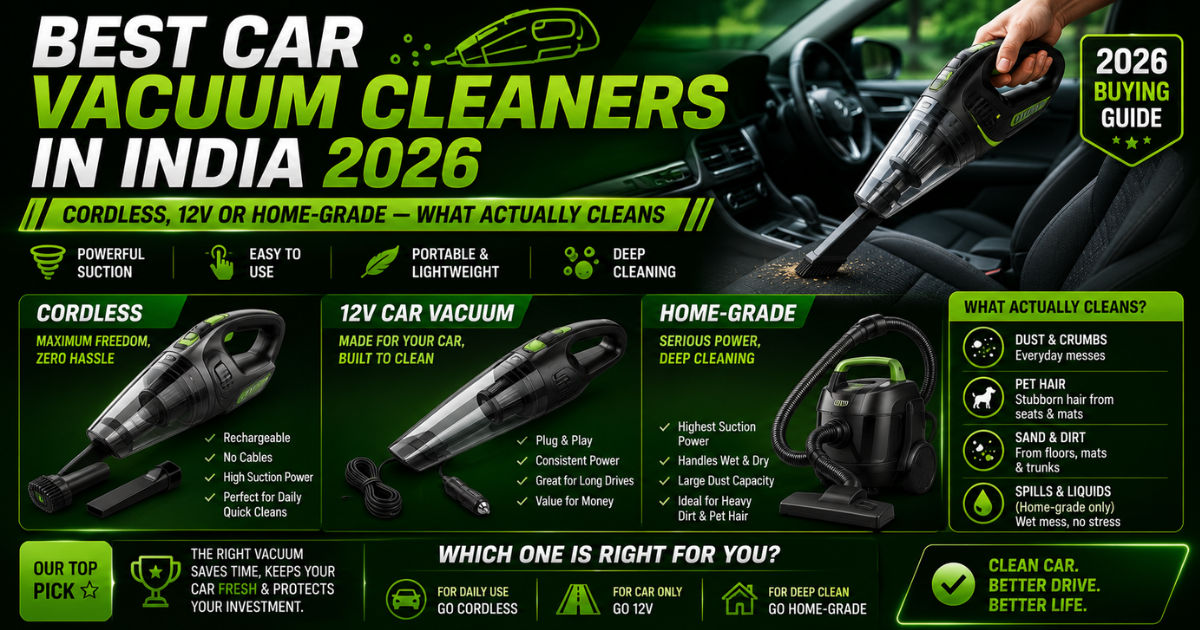
Deciding between a 12V car vacuum and a cordless car vacuum can be tricky. Both offer convenience for cleaning your vehicle, but they have different strengths and weaknesses. Understanding these differences will help you choose the best tool for keeping your car spotless.
A 12V car vacuum plugs directly into your car’s cigarette lighter socket. This means it has a continuous power supply as long as your car is running or the ignition is on. On the other hand, a cordless car vacuum runs on a rechargeable battery, offering freedom from power cords but with a limited runtime. Let’s break down what makes each type unique.
Power Source: The Core Difference
The primary distinction lies in how these vacuums get their power. This fundamental difference impacts their performance, portability, and overall usability.
12v Car Vacuums
These vacuums are designed to be used while plugged into your car’s 12-volt power outlet, often called the cigarette lighter port. This connection provides a stable and continuous power source. As long as your car’s engine is running or the ignition is in the accessory mode, your 12V vacuum will work.
This constant power means you don’t have to worry about battery life. You can clean your car for as long as you need without interruption. However, you are tethered by the length of the vacuum’s power cord.
Cordless Car Vacuums
Cordless models use rechargeable batteries, typically lithium-ion. This offers incredible freedom of movement; you can take them anywhere without being limited by a cord. They are great for quick cleanups or for reaching tight spots without a cable getting in the way.
The main limitation is battery life. Once the battery is drained, you need to recharge it, which can take several hours. This might not be enough for a deep, thorough cleaning session if the battery is small or old.
Performance And Suction Power
Suction power is crucial for any vacuum. It determines how effectively the device can pick up dirt, dust, crumbs, and pet hair from your car’s carpets and upholstery.
12v Car Vacuums
Many 12V car vacuums offer decent suction, especially those designed for automotive use. Because they draw directly from the car’s battery, they can often provide consistent power. Some models might even rival smaller household vacuums in terms of suction strength.
However, the actual suction power can vary greatly between models. Cheaper 12V vacuums might struggle with heavier debris or deeply embedded dirt. It’s important to check reviews and specifications for air watts (AW) or Pascal (Pa) ratings if suction is a top priority.
Cordless Car Vacuums
Cordless car vacuums have made significant strides in power. High-end models often use advanced motor technology to deliver strong suction comparable to corded vacuums. They are excellent for tackling everyday messes.
The power can sometimes fluctuate as the battery level drops. Also, the overall power is often limited by the battery’s voltage and capacity. While powerful, they might not always match the sustained peak performance of a good 12V vacuum for very tough jobs.

Portability And Convenience
Both types of vacuums aim for convenience, but they achieve it in different ways. Your choice here depends on your cleaning habits and priorities.
12v Car Vacuums
These vacuums are generally compact and designed to be stored easily in your car’s trunk or glove compartment. The power cord, while a limitation for movement, is usually long enough to reach most areas of a standard car. They are ready to use as soon as you plug them in.
The need to plug into the car means you must be parked with access to the 12V outlet. This makes them less ideal for cleaning in a garage without the car running or for use in other spaces.
Cordless Car Vacuums
The ultimate portability is the hallmark of cordless vacuums. You can use them anywhere, in your driveway, a parking lot, or even for quick cleanups inside your house if they come with a home charger. They are lightweight and easy to maneuver around seats and under dashboards.
Their convenience is sometimes offset by the need to remember to charge them. If you forget, you might find yourself with a dead battery right when you need it most.
Battery Life And Charging Time (cordless Only)
For cordless vacuums, battery performance is a critical factor.
A typical cordless car vacuum might offer anywhere from 15 to 45 minutes of runtime on a full charge. This is usually sufficient for cleaning a car’s interior. However, heavier use, like tackling thick pet hair or wet spills (if the vacuum is designed for it), can drain the battery faster.
Charging times can range from 1 to 5 hours, depending on the battery size and charger. Some models feature fast charging, which can be a lifesaver.
Durability And Build Quality
The materials and construction of a car vacuum affect its lifespan and how well it holds up to regular use.
12V vacuums often have a more robust build, as they are designed to be plugged into a car’s power system. They tend to be made from sturdy plastics that can withstand the occasional bump or drop.
Cordless vacuums vary widely. Premium models use high-quality plastics and durable battery components. Cheaper models might feel flimsy and may not last as long, especially the battery.
Cost And Value
Price is always a consideration.
12V car vacuums are generally more affordable. You can find decent models for under $50. They offer good value if you need a reliable tool for basic car cleaning and don’t require extreme portability.
Cordless car vacuums can range from budget-friendly options around $50 to premium models costing $150 or more. The higher price often reflects better battery technology, stronger suction, and additional features like multiple attachments.
Key Features To Consider
Beyond the power source, several other features can influence your decision.
Attachments
Both types of vacuums usually come with various attachments. These can include:
- Crevice tools: For tight spaces between seats and in consoles.
- Brush attachments: For agitating carpets and upholstery to loosen dirt.
- Extension hoses: To reach further into the car.
- Upholstery tools: For fabric seats and mats.
Make sure the vacuum you choose comes with the attachments you need for your car’s specific cleaning challenges.
Filtration System
A good HEPA filter or multi-stage filtration system is important for trapping fine dust particles and allergens. This prevents them from being recirculated back into the air inside your car.
Wet/dry Capability
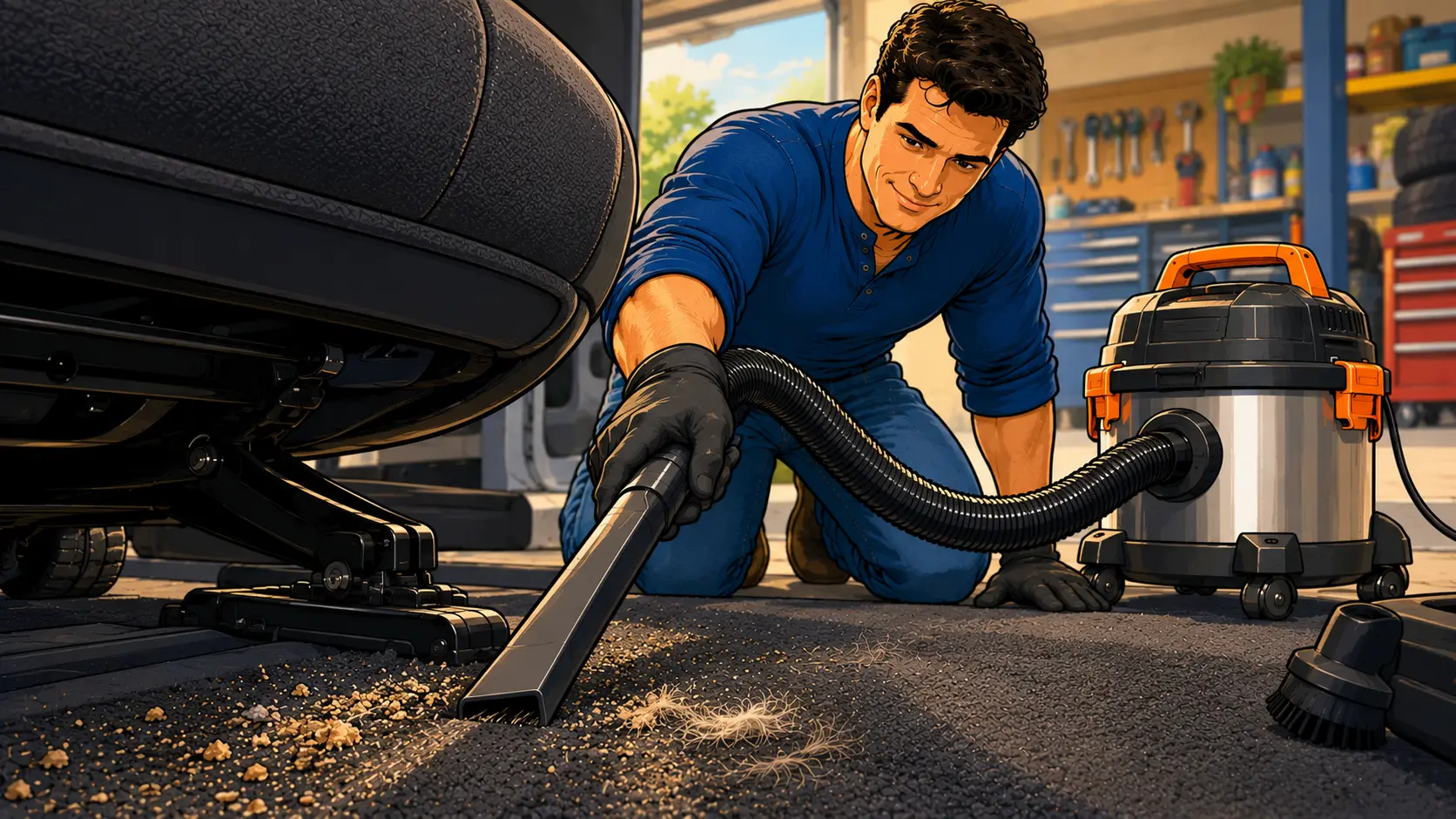
Some car vacuums are designed to handle both dry debris and small liquid spills. If you have kids or pets, this feature can be incredibly useful for cleaning up juice boxes or muddy paw prints.
Which Is Better For You?
The “better” vacuum depends entirely on your personal needs and how you plan to use it.
Choose A 12v Car Vacuum If:
- You want a cost-effective solution.
- You prioritize unlimited runtime for longer cleaning sessions.
- You don’t mind being tethered by a cord while cleaning.
- You need consistent, strong suction without worrying about battery drain.
Choose A Cordless Car Vacuum If:
- You value ultimate portability and freedom of movement.
- You need to clean your car in places without access to a 12V outlet.
- You prefer quick, frequent cleanups rather than deep cleaning sessions.
- You are willing to invest more for modern technology and convenience.
In my experience, for most car owners who perform regular maintenance cleaning, a good quality cordless vacuum offers a superior balance of convenience and performance. However, if you frequently tackle very large messes or have an older car with limited power outlets, a 12V model remains a reliable choice.

