

Can A Pet Vacuum Clean A Kennel?
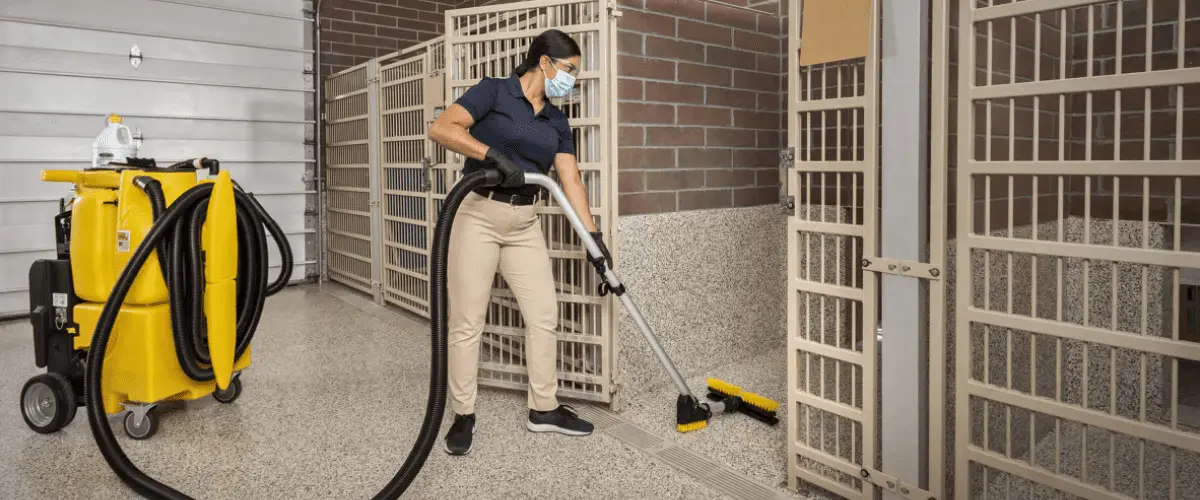
Keeping a pet’s living space clean is crucial for their health and comfort. Kennels, crates, and other enclosed pet areas can quickly accumulate fur, dirt, and odor. This raises an important question for pet owners: can a pet vacuum clean a kennel effectively? The answer is yes, but with some important considerations. Not all vacuums are created equal, and the type of vacuum you use, along with specific features, will determine its success in tackling kennel messes.
Understanding Kennel Cleaning Challenges
Kennels present unique cleaning challenges. They are often made of plastic or wire, materials that can be scratched or damaged by abrasive cleaning tools. The confined space can make maneuvering a large, bulky vacuum difficult. Furthermore, pet hair can be stubborn, clinging to surfaces and embedding itself into nooks and crannies.
Odors can also be a significant problem, requiring more than just surface cleaning.
Types Of Vacuums For Kennel Cleaning
When considering a vacuum for kennel cleaning, several types come to mind, each with its pros and cons. The best choice often depends on the size of the kennel, the type of mess, and your budget.
Stick Vacuums
Stick vacuums are lightweight and maneuverable, making them a good option for smaller kennels or quick cleanups. Their slim design allows them to get into tight spaces. Many stick vacuums come with various attachments, such as crevice tools and brush heads, which can be helpful for dislodging pet hair from different surfaces.
Handheld Vacuums
Handheld vacuums are even more compact and portable than stick vacuums. They are excellent for spot cleaning and for very small enclosures. Their small size makes them easy to handle, and they can be particularly useful for cleaning up accidents or stubborn patches of fur.
Canister Vacuums
Canister vacuums offer more power and suction than stick or handheld models. They typically come with a longer hose and wand, which can be beneficial for reaching all parts of a larger kennel. The separate canister design can also make them easier to maneuver around obstacles.
Robot Vacuums
While robot vacuums are designed for larger floor areas, some smaller models or those with specific “spot clean” modes might be able to handle the floor of a very large, open-top kennel. However, they generally lack the precision and power needed for detailed cleaning of corners and surfaces within a typical kennel. Their inability to clean vertical surfaces or tight corners makes them less ideal for comprehensive kennel cleaning.

Key Features To Look For
When selecting a vacuum for kennel cleaning, certain features can make a significant difference in its effectiveness and ease of use.
Strong Suction Power
Suction power is paramount. Pet hair, especially fine or wiry fur, requires strong suction to be lifted from surfaces. Look for vacuums with high Air Watts (AW) or Pascal (Pa) ratings, which indicate suction strength.
Specialized Pet Hair Attachments
Many vacuums designed for pet owners come with specialized pet hair attachments. These often include motorized brush heads that agitate carpet and upholstery to loosen trapped hair, and specialized nozzles designed to pick up fur more efficiently. A good brush roll is essential for dislodging hair from bedding or the kennel floor.
Filtration System
A good filtration system, such as a HEPA filter, is crucial for trapping allergens and fine dust particles. This is especially important if you or your pet has allergies. It prevents these particles from being recirculated back into the air, improving air quality within your home.
Cordless Vs. Corded
Cordless vacuums offer convenience and freedom of movement, which is highly beneficial for cleaning confined spaces like kennels. However, battery life can be a limitation. Corded vacuums generally offer consistent, powerful suction but can be more cumbersome to maneuver.
Durability And Ease Of Maintenance
Kennel cleaning can be tough on a vacuum. Look for models made from durable materials that can withstand frequent use. Ease of maintenance, such as how easy it is to empty the dustbin and clean the brush roll, is also important.
Using A Vacuum For Kennel Cleaning: Best Practices
Simply owning a pet-friendly vacuum isn’t enough; how you use it matters. Following best practices ensures a cleaner, healthier kennel environment.
Pre-clean Loose Debris
Before vacuuming, remove any loose bedding, toys, or larger debris from the kennel. This prevents the vacuum from getting clogged and makes the vacuuming process more efficient. You can use a brush or your hands for this initial step.
Use Appropriate Attachments
For hard plastic or metal surfaces, a brush attachment can help loosen fur without scratching. For fabric bedding, a mini-motorized tool or a specialized upholstery attachment is often best. A crevice tool is invaluable for cleaning the corners and edges of the kennel where hair tends to accumulate.
Focus On Nooks And Crannies
Pet hair loves to hide. Pay special attention to the corners, seams, and any textured surfaces within the kennel. These areas often require slower, more deliberate vacuuming to ensure all the fur is captured.
Address Odors
While vacuuming removes physical debris, it may not eliminate odors. For persistent smells, consider using a kennel deodorizer after cleaning. Some vacuums have specific odor-filtering capabilities, but they are usually supplementary to proper cleaning.
Regular Cleaning Schedule
Consistency is key. Vacuuming the kennel regularly, even daily for heavily used spaces, prevents excessive build-up of hair and dirt. This makes each cleaning session easier and maintains a more hygienic environment.

Can A Pet Vacuum Replace Other Cleaning Methods?
A good pet vacuum can significantly reduce the need for other intensive cleaning methods, but it might not entirely replace them.
Complementary Cleaning Tools
For deep cleaning or sanitizing, you’ll likely still need disinfectant sprays or wipes suitable for pet environments. These are essential for killing bacteria and viruses, especially after accidents. A stiff brush can also be helpful for scrubbing stubborn grime before vacuuming.
Washing Bedding
Pet bedding often requires washing to remove deeply embedded odors and dander. While a vacuum can remove loose fur, washing provides a more thorough clean. Always check the care label on the bedding before washing.
Real-world Scenarios And Considerations
Consider the specific needs of your pet and their living space.
Large Dog Kennels
For large dog crates or kennels, a powerful cordless stick vacuum or a lightweight canister vacuum with a good range of attachments is often the best choice. The ability to move freely around a larger space without being tethered by a cord is a significant advantage.
Small Animal Cages
For smaller cages like those for rabbits or guinea pigs, a compact handheld vacuum might suffice for daily spot cleaning. However, for a more thorough clean, you might need to empty the cage and use a slightly more powerful vacuum on the base.
Outdoor Kennels/runs
Outdoor kennels or runs present different challenges, often dealing with dirt, mud, and outdoor debris. While a pet vacuum can help with fur, a sturdy broom and hose might be more practical for initial cleaning before using a vacuum for finer details.
Expert Insights And Common Pitfalls
In my experience, pet owners often underestimate the importance of the brush roll in a vacuum. A good brush roll actively pulls hair from surfaces, which is far more effective than passive suction alone. Many people also forget to clean the vacuum’s brush roll itself, which can become clogged with hair and reduce its effectiveness.
Common Pitfalls To Avoid
- Using the wrong attachment: This can lead to ineffective cleaning or even damage to the kennel.
- Not emptying the dustbin: A full dustbin significantly reduces suction power.
- Ignoring odors: Vacuums primarily remove physical debris. Persistent odors may require specific deodorizing treatments.
- Over-reliance on vacuuming: Remember that washing bedding and occasional deep sanitizing are still necessary.

