

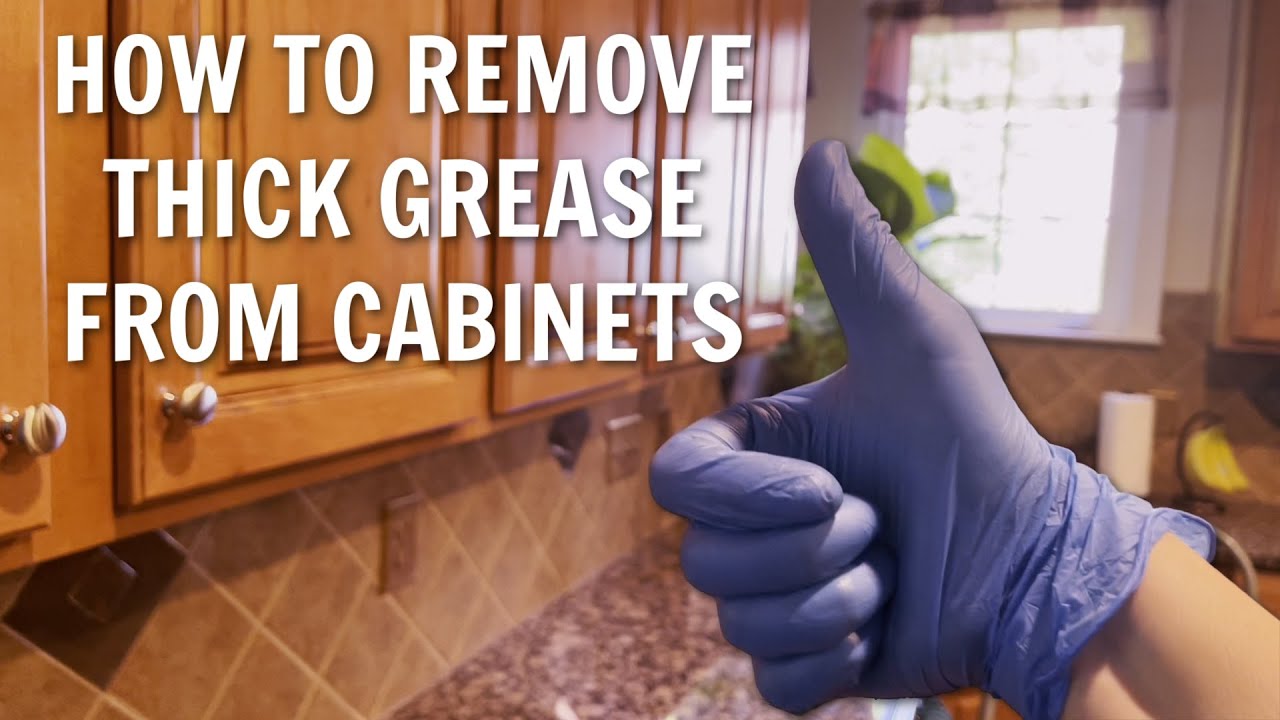
Grease on your kitchen cabinets can be stubborn and frustrating. It builds up over time, making your kitchen look dull and dirty.
You might have tried wiping it away with regular cleaners, but the grease just won’t budge. What if there was a simple way to restore your cabinets to their original shine? You’ll discover easy and effective methods to clean grease off your kitchen cabinets quickly.
Keep reading, and say goodbye to that sticky, grimy layer for good!
Common Causes Of Grease Buildup
Grease buildup on kitchen cabinets happens slowly but surely. It forms from cooking oils, food splatters, and steam. Over time, this grease layer becomes sticky and hard to remove. Understanding what causes grease buildup helps keep cabinets clean and fresh. Let’s explore the main reasons behind this common problem.
Cooking Habits That Lead To Grease
Frying and sautéing release oil particles into the air. These tiny droplets land on cabinets nearby. Boiling and steaming also create steam mixed with grease. Cooking without a vent or hood lets grease settle on surfaces. Leaving food uncovered while cooking adds to the mess. Quick meals with lots of oil increase grease buildup fast.
Types Of Grease On Cabinets
Grease on cabinets comes in different forms. Fresh grease is oily and shiny, easy to wipe away. Older grease turns sticky and dull, harder to clean. Burnt grease creates a tough, dark layer that clings tightly. Some grease mixes with dust and dirt, forming a grimy film. Each type needs a different cleaning approach to remove it fully.
Daily Maintenance Tips
Keeping kitchen cabinets free from grease is easier with daily care. Small habits prevent buildup and keep cabinets looking fresh. These simple steps help maintain cleanliness and protect the cabinet finish.
Daily maintenance saves time and effort. It stops tough stains from forming and keeps your kitchen pleasant.
Wiping Down After Cooking
Wipe cabinets right after cooking. Use a soft cloth or sponge dampened with warm water. This removes fresh grease before it sticks. Focus on areas near the stove and handles. Quick wiping stops grease from hardening and spreading.
Using Mild Cleaners Regularly
Choose mild cleaners that do not harm cabinet surfaces. Mix a little dish soap with warm water for a gentle solution. Clean cabinets once or twice a week with this mix. Avoid harsh chemicals that can damage paint or wood. Regular cleaning keeps grease and grime away safely.
Natural Cleaning Solutions
Natural cleaning solutions offer a safe and effective way to remove grease from kitchen cabinets. These options use simple ingredients found in most homes. They clean well without harsh chemicals. Using natural cleaners helps protect your family and the environment. Plus, they are easy to make and cost less than commercial products.
Vinegar And Water Mixture
Mix equal parts of white vinegar and water in a spray bottle. Spray the solution on greasy cabinet surfaces. Let it sit for a few minutes. Then, wipe the area with a soft cloth. Vinegar cuts through grease and leaves cabinets shiny. It also kills bacteria without damaging the finish.
Baking Soda Paste
Combine baking soda with a small amount of water to form a paste. Apply the paste to greasy spots on cabinets. Gently scrub with a soft brush or cloth. Baking soda acts as a mild abrasive that lifts grease. It also deodorizes and refreshes the kitchen cabinets.
Lemon Juice Benefits
Lemon juice is a natural degreaser and brightener. Apply fresh lemon juice or diluted lemon juice on greasy areas. Let it sit for a few minutes. Wipe clean with a damp cloth. Lemon’s acidity breaks down grease and adds a fresh scent. It also helps remove stains and prevents buildup.
Commercial Grease Removers
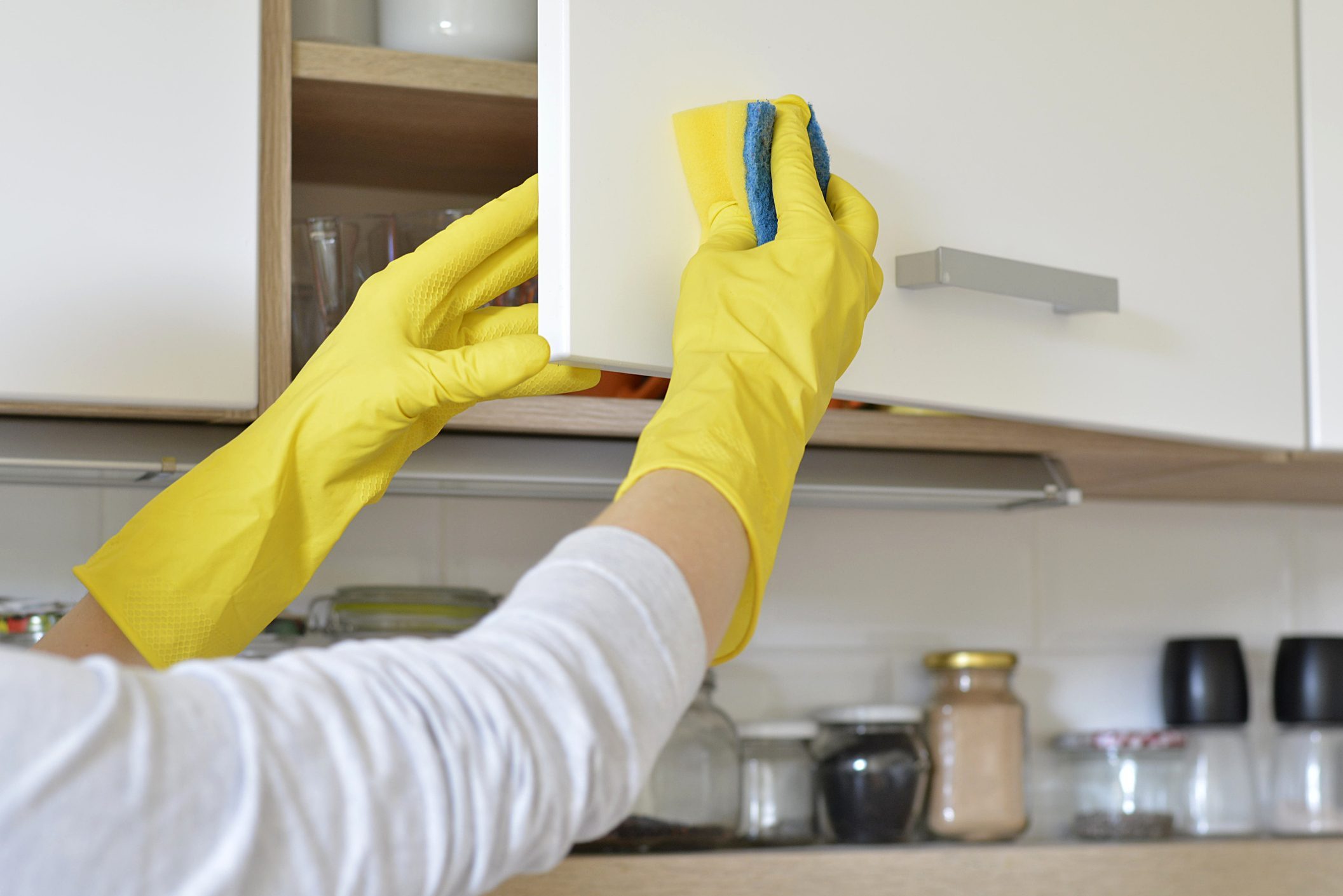
Commercial grease removers are strong cleaning products designed to remove tough grease from kitchen cabinets. They work faster than regular cleaners and make cabinets look fresh again. These removers target oily residues and sticky buildup that happen from cooking. Using the right product keeps cabinets clean without damage.
Choosing Safe Products
Pick grease removers that are safe for your cabinet material. Some products may harm wood or paint finishes. Look for labels that say “safe for wood” or “non-toxic.” Avoid harsh chemicals like bleach or ammonia. These can cause discoloration or peeling. Choose products with natural ingredients if possible. Test a small area first to see how your cabinets react.
Application Techniques
Apply the remover carefully to avoid damage. Spray or apply with a soft cloth. Let it sit a few minutes to break down grease. Gently wipe the area with a clean cloth. Use circular motions to lift grease without scratching. Rinse with a damp cloth to remove residue. Dry cabinets fully to prevent moisture damage. Repeat if needed, but avoid soaking the surface.
Tools For Effective Cleaning
Cleaning grease off kitchen cabinets requires the right tools. Choosing proper tools makes cleaning easier and more effective. It also protects your cabinet surfaces from damage.
Soft Cloths And Sponges
Soft cloths and sponges are essential for wiping grease gently. They absorb cleaning solutions well. Use microfiber cloths for the best results. Avoid rough materials that can scratch surfaces. Sponges with a soft side work well for daily cleaning. They remove grease without leaving streaks or marks.
Brushes And Toothpicks For Crevices
Brushes help reach narrow spaces where grease hides. Small brushes with soft bristles work best. Toothpicks can remove dirt from tiny cracks. These tools clean hard-to-reach areas effectively. Use gentle scrubbing motions to avoid damage. They keep your cabinets looking clean and fresh.
Handling Stubborn Grease Stains
Stubborn grease stains on kitchen cabinets can be tough to remove. These stains often build up over time and resist simple cleaning. Treating them requires patience and the right methods. Using strong cleaners and repeating the process helps break down the grease. It is important to handle these stains carefully to avoid damage to the cabinet finish.
Soaking And Reapplying Cleaners
Soaking the stained area softens the grease. Apply a cleaner and let it sit for several minutes. The cleaner penetrates the grease, making it easier to wipe away. After soaking, use a soft cloth or sponge to scrub gently. Repeat this process if the stain remains. Reapplying the cleaner several times often removes stubborn grease completely.
Using Degreasing Sprays
Degreasing sprays are made to cut through tough grease quickly. Spray the product directly on the stained cabinet surface. Let it work for a few minutes to loosen the grease. Wipe the area with a clean cloth to remove the spray and dirt. Some sprays need a second application for very heavy stains. Always follow the product instructions for best results and safe use.
Preventing Future Grease Buildup
Grease buildup on kitchen cabinets makes your space look dirty and old. Stopping grease before it sticks saves time and effort later. Small daily actions keep your cabinets clean and fresh. Focus on better airflow and regular cleaning to prevent grease from settling.
Ventilation Tips
Good airflow reduces grease buildup. Use exhaust fans while cooking. Open windows if possible to let fresh air in. Turn on the range hood to catch steam and grease. This helps stop grease from reaching your cabinets. Keep vents clean for better air flow. Proper ventilation keeps your kitchen fresh and grease-free.
Regular Cabinet Care
Wipe cabinets with a damp cloth often. Use mild soap and water to clean sticky spots. Avoid harsh cleaners that damage cabinet surfaces. Dry cabinets after cleaning to stop grease from sticking. Clean spills right away to prevent stains. A quick wipe every day helps keep cabinets bright. Regular care prevents thick grease layers from forming.
Frequently Asked Questions
What Is The Best Cleaner For Greasy Kitchen Cabinets?
The best cleaner for greasy kitchen cabinets is a mixture of warm water, dish soap, and vinegar. This solution cuts through grease effectively without damaging the cabinet finish. Use a soft cloth to apply and wipe gently for best results.
Can Baking Soda Remove Grease From Kitchen Cabinets?
Yes, baking soda is excellent for removing grease. Make a paste with water, apply it to greasy spots, and scrub gently. Baking soda’s mild abrasiveness helps lift grease without scratching cabinet surfaces.
How Often Should I Clean Greasy Kitchen Cabinets?
Clean greasy kitchen cabinets at least once a week. Regular cleaning prevents buildup and keeps cabinets looking fresh. Wipe spills immediately to avoid stubborn grease stains.
Are Commercial Degreasers Safe For Kitchen Cabinets?
Most commercial degreasers are safe if used as directed. Choose non-toxic, cabinet-safe products to avoid damage. Always test on a small area first to ensure the finish remains intact.
Conclusion
Grease on kitchen cabinets can be tough to clean. Using common household items makes the job easier. Warm water with mild soap works well for light grease. For tougher spots, try baking soda or vinegar solutions. Always test cleaners on a small cabinet area first.
Regular cleaning stops grease from building up again. Clean cabinets keep your kitchen fresh and healthy. Small efforts bring big results over time. Keep your kitchen shining with simple, safe methods.
